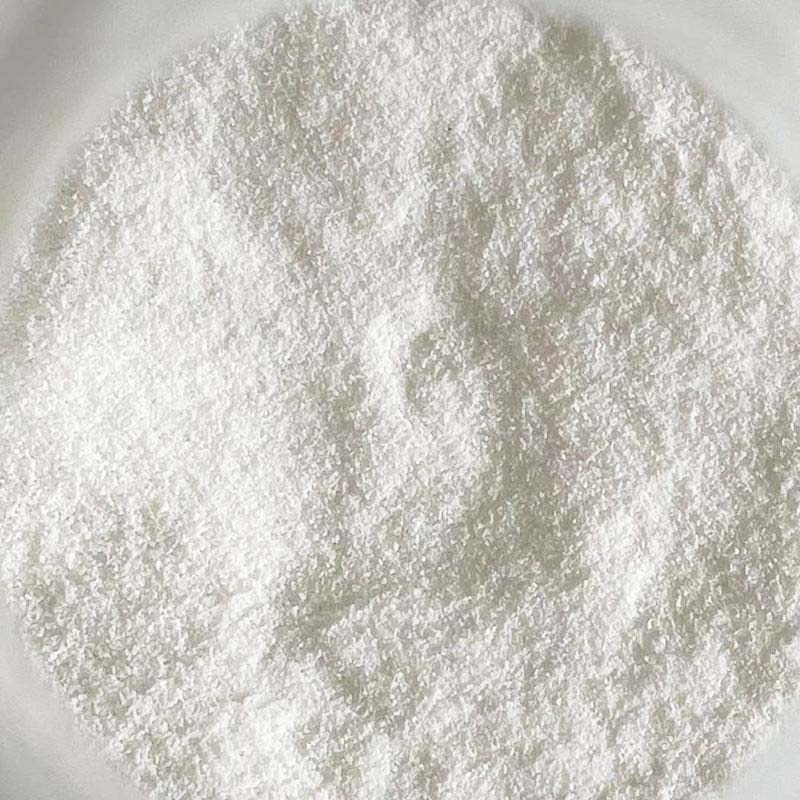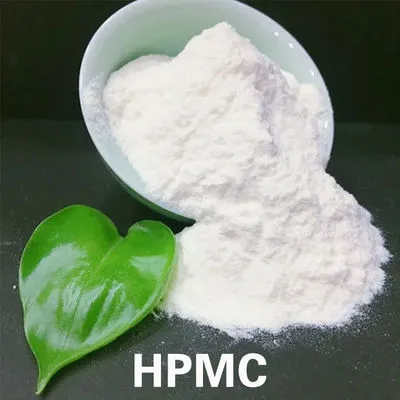
High Performance HEMC Solutions from Leading HPMC Manufacturers
Selecting the right cellulose ether can be the deciding factor in the structural integrity and workability of modern construction materials. Hydroxyethyl Methyl Cellulose (HEMC/MHEC) serves as a critical non-ionic, water-soluble polymer that transforms raw mortar and plaster into high-performance building solutions. For procurement managers and engineers, the value of HEMC lies in its dual ability to retain water and enhance adhesion, preventing premature drying and ensuring a smooth, crack-free finish in demanding environments. By optimizing the viscosity and gel temperature, these polymers allow for superior pumpability and openness in dry-mix mortars, making them indispensable for high-efficiency job sites.

Understanding the Technical Role of HEMC in Modern Chemical Formulations
Hydroxyethyl Methyl Cellulose is derived from natural cellulose, engineered to provide exceptional thickening and binding properties. Unlike standard additives, HEMC operates as a stabilizer that manages the rheology of aqueous solutions. In the context of specialized chemical manufacturing, its non-ionic nature ensures compatibility with a wide range of other additives, making it a versatile choice for everything from pharmaceutical binders to industrial detergents.
The technical efficacy of the polymer is primarily governed by its substitution degrees—specifically the hydroxyethyl and methoxy content. These chemical markers determine how the polymer interacts with water and heat. A higher gel temperature, for instance, ensures that the material remains stable and workable even under intense summer heat, preventing the "flash set" that often plagues lower-grade cellulose ethers. This stability is what allows construction teams to maintain consistent application speeds without sacrificing the bond strength of the final cured product.

Critical Applications Across Construction and Industrial Sectors
The versatility of HEMC is best demonstrated in its specific industry use cases. In Wall Putty and Skim Coats, the polymer acts as a moisture reservoir, restraining water loss to ensure the putty doesn't shrink or crack. For Self-Leveling Mortars, it serves as a high-efficiency suspension agent, keeping heavy aggregates evenly distributed to achieve a perfectly flat surface. Without this suspension capability, the liquidity would be compromised, leading to uneven floors.
Beyond floorings, the material is vital for Tile Adhesives. By significantly improving stickiness and reducing moisture evaporation, it prevents tiles from sagging or sliding down walls during installation. In Gypsum Plaster, HEMC enhances bonding performance and prevents the mixture from drying too rapidly, extending the "open time" for workers. Even in joint fillers, the cohesiveness provided by these cellulose ethers ensures that seams remain stable and durable across fluctuating temperature gradients.
Strategic Procurement: Evaluating Grades and Specifications
When sourcing from hpmc manufacturers, buyers must distinguish between standard and modified grades. High-viscosity HEMC is typically prioritized for applications requiring maximum thickening and water retention, such as high-build adhesives. Conversely, low-viscosity grades are utilized for dispersion and suspension tasks where fluid movement is more critical than thickness.
Key evaluation metrics include:
- Viscosity Range: Typically between 20,000 to 200,000 mPa.s depending on the desired flow.
- Gel Temperature: Critical for hot-weather performance, usually ranging from 55°C to 70°C.
- Purity Levels: High-purity grades (99%+) minimize impurities that could interfere with chemical reactions in pharmaceutical or cosmetic formulations.
- Substitution Levels: Methoxy and hydroxypropyl content affect the solubility and thickening efficiency.
Technical Specification and Performance Comparison
| Performance Metric | Standard Grade | Modified Grade | High-Purity Grade | Application Focus |
|---|---|---|---|---|
| Viscosity (mPa.s) | 40,000 - 100,000 | 100,000 - 200,000 | Customizable | Water Retention |
| Gel Temperature | 55 - 60°C | 65 - 70°C | 68°C+ | Heat Resistance |
| Purity (%) | 95 - 98% | 98% | 99%+ | Chemical Stability |
| Methoxy Content | 21 - 26% | 25 - 30% | Precise Range | Solubility |
| Ash Content | Low | Very Low | Minimal | Product Clarity |
Manufacturing Capabilities and Quality Assurance Standards
Quality consistency is the primary challenge in cellulose ether production. To address this, leading production facilities integrate advanced technology, often utilizing equipment from Germany to maintain strict control over the etherification process. A stable annual output—such as the 40,000 to 70,000 metric ton capacities seen in top-tier plants—indicates the ability to handle large-scale global demand without sacrificing batch-to-batch consistency.
Rigorous testing protocols are applied at every supply chain link. This includes monitoring the molar degree of substitution and conducting light transmittance tests to ensure the product meets the required transparency and purity. For OEM clients, customization is a key capability; the ability to tailor viscosity and gel temperatures allows the product to be precisely matched to the specific climate and material requirements of the end-user's region.
Supply Chain Logistics and Packaging Considerations
Given the hydrophilic nature of HEMC, packaging and storage are non-negotiable aspects of quality preservation. Standard 25kg bags made of polyethylene are used to prevent moisture ingress. For larger industrial shipments, 600kg pallets are the norm. It is imperative that these products are stored in cool, dry conditions, away from direct sunlight or fire sources, to prevent degradation of the polymer chains.
From a logistics perspective, flexibility in delivery terms (CIF, FOB) and payment methods (OA, TT, LC) allows for smoother international trade. With typical delivery windows of 7-14 days, a robust inventory management system is essential. Ensuring that stocks are readily available for immediate shipment prevents costly project delays at construction sites, where the arrival of additives is often on the critical path of the project timeline.
Frequently Asked Questions About Cellulose Ethers
What is the main difference between HEMC and HPMC?
While both are cellulose ethers, HEMC (Hydroxyethyl Methyl Cellulose) typically offers different solubility and thermal properties compared to HPMC, often providing better stability in specific high-temperature construction environments.
How does HEMC improve the performance of tile adhesives?
It improves the compatibility and stickiness of the adhesive while reducing moisture evaporation, which prevents tiles from sagging and ensures a firm bond to the substrate.
Why is gel temperature important for construction materials?
Gel temperature indicates the point at which the polymer loses its thickening power. A higher gel temperature ensures the mortar remains workable in hot weather, preventing premature drying.
Can HEMC be customized for specific project needs?
Yes, professional manufacturers can customize viscosity, purity, and substitution levels to meet specific technical requirements for different industrial applications.
What is the recommended storage condition for HEMC powder?
It should be stored in a sealed container in a cool, dry environment, strictly avoiding humidity and direct sunlight due to its highly hydrophilic nature.
What is the typical MOQ for industrial HEMC orders?
Standard minimum order quantities (MOQ) often start around 1000kg, though this may vary based on the level of OEM customization required.
Technical References and Industry Standards
- Polymer Science and Cellulose Ether Research
- International Organization for Standardization - Chemical Standards
- ASTM International - Construction Material Testing
- PubChem - Hydroxyethyl Methyl Cellulose Chemical Properties
For companies seeking high-performance cellulose ether solutions, partnering with a manufacturer that combines German-standard technology with massive production scale is key to ensuring project success and material consistency.
Related Technical Insights