Sodium Carboxymethyl Cellulose Guide from hpmc factory
Sodium Carboxymethyl Cellulose (CMC) is a versatile anionic cellulose ether that serves as a critical rheology modifier across a multitude of industrial sectors. From providing essential stability in oil drilling fluids to enhancing the texture of food products and the efficiency of detergents, CMC's ability to form stable colloidal solutions makes it indispensable for modern manufacturing. Its non-toxic, odorless, and water-soluble nature allows it to function effectively as a thickener, binder, and stabilizer without altering the fundamental characteristics of the end product.
For procurement managers and formulation engineers, selecting the right grade of CMC is not merely about purity but about matching the degree of substitution and viscosity to the specific environmental stresses of the application. Whether you are aiming to prevent ingredient separation in food or reduce fluid loss in complex drilling environments, understanding the interaction between cellulose derivatives and your formulation is key to achieving consistent quality and optimal performance.

The Technical Mechanism of Viscosity Control and Rheological Stability in CMC
The primary functional value of Sodium Carboxymethyl Cellulose lies in its ability to control the viscosity of aqueous solutions. As a water-soluble derivative of cellulose, CMC molecules expand and interact when dissolved, creating a network that restricts the flow of the liquid. This rheological behavior is heavily influenced by the degree of substitution (DS) and the molecular weight of the polymer. A higher DS generally enhances water solubility and thickening capability, allowing manufacturers to fine-tune the texture and suspension stability of their products.
In practical application, this stability prevents the sedimentation of insoluble particles and the separation of immiscible phases. For instance, in the coatings and detergent industries, CMC ensures that active ingredients remain uniformly dispersed, preventing the "clumping" effect often seen in low-quality formulations. Furthermore, its strong water retention capacity is vital for reducing syneresis—the expulsion of liquid from a gel—which is particularly critical for products subjected to temperature fluctuations or extended storage periods.
- Colloidal Stability: Forms transparent, stable solutions even at low concentrations.
- Thermal Response: Viscosity typically decreases as temperature increases, though it remains stable up to 80°C before denaturation occurs.
- Molecular Flexibility: Available in various viscosity grades to meet specific flowability requirements.

Evaluating Quality Parameters: Purity, Substitution, and Particle Distribution
When sourcing from a professional hpmc factory or cellulose ether producer, buyers must look beyond the basic product name. The effectiveness of CMC is dictated by several precise chemical parameters. The Degree of Substitution (DS) is perhaps the most critical; it indicates how many hydroxyl groups have been replaced by carboxymethyl groups, directly impacting how the powder interacts with water and other solutes. Inconsistent DS leads to unpredictable thickening and poor solubility.
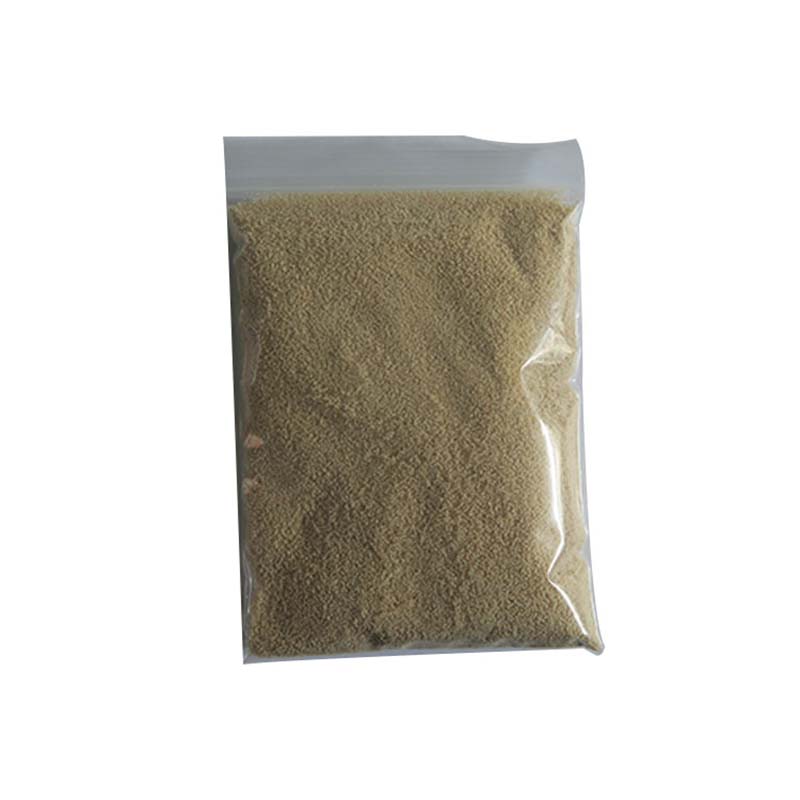
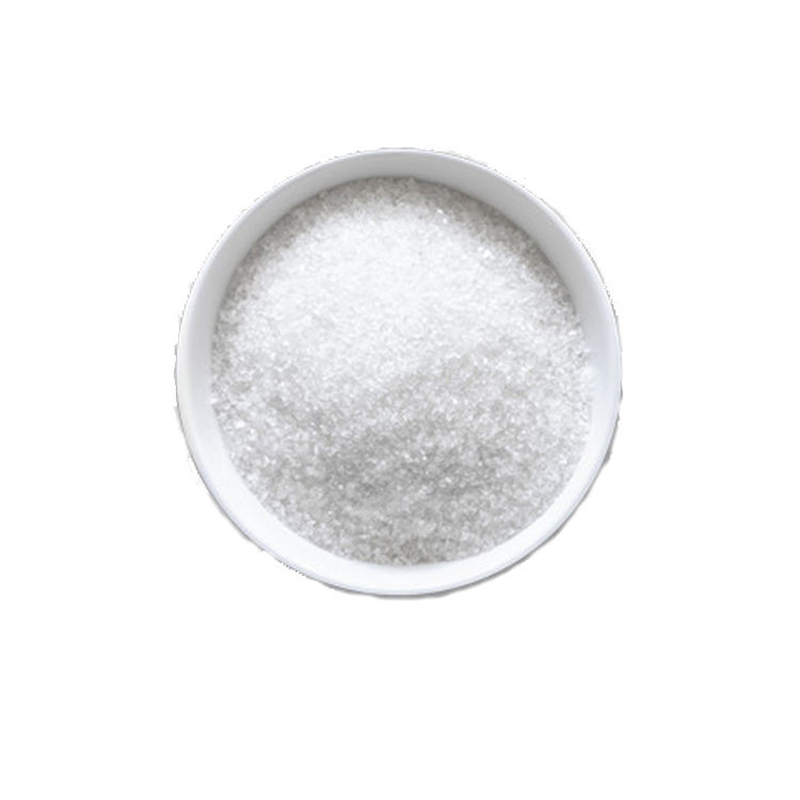
Purity is equally paramount, especially for food and pharmaceutical grades. High-quality CMC must contain minimal residual salts and unreacted cellulose. Impurities can negatively affect the transparency of the resulting solution or introduce unwanted tastes in food applications. Additionally, the particle size distribution determines the dissolution speed. Fine, evenly distributed powders dissolve more rapidly and are less prone to forming "fish-eyes" or lumps during the mixing process, which significantly improves production efficiency on an industrial scale.
Viscosity consistency across different batches is the benchmark of a reliable manufacturer. Because CMC is used as a stabilizer, even a slight deviation in the 1% solution viscosity can lead to formulation failure, such as premature settling in paints or poor mouthfeel in food emulsions.
Multi-Industry Application Logic: From Oil Fields to Food Production
The versatility of Sodium Carboxymethyl Cellulose allows it to solve diverse engineering challenges. In the oil drilling industry, it is utilized in drilling muds to control fluid loss and stabilize the wellbore, ensuring that the mud retains its properties under high pressure. In the textile industry, it acts as a sizing agent, providing the necessary strength to yarns during weaving.
In food production, the logic shifts toward sensory experience and shelf-life extension. CMC prevents protein coagulation in acidic dairy products and acts as a water-retaining agent in pastries and jams to prevent cracking and dehydration. Its role in fried foods is particularly interesting, where it forms a thin film that prevents the excessive absorption of oil, thereby improving the health profile of the product.
- Detergents: Acts as an anti-redeposition agent, preventing dirt from settling back onto fabrics.
- Ceramics: Used as a plasticizer and strengthening agent for billets.
- Cosmetics: Functions as a hydrosol and thickener in toothpaste and lotions.
- Food: Controls ice crystal size in frozen desserts and improves flavor stability in beverages.
Technical Specifications and Performance Range of CMC
| Technical Parameter | Standard Range | Impact on Performance | Evaluation Method |
|---|---|---|---|
| Viscosity (1% Sol.) | 50 - 1200 mPa.s | Determines thickening power | Brookfield Viscometer |
| Degree of Substitution | 0.6 - 0.9 | Affects solubility and stability | Chemical Titration |
| Purity Level | ≥ 99.5% | Ensures transparency & safety | Laboratory Analysis |
| pH Value | 6.0 - 8.5 | Compatibility with other chemicals | pH Meter |
| Moisture Content | < 10% | Affects shelf life and flow | Oven Drying |
Best Practices for Industrial Dissolution and Processing
Achieving a lump-free, transparent solution requires precise processing. The most common mistake in industrial CMC application is adding the powder too quickly to the water, which creates a hydrated outer shell around dry powder cores, resulting in persistent clumps. To avoid this, it is recommended to use high-speed agitation and add the powder slowly and uniformly into the vortex of the stirring liquid.
For formulations containing other dry ingredients, such as sugar or salt, pre-mixing the CMC powder with these dry components can act as a physical spacer, preventing the cellulose particles from adhering to one another upon contact with water. While CMC is cold-water soluble, slightly warm water can accelerate the hydration process. However, temperature control is critical; prolonged heating above 80°C can cause colloid denaturation, leading to a significant loss in viscosity and overall stabilizing performance.
Finally, patience is required for full hydration. Depending on the molecular weight, it may take several minutes to several hours for the polymer chains to fully extend and develop their maximum viscosity. Premature processing can result in inconsistent batch quality and poor rheological performance in the final product.
Procurement Strategy: Selecting the Right Cellulose Ether Grade
When evaluating a supplier, procurement managers should prioritize the ability to provide customized grades. Because a "general purpose" CMC rarely fits every application, the capability of a manufacturer to adjust the viscosity and DS to meet specific client requests is a key differentiator. This customization ensures that the product integrates seamlessly into the existing production line without requiring costly adjustments to mixing equipment or formulation ratios.
Buyers should also consider the certifications and quality control standards of the facility. For food-grade applications, adherence to hygiene standards is non-negotiable. For industrial grades, the focus should be on batch-to-batch consistency. A reliable partner will provide a detailed Certificate of Analysis (COA) for every shipment, confirming that the purity, pH, and viscosity align with the agreed-upon specifications.
Ultimately, the goal is to find a balance between cost and performance. While lower-priced alternatives may exist, the risk of formulation instability, increased waste due to clumping, or reduced shelf life often outweighs the initial savings. Investing in high-purity, technically consistent CMC leads to lower long-term operational costs and higher end-product quality.
Frequently Asked Questions About Sodium Carboxymethyl Cellulose
What is the main difference between food-grade and industrial-grade CMC?
Food-grade CMC is produced under stricter hygienic conditions and uses higher purity raw materials to ensure it is non-toxic and tasteless, meeting food safety standards. Industrial grades are optimized for performance in environments like oil drilling or detergents, where sensory properties are less critical than chemical robustness and cost-efficiency.
How does the degree of substitution (DS) affect the product?
The degree of substitution refers to the average number of hydroxyl groups replaced by carboxymethyl groups. A higher DS typically improves water solubility and enhances the thickening capability of the cellulose ether, making the resulting solution more stable across various pH levels.
Why does my CMC powder form lumps during mixing?
Lumping occurs when the outer layer of the powder hydrates instantly, creating a barrier that prevents water from reaching the dry center. This is solved by using high-speed stirring, adding the powder slowly, or pre-mixing the CMC with other dry ingredients like salt or sugar.
Is Sodium Carboxymethyl Cellulose stable at high temperatures?
CMC is generally thermally stable, but prolonged heating above 80°C can cause the colloid to denature. This denaturation results in a significant decrease in viscosity and a loss of stabilizing properties, so temperature monitoring is essential during processing.
Which viscosity grade should I choose for my application?
The choice depends on your desired end-result. Higher viscosity grades are used when strong thickening or suspension is required (e.g., in some drilling fluids), while lower viscosity grades are preferred when flowability and ease of application are more important (e.g., in some liquid detergents).
Can CMC be used in organic solvents?
No, CMC is primarily water-soluble. It is insoluble in organic solvents such as ethanol, ether, and acetone. However, it can be soluble in ethanol or acetone solutions that contain at least 60% water content.
Technical References and Industry Resources
- Research on Cellulose Ether Rheology and Application
- Food Additive Standards and Safety Guidelines
- International Standards for Chemical Purity and Testing
- Technical Papers on Drilling Fluid Stabilization
Whether you are refining a food formulation or optimizing industrial drilling fluids, the right grade of Sodium Carboxymethyl Cellulose is the key to stability and performance. By focusing on purity, degree of substitution, and correct dissolution techniques, manufacturers can ensure a consistent, high-quality end product that meets global industry standards.
Related Industry Insights