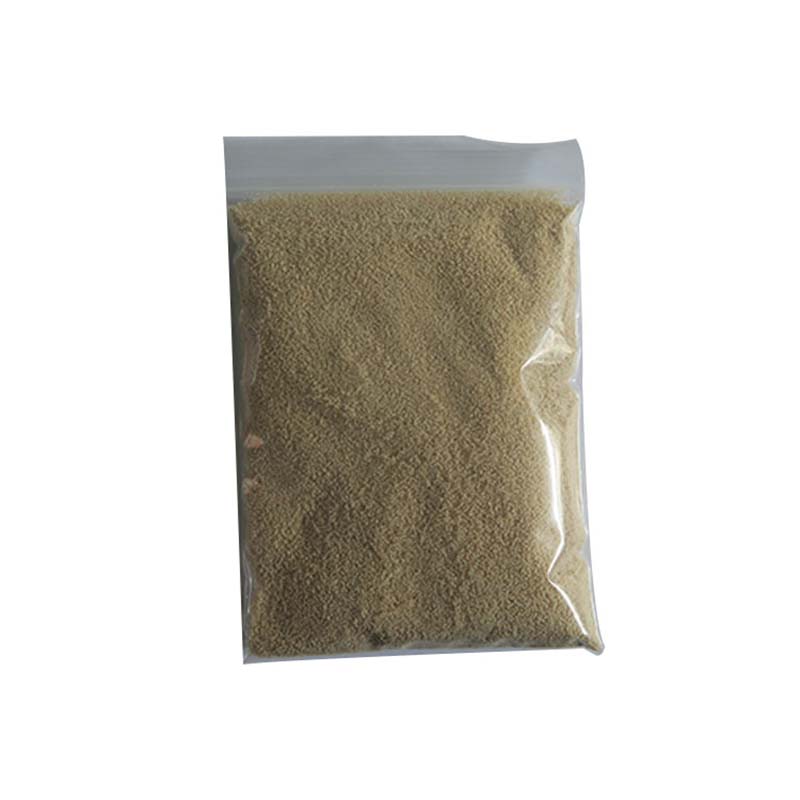
Technical Guide to HPMC Price and Industrial Performance
Selecting the right grade of Hydroxypropyl Methyl Cellulose (HPMC) is critical for manufacturers in the construction, detergent, and pharmaceutical sectors. As a non-ionic cellulose ether derived from natural polymer cellulose, HPMC serves as a multifunctional additive that balances viscosity, water retention, and workability in complex chemical formulations. For procurement managers, understanding the technical drivers behind HPMC price and performance is essential to optimizing production costs without sacrificing the structural integrity of the final product.
Whether you are formulating high-performance tile adhesives or specialized personal care lotions, the chemical purity and viscosity range of the cellulose ether directly impact the stability and adhesion of your materials. By focusing on specific technical parameters such as methoxy and hydroxyethyl content, businesses can achieve precise control over open time and slip resistance in building materials, ensuring a professional finish and reduced waste on the job site.

Technical Mechanisms of Cellulose Ether in Industrial Formulations
Hydroxypropyl methyl cellulose functions primarily through its ability to swell into a colloidal solution when introduced to water. This process creates a structured network that retains moisture, which is vital for the hydration of cement and gypsum binders. In the context of water retention, HPMC substantially reduces the loss of moisture into absorbing substrates. This ensures that binders have sufficient time for complete hydration, which directly translates to higher tensile adhesion strength in thin-bed mortars.
Beyond water management, the additive provides several critical physical characteristics:
- Thickening and Dispersing: Increases the viscosity of the aqueous phase, preventing the sedimentation of pigments in paints and coatings.
- Emulsifying Properties: Acts as a stabilizer in detergents and personal care products, ensuring a consistent texture in lotions and shampoos.
- Film Formation: Creates a protective barrier that enhances the durability of coatings and the stability of pharmaceutical tablets.
The effectiveness of these properties is governed by the degree of substitution of the cellulose backbone. Specifically, the balance between hydroxypropyl and methyl groups determines the solubility and the temperature at which the polymer gels, allowing manufacturers to customize the product for specific climatic conditions or application requirements.

Optimizing Construction Performance: Open Time and Slip Resistance
In the professional construction sector, the "open time" of a mortar—the period during which the adhesive remains tacky enough to allow for tile adjustment—is a key productivity metric. HPMC prevents rapid skin formation by maintaining a steady moisture level at the interface of the substrate and the tile. This long open time is indispensable for large-scale projects where precise alignment of heavy materials is required over extended periods.
Slip resistance is another critical factor, especially when applying heavy tiles (exceeding 50 kg) to vertical walls. By adjusting the concentration and grade of the cellulose ether, the mortar gains enough internal cohesion to support the weight of the tile without sagging. This reduces the need for mechanical supports and significantly increases the efficiency of the installation process.
Furthermore, in External Insulation and Finish Systems (EIFS), the use of high-quality HPMC improves workability. The reduction in stickiness and better leveling capabilities allow for the application of thick layers without compromising the flatness of the wall, which is essential for energy-efficient building envelopes.
Diversified Applications Across Chemical and Industrial Sectors
While construction is a primary driver, the versatility of HPMC extends into various other specialized industries. In the paint and coatings industry, it is used as a thickening agent and pigment suspension aid. This ensures that the paint maintains a consistent viscosity throughout its shelf life and provides a smooth, drip-free application on the surface.
In the detergent and personal care sector, HPMC's role as an emulsifying and dispersing agent is paramount. It helps in the manufacturing of shampoos and lotions by creating a stable, luxurious texture that is pleasant for the end-user while ensuring that active ingredients remain evenly distributed.
Other notable applications include:
- Ceramic and Cement Extrusion: Providing necessary lubricity and water retention during the high-pressure processing of ceramic bodies.
- Oil Drilling: Acting as a fluid loss additive to stabilize the wellbore and improve the transport of cuttings.
- Printing Inks: Controlling the flow and drying time of water-based inks for better precision in textile and paper printing.
HPMC Technical Specification and Performance Matrix
| Technical Parameter | Standard Range | Impact on Performance | Application Focus |
|---|---|---|---|
| Viscosity | 20,000 - 200,000 mpa.s | Controls flow and sag | Tile Adhesive / EIFS |
| Methoxy Content | 21% - 26% | Affects solubility/gel point | Coatings / Detergents |
| Hydroxyethyl Content | 7% - 12% | Influences water retention | Plasters / Renders |
| Purity | ≥ 99% | Ensures chemical stability | Pharmaceutical / Personal Care |
| Light Transmittance | ≥ 80% | Determines clarity in solution | Clear Coatings / Inks |
Strategic Procurement and Supplier Evaluation Criteria
When evaluating potential suppliers, procurement managers must look beyond the initial hpmc price and focus on the Total Cost of Ownership (TCO). A lower-cost powder that lacks consistency in viscosity can lead to batch failures in the factory, resulting in expensive downtime and wasted raw materials. Consistency is the hallmark of a professional manufacturer.
Key evaluation factors should include:
- Batch-to-Batch Consistency: Requesting retention samples and Certificates of Analysis (COA) for every shipment to trace variations.
- Customization Capability: The ability of the manufacturer to adjust viscosity and substitution levels to meet specific regional climate requirements.
- Quality Certifications: Ensuring the production facility follows standardized protocols for non-ionic cellulose ether synthesis.
Working with a manufacturer that integrates R&D with production, such as Peze Technology, allows for the development of customized solutions. Whether the goal is to increase the open time for a specific tile adhesive or to improve the clarity of a detergent, a technical partnership is more valuable than a simple transactional relationship.
Future Trends in Cellulose Ether Technology and Sustainability
The industry is shifting toward more sustainable building practices, placing a higher demand on the efficiency of chemical additives. The next generation of cellulose ethers is focusing on reducing the environmental footprint of production while increasing the performance of the end product. This includes developing grades that allow for lower dosage rates while maintaining high water retention, thereby reducing the overall chemical load in construction materials.
Furthermore, the integration of HPMC with other polymers, such as Re-dispersible Polymer Powder (RDP), is becoming the standard for high-performance mortars. This synergy enhances the flexibility and impact resistance of the material, meeting the rigorous standards of modern infrastructure projects.
As global regulations on VOCs (Volatile Organic Compounds) tighten, the role of water-based systems—supported by HPMC as a thickener—will expand. Manufacturers who invest in high-purity, non-toxic cellulose ethers will be best positioned to lead the market in the transition toward "green" chemistry and sustainable urban development.
Frequently Asked Questions About HPMC Applications
What is the primary function of HPMC in cement-based mortars?
HPMC acts as a water-retention agent and thickener. It prevents the mortar from drying too quickly by holding water within the mix, which allows the cement to hydrate fully and improves the overall adhesion strength to the substrate.
How does HPMC affect the "open time" of a tile adhesive?
By reducing the rate of water evaporation and skin formation, HPMC extends the period during which the adhesive remains wet and tacky. This allows installers more time to adjust tiles before the mortar sets.
Can HPMC be customized for different industrial needs?
Yes, the viscosity, methoxy content, and hydroxyethyl content can be adjusted during the etherification process to meet specific requirements for different applications, such as varying levels of thickening or solubility.
Is HPMC suitable for use in personal care products?
Yes, it is widely used as a thickening, dispersing, and emulsifying agent in lotions and shampoos due to its non-toxic nature and ability to create stable, clear colloidal solutions.
What should I check to ensure the quality of HPMC powder?
You should verify the viscosity range, purity levels, and light transmittance. It is also recommended to test free samples in your specific formulation to check for compatibility and performance consistency.
What payment and delivery terms do professional manufacturers typically offer?
Most manufacturers accept T/T, L/C, and Western Union, and offer flexible delivery terms such as FOB, CIF, CNF, and EXW to accommodate international shipping requirements.
Technical References and Industry Resources
- Research on Cellulose Ether Water Retention Mechanisms
- Standards for Polymer Viscosity Measurement
- International Standards for Chemical Purity
- American Chemical Society - Cellulose Derivatives Guide
For enterprises seeking to optimize their chemical formulations with high-performance cellulose ethers, focusing on technical specifications and manufacturer reliability is the most effective path to long-term success. By partnering with a technical expert, you can ensure your products meet the highest industry standards for durability and efficiency.
Related Industrial Insights