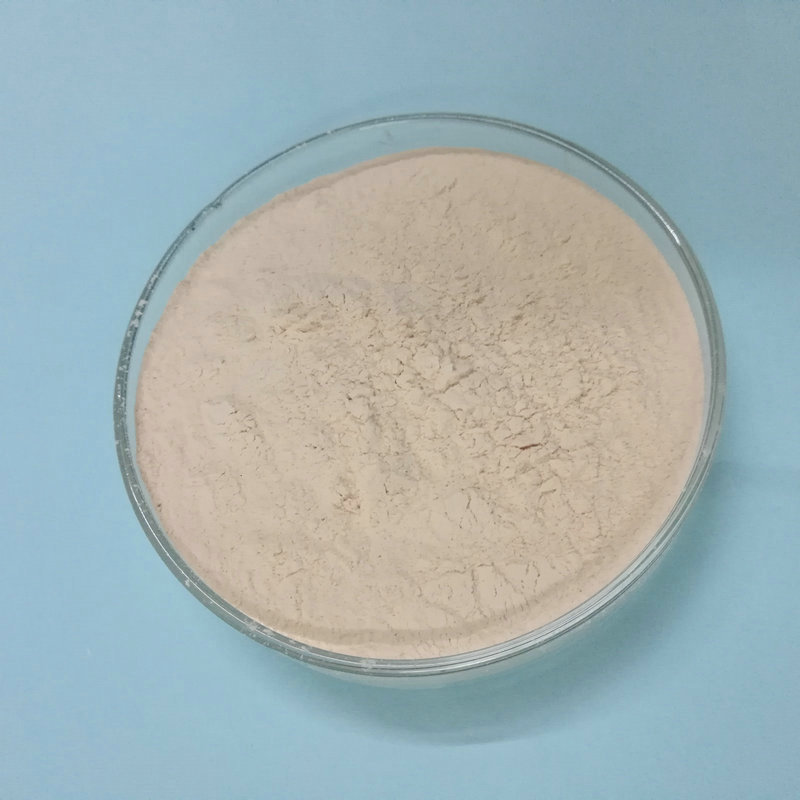
Product Overview
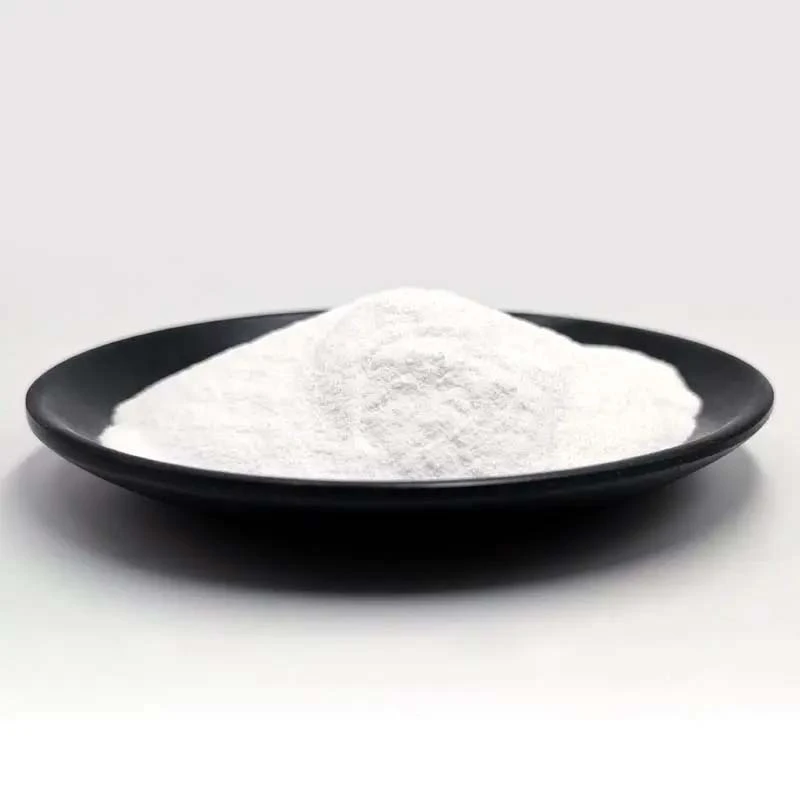
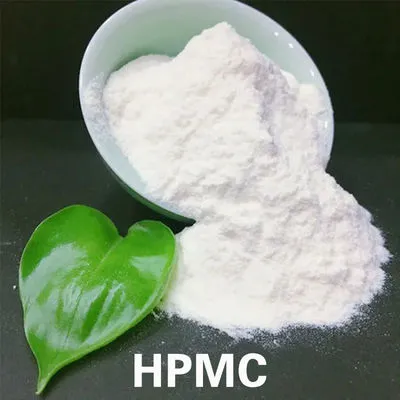
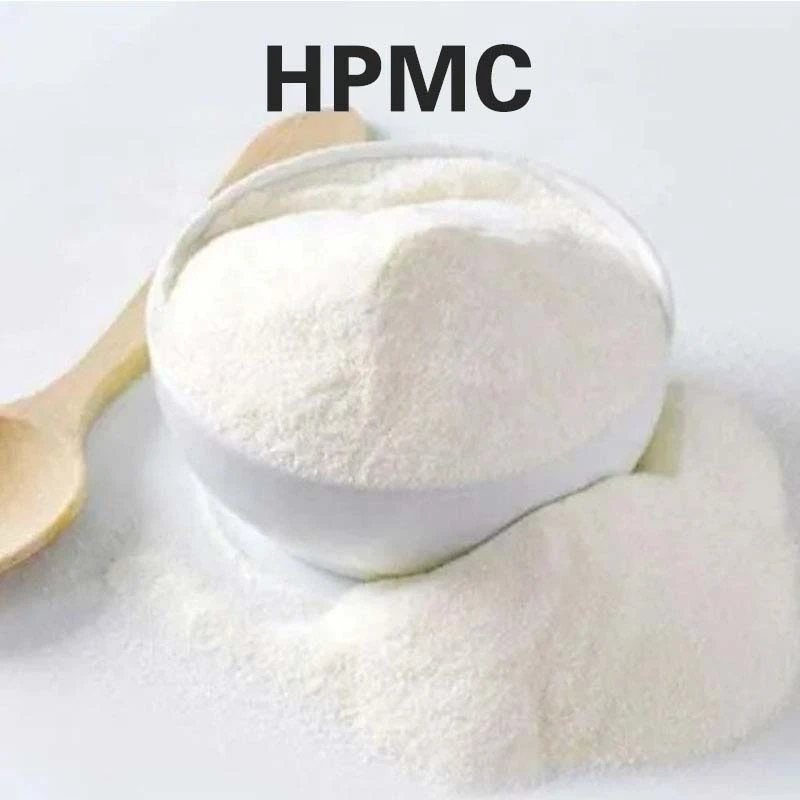
Our Premium Natural Printing Paste (CAS 9005-38-3) is a high-performance specialty chemical engineered specifically for the textile and printing industry. Designed to provide superior rheological properties, this 90% purity formulation ensures a professional-grade application that optimizes the binding and distribution of pigments on various fabric substrates.
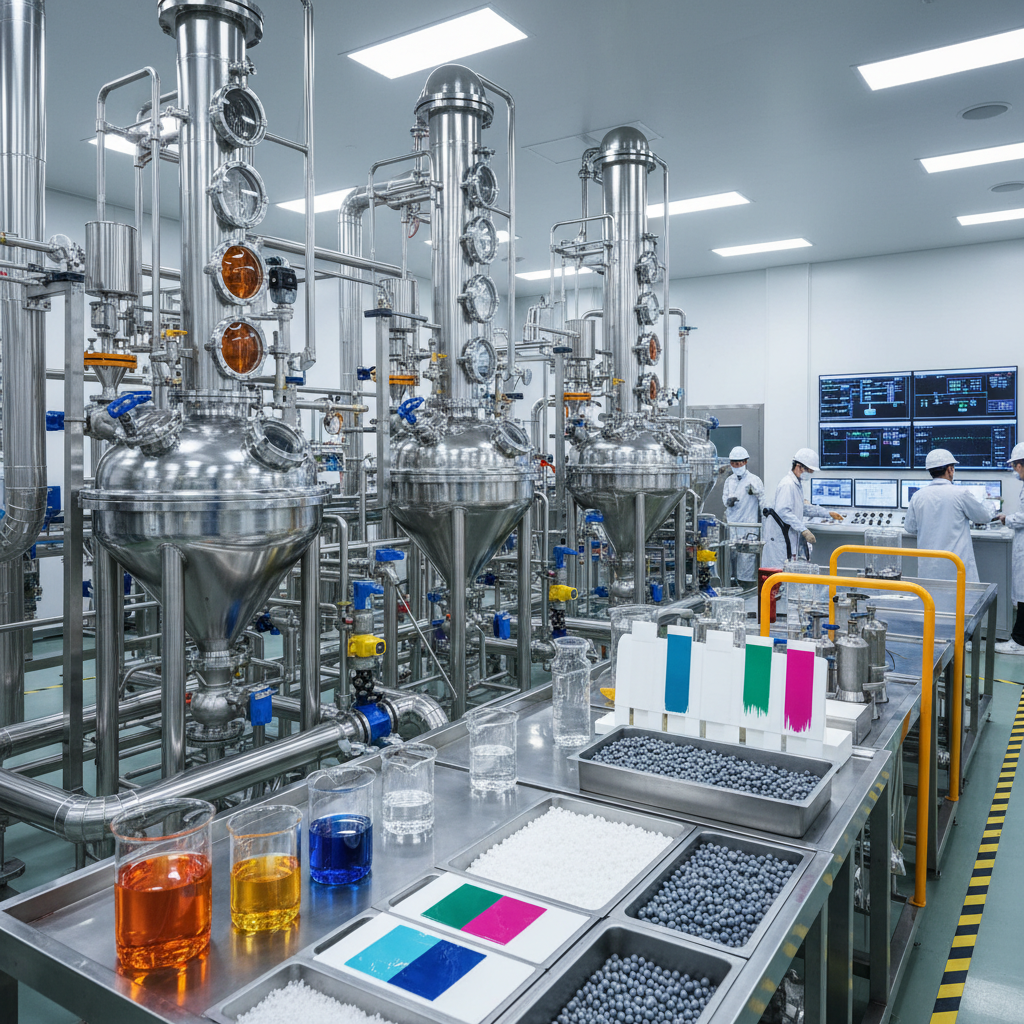
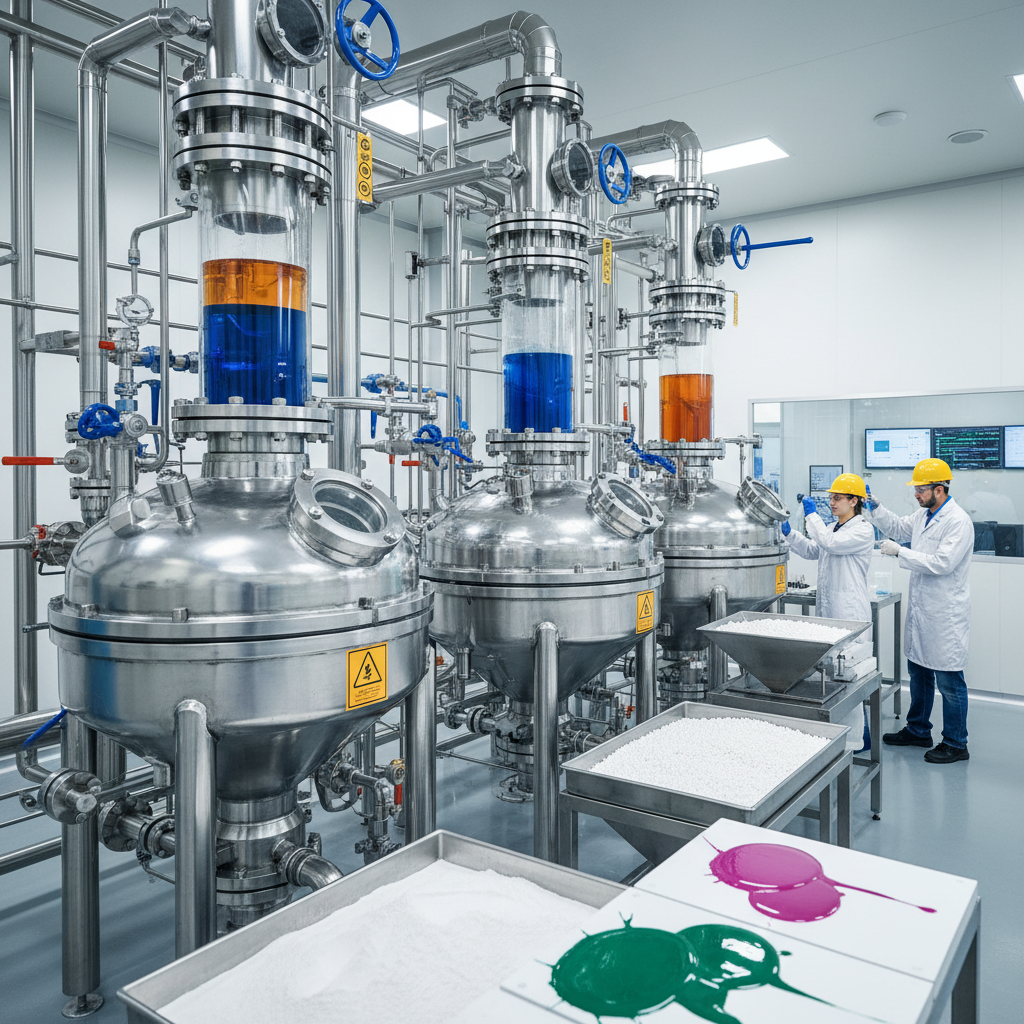
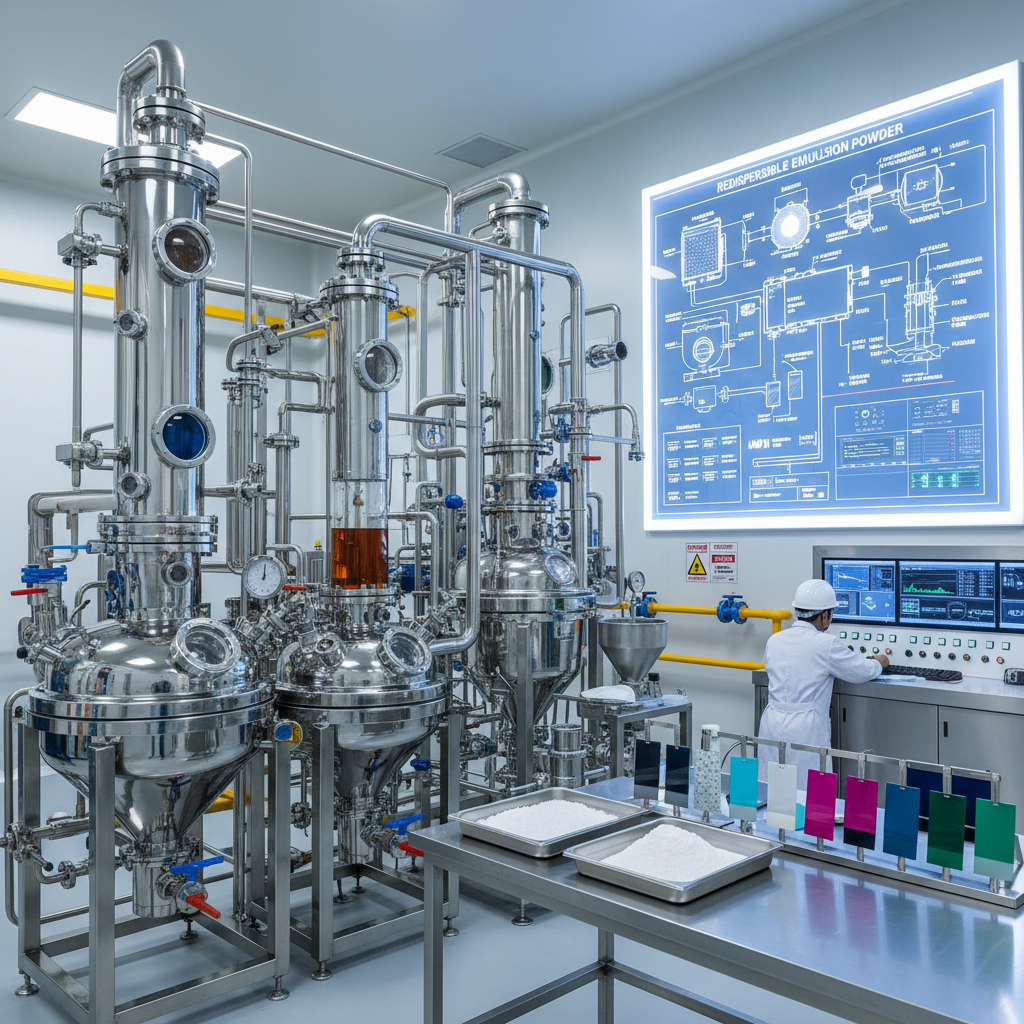
By leveraging advanced synthesis techniques in specialty chemical manufacturing, this printing paste offers an exceptional balance of viscosity and fluidity. It is specifically developed to replace traditional thickeners, providing a more stable and efficient printing process that enhances overall production yield and final fabric quality.
Detailed Parameters
| Product Name | Natural Printing Paste | CAS Number | 9005-38-3 |
|---|---|---|---|
| Purity Level | 90% Min | Chemical Category | Specialty Chemicals |
| Viscosity Profile | High Viscosity | Umumunyifu | Water Soluble |
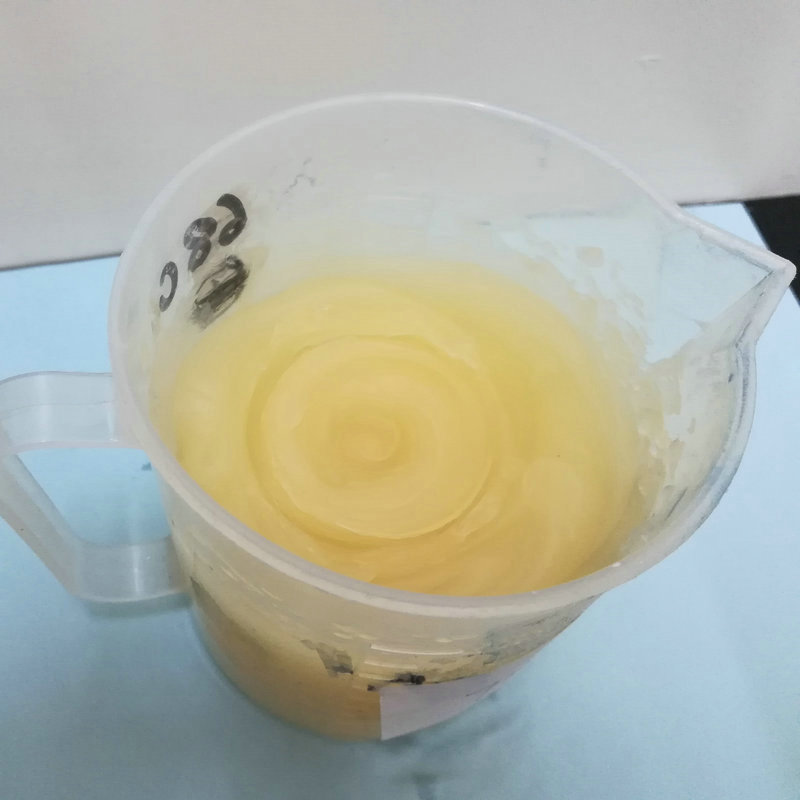
| Fluidity | Excellent Flow | Paste Rate | High Efficiency |
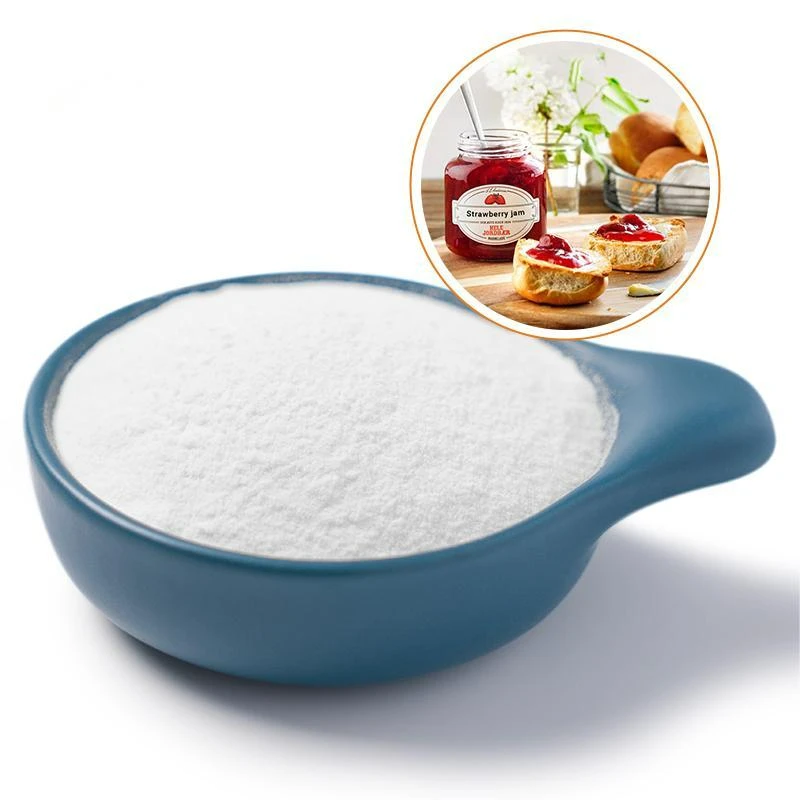
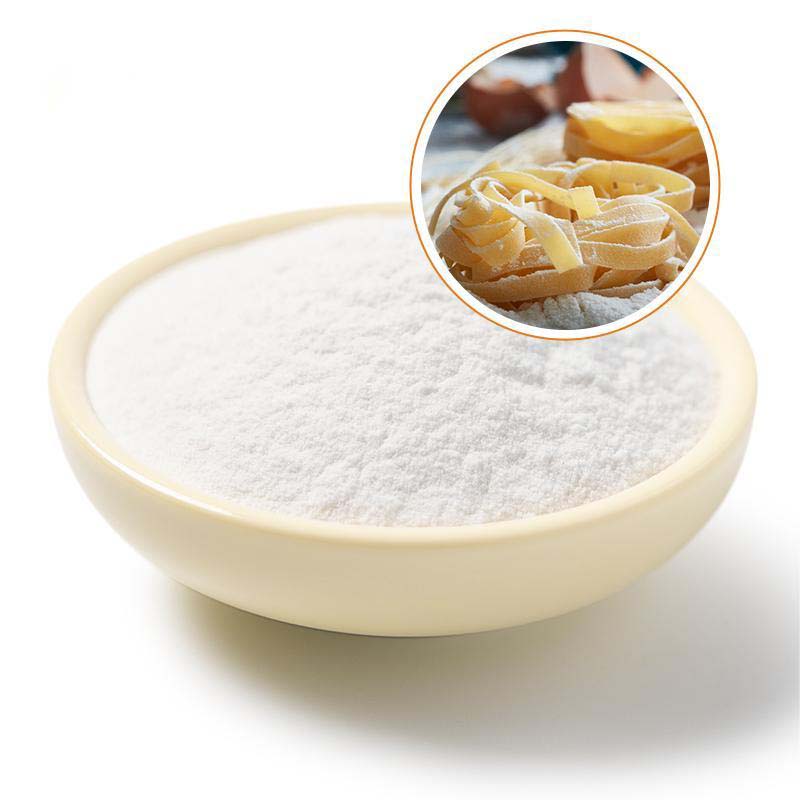
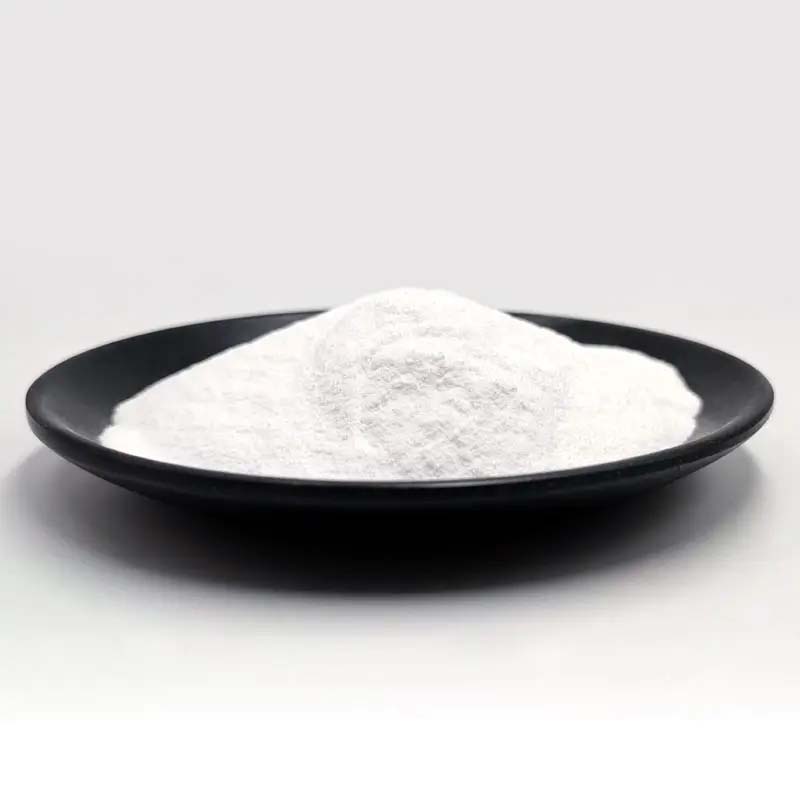
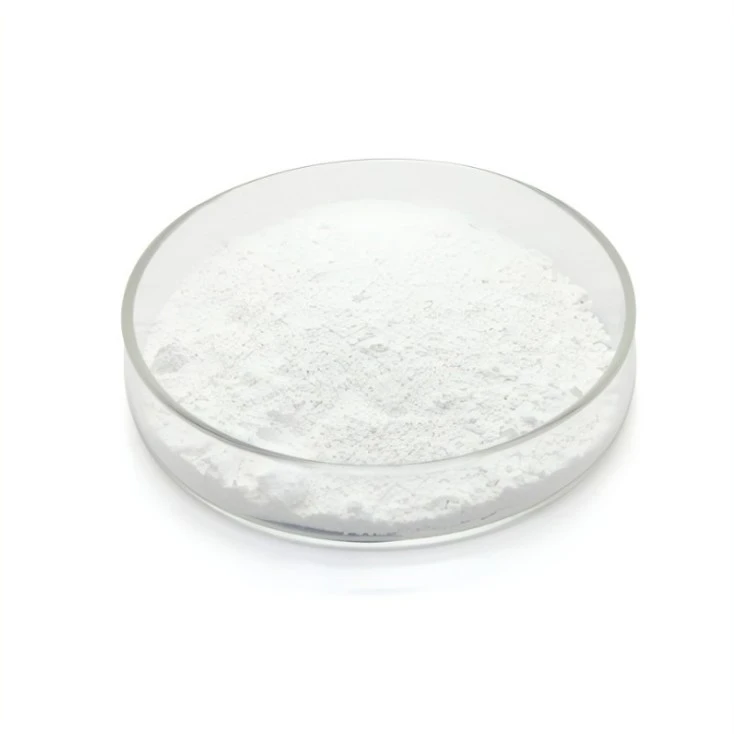
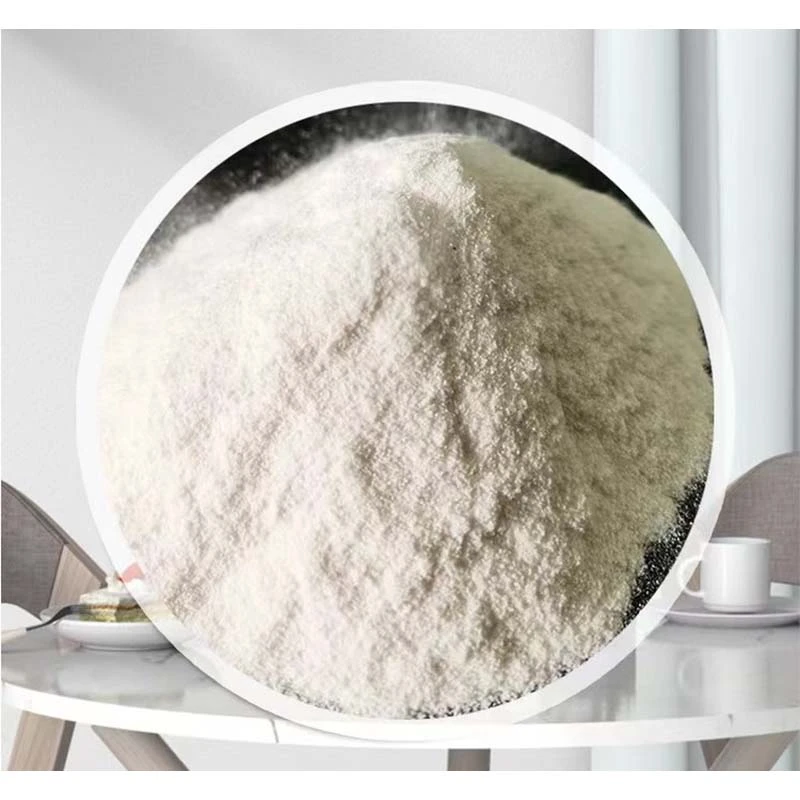
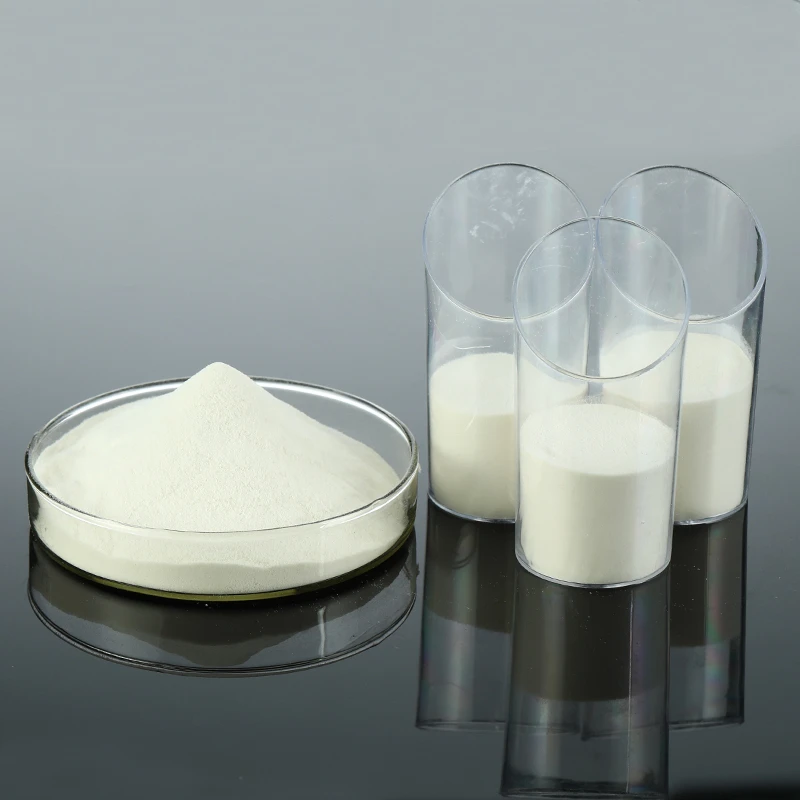
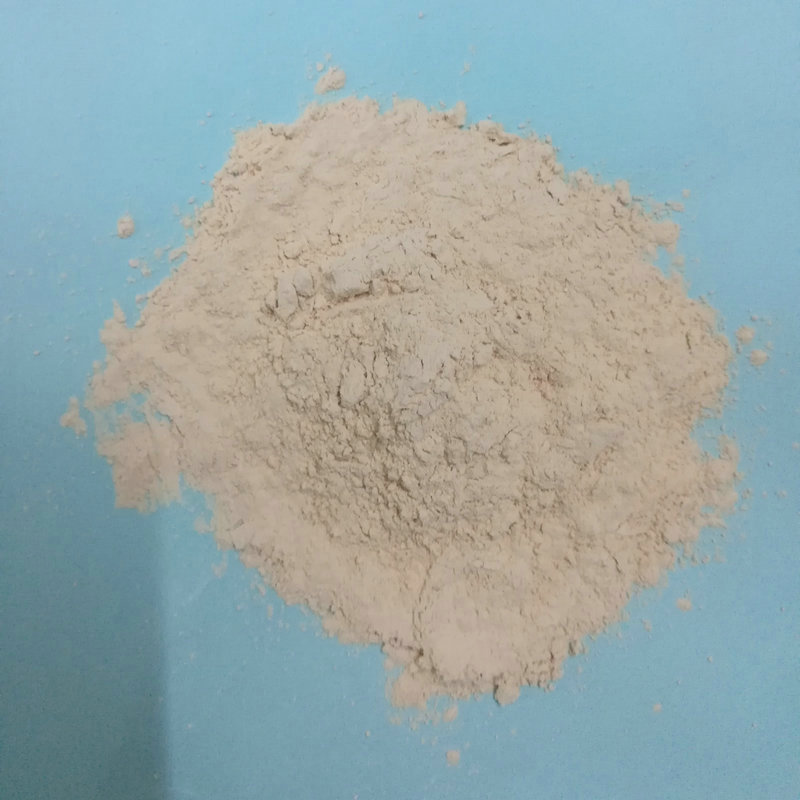
| Stability Period | 3 Months (Dry Powder) | Mwonekano | White/Off-white Powder |
Key Advantages
Superior Fluidity
Engineered for optimal flow, ensuring a uniform and consistent printing effect across all textile surfaces.
High Viscosity Stability
Maintains structural integrity with a remarkably low decrease rate in dry powder viscosity over 3 months.
Enhanced Color Yield
Delivers 10% higher color yield compared to traditional sodium alginate, ensuring more vibrant results.
High Paste Rate
Efficient thickening capabilities that reduce the amount of material required per batch of paste.
Uniform Distribution
Prevents pigment agglomeration, resulting in smooth, professional-grade prints without spotting.
Cost-Effective Performance
Combines high quality with a competitive price point to maximize your operational ROI.
Product Gallery
Management Platforms
Inventory Control
Real-time tracking of raw material stocks and batch numbers for full traceability.
Quality Assurance
Strict adherence to ISO standards with rigorous viscosity and purity testing.
Supply Chain Sync
Automated alerts for lead time management and shipment scheduling.
Technical Support
Direct access to chemical engineers for custom application guidance.
Logistics Hub
Global shipping infrastructure ensuring safe and timely delivery of chemical products.
Compliance Monitoring
Ensuring all shipments meet regional safety and environmental regulations.
Investment Return Comparison
| Metric | Sodium Alginate | Our Printing Paste |
|---|---|---|
| Color Yield | Standard | +10% Higher |
| Viscosity Stability | Medium | High (3 Mo Stable) |
| Application Rate | Average | Enhanced Efficiency |
| Print Uniformity | Variable | Consistent/Uniform |
| Cost Per Unit | Higher | Competitive/Optimal |
Frequently Asked Questions
Our printing paste offers a 10% higher color yield and superior viscosity stability, reducing material waste and improving print vibrancy.
It should be stored in a cool, dry environment. Our product is formulated to minimize viscosity decrease over a 3-month period when stored correctly.
Yes, its excellent fluidity and high paste rate make it suitable for a wide range of textiles, ensuring a uniform effect regardless of the substrate.
The product has CAS number 9005-38-3 and is supplied with a high purity level of 90%.
Absolutely. The high fluidity and stability are specifically designed to meet the demands of high-speed industrial textile printing.
A higher paste rate means less raw material is needed to achieve the desired viscosity, significantly reducing the cost per linear meter of fabric printed.