
এইচইসি (হাইড্রক্সি ইথাইল সেলুলোজ)
As a trusted manufacturer and exporter of Hydroxyethyl Cellulose (HEC), we deliver top-grade cellulose ether solutions tailored for construction, coatings, personal care, pharmaceuticals, and oilfield applications. Our HEC is engineered to provide superior thickening, water retention, and stability, ensuring optimal performance in your formulations.
Why Choose Our HEC for Your Business?
Exceptional Quality: Manufactured under strict GMP & ISO standards for consistent purity and performance.
Customized Solutions: Available in multiple viscosity grades to meet your specific industry needs.
Global Supply Chain: Reliable production capacity (40,000+ MT/year) ensures timely delivery worldwide.
Technical Support: Our R&D team provides formulation guidance & troubleshooting for your projects.
Competitive Pricing: Cost-effective solutions without compromising quality.
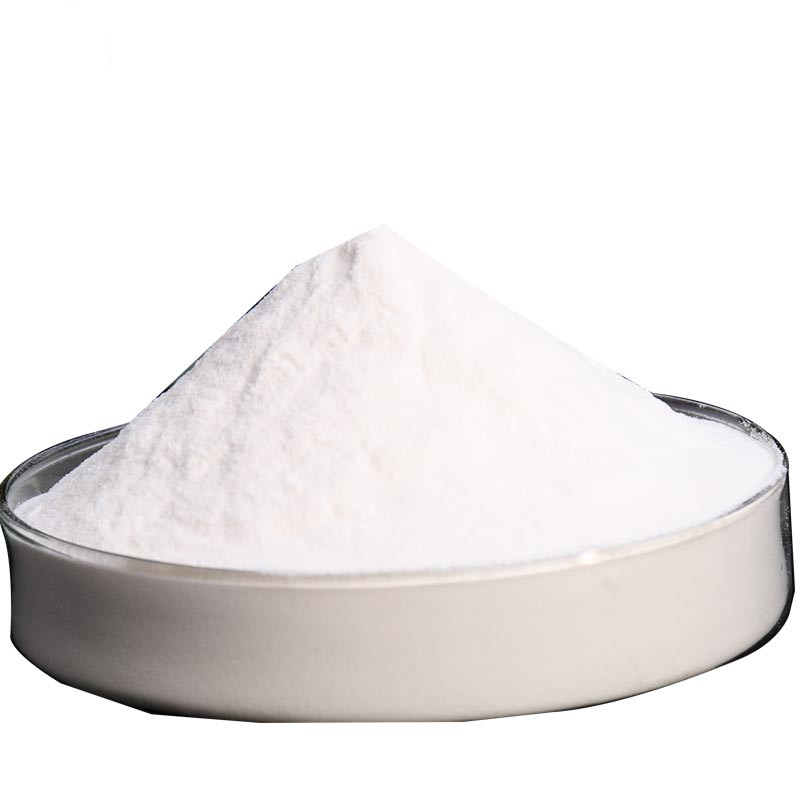
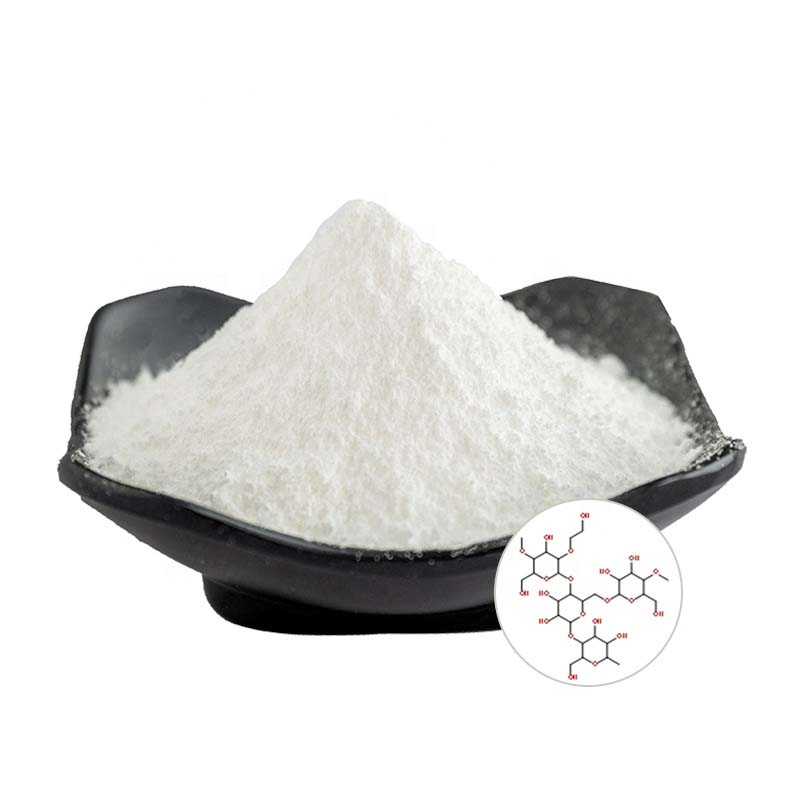
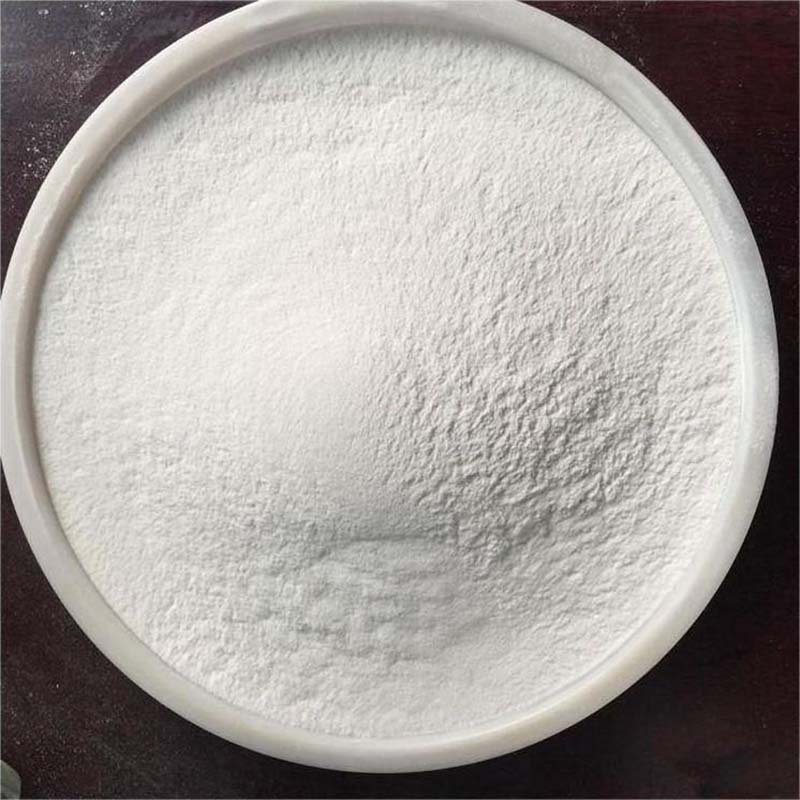
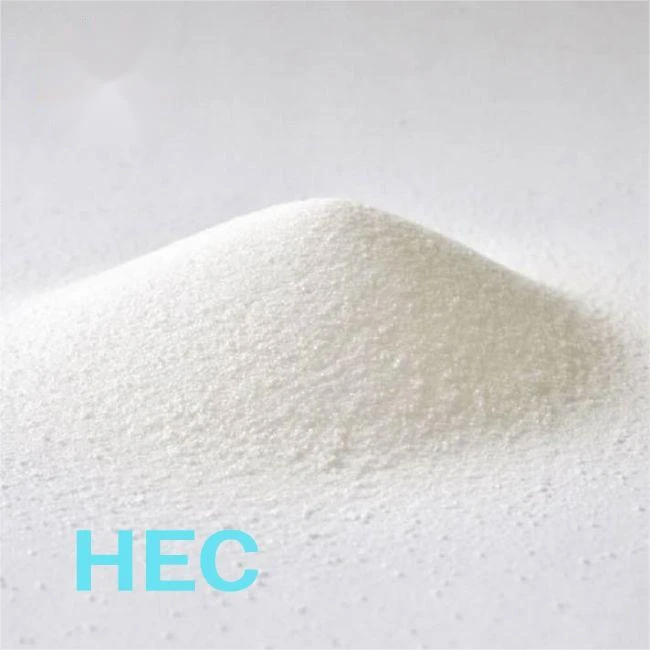
Uses of Powder Hydroxyethyl Cellulose (HEC)
Powder Hydroxyethyl Cellulose (HEC) is a versatile water-soluble polymer widely employed across multiple industries due to its exceptional thickening, stabilizing, and water-retention properties. In the construction sector, HEC serves as a crucial additive in cement-based products, where it significantly improves workability and prolongs open time while preventing premature moisture loss that could compromise curing. The material's pseudoplastic rheology makes it particularly valuable in tile adhesives and self-leveling compounds, where it maintains viscosity under low shear but allows easy application when worked.
Within the coatings industry, HEC functions as an efficient thickener for water-based paints, providing superior sag resistance during application while ensuring even pigment distribution and improved brushability. Its compatibility with various emulsion systems makes it a preferred choice for formulating stable architectural coatings with controlled viscosity profiles. The personal care industry extensively utilizes HEC in cosmetic formulations, where it enhances the texture of shampoos, lotions, and creams while providing desirable sensory characteristics without leaving residue.
Pharmaceutical applications benefit from HEC's non-toxic nature and controlled hydration properties, employing it as a binder in tablet formulations and viscosity modifier in ophthalmic solutions. The oilfield industry incorporates HEC in drilling fluids for its ability to control fluid loss and maintain wellbore stability. Across all applications, HEC demonstrates excellent salt tolerance and pH stability, performing reliably in formulations ranging from acidic to strongly alkaline environments. Its modified cellulose structure offers consistent performance with minimal impact from temperature variations, making it suitable for products exposed to diverse climatic conditions.
Key Advantages of Our HEC
Superior Rheology Control: Provides excellent viscosity adjustment in aqueous systems
Outstanding Water Retention: Maintains optimal moisture for consistent product performance
Salt Tolerance: Performs reliably in high-electrolyte formulations
pH Stability (2-12): Suitable for both acidic and alkaline environments
Thermal Stability: Maintains functionality across wide temperature ranges
Biodegradable & Eco-Friendly: Meets global sustainability requirements
Top Applications of HEC Hydroxyethyl Cellulose Across Industries
HEC Hydroxyethyl Cellulose is a highly versatile polymer widely used across multiple industries due to its excellent thickening, stabilizing, and water-retention properties. In the construction industry, HEC is commonly incorporated into cement, tile adhesives, and plaster to improve workability, water retention, and surface smoothness. In paints and coatings, it enhances viscosity, ensures uniform pigment suspension, and improves film formation for long-term stability.
In the personal care and cosmetics sector, HEC serves as a non-ionic thickener and stabilizer for shampoos, lotions, gels, and creams, providing smooth texture, consistent viscosity, and improved shelf life. In pharmaceuticals and food applications, HEC is used as a binder, stabilizer, or viscosity modifier in tablets, syrups, and other formulations. Additionally, in the oilfield and drilling sector, HEC functions as a viscosifier and fluid loss control agent in water-based drilling fluids.
PEZE offers high-quality HEC hydroxyethyl cellulose products suitable for all these applications, with consistent performance, customizable viscosity grades, and reliable supply. By choosing PEZE HEC, manufacturers across industries can optimize their formulations for enhanced efficiency, stability, and product performance.
How to Choose the Right Grade of HEC Hydroxyethyl Cellulose
Selecting the correct HEC hydroxyethyl cellulose grade is crucial for achieving optimal results in any formulation. HEC is available in low, medium, and high viscosity grades, each tailored for specific applications. Low-viscosity HEC is ideal for formulations requiring easy dispersion, minimal shear resistance, or low-thickening effects, such as light personal care products or thin coatings. Medium-viscosity grades are often used in paints, adhesives, and cosmetic gels, providing a balance between workability and stability. High-viscosity HEC offers strong thickening, superior film formation, and excellent water retention, making it suitable for heavy-duty construction materials, high-viscosity gels, or water-based drilling fluids.
Other factors to consider include solubility, molecular weight, degree of substitution, and application conditions such as temperature and pH. Selecting the appropriate grade ensures that HEC hydroxyethyl cellulose delivers optimal rheological behavior, stability, and functional performance. PEZE provides a wide range of HEC grades, allowing manufacturers to match viscosity and functional properties precisely to their product requirements, ensuring consistent quality and enhanced efficiency across industrial and personal care formulations.
HEC Hydroxyethyl Cellulose FAQs
1. What is HEC (Hydroxyethyl Cellulose)?
Hydroxyethyl Cellulose (HEC) is a non-ionic, water-soluble polymer derived from natural cellulose through an etherification process. It typically appears as a white or light-yellow powder and can dissolve in both cold and hot water to form a clear viscous solution. Its chemical structure gives it excellent thickening, water-retention, film-forming, emulsifying, and stabilizing properties, making it useful in many industrial and consumer formulations.
2. What are the main uses of HEC Hydroxyethyl Cellulose?
HEC is widely used across industries due to its multifunctional performance. Common applications include:
Paints and coatings: Improves viscosity, film formation, and stability.
Construction materials: Enhances water retention and workability of cementitious products.
Oil and gas: Acts as a viscosifier or fluid loss control agent in drilling fluids.
Personal care & cosmetics: Thickener and stabilizer in shampoos, lotions, and gels.
Pharmaceuticals & food: Binder and stabilizer in tablets and edible products.
3. Is Hydroxyethyl Cellulose safe to use?
Yes — HEC is generally considered non-toxic, non-irritating, and biodegradable. It is often recognized as safe by regulatory authorities for use in cosmetics and pharmaceutical formulations, and is widely accepted in global markets due to its excellent safety profile when used as intended. Rare allergic reactions may occur in very sensitive individuals.
4. How does HEC compare with other thickeners?
Unlike some thickeners that require pH adjustment to activate, HEC dissolves in water without neutralization and exhibits pseudoplastic behavior — meaning it can offer high viscosity at rest but shear-thin under mechanical stress, which benefits processing and application performance.
5. Can HEC Hydroxyethyl Cellulose be used in both hot and cold water?
Yes — one of HEC’s advantages is its ability to dissolve and hydrate in both cold and hot water without gelling prematurely. This makes it very flexible in manufacturing processes across different industries.
6. Are there any handling or storage considerations?
When stored, HEC should be kept in a cool, dry environment and away from strong oxidizers. As a fine powder, dust control is recommended during handling to prevent respiratory irritation or dust cloud hazards.
7. Does Hydroxyethyl Cellulose have an “active ingredient”?
HEC’s performance does not depend on a traditional pharmacologically active ingredient. Its functional role arises from its intrinsic molecular structure, which enables thickening, stabilizing, emulsifying, and film-forming behavior in formulations.