Sourcing high-performance cellulose ethers requires more than just finding a vendor; it demands a partnership with specialists who understand the delicate balance of viscosity and water retention. When evaluating hpmc manufacturers in china, procurement managers must look beyond the surface price to examine the consistency of the polymer chain and the purity of the raw materials used in synthesis.
The global construction and coating industries rely heavily on Hydroxypropyl Methyl Cellulose (HPMC) to ensure the workability of mortars and the stability of paints. As a non-ionic cellulose ether, HPMC serves as a critical additive that prevents sagging and ensures uniform distribution of components, making the selection of a reliable Chinese manufacturer a strategic decision for quality control.
This guide analyzes the technical benchmarks, procurement risks, and selection criteria necessary to identify a supplier capable of delivering stable, industrial-grade cellulose solutions that meet international standards such as ISO and SGS.

Navigating the Landscape of HPMC Production in China

China has evolved into the global hub for cellulose ether production, transitioning from basic volume output to high-precision specialty chemicals. The region's capacity to integrate raw material sourcing with advanced etherification processes allows manufacturers to offer a wide spectrum of viscosity grades tailored for diverse industries.
For a B2B buyer, the challenge lies in distinguishing between general-purpose factories and technical manufacturers. The latter, such as those focusing on non-ionic cellulose ethers and redispersible polymer powders (RDP), employ professional R&D teams to customize substitution levels and molar ratios, which directly affect the open time and hydration speed of the final product.
Understanding the regional clusters in provinces like Hebei allows buyers to optimize logistics while ensuring they are dealing with entities that have the scale to maintain an annual output of tens of thousands of metric tons, ensuring supply chain security during market volatility.
Technical Benchmarks for High-Grade Cellulose Ethers
The performance of HPMC is primarily dictated by its chemical purity and the distribution of its hydroxypropyl and methyl groups. High-grade cellulose ethers must exhibit excellent water retention, which prevents the premature drying of cementitious materials and ensures that chemical reactions occur fully within the substrate.
Beyond viscosity, the pH stability and ash content serve as critical quality markers. A low ash content indicates a more refined purification process, which reduces the risk of contamination in sensitive applications like cosmetics or high-end waterborne coatings. Non-ionic properties ensure that the product remains stable across a wide pH range and exhibits high salt tolerance.
Manufacturers who support OEM customization can adjust these parameters to match specific regional climate conditions—for instance, increasing water retention for hot, arid environments to prevent cracking in exterior wall plasters.
Industrial Application Scenarios for HPMC and HEC
In the construction sector, HPMC is indispensable for tile adhesives and wall putties, where it prevents the "slumping" of the material and improves the bond strength. By regulating the water release rate, it ensures that the adhesive maintains a consistent contact area with the surface, significantly reducing the likelihood of debonding.
In the coatings industry, Hydroxyethyl Cellulose (HEC) is often preferred as a thickener for latex and emulsion paints. HEC provides superior color suspension and prevents layering, ensuring that the paint maintains a uniform viscosity during storage and application. This is particularly evident in real-stone paints, where HEC prevents powder spatter and enhances the overall adhesiveness of the decorative finish.
Additionally, these polymers find critical use in oil drilling muds. Here, the lubrication and thickening properties of HEC help cool drilling bits and increase the rock-carrying capacity of the mud, demonstrating the versatility of cellulose ethers from building sites to deep-earth exploration.
Analyzing Polymer Performance and Viscosity Stability
Measuring the effectiveness of an HPMC additive requires a comparison between standard grade materials and optimized, high-purity formulations. The primary goal is to maximize the thickening effect while minimizing the amount of additive required, thereby optimizing the overall cost of the formulation.
When analyzing the data, the focus is usually on the retention of viscosity under shear stress and the speed of dispersion. Higher purity polymers generally disperse faster in water-based mediums even under low shear conditions, reducing mixing time and energy consumption in industrial production lines.
hpmc manufacturers in china Performance Metrics
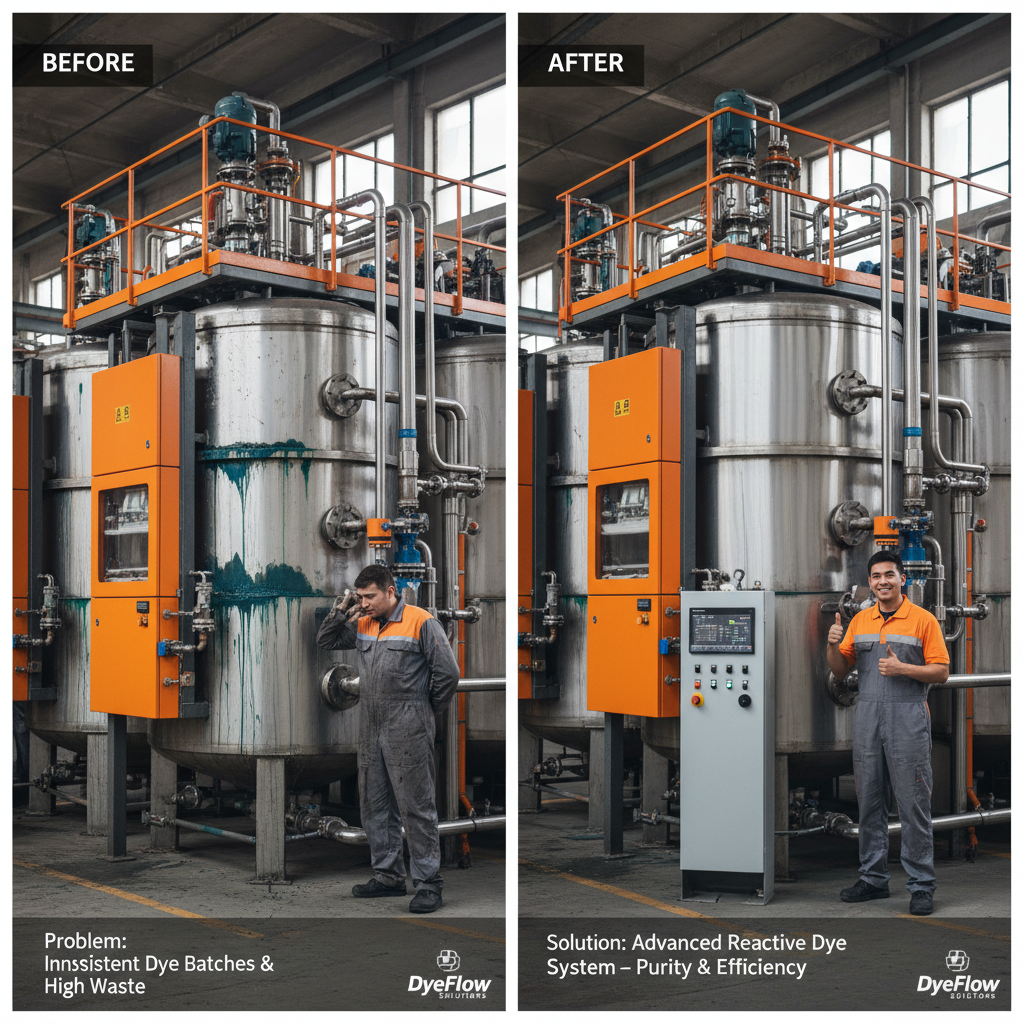
As shown in the performance metrics, optimized cellulose ethers provide a more stable viscosity curve and superior water retention compared to industry averages. This stability is crucial for manufacturers of pre-mixed mortars who cannot afford batch-to-batch variations that would alter the setting time of their products.
Strategic Procurement and Supplier Evaluation Framework
Procuring from overseas requires a rigorous verification process. Buyers should not rely solely on product data sheets; instead, they should request samples for independent lab testing to verify the viscosity (measured in m.Pas) and moisture content. A moisture level exceeding 6% can lead to clumping and inconsistent mixing in the final application.
Certification is another non-negotiable factor. Compliance with ISO and SGS standards ensures that the manufacturer follows a structured quality management system. For those in the construction industry, ensuring the product is compatible with RDP-VAE (Redispersible Polymer Powder) is essential for achieving a synergistic effect on flexibility and adhesion.
Furthermore, logistical capabilities, such as the ability to provide standard 25kg bags or 600kg pallets, and support for DHL/FedEx sample shipping, indicate a manufacturer's readiness for international trade and their commitment to customer service.
Future Directions in Specialty Chemical Additives
The industry is shifting toward "intelligent" cellulose ethers that can respond to environmental triggers. There is an increasing demand for additives that can maintain high performance while reducing the overall carbon footprint of the manufacturing process, focusing on more sustainable etherification agents.
We may see a rise in the integration of HPMC with new bio-based polymers to enhance the biodegradability of construction materials without sacrificing structural integrity. This trend is likely to be driven by stricter environmental regulations in the EU and North American markets, pushing Chinese manufacturers to innovate in "green chemistry."
Additionally, the move toward digitalization in the chemical industry could allow for more precise "digital twinning" of product formulations, where manufacturers can simulate the performance of a specific viscosity grade in a customer's unique formulation before the physical product is even shipped.
Comparative Selection Guide for Cellulose Manufacturers
Selecting the right grade of cellulose ether depends entirely on the intended end-use. A product optimized for oil drilling is fundamentally different from one designed for high-end cosmetics, primarily in terms of purity levels and the specific chemical modification of the cellulose backbone.
The following table outlines the decision matrix for selecting different cellulose products based on the primary functional requirement of the application.
| Product Type | Primary Function | Critical Parameter | Typical Application |
|---|---|---|---|
| HPMC Standard | Water Retention | Viscosity Stability | Cement Mortar |
| HEC High Purity | Thickening/Gelling | Dispersion Rate | Latex Paints |
| MHEC Grade | Open Time Control | Thermal Gel Point | Tile Adhesive |
| HPS Ether | Binding/Adhesion | Starch Content | Gypsum Plaster |
| RDP-VAE | Flexibility | Polymer Content | External Insulation |
| CMC Industrial | Stabilization | Substitution Degree | Detergents/Food |
Ultimately, the goal is to find a manufacturer like Peze Technology that provides not just a chemical powder, but a comprehensive solution including technical support and customized grades to ensure the end-product performs optimally under real-world conditions.
Frequently Asked Questions
Conclusion
Selecting among the many hpmc manufacturers in china requires a shift from a price-centric approach to a performance-centric strategy. The stability of a construction project or the quality of a paint finish depends on the microscopic consistency of the cellulose ether additive, making rigorous technical evaluation and supplier auditing essential.
For companies seeking reliable, industrial-grade HPMC, HEC, and RDP solutions, reviewing the technical capabilities and product ranges available through www.pezetech.com can provide the necessary foundation for a secure and high-performing supply chain.