
Blog
-
 In the modern construction and chemical industry, VAE powder (Vinyl Acetate Ethylene Redispersible PRead more
 -
 China has become a global hub for the production of hydroxypropyl methylcellulose (HPMC), supplyingRead more
 -
 In modern construction materials, redispersible polymer powder (RDP) has become an essential additivRead more
 -
 In the modern chemical landscape, the quality of your adhesive or coating depends heavily on the purity and stability of your raw materials. Partnering with professional vae emulsion manufacturers is critical for businesses aiming to optimize production efficiency and product longevity. Vinyl Acetate Ethylene (VAE) emulsions offer a versatile, eco-friendly alternative to traditional binders, providing exceptional flexibility and adhesion. Whether you are in the construction, textile, or packaging industry, understanding the technical nuances of VAE production ensures you select a supplier that meets international quality standards. In this guide, we will explore how to evaluate manufacturers and the technical advantages of high-grade VAE emulsions.Read more
 -
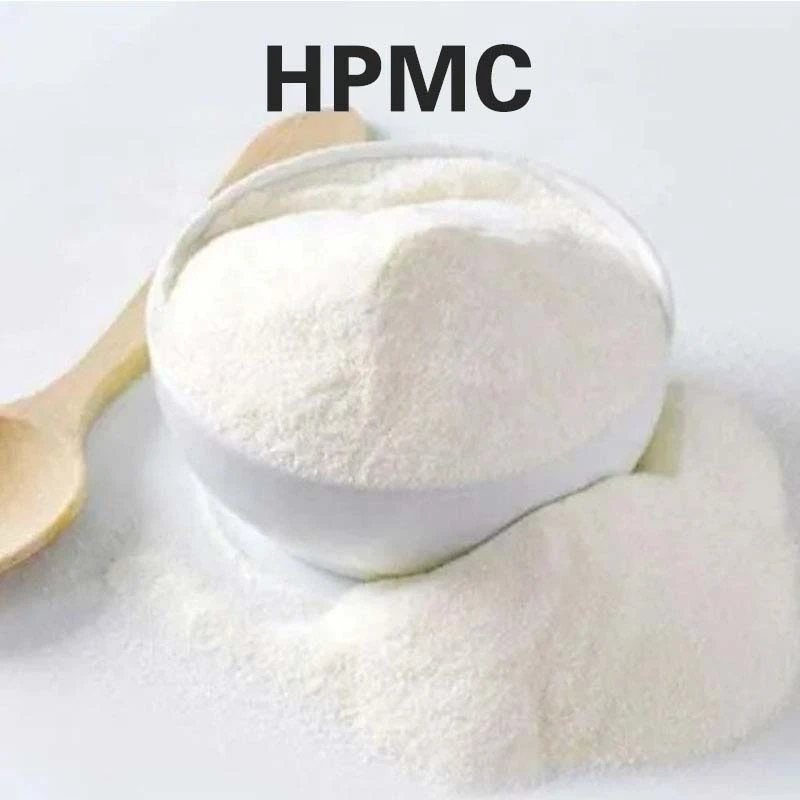 Hydroxypropyl Methylcellulose (HPMC), also known as hypromellose, is a highly versatile cellulose etRead more
 -
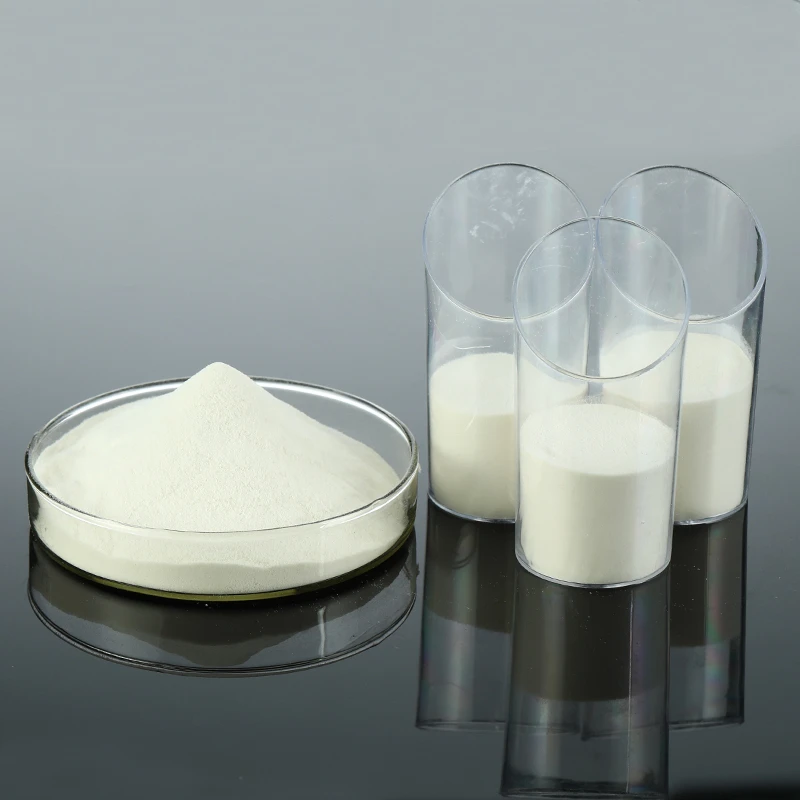 Hydroxypropyl Methylcellulose (HPMC) powder is one of the most versatile cellulose ethers used in moRead more
 -
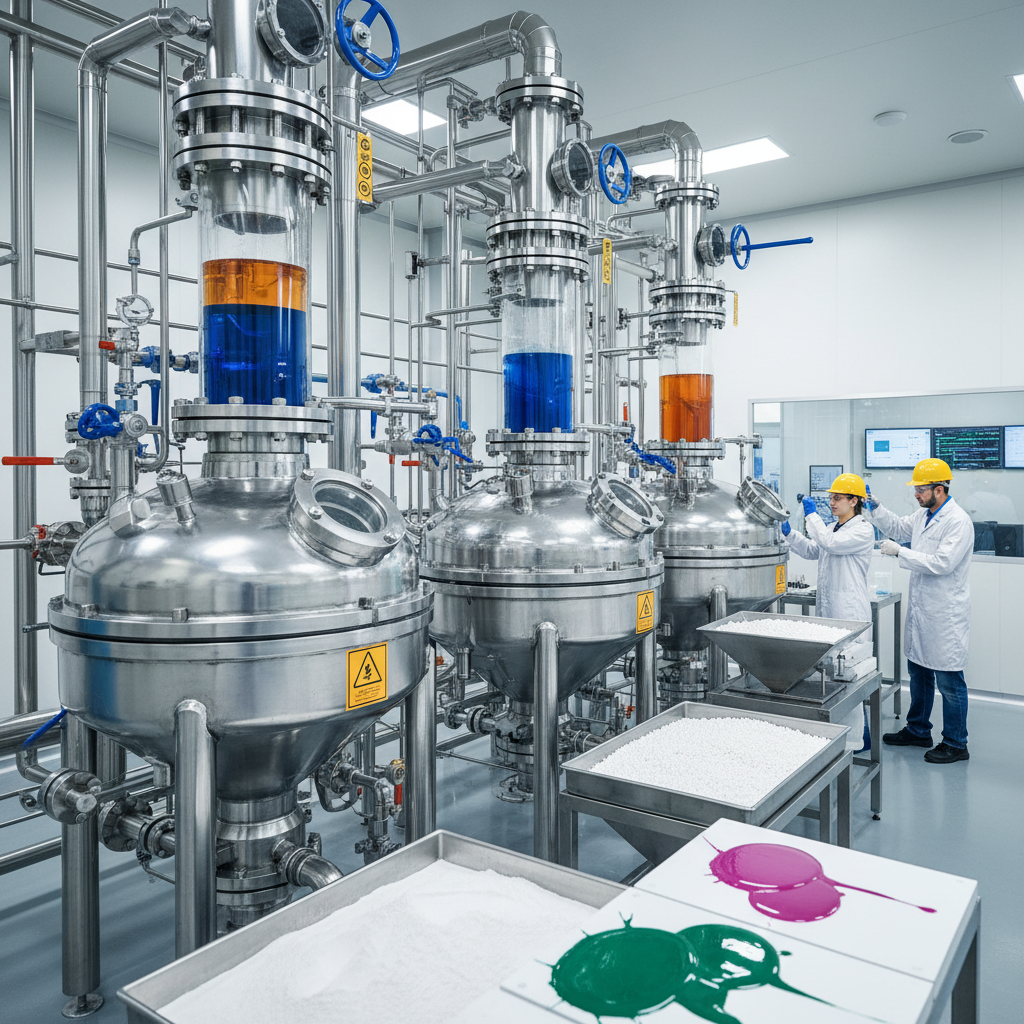 In the world of industrial adhesives and coatings, vae emulsion (Vinyl Acetate Ethylene) has emerged as a cornerstone material due to its exceptional flexibility and environmental friendliness. As industries shift toward sustainable, low-VOC (Volatile Organic Compound) solutions, vae emulsion provides a perfect balance of strength and elasticity. Whether used in construction, packaging, or textile processing, this copolymer emulsion ensures high-performance bonding and coating properties. In this guide, we will explore the technical intricacies, diverse applications, and comparative advantages of VAE emulsions to help you make an informed choice for your production needs.Read more
 -
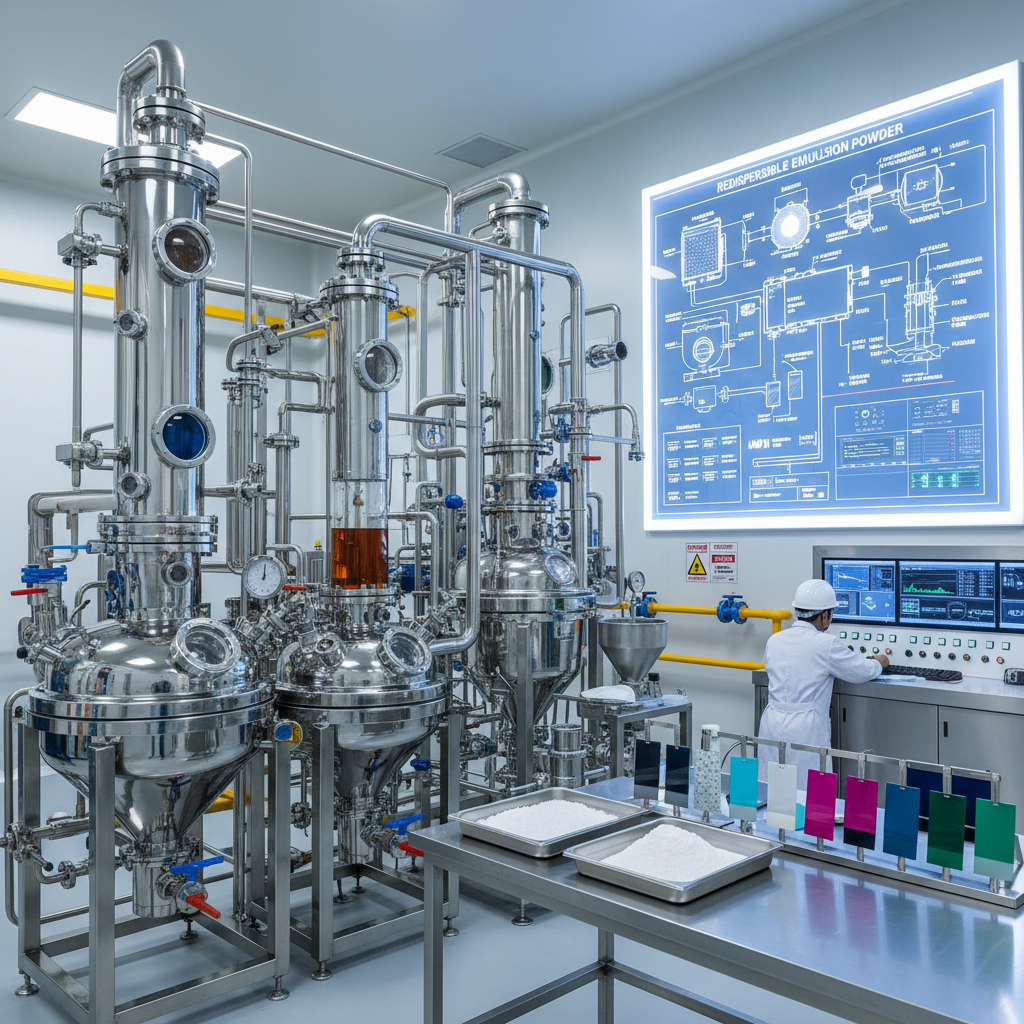 Redispersible emulsion powder (RDP) is a vital ingredient in a wide range of construction materials, enhancing their performance and durability. This versatile powder, when mixed with water, forms a film that improves adhesion, flexibility, and workability. Understanding its properties and applications is key for professionals in the building industry. This article provides an in-depth look at RDP, covering its composition, benefits, applications, and how to select the right product for your specific needs.Read more
 -
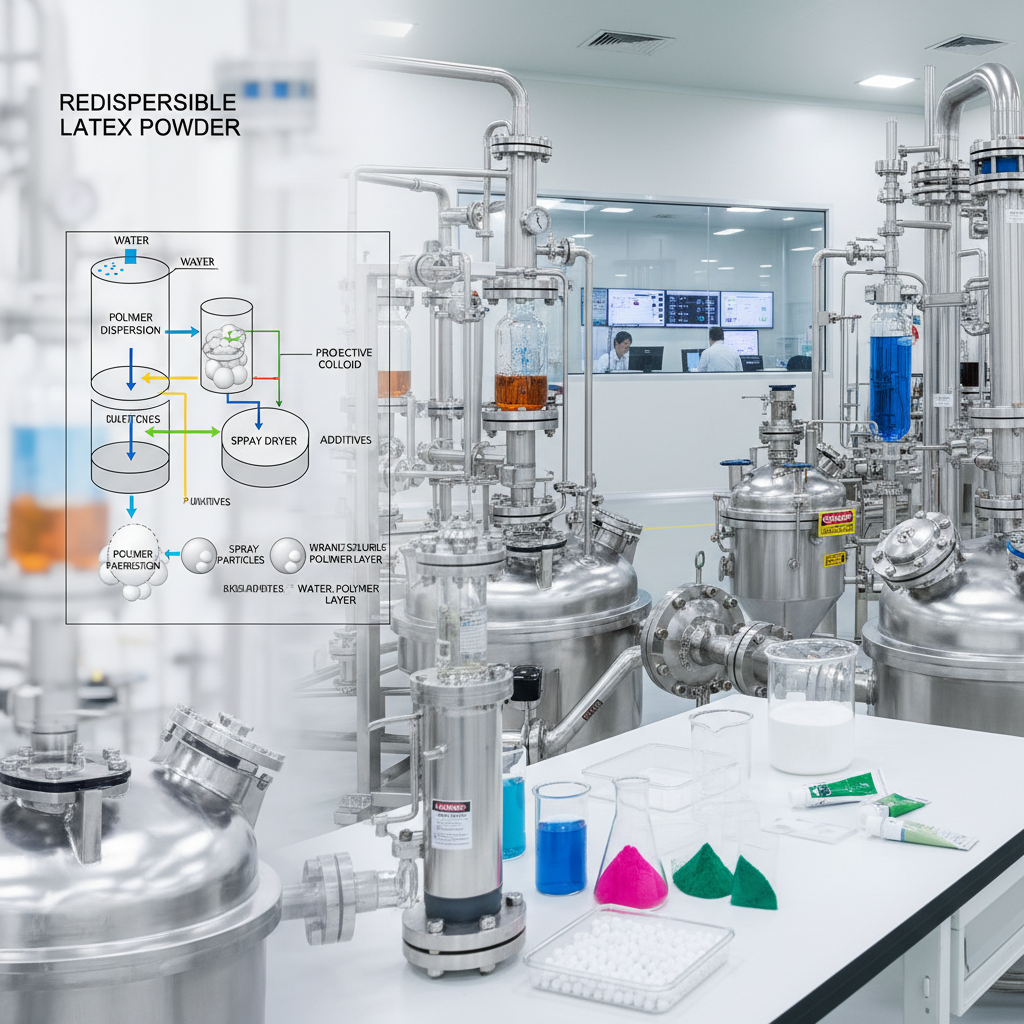 Redispersible latex powder is a crucial additive in numerous construction and industrial applications. This versatile polymer powder enhances the performance of cement-based products, offering improved adhesion, flexibility, and workability. This article will provide an in-depth look at redispersible latex powder, its properties, applications, benefits, and factors to consider when selecting the right product. We'll explore how Pezetech’s redispersible latex powders are leading the way in quality and innovation.Read more
 -
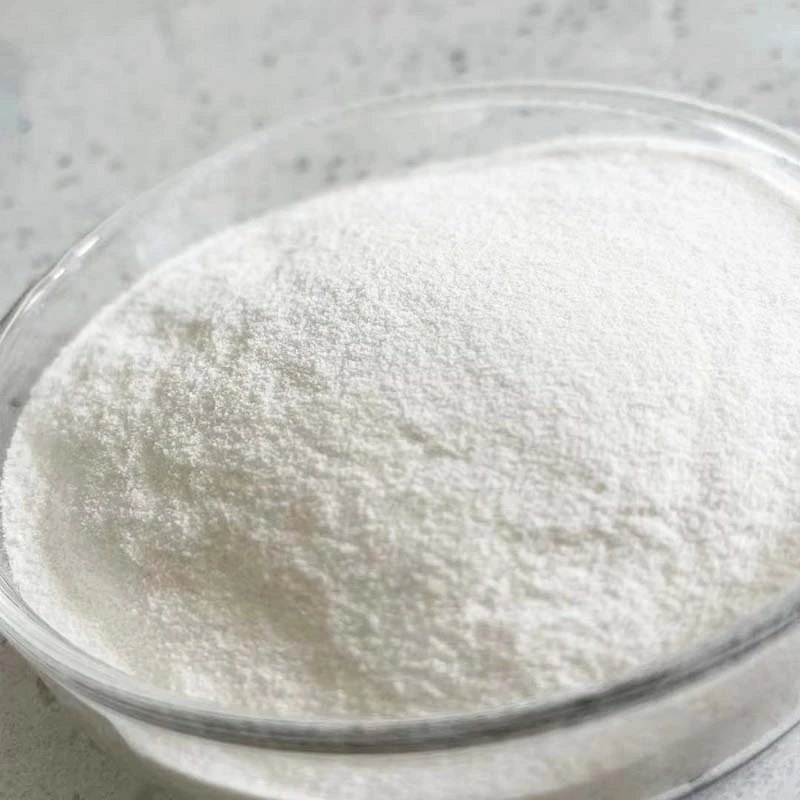 Polyvinyl alcohol (PVA) powder has become an essential material across a wide range of industries duRead more
 -
 Sodium carboxymethyl cellulose (often abbreviated as CMC or sodium CMC) is oneRead more
 -
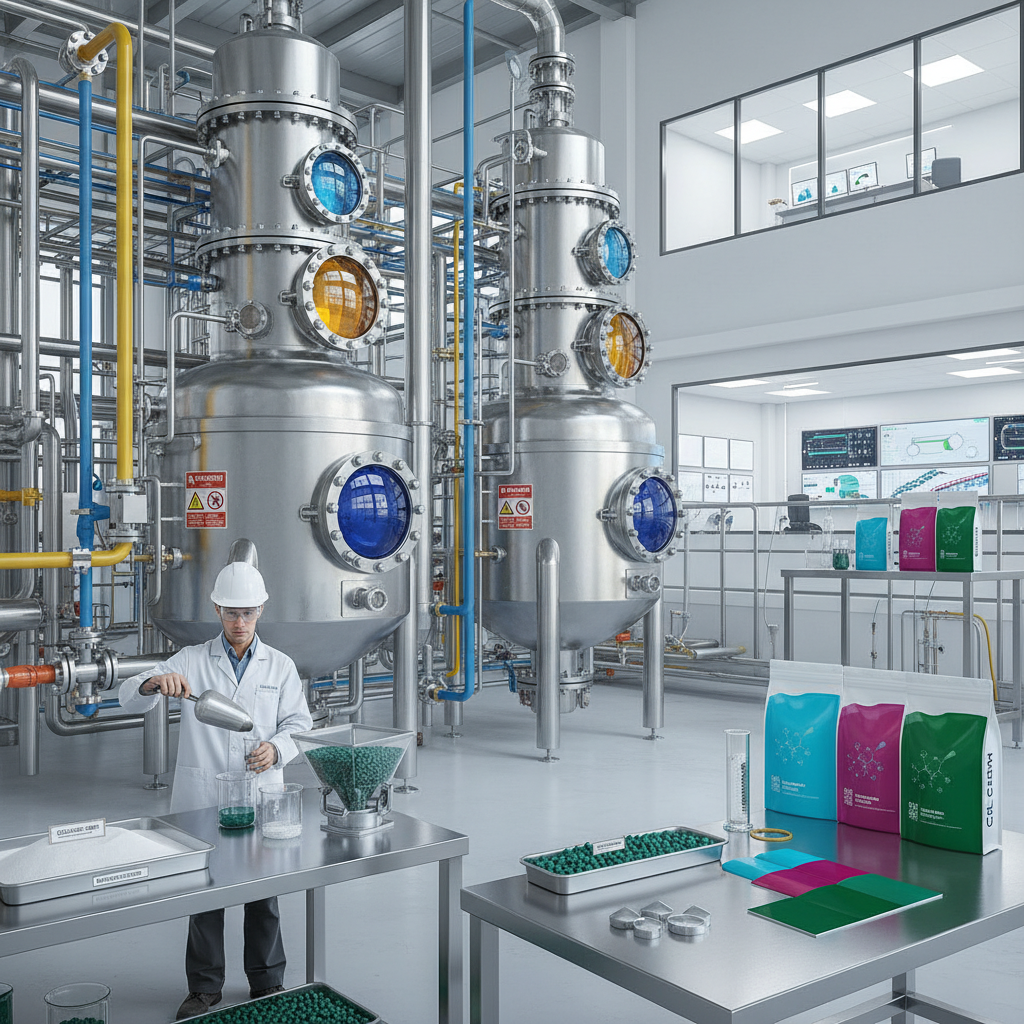 Redispersible polymer powder (RDP) is a vital additive in a wide range of construction materials, enhancing their performance and workability. This versatile powder, when mixed with water, forms a film that improves adhesion, flexibility, and water resistance. From tile adhesives to external thermal insulation composite systems (ETICS), RDP plays a crucial role in modern building practices. Understanding the diverse redispersible polymer powder uses is essential for professionals in the construction industry.Read more