
RDP-VAE (Redispersible Polymer Powder)
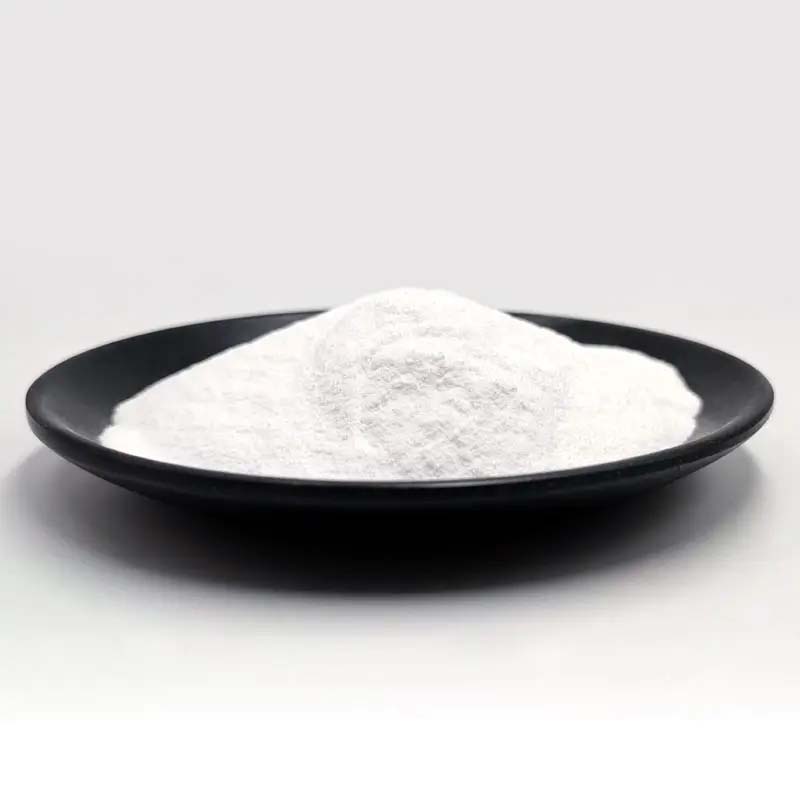
Redispersible polymer powders (RDP) are free-flowing, white powders made by spray-drying synthetic polymer emulsions, typically based on vinyl acetate-ethylene (VAE), acrylic, or styrene-butadiene copolymers. These powders can instantly redisperse in water, reforming a stable emulsion that enhances the performance of cementitious and gypsum-based materials. When incorporated into dry-mix mortars, RDP forms a flexible polymer film upon curing, improving adhesion, flexibility, water resistance, and durability. The key advantage of RDP is its ability to combine the benefits of liquid polymer dispersions with the convenience of a dry powder, making it ideal for construction applications where storage stability and ease of use are critical.
How Is Redispersible Polymer Powder Made?
Redispersible polymer powder is produced through a spray-drying process. First, a polymer emulsion (such as VAE or acrylic) is synthesized through emulsion polymerization. The liquid emulsion is then mixed with protective colloids (like polyvinyl alcohol, PVA) to prevent particle coagulation during drying. This mixture is fed into a spray dryer, where it is atomized into fine droplets and exposed to hot air, evaporating the water and leaving behind solid polymer particles. Anti-caking agents (such as silica or clay) are added to ensure the powder remains free-flowing and stable during storage. The final product is a fine, dust-free powder that can be easily redispersed in water when needed, reforming a stable polymer emulsion for use in mortars and plasters.
What Is RDP Chemical Used For?
RDP is widely used in construction materials to enhance performance and durability. In tile adhesives, it improves bond strength and flexibility, preventing tile detachment. For external thermal insulation systems (ETICS), RDP enhances crack resistance and water repellency. In self-leveling floor compounds, it reduces shrinkage and improves flow properties. Repair mortars benefit from RDP’s increased adhesion to old concrete and reduced brittleness. Additionally, gypsum-based plasters gain improved workability and reduced cracking when modified with RDP. Its versatility makes it a key additive in modern dry-mix mortars, ensuring long-term performance in demanding construction environments.
Properties and Benefits of Redispersible Polymer Powders (RDP)
Redispersible polymer powders are essential additives in modern construction materials, offering unique performance-enhancing properties. When incorporated into dry-mix mortars and activated by water, these powders transform into stable dispersions that form flexible, adhesive polymer films upon curing. These films significantly improve the elasticity, bond strength, and durability of cementitious and gypsum-based systems.
RDP products are categorized based on their mechanical properties, ranging from highly elastic formulations (with lower adhesion) to rigid types (with superior adhesion), and balanced medium-elastic varieties. Some specialized grades incorporate hydrophobic modifications for enhanced water resistance. The most common types include:Vinyl Acetate-Ethylene (VAE) polymers, which combine the flexibility of ethylene with the strong adhesion of vinyl acetate. These versatile powders provide excellent cohesion, flexibility across temperature variations, and superior adhesion to challenging substrates like plastics and wood.
These polymer-modified systems enhance mortar performance by improving tensile strength, reducing shrinkage cracks, and increasing substrate adhesion - all while maintaining good workability and application properties. The result is more durable, reliable construction materials with extended service life.
Redispersible Polymer Powder Types and Their Applications
There are several redispersible polymer powder types, each designed to meet specific performance requirements in construction formulations.
1. VAE-Based Redispersible Polymer Powder
Vinyl acetate-ethylene (VAE) based redispersible polymer powder is the most widely used type. It provides an excellent balance between flexibility and adhesion. VAE-based RDP is commonly used in tile adhesives, exterior insulation and finish systems (EIFS), skim coats, and repair mortars.
2. Vinyl Acetate Homopolymer (VAC) Based RDP
This type offers strong adhesion and good film-forming properties but relatively lower flexibility compared to VAE types. It is typically used in interior applications where high elasticity is not critical.
3. Acrylic-Based Redispersible Polymer Powder
Acrylic-based redispersible polymer powder provides enhanced water resistance, UV stability, and weather durability. It is suitable for demanding exterior applications and specialty coatings.
4. Styrene-Butadiene (SB) Based RDP
SB-based powders deliver excellent flexibility and crack resistance, making them suitable for repair mortars and waterproofing systems.
Selecting the correct redispersible polymer powder type depends on the intended application, substrate conditions, climate exposure, and performance targets. By matching polymer chemistry to formulation requirements, manufacturers can optimize durability, adhesion, and long-term structural performance.
Redispersible Polymer Powder Manufacturing Process
The production of redispersible polymer powder involves several carefully controlled steps to ensure consistent performance and quality. The process begins with emulsion polymerization, where monomers such as vinyl acetate and ethylene are polymerized in water to form a stable latex emulsion.
Once the polymer emulsion reaches the desired specifications, protective colloids—often polyvinyl alcohol (PVA)—are added. These stabilizers play a critical role in ensuring that the final powder can redisperse effectively in water.
The stabilized emulsion is then subjected to spray drying. In this stage, the liquid emulsion is atomized into fine droplets inside a hot-air drying chamber. The water evaporates rapidly, leaving behind dry polymer particles coated with protective colloids. The result is a fine, free-flowing powder with excellent storage stability.
Precise control of spray-drying temperature, particle size distribution, and moisture content is essential to maintaining redispersion performance and film-forming properties. High-quality manufacturing ensures that the redispersible polymer powder retains its ability to reform a stable dispersion even after long-term storage.
This controlled production process directly determines the performance consistency of RDP in construction applications, making manufacturing expertise a key competitive factor in the industry.
Redispersible Polymer Powder FAQs
1. What is redispersible polymer powder used for?
Redispersible polymer powder is mainly used in dry-mix construction materials such as tile adhesives, wall putty, skim coat, self-leveling compounds, repair mortar, and exterior insulation systems (EIFS). It improves adhesion strength, flexibility, crack resistance, impact resistance, and workability. By forming a polymer film within cement-based systems, it enhances overall durability and bonding performance.
2. How does redispersible polymer powder improve mortar performance?
When water is added to dry mortar containing redispersible polymer powder, the powder redisperse into a stable emulsion. During curing, the polymer particles coalesce and form a continuous film inside the mortar structure. This film increases tensile strength, bonding strength, flexibility, and resistance to shrinkage cracks. It also improves water retention and reduces brittleness in cement-based materials.
3. What are the main types of redispersible polymer powder?
The main redispersible polymer powder types include:
VAE (Vinyl Acetate Ethylene) based
Vinyl acetate homopolymer (VAC) based
Acrylic-based
Styrene-butadiene (SB) based
Each type offers different levels of flexibility, adhesion, and weather resistance, and is selected based on specific construction requirements.
4. Is redispersible polymer powder waterproof?
Redispersible polymer powder itself is not fully waterproof, but it significantly improves water resistance when incorporated into cementitious systems. It enhances cohesion and reduces capillary water absorption, making it ideal for tile adhesives, waterproof mortars, and exterior applications.
5. What is the typical dosage of redispersible polymer powder in mortar?
The dosage of redispersible polymer powder usually ranges from 1% to 5% of the total dry mix weight, depending on the required performance. Higher dosages increase flexibility and adhesion but may also affect cost and workability. The optimal dosage depends on the formulation and application scenario.
6. How should redispersible polymer powder be stored?
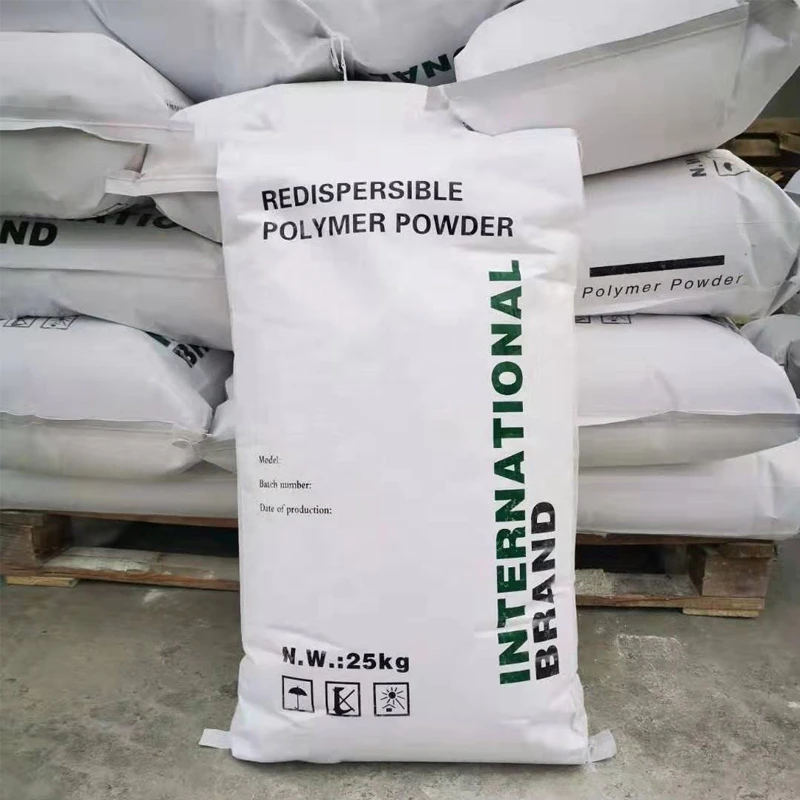
Redispersible polymer powder should be stored in a dry, cool environment away from direct moisture and sunlight. Proper sealing is essential to prevent caking and loss of redispersion performance. Under suitable storage conditions, the product typically has a shelf life of 6 to 12 months.
7. What is the difference between redispersible polymer powder and liquid latex?
The main difference is form and application method. Redispersible polymer powder is used in dry-mix systems and activated when water is added on-site. Liquid latex is pre-dispersed and added directly to wet formulations. RDP offers better storage stability, easier transportation, and compatibility with dry mortar production systems.
8. Can redispersible polymer powder improve crack resistance?
Yes. One of the major benefits of redispersible polymer powder is its ability to enhance flexibility and reduce brittleness in cement-based materials. The polymer film formed during curing absorbs stress and reduces crack formation caused by shrinkage or substrate movement.
9. Is redispersible polymer powder environmentally friendly?
Most modern redispersible polymer powder products are designed to comply with environmental regulations and contain low VOC levels. They contribute to durable construction systems, which indirectly reduce maintenance frequency and material waste.