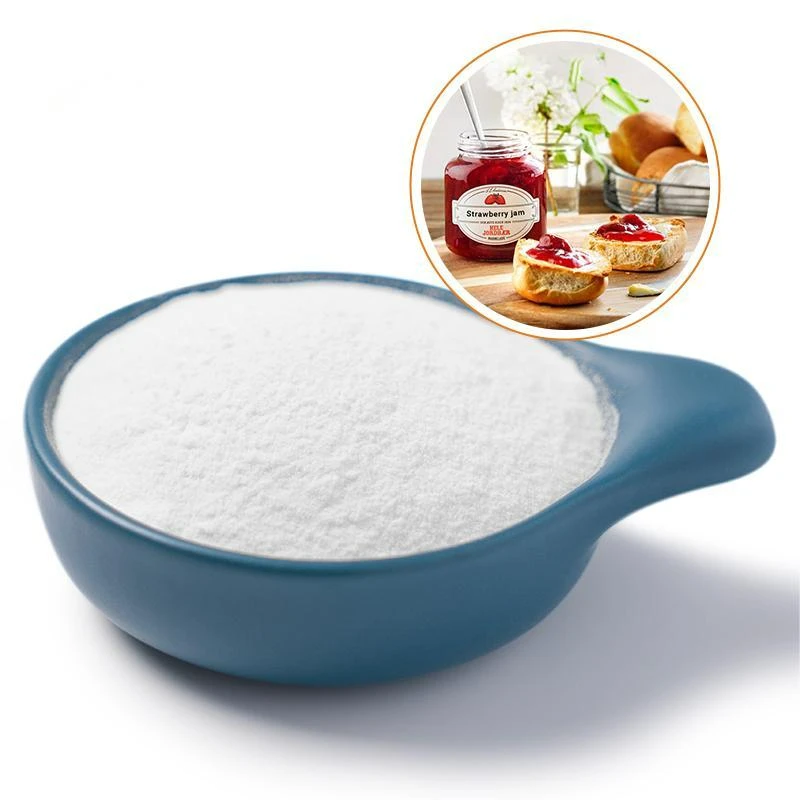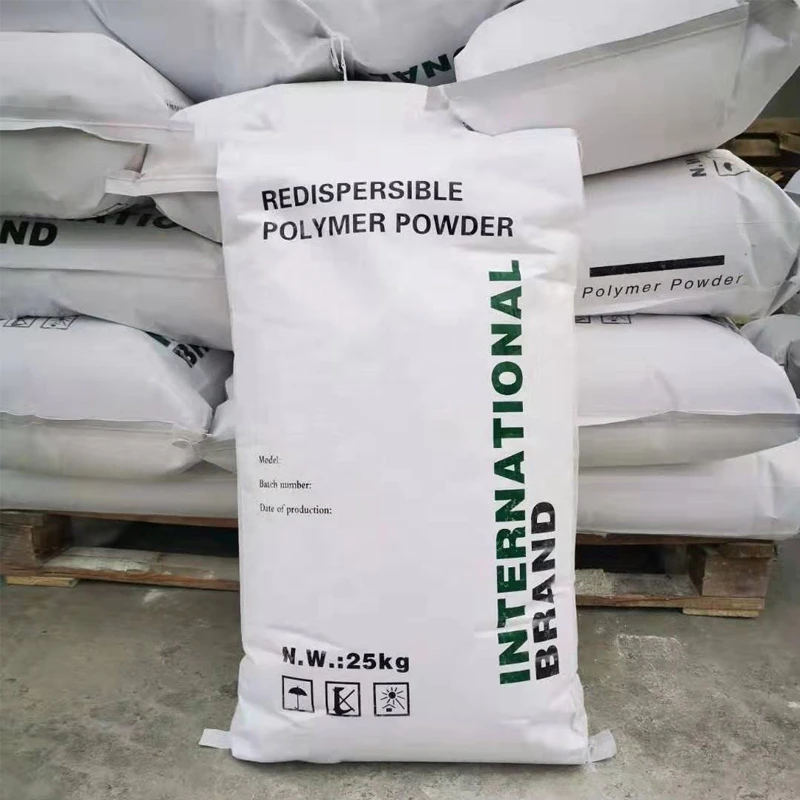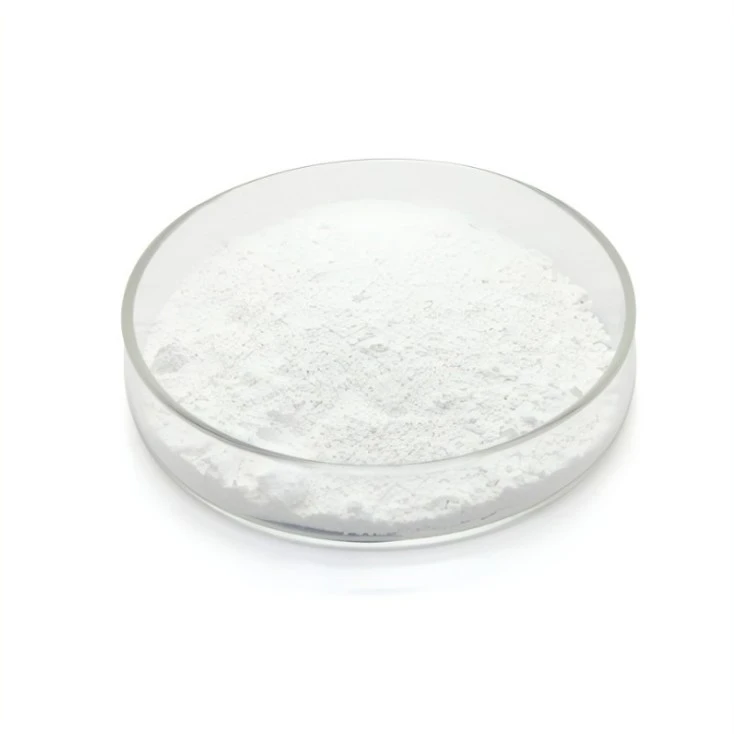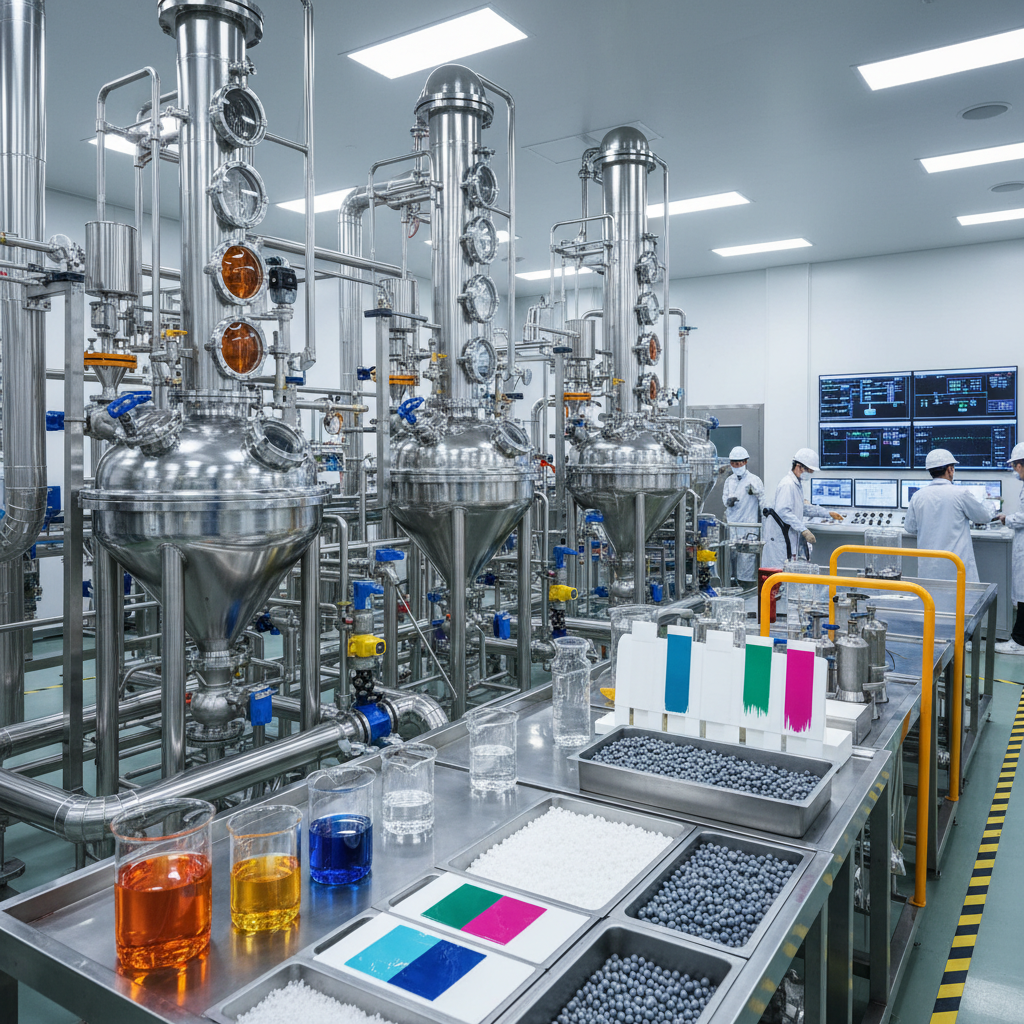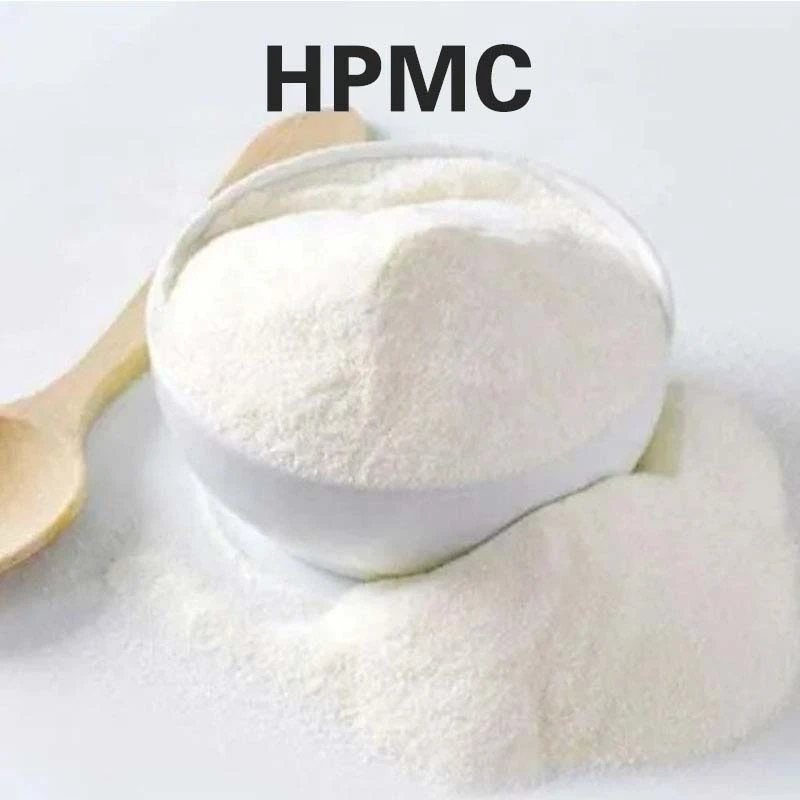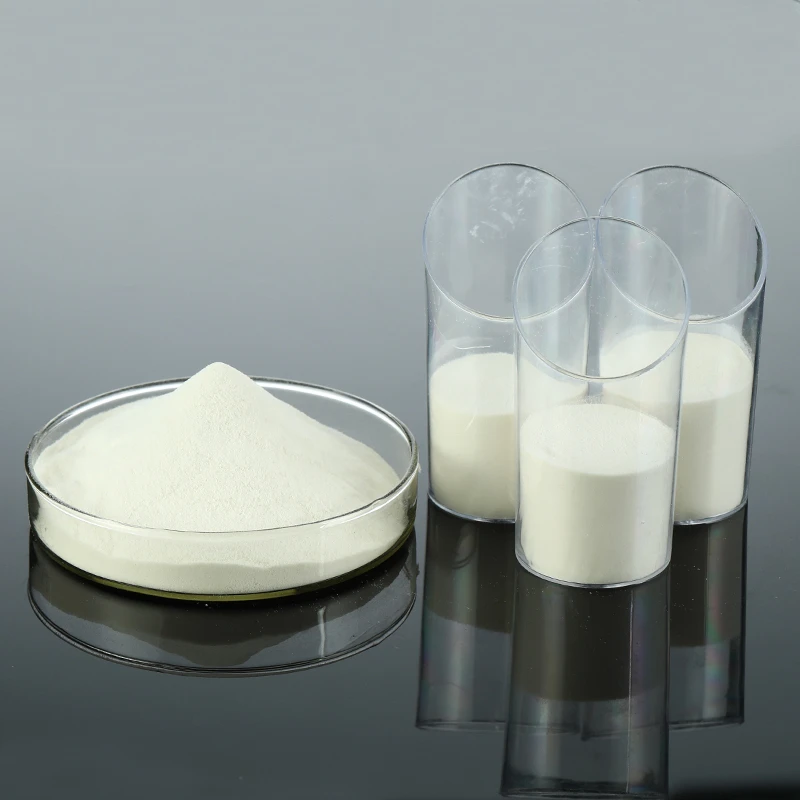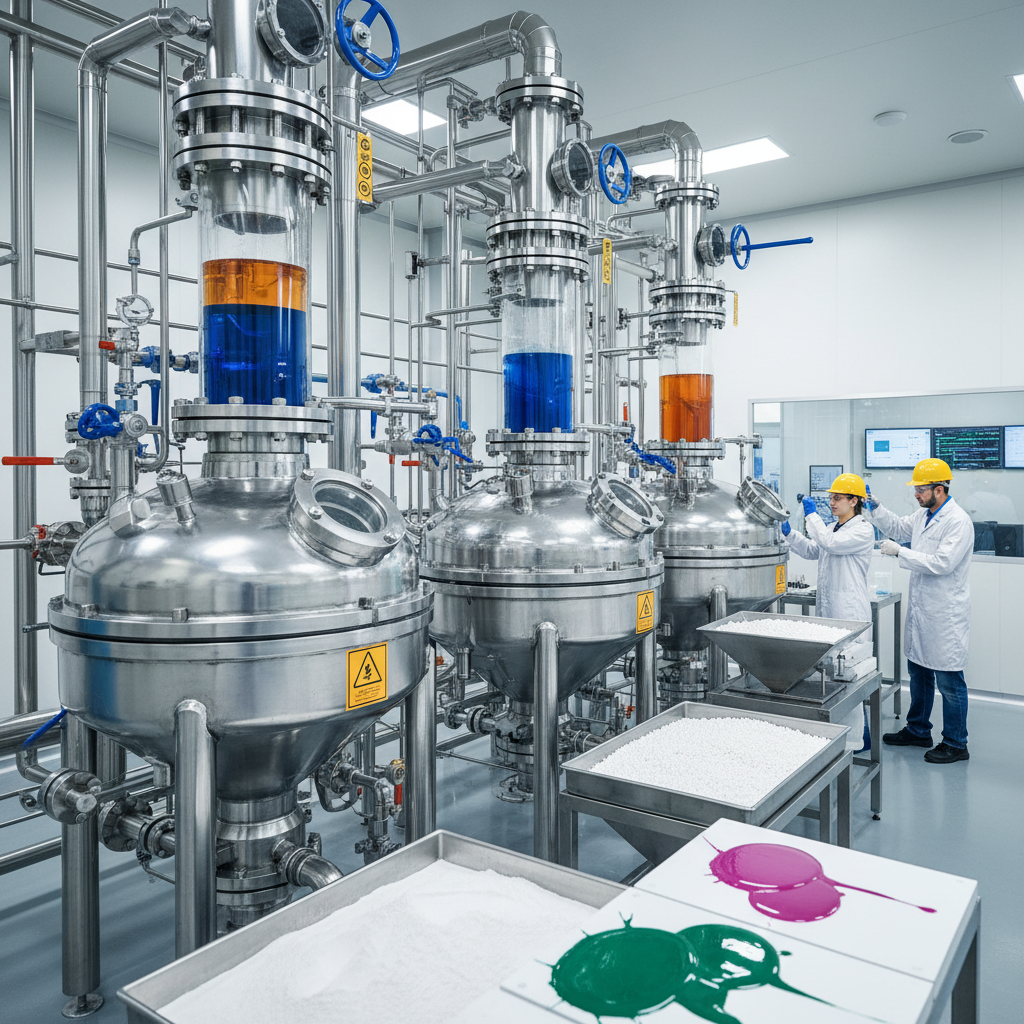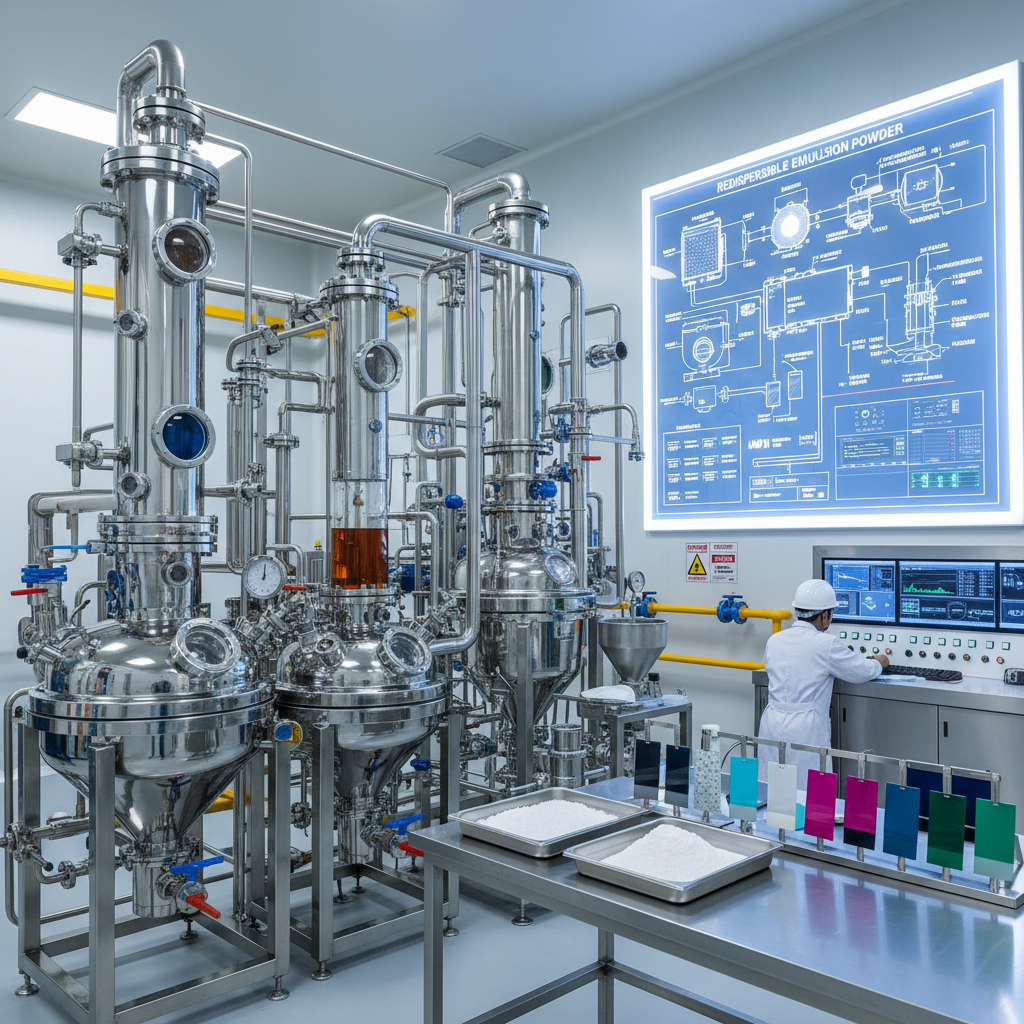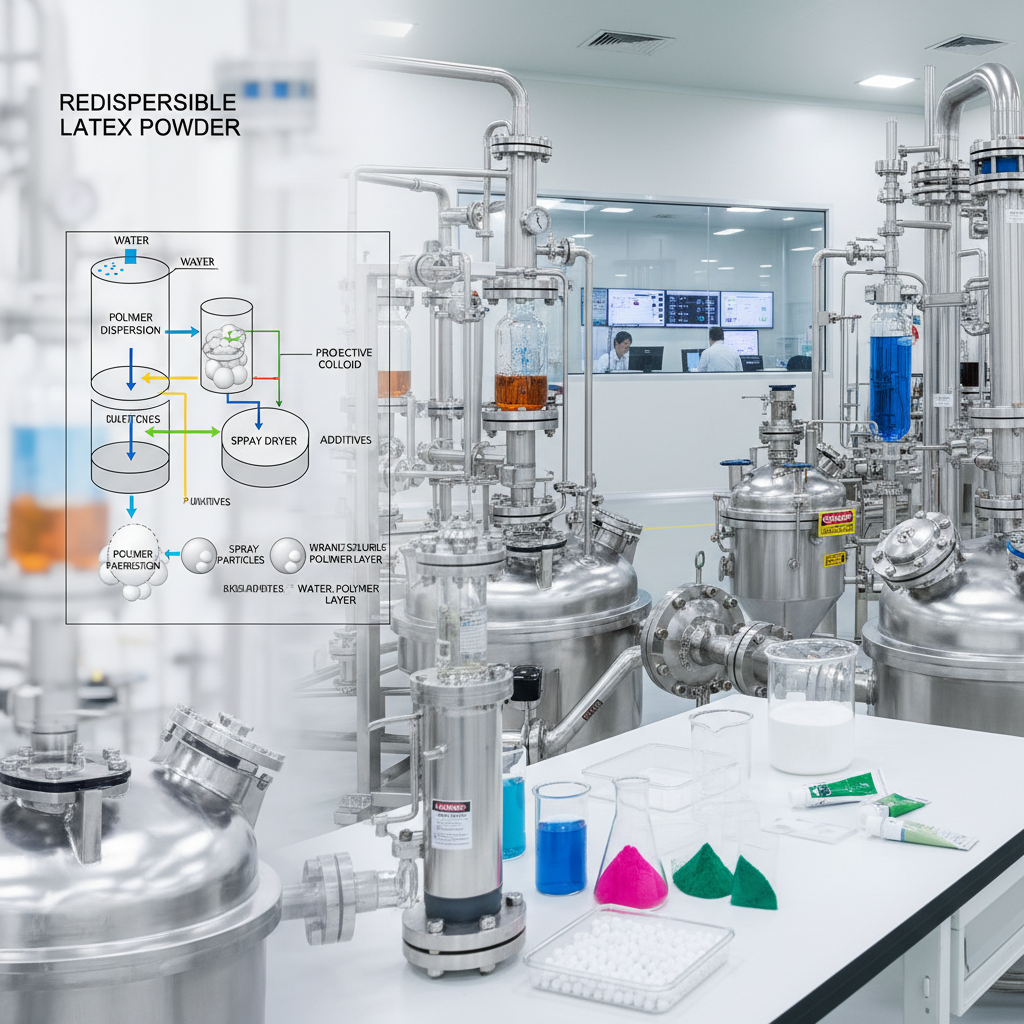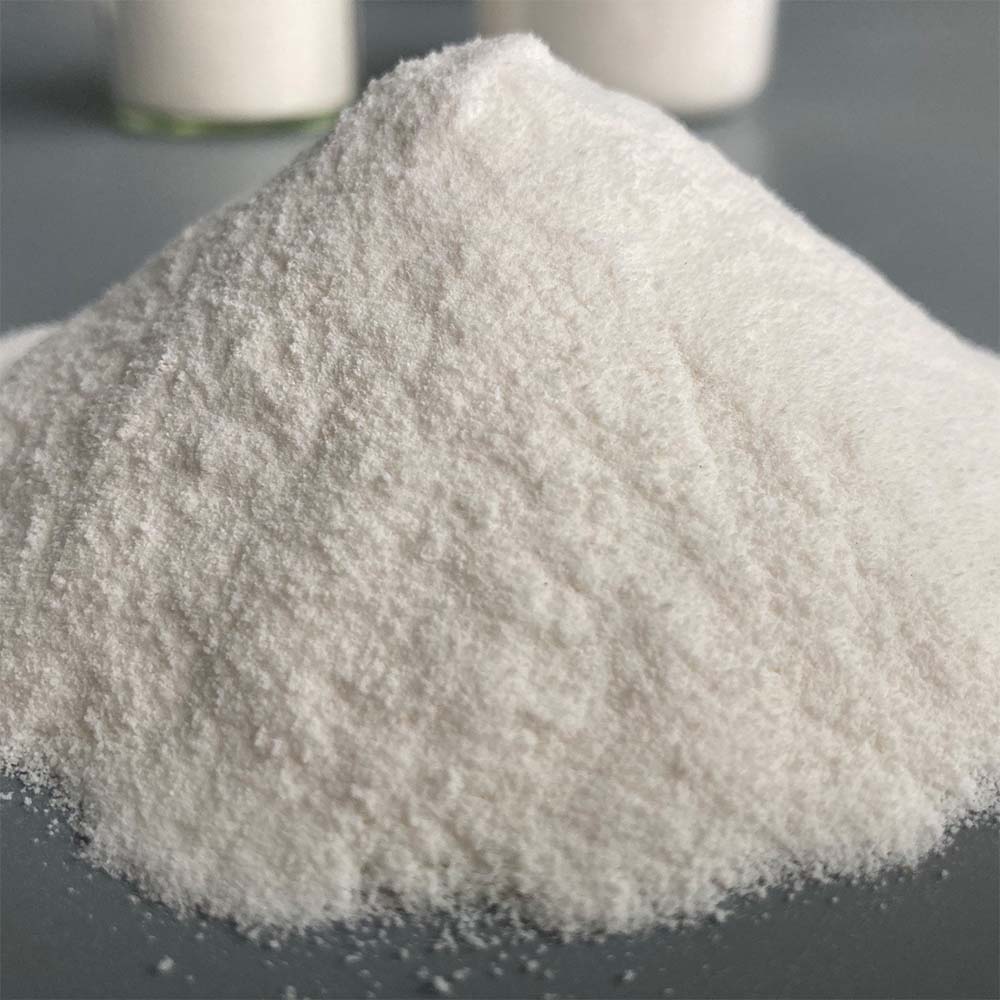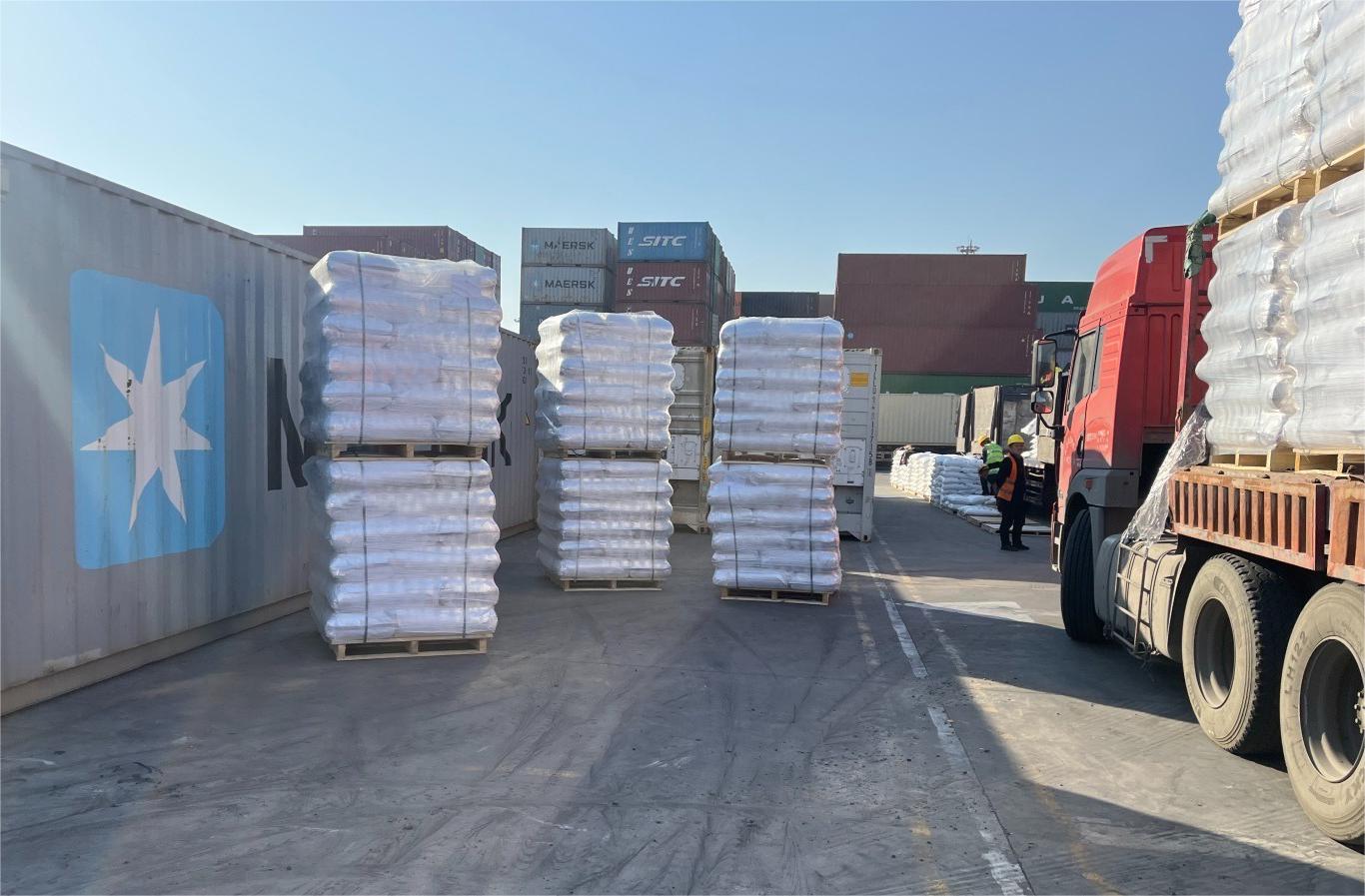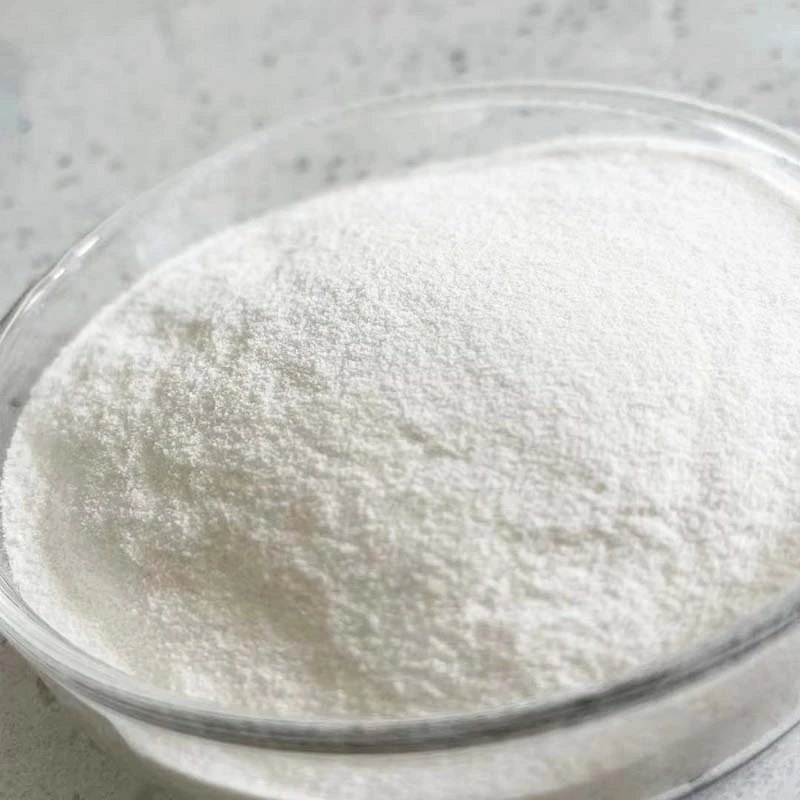
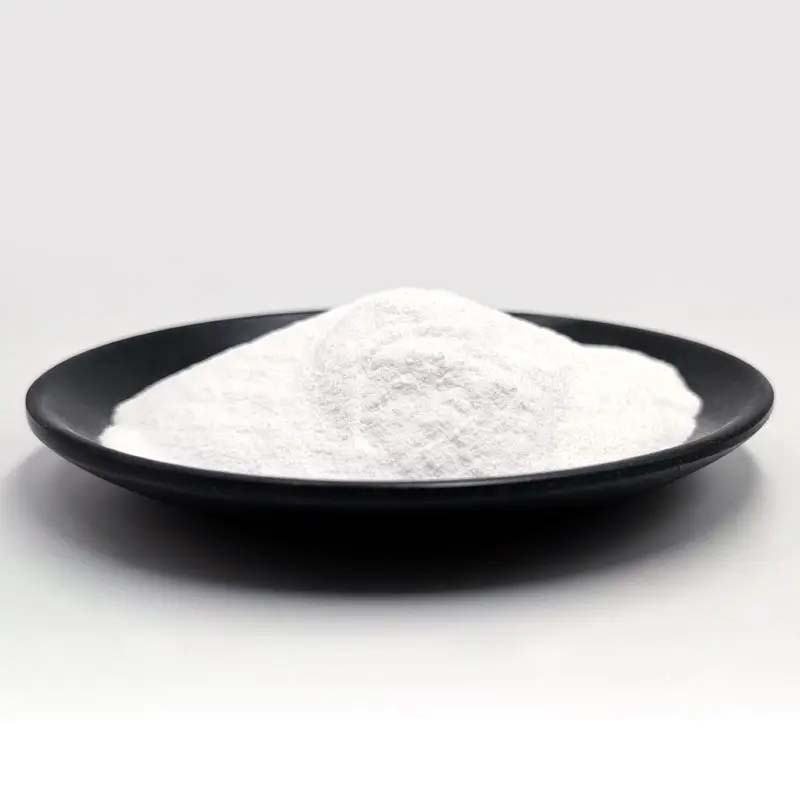
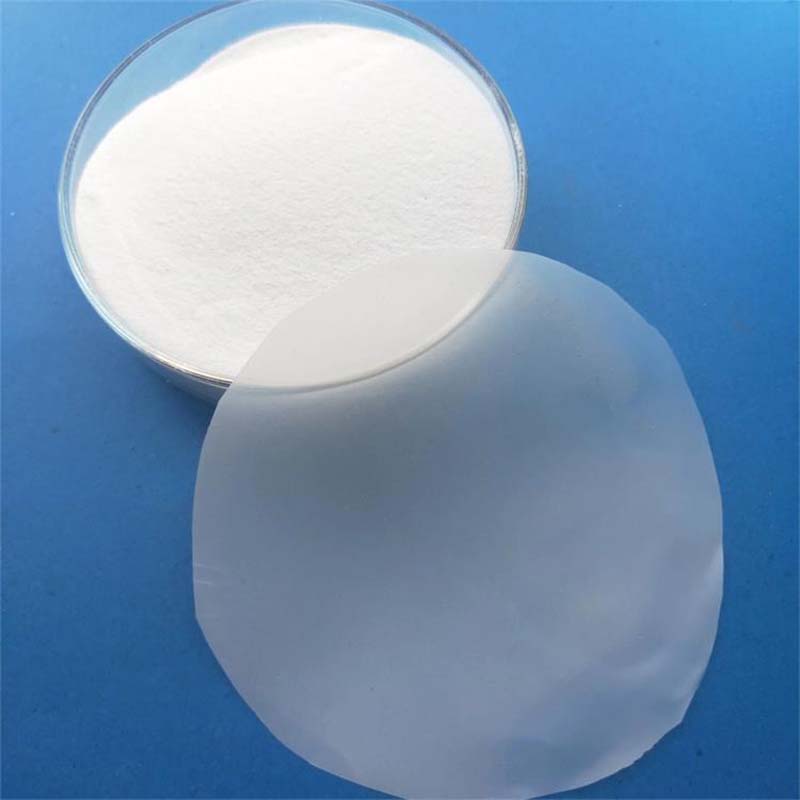
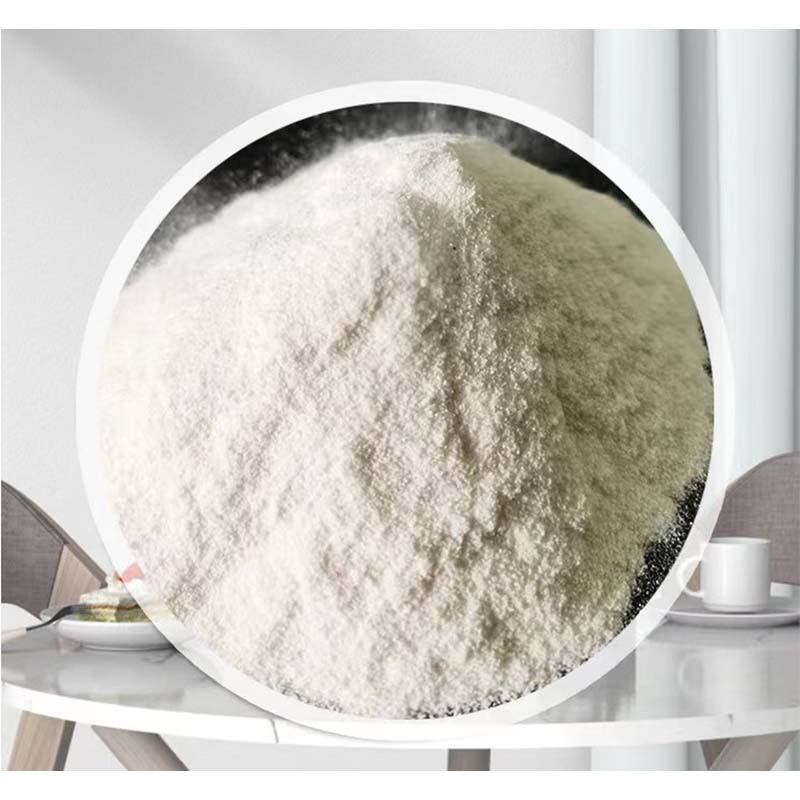
Redispersible polymer powder has excellent waterproof performance, good bond strength, increase the elasticity of mortar and has a long opening time, give mortar excellent alkali resistance, improve mortar adhesion/adhesion, bending strength, plasticity, wear resistance and construction property, in the flexible crack mortar has stronger flexibility.
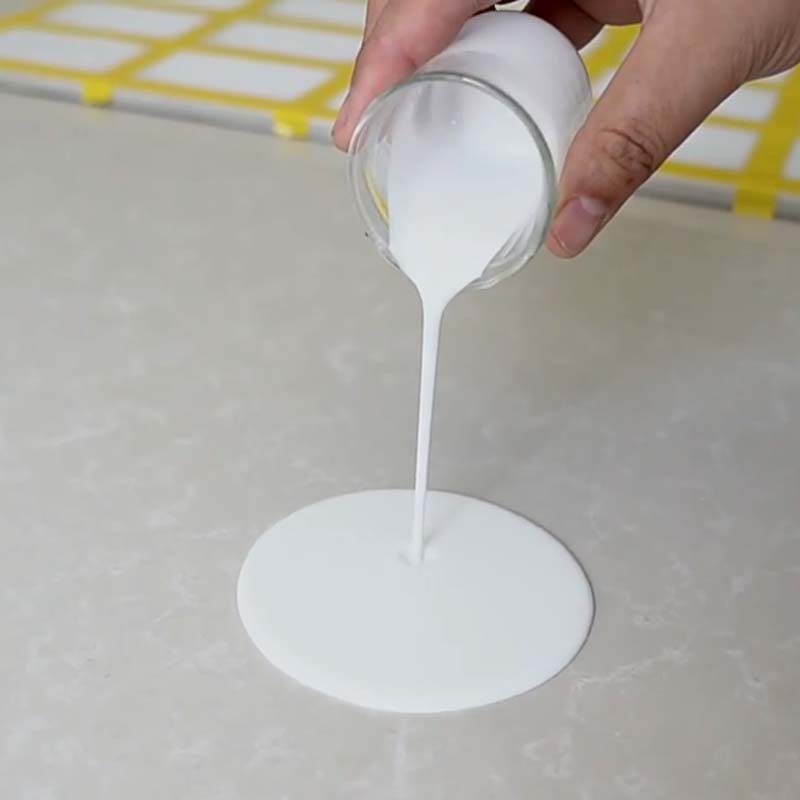
Ake the desired amount of water and put it in the container 1:1 to dissolve and stir. If there are bubbles, it can be left to wait for the bubbles to disappear, and after pouring out the self-leveling, it can be regarded as the film effect after a period of time.
Its promotion and application, greatly improve the performance of traditional building materials, greatly improve the building materials of the cohesive force, cohesion, flexural strength and impact resistance, wear resistance, durability, so that the building products with its excellent quality, high-tech content, to ensure the quality of construction projects.
The purpose of dissolution is to detect RDP film formation.
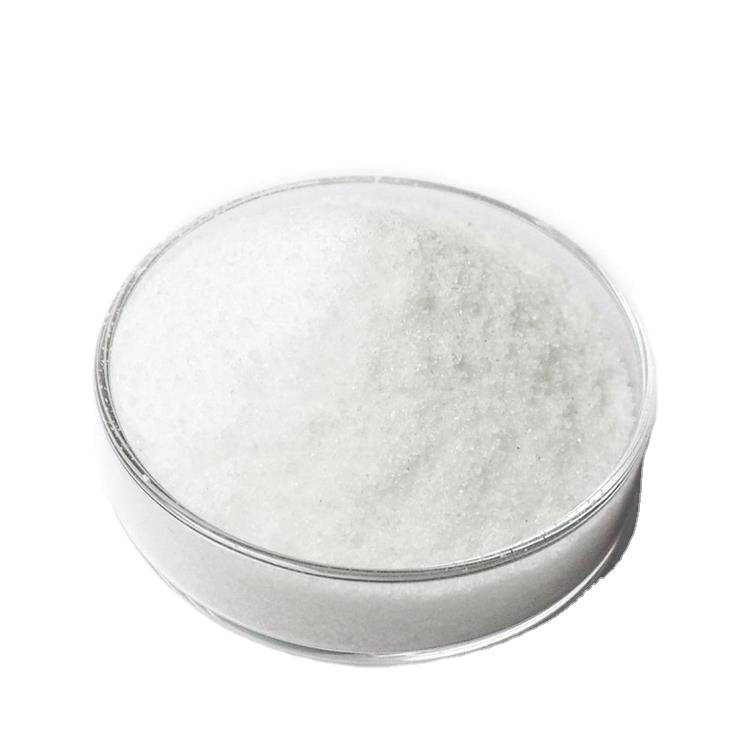
ITEM | RANGE |
Polymer composition | VAE |
Water | ≤5.0 |
Ash content (%) | 12±2% |
PH | 5-8 |
50% with water viscosity | 0.5-2.0 |
Appearance | White powder or off-white powder |
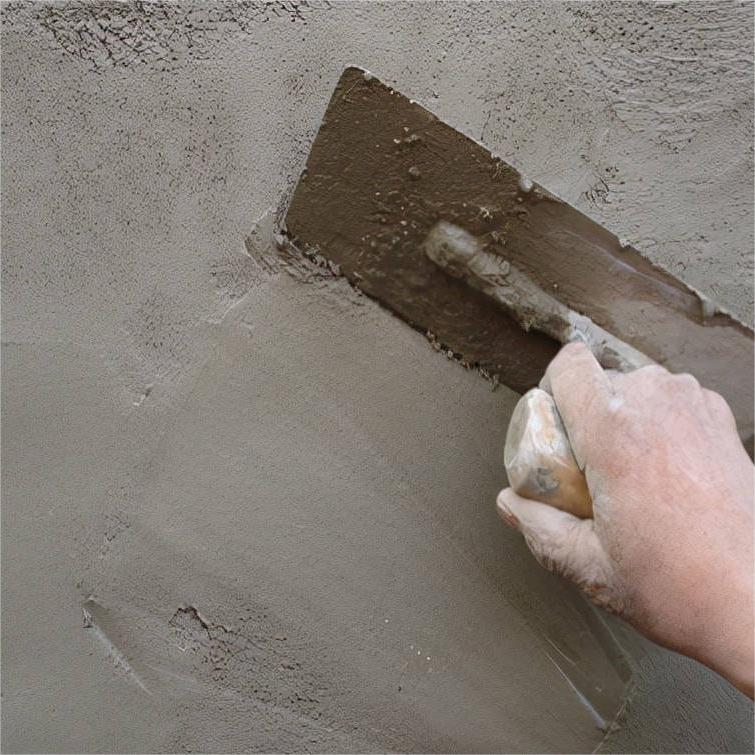
Redispersible latex powder is widely used in various mortars, such as: mixed mortar, masonry mortar, plastering mortar,self-leveling mortar, waterproof mortar, external wall insulation mortar, repair mortar, interface mortar, etc.
It is an essential additive in mortar, it can improve the performance of mortar, improve the strength of mortar, bonding strength with all kinds of substrate. There are better water retention, flexibility, easy to construction.
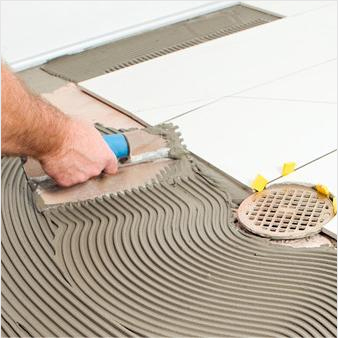
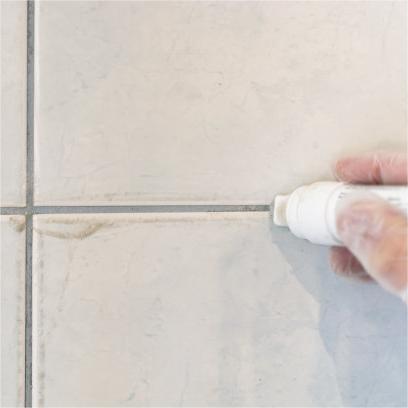
Redispersible latex powder can also be used in ceramic tile adhesives and tile grouts.
It has good adhesion, good water retention, long open time, flexibility, sag resistance and good resistance. Freeze-thaw cycle capability.
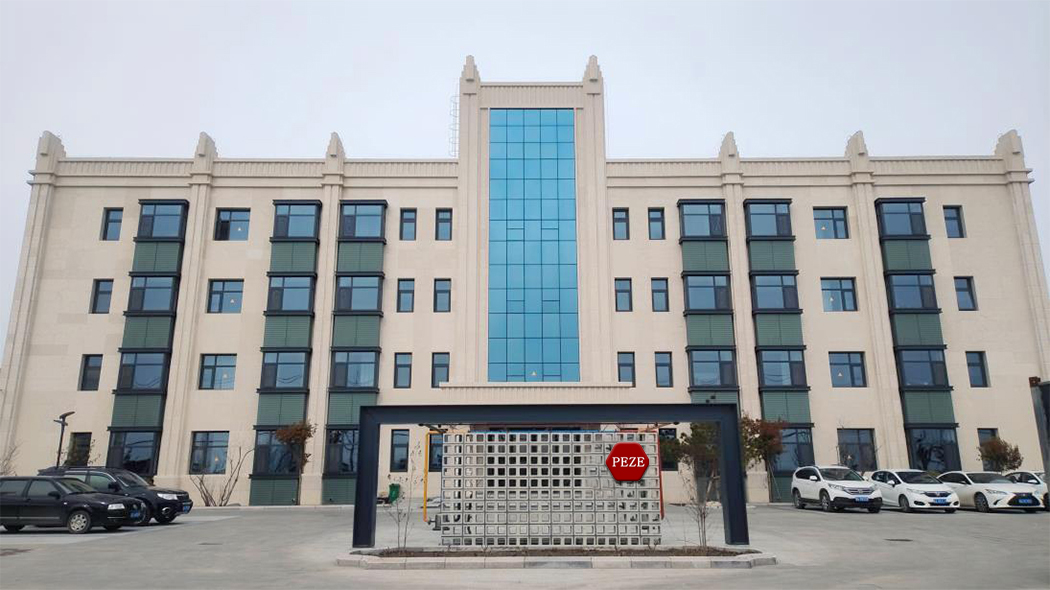
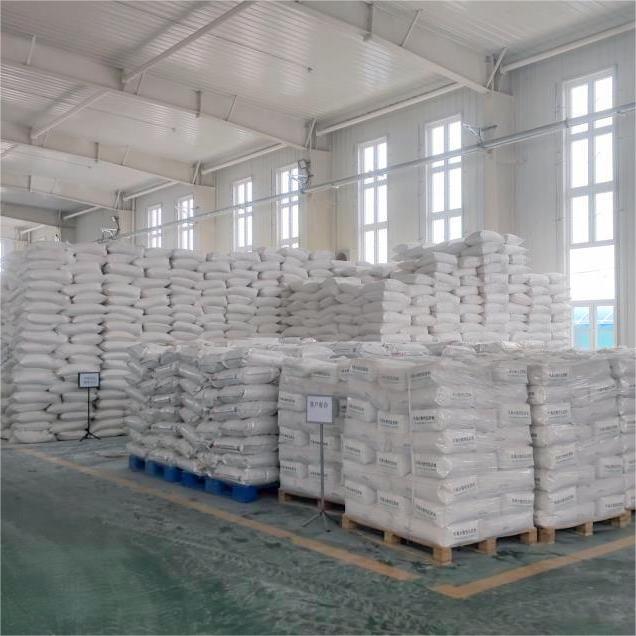
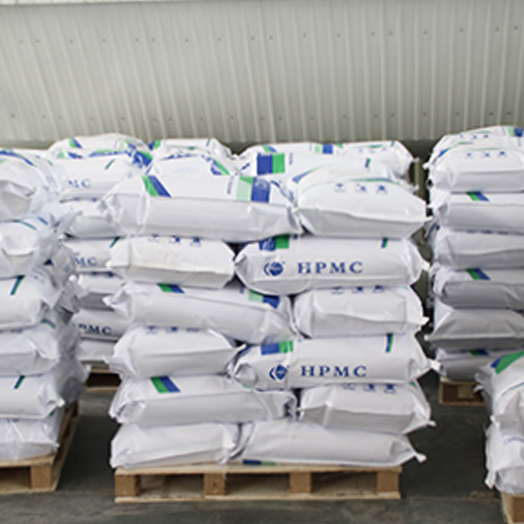
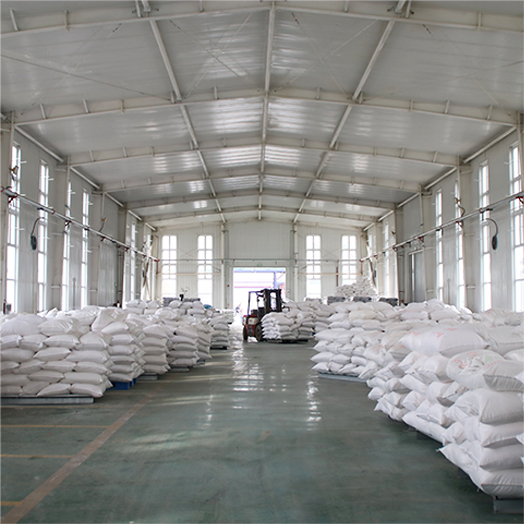
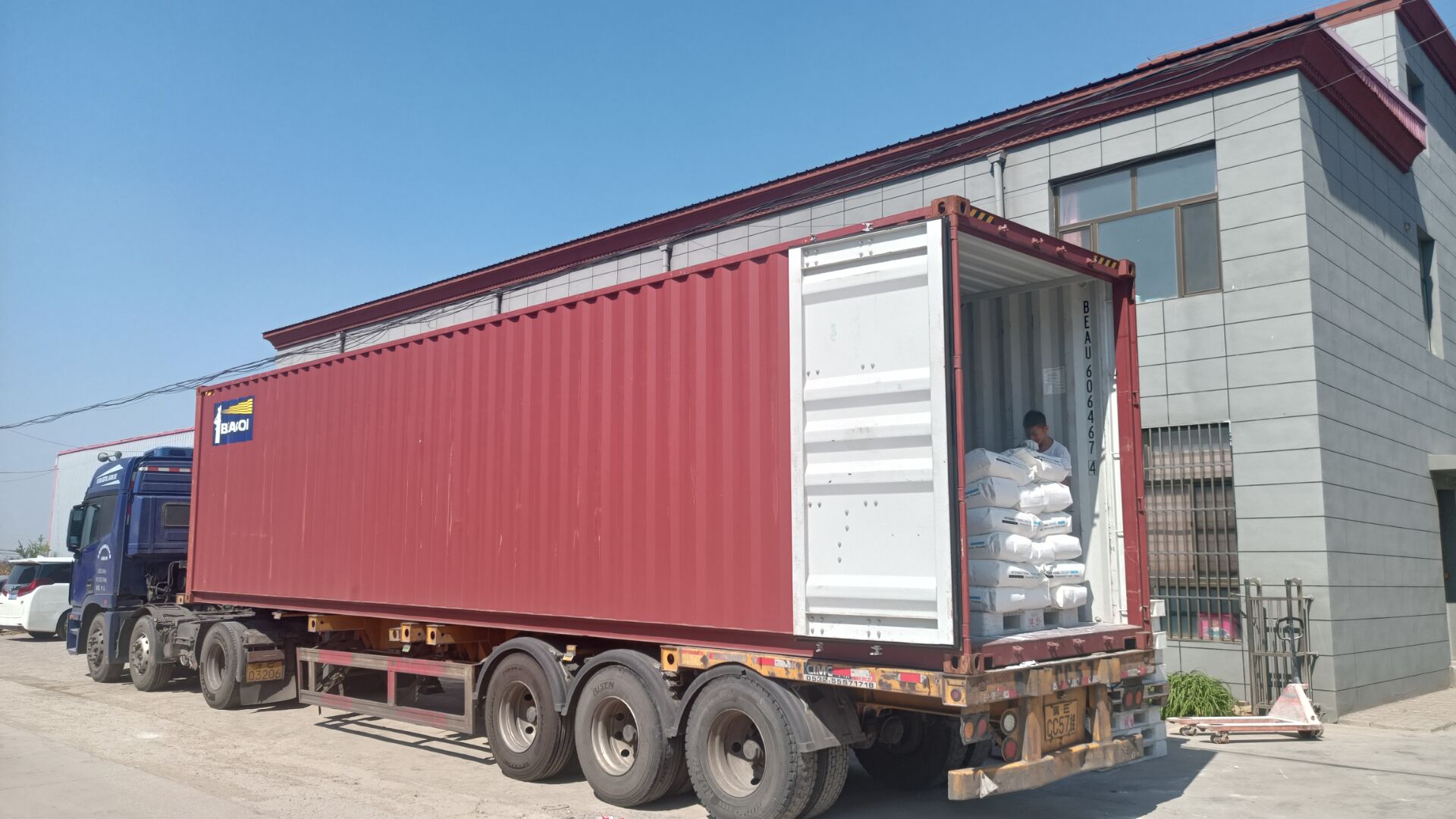
Peze Technology (Shijiazhuang) Co., Ltd
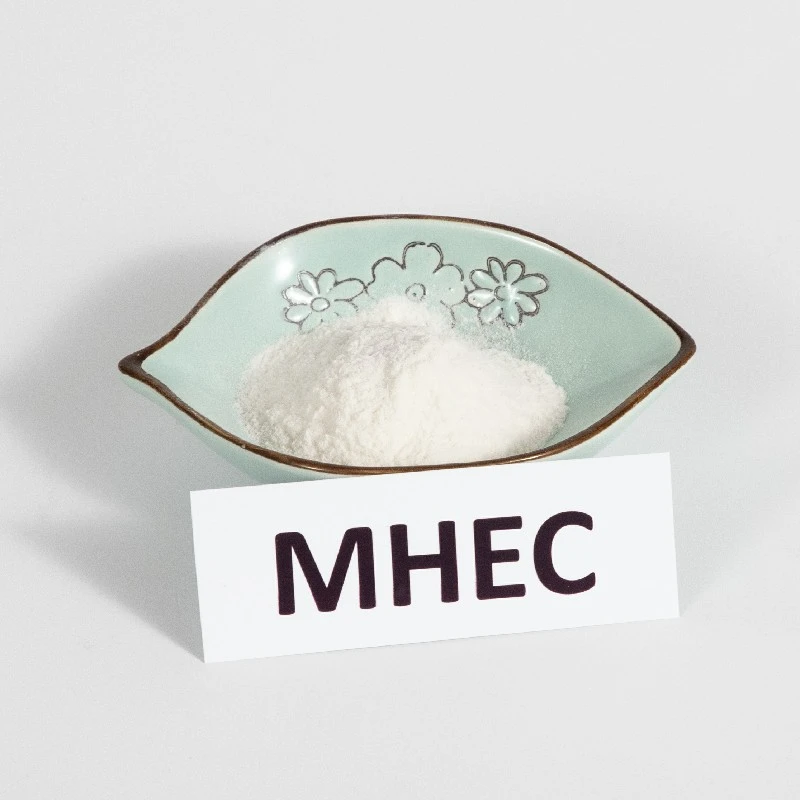
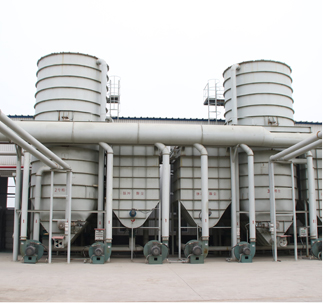
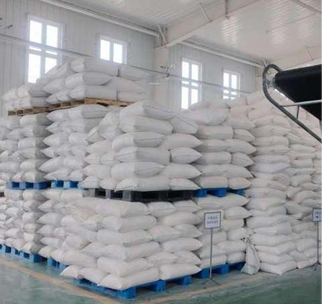
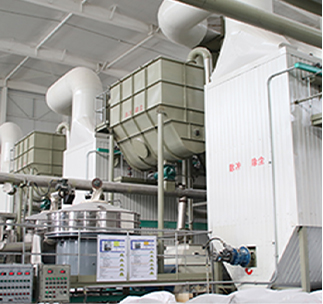
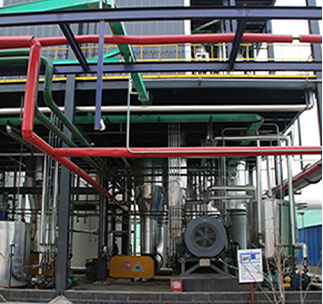
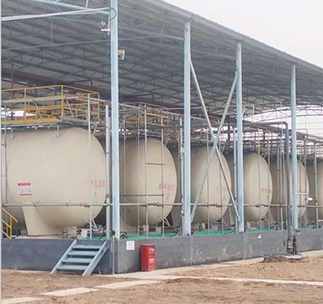
This is a professionalenterprise integrating science,technology, manufacture andtrade. We own automatic productionlines and world-class equipment, ourmain products are Cmc Printing paste, HPS,RDP-VAE,HPMC,MHEC,PVA,and CMC etc . Ourfactory has a strong technological background and a professional teamof talented technicians, researchers,and manufacturing experts.
What Is the Difference Between RDP and Acrylic Polymer Powder?
In the construction chemicals industry, both redispersible polymer powder (RDP) and acrylic polymer powder are widely used to enhance the performance of dry mix mortars. Although they may seem similar at first glance, there are important differences in composition, performance, and application that directly affect material selection.
The most common type of RDP is VAE (vinyl acetate-ethylene) based powder, often referred to as VAE redispersible polymer powder. It is produced through spray-drying polymer emulsions into a free-flowing powder. When mixed with water, it redisperse into a stable emulsion and forms a flexible polymer film within cement-based systems. This film significantly improves adhesion, flexibility, and crack resistance, making polymer powder for mortar an essential additive in tile adhesives, wall putty, and external insulation systems.
In contrast, acrylic polymer powder is typically based on acrylic resins. It offers excellent UV resistance, weatherability, and long-term durability, especially in exterior applications exposed to harsh environmental conditions. Compared to VAE-based RDP, acrylic polymer powders often provide superior resistance to aging and color stability, which makes them ideal for high-end coatings and specialized construction systems.
From a performance perspective, RDP powder for putty and mortar is known for its cost-effectiveness and balanced properties. It provides strong bonding strength, improved workability, and good water resistance, making it the preferred choice for most standard dry mix applications. On the other hand, acrylic polymer powder usually delivers higher mechanical strength and better resistance to environmental degradation, but at a higher cost.
Another key difference lies in application flexibility. Redispersible polymer powder is more versatile and widely used in cement-based materials, while acrylic polymer powder is often selected for niche or high-performance requirements where enhanced durability and UV stability are critical.
In summary, the choice between RDP and acrylic polymer powder depends on your specific application needs and budget. For general construction uses such as tile adhesives and wall putty, VAE RDP powder offers an excellent balance of performance and cost. However, for projects requiring superior weather resistance and long-term durability, acrylic polymer powder may be the better option.
Redispersible Polymer Powder vs Cellulose Ether
In dry mix mortar formulations, both redispersible polymer powder (RDP) and cellulose ether are essential additives—but they serve very different functions. Understanding the difference between these two materials is critical for optimizing performance in applications such as tile adhesive, wall putty, and self-leveling compounds.
Redispersible polymer powder is primarily used to improve adhesion, flexibility, and durability. When mixed with water, VAE-based RDP redisperses into a polymer emulsion and forms a continuous film within the mortar matrix. This film enhances bonding strength between substrates, increases resistance to cracking, and improves water resistance. That’s why RDP is widely used in high-performance systems like tile adhesives and external insulation (ETICS).
On the other hand, cellulose ether (such as HPMC or MHEC) mainly functions as a water-retention and thickening agent. It helps control the workability of mortar, ensuring smooth application and preventing rapid water loss. This is especially important in cement-based systems, where proper hydration is necessary for strength development. Cellulose ether also improves open time, making it easier for workers to adjust materials during installation.
The key difference lies in their roles:
RDP = performance enhancer (adhesion, flexibility, durability)
Cellulose ether = workability controller (water retention, consistency)
In practice, these two additives are not competitors but complementary components. A well-balanced formulation often includes both. For example, in tile adhesive, cellulose ether ensures smooth spreading and sufficient open time, while RDP provides the bonding strength needed to hold tiles securely over time.
When choosing between them, the decision should be based on your formulation goals. If you need stronger adhesion and crack resistance, increasing RDP content is essential. If your focus is on improving application properties and water retention, cellulose ether should be adjusted accordingly.
In conclusion, combining redispersible polymer powder with cellulose ether delivers optimal performance in modern construction materials. Understanding their differences allows manufacturers to fine-tune formulations for better quality, efficiency, and long-term durability.
What Is the Difference Between Redispersible Polymer Powder and VAE Emulsion?
When selecting polymer additives for construction materials, many buyers compare redispersible polymer powder (RDP) and VAE emulsion. Although both are derived from similar base chemistry—typically vinyl acetate-ethylene (VAE) copolymers—their form, application, and performance characteristics differ significantly.
The most fundamental difference lies in their physical form. VAE emulsion is a liquid dispersion of polymer particles in water, ready to use directly in wet formulations. In contrast, redispersible polymer powder is produced by spray-drying the emulsion into a free-flowing powder. When mixed with water, RDP can redisperse back into a stable emulsion, forming a similar polymer film. This transformation allows RDP to combine the benefits of liquid polymers with the convenience of dry materials.
Another key difference is their application method. VAE emulsions are typically used in liquid systems such as coatings, paints, and adhesives where water is already present. On the other hand, RDP is specifically designed for dry mix mortar systems, including tile adhesives, wall putty, self-leveling compounds, and external insulation systems (ETICS). This makes RDP the preferred choice for modern dry construction materials.
In terms of storage and transportation, RDP offers clear advantages. As a dry powder, it has a longer shelf life, is easier to transport, and is less sensitive to freezing or microbial contamination. VAE emulsions, being water-based, require controlled storage conditions and are more susceptible to spoilage over time.
Performance-wise, both materials enhance adhesion, flexibility, and water resistance, but RDP provides greater formulation flexibility in dry systems. It allows manufacturers to create pre-mixed products that only require water on-site, improving consistency and ease of use. Meanwhile, VAE emulsions may offer slightly faster film formation in liquid applications but lack the convenience needed for dry mix production.
In summary, while both materials share similar chemical origins, redispersible polymer powder is better suited for dry mix construction applications, whereas VAE emulsion is ideal for liquid-based systems. Choosing between them depends largely on your formulation process, storage capabilities, and end-use requirements.
VAE RDP Emulsion Powder & Redispersible Acrylic Polymer Powder FAQs
What is VAE RDP emulsion powder?
VAE RDP emulsion powder (redispersible polymer powder) is a spray-dried powder made from vinyl acetate-ethylene copolymer emulsions. When mixed with water, it redisperse into a stable emulsion, forming a flexible polymer film that enhances adhesion, flexibility, and durability in construction materials like mortar and tile adhesive.
What is redispersible acrylic polymer powder?
Redispersible acrylic polymer powder is a type of polymer additive made from acrylic-based emulsions. Similar to VAE RDP, it can redisperse in water and improve properties such as weather resistance, UV stability, and adhesion, making it suitable for high-performance construction and coating applications.
What is the difference between VAE and acrylic polymer powder?
The main difference lies in performance and application:
- VAE RDP powder: Cost-effective, widely used in dry mix mortar, tile adhesives, and wall putty
- Acrylic polymer powder: Offers better UV resistance, aging resistance, and durability in harsh environments
VAE is more common in general construction, while acrylic powder is preferred for premium or exterior applications.
What is RDP powder used for?
RDP powder is widely used in:
- Tile adhesives
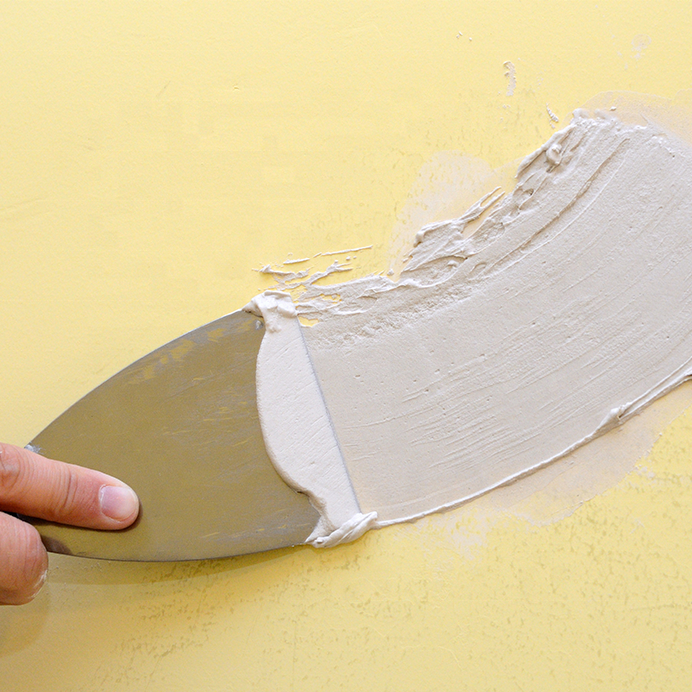
- Wall putty and skim coat
- Dry mix mortar
- Self-leveling compounds
- External insulation systems (ETICS)
It improves bonding strength, flexibility, crack resistance, and water resistance.
How does redispersible polymer powder work?
When water is added, RDP redisperse into fine polymer particles. As the mixture dries, these particles form a continuous polymer film within the cement matrix, improving adhesion and mechanical properties.
What are the benefits of using VAE RDP powder?
Key benefits include:
- High adhesion strength
- Improved flexibility and crack resistance
- Better water resistance
- Enhanced workability
- Increased durability of mortar
Is VAE RDP powder environmentally friendly?
Yes. Most VAE RDP powders are low in VOC (volatile organic compounds) and are considered environmentally friendly. They are widely used in green building materials and sustainable construction systems.
How is redispersible polymer powder stored?
RDP powder should be stored in:
- A cool, dry environment
- Sealed packaging to avoid moisture absorption
- Away from direct sunlight
Proper storage ensures a shelf life of up to 6–12 months.
What factors affect RDP powder price?
The price of RDP powder depends on:
- Raw material quality (VAE or acrylic base)
- Technical performance (Tg, adhesion strength)
- Production process
- Order quantity (bulk orders are cheaper)
- Supplier and origin
How to choose a reliable RDP powder supplier?
When selecting a supplier, consider:
- Consistent product quality
- Technical support and formulation guidance
- Certifications (ISO, quality control)
- Competitive pricing
- Stable supply capacity

rdp powder uses
rdp vae
re dispersible polymer powder
redispersible polymer
redispersible polymer powder
redispersible polymer powder rdp