Sodium Carboxymethyl Cellulose Use
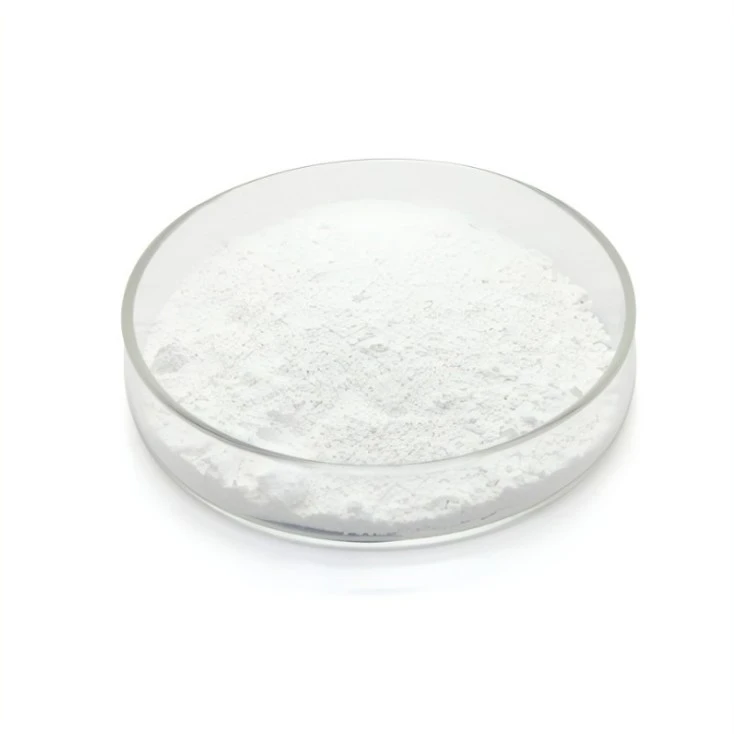
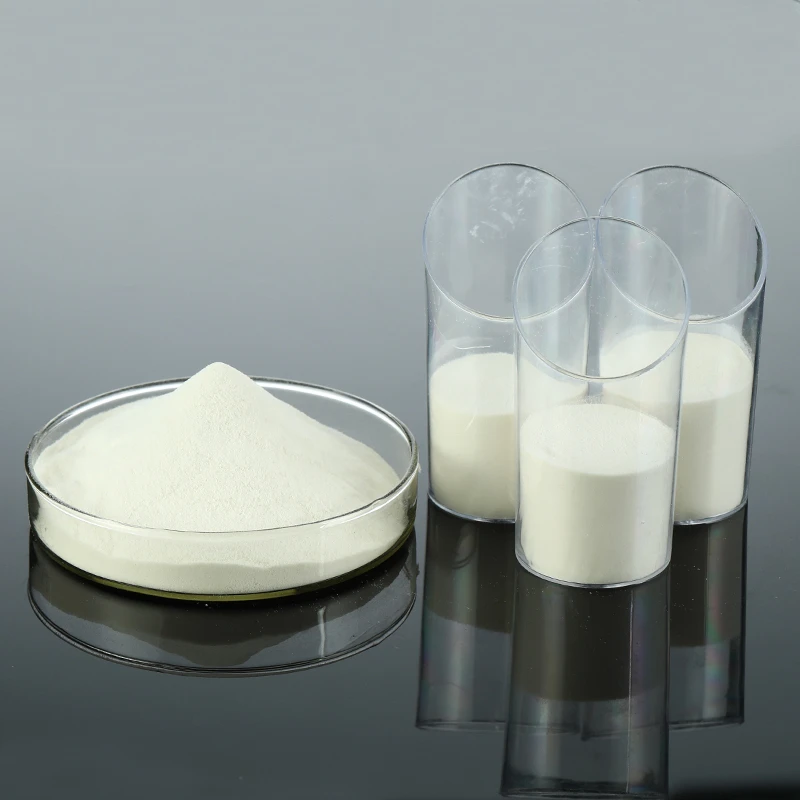
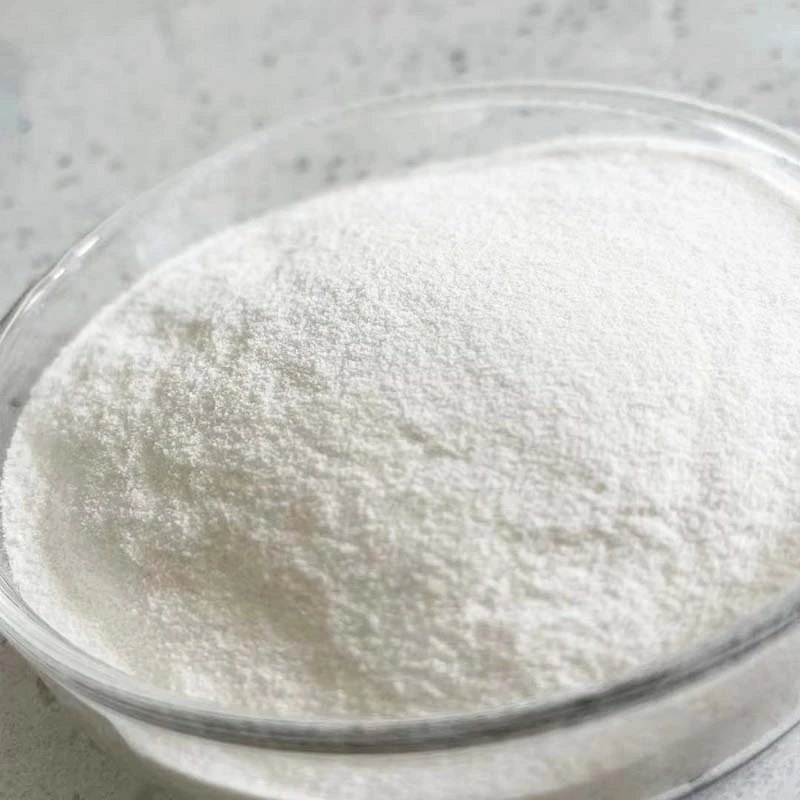
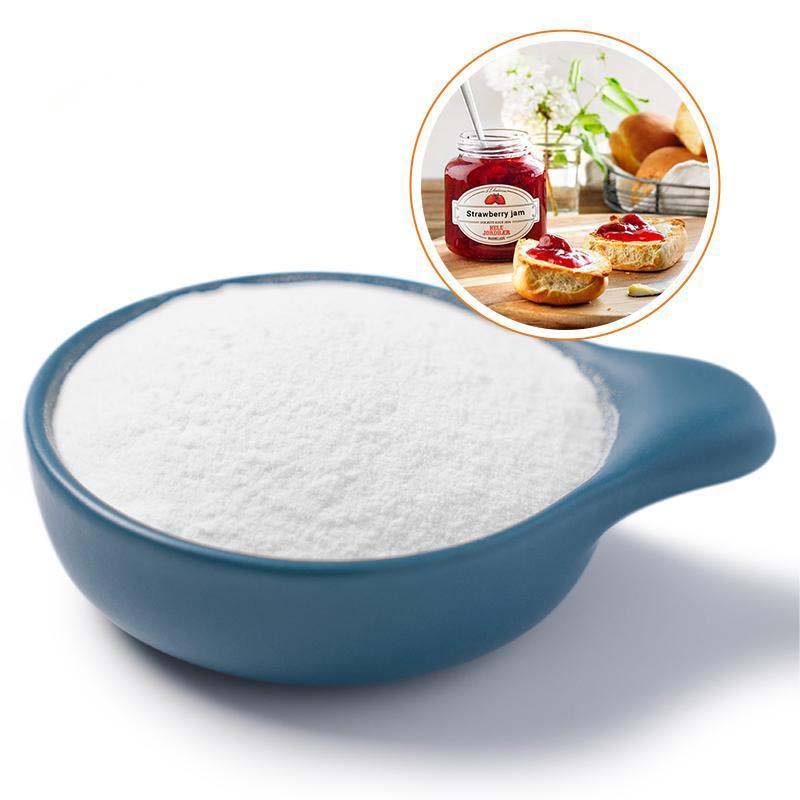
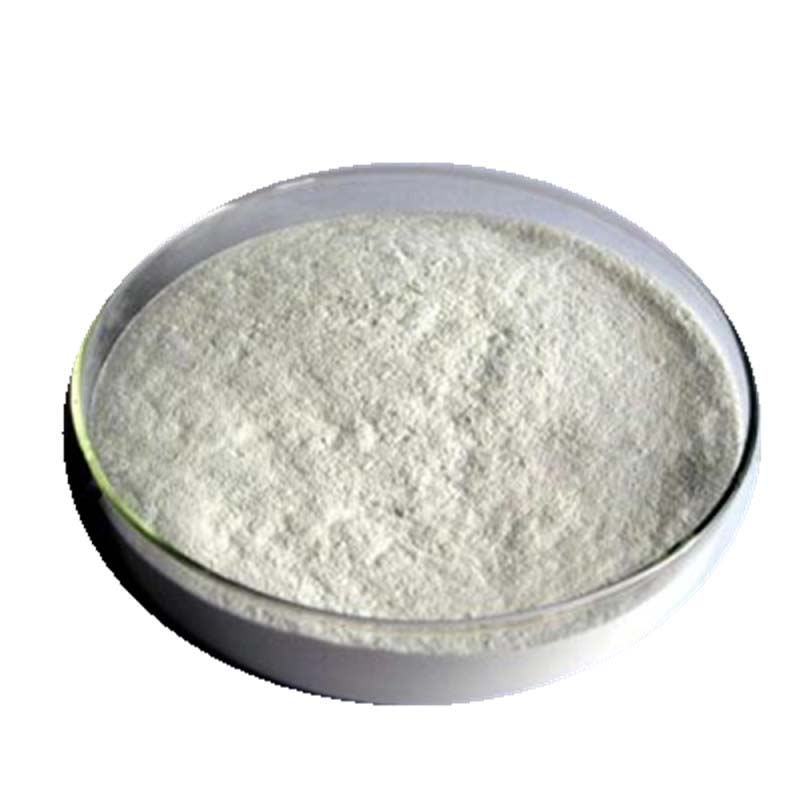
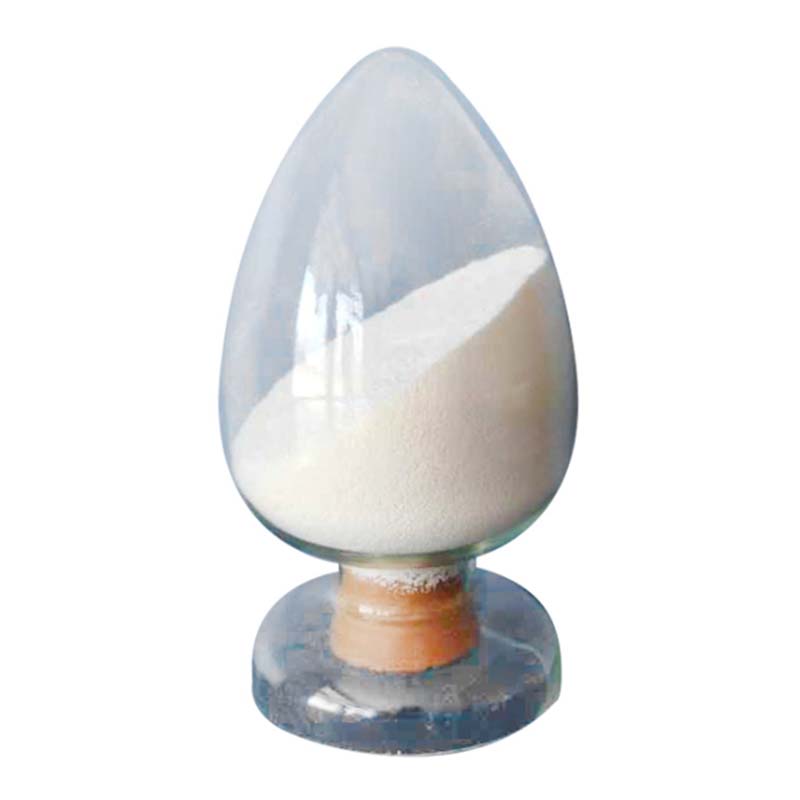
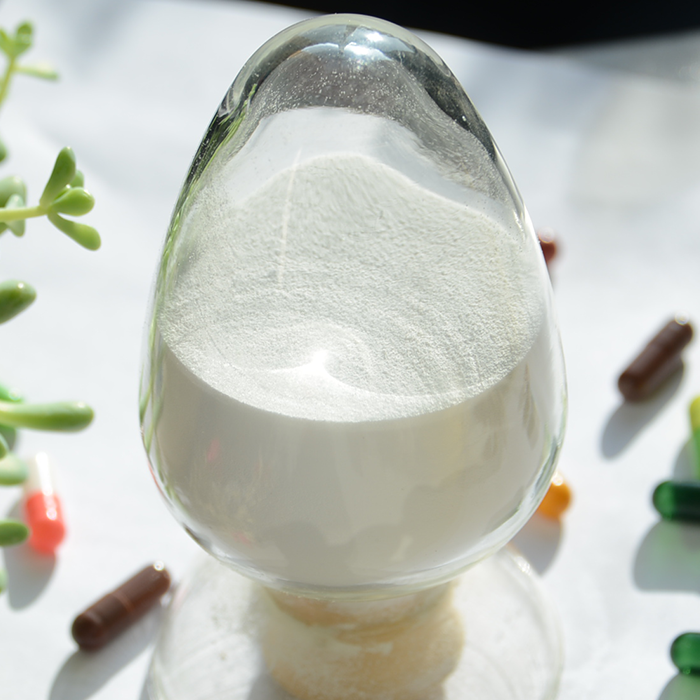
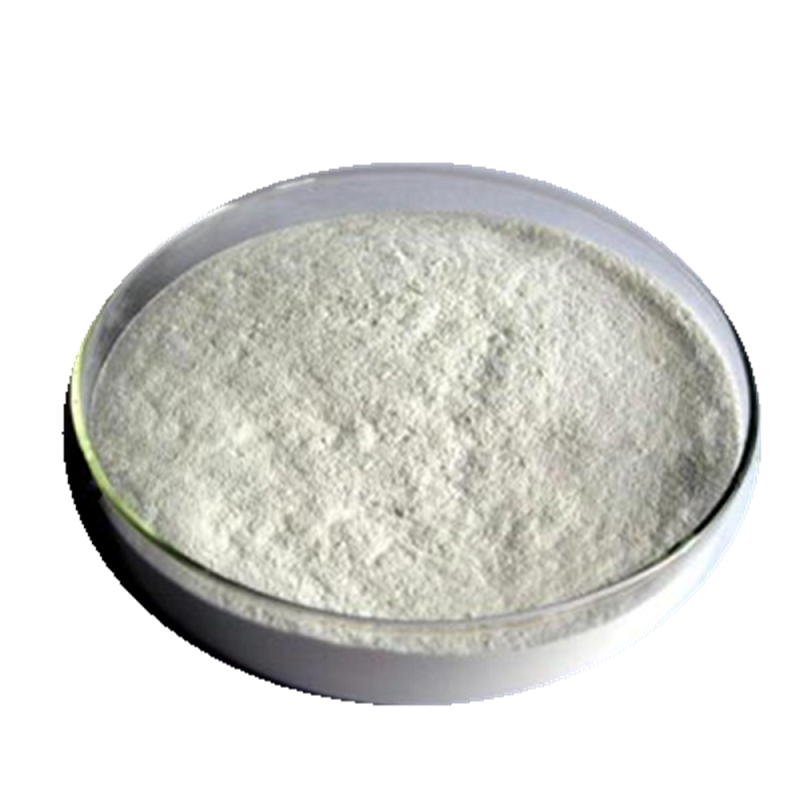
Carboxymethylcellulose (CMC) is a nontoxic and tasteless white flocculent powder with stable performance and is easy to dissolve in water. Sodium carboxymethylcellulose (CMC), commonly known as "industrial monosodium glutamate", is the most widely used and convenient product among cellulose ethers.
CMC can be used as binder, thickener, suspending agent, emulsifier, dispersant, stabilizer, sizing agent, etc.
Carboxymethyl cellulose (CMC) is an anionic cellulose ether, the appearance is white or slightly yellow flocculent fiber powder or white powder, odorless, tasteless, non-toxic; Easily soluble in water, forming a transparent solution with a certain viscosity. The solution is neutral or slightly alkaline, insoluble in ethanol, ether, isopropyl alcohol, acetone and other organic solvents, but soluble in ethanol or acetone solution with 60% water content. It is hygroscopic, stable to light and heat, and the viscosity decreases with the increase of temperature.
Carboxymethyl cellulose (CMC) Features:
1. Almost odorless, odorless, and hygroscopic.
2. Easy to disperse in water into a transparent colloidal solution, insoluble in organic solvents such as ethanol.
3. The pH of the 3.1% aqueous solution is 6.5-8.5. When pH>10 or<5, the viscosity of the adhesive significantly decreases, and the performance is best at pH=7.
4. It is thermally stable, with a rapid increase in viscosity below 20 ℃ and a slower change at 45 ℃. Prolonged heating above 80 ℃ can cause colloid denaturation while significantly reducing viscosity and performance.
5. Easy to dissolve in water, transparent solution;
Grade of Carboxymethyl cellulose (CMC)
Food Grade CMC
Detergent Grade CMC
Oil Drilling Grade CMC
Ceramics Grade CMC
Paint Grade CMC
Textile and Dyeing Grade CMC
How Sodium Carboxymethyl Cellulose Powder Improves Viscosity and Stability
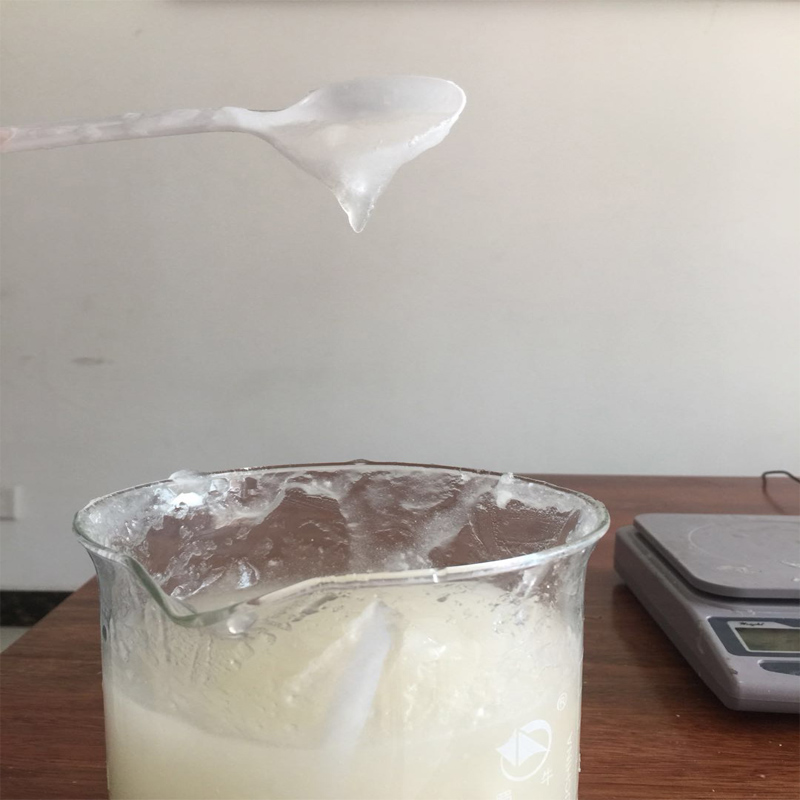
One of the most important functional characteristics of sodium carboxymethyl cellulose powder is its ability to control viscosity and improve formulation stability. As a water-soluble derivative of cellulose, carboxymethyl cellulose CMC forms highly stable colloidal solutions when dissolved in water. Even at low concentrations, it can significantly increase the viscosity of liquids, making it an efficient thickening agent in various industrial and food applications.
The rheological behavior of carboxymethyl cellulose CMC depends largely on its degree of substitution (DS) and molecular weight. Higher molecular weight grades generally provide stronger thickening performance, while lower viscosity grades are preferred when flowability is required. This flexibility allows manufacturers to fine-tune product texture, suspension stability, and flow characteristics.
In food applications, sodium carboxymethyl cellulose powder helps prevent ingredient separation, improves mouthfeel, and enhances shelf stability. In oil drilling fluids, it stabilizes drilling mud by controlling fluid loss and improving suspension performance. In detergents and coatings, it enhances uniform dispersion and prevents sedimentation.
Because of its strong water retention capacity, carboxymethyl cellulose CMC also reduces syneresis in formulations. This is especially valuable in products exposed to temperature fluctuations or long storage periods. Overall, sodium carboxymethyl cellulose powder serves as a multifunctional rheology modifier, offering predictable and stable performance across industries.
Factors Affecting the Quality of Carboxymethyl Cellulose CMC Powder
The quality of carboxymethyl cellulose CMC directly influences its performance in industrial and food applications. Several key parameters determine the overall effectiveness of sodium carboxymethyl cellulose powder, including purity, degree of substitution (DS), viscosity level, particle size distribution, and moisture content.
The degree of substitution is one of the most critical factors. It reflects how many hydroxyl groups in cellulose are replaced by carboxymethyl groups. A higher DS typically improves water solubility and enhances thickening capability. However, the ideal DS varies depending on the application requirements.
Viscosity grade is another decisive factor. Different industries require specific viscosity ranges to achieve desired texture, stability, or suspension properties. Inconsistent viscosity in carboxymethyl cellulose CMC powder can result in formulation instability or production inefficiencies.
Purity also plays a major role. High-quality sodium carboxymethyl cellulose powder should contain minimal residual salts, unreacted cellulose, or by-products. Impurities may affect transparency, taste (in food applications), or compatibility with other chemicals.
Additionally, particle size affects dissolution speed and dispersion uniformity. Fine and evenly distributed powder dissolves more efficiently and reduces clumping during mixing. Manufacturers must carefully control production processes and perform strict quality testing to ensure stable product performance and compliance with international standards.
How to Dissolve and Process Sodium Carboxymethyl Cellulose Powder Correctly
Proper dissolution and processing methods are essential to maximize the performance of sodium carboxymethyl cellulose powder. Although carboxymethyl cellulose CMC is water-soluble, incorrect mixing techniques can lead to clumping or incomplete hydration.
To achieve optimal dispersion, it is recommended to slowly add sodium carboxymethyl cellulose powder into water under continuous agitation. High-speed stirring helps prevent the formation of lumps and ensures uniform distribution. In some cases, pre-mixing the powder with dry ingredients such as sugar or salt can improve dispersion efficiency.
Water temperature also affects dissolution rate. While carboxymethyl cellulose CMC can dissolve in cold water, slightly warm water often accelerates hydration. However, excessively high temperatures should be avoided, as they may influence viscosity stability depending on the grade.
Allowing sufficient hydration time is crucial. Full viscosity development may take several minutes to several hours, depending on molecular weight and concentration. Premature processing before complete hydration can result in inconsistent viscosity and performance.
For industrial-scale production, controlled feeding systems and proper agitation equipment are recommended to ensure efficient processing of sodium carboxymethyl cellulose powder. By following correct dissolution procedures, manufacturers can achieve stable rheological performance and maintain consistent product quality.
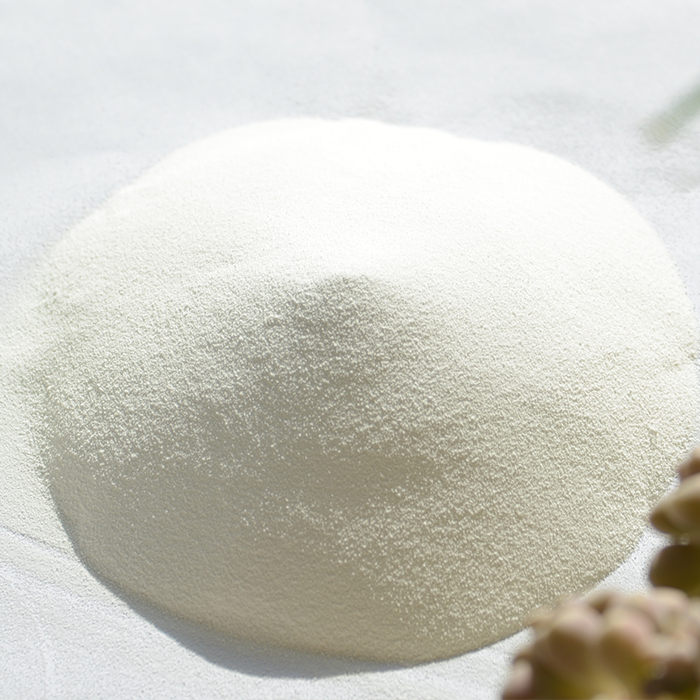
|
ITEM |
RANGE |
|
Colour |
Milk white |
|
Viscosity(1% Solution Mpa.S) |
50-1200 |
|
Chloride(%) |
<1.8% |
|
Degree of substitution |
0.6-0.9 |
|
PH |
6.0-8.5 |
|
Purity |
99.5% |
|
Moisture(%) |
<10% |

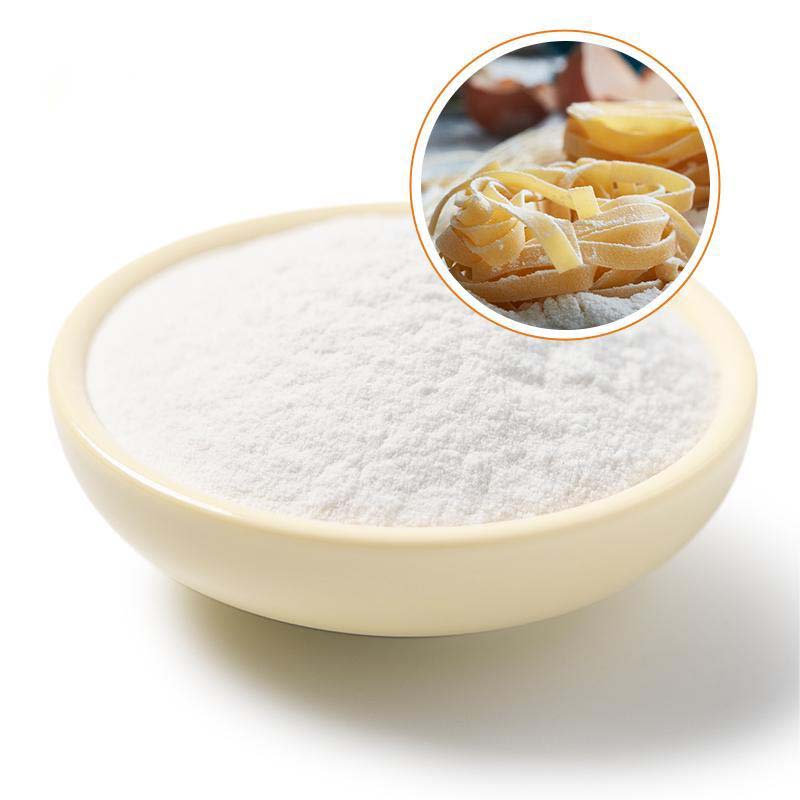
CMC is not only a good emulsifying stabilizer and thickener in food application, but also has excellent freezing and melting
stability, and can improve the flavor of products and prolong the storage time。
In soy milk, ice cream, ice cream, jelly, beverage, canned consumption is about 1% ~ 1.5%. CMC can also be used with vinegar, soy sauce, vegetable oil, fruit juice, meat juice, vegetable juice and other stable emulsifying dispersion, the dosage is 0.2% ~ 0.5%.
Especially for animal, vegetable oil, protein and aqueous solution emulsification performance is extremely excellent, can make it form stable homogeneous emulsion.
As it is safe and reliable, its dosage is not restricted by the food hygiene standard ADI.
Function of CMC in food production:
1.thickening: viscosity at low concentration. It can control the viscosity in the process of food processing and give food a sense of lubrication;
2.water retention: reduce the dehydration contraction of food, prolong the shelf life of food;
3.dispersion stability: to maintain the stability of food quality, prevent oil and water stratification (emulsification), control
the size of crystals in frozen food (reduce ice crystals);
4.film forming: in fried food to form a layer of film, prevent excessive absorption of oil;
5.Chemical stability: stable to chemicals, heat and light, with certain mildew resistance;
6.metabolic inertia: as a food additive, will not be metabolized, in the food does not provide calories.
As a thickener and stabilizer for acidic dairy products, CMC prevents the protein in the dairy products from coagulating,
precipitating and layering, makes the dairy products a unique and delicate taste.
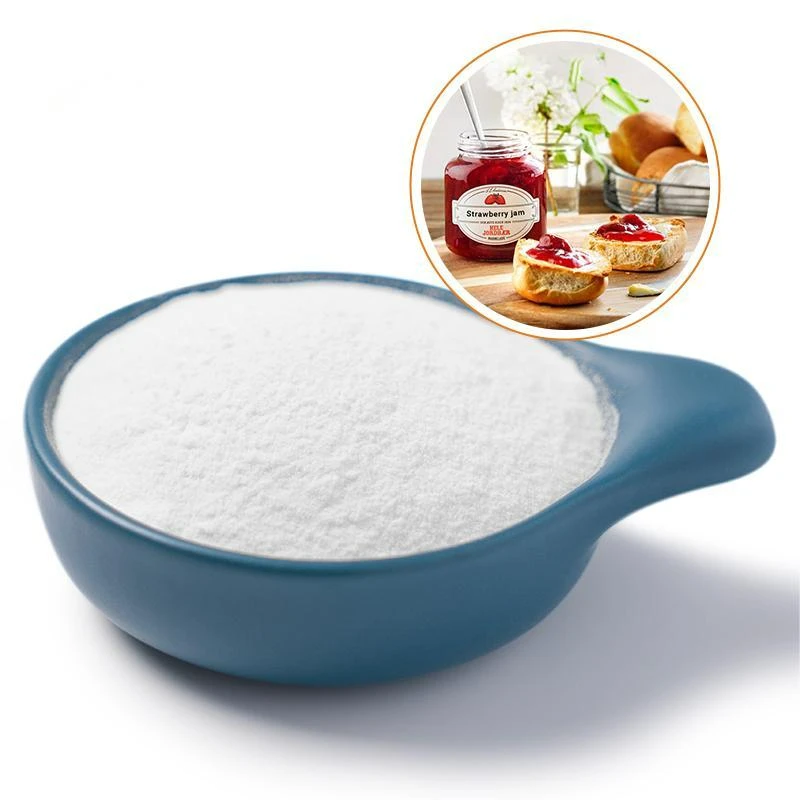
As a water-retaining agent for pastries and jam fillings, CMC prevents food dehydration, imparts certain thixotropy, improves storage stability, improves the gloss of pastries and prevents cracking.
CMC can be used as paper sizing agent in paper making industry, in the ceramic industry as excipient of billet, plasticizer,strengthening agent, used as a sizingagent in textile industry, the cosmetics as hydrosol, as resistance to dirt redeposition
agent in detergent, in oil drilling mud can be used to protect the well as stabilizing agent, water retention agent, used as athickener in the toothpaste, etc.



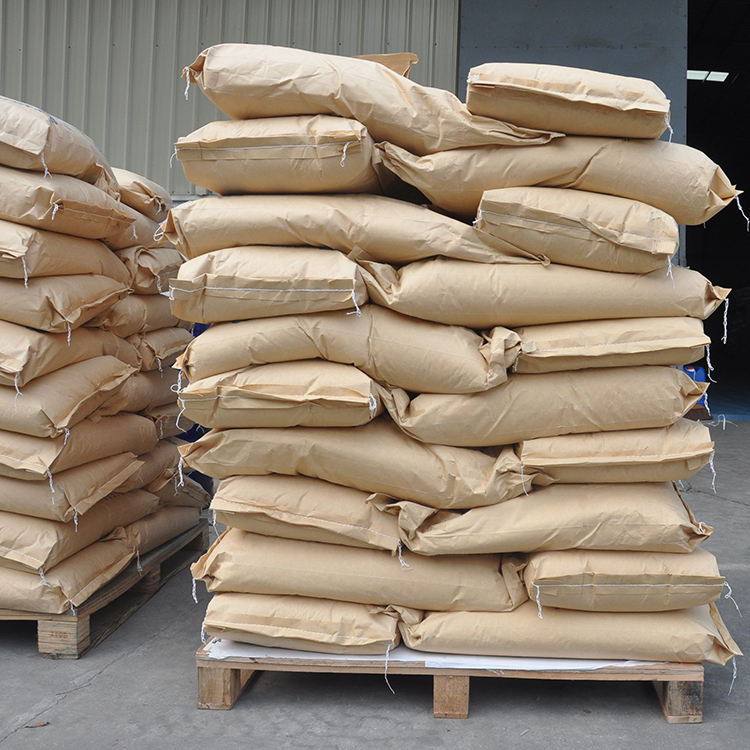
cmc sodium carboxymethyl cellulose
fungsi sodium carboxymethyl cellulose
sodium carboxy
sodium carboxy cellulose
sodium carboxy methyl cellulose
sodium carboxy methyl cellulose cmc
sodium carboxymethyl