Product Details
Carboxymethyl Cellulose Application
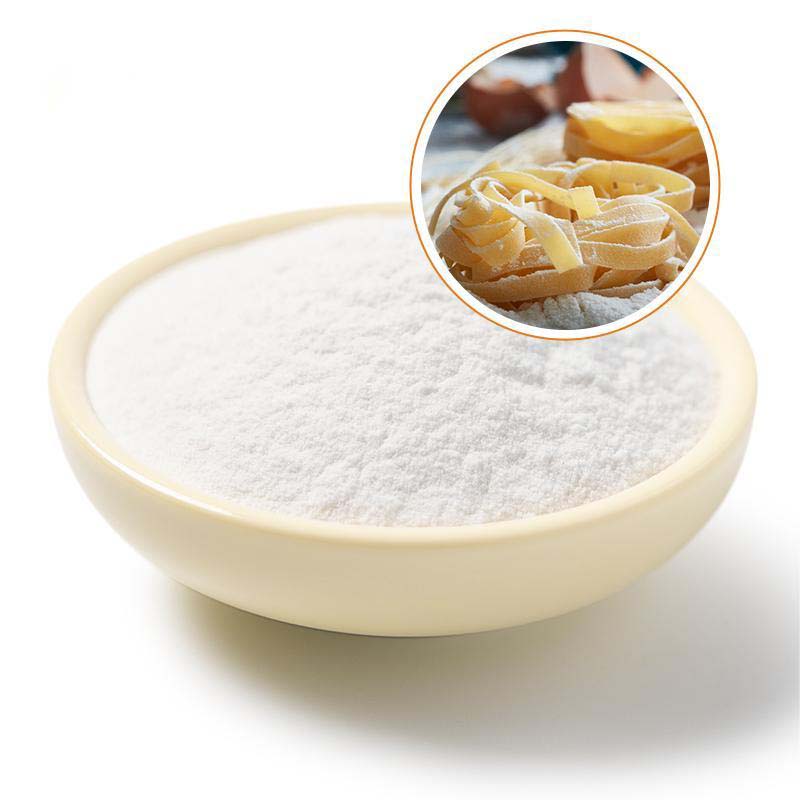
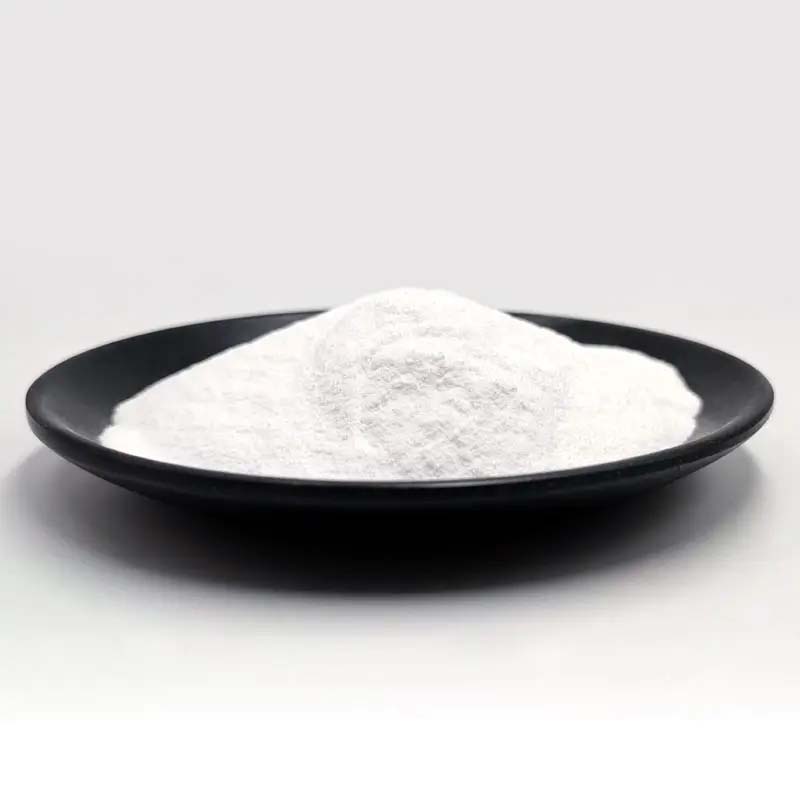
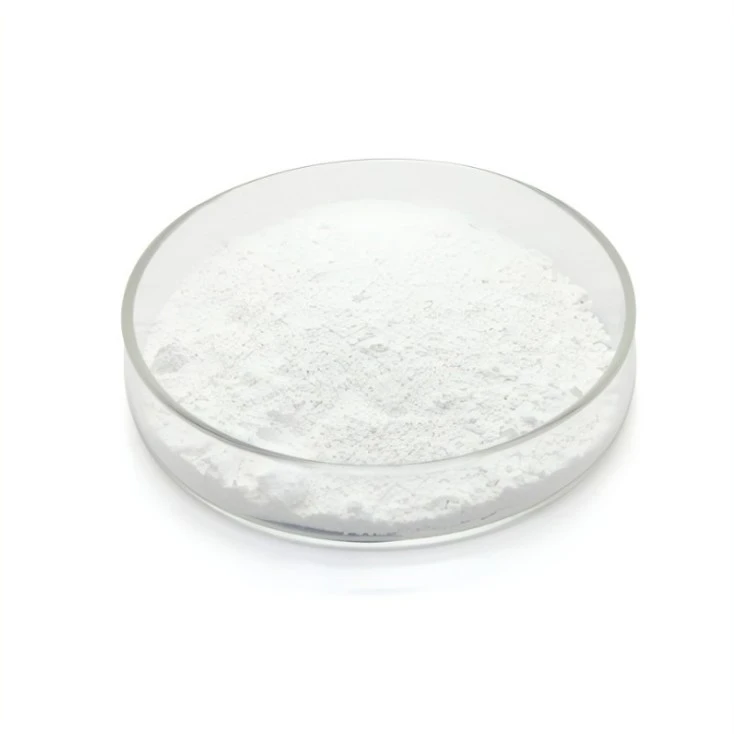
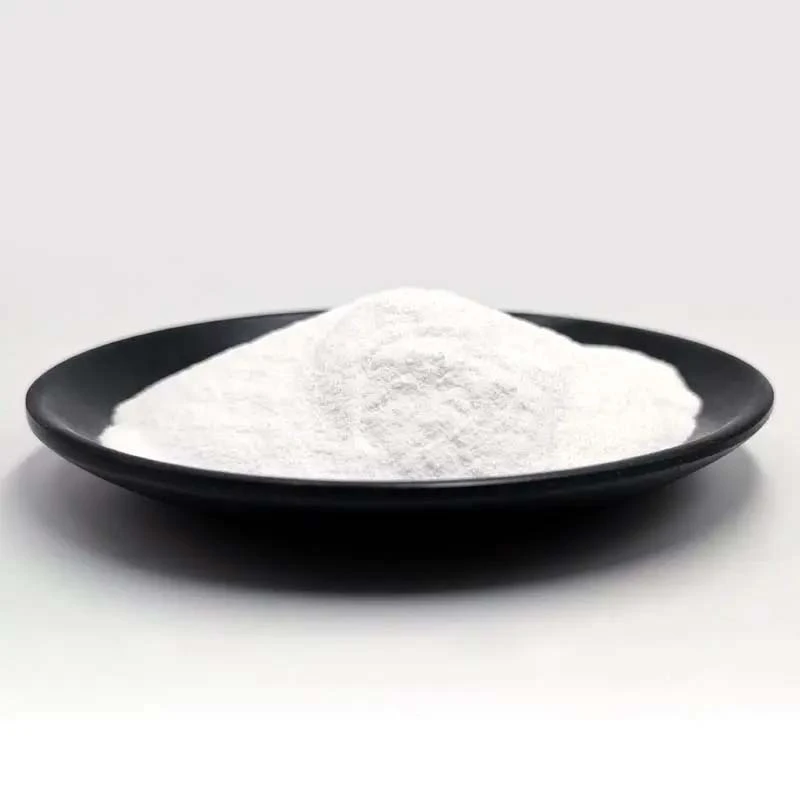
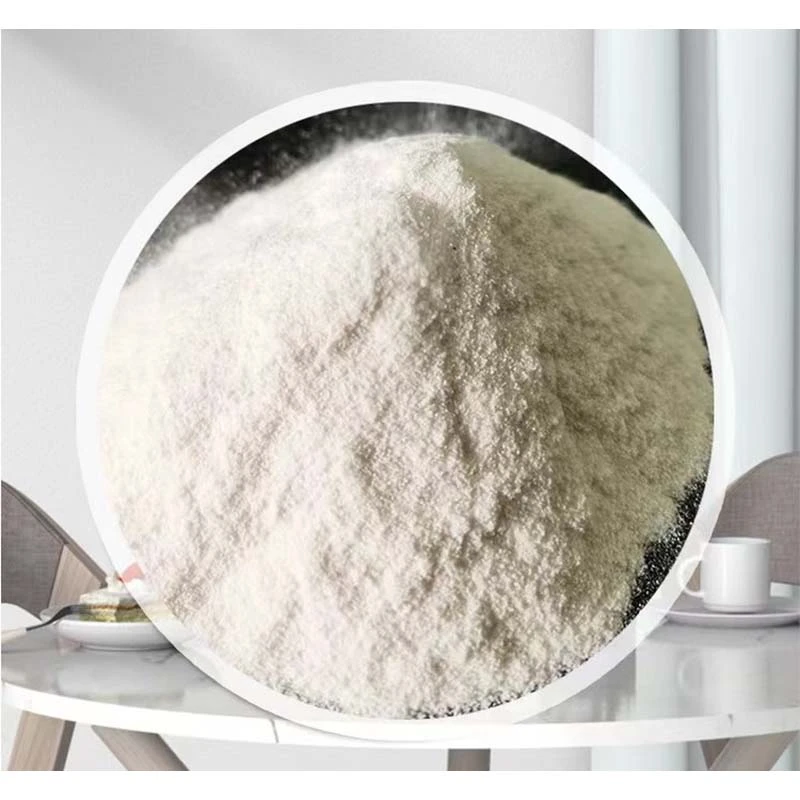
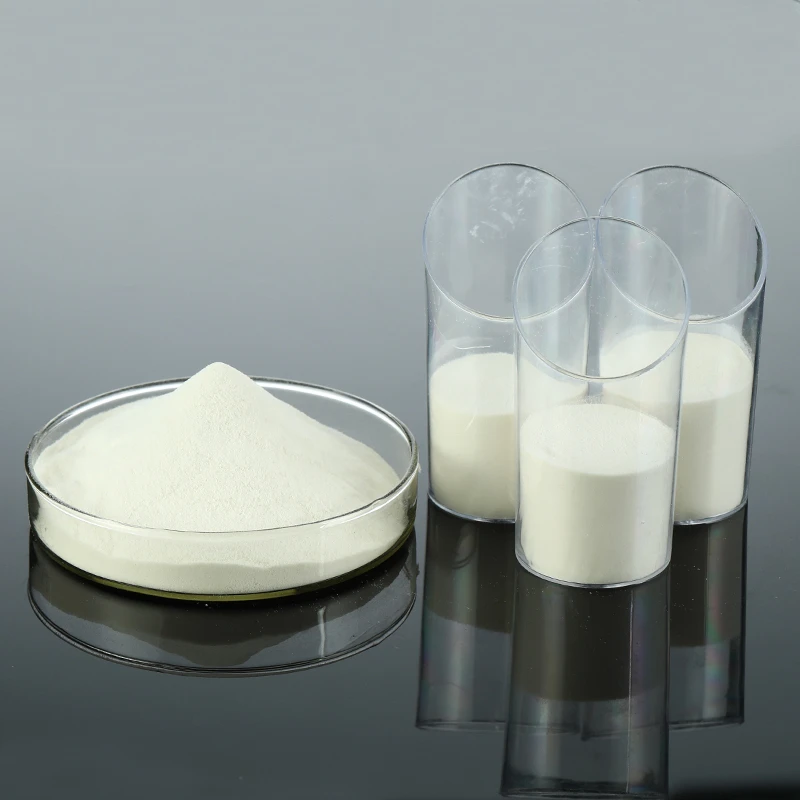
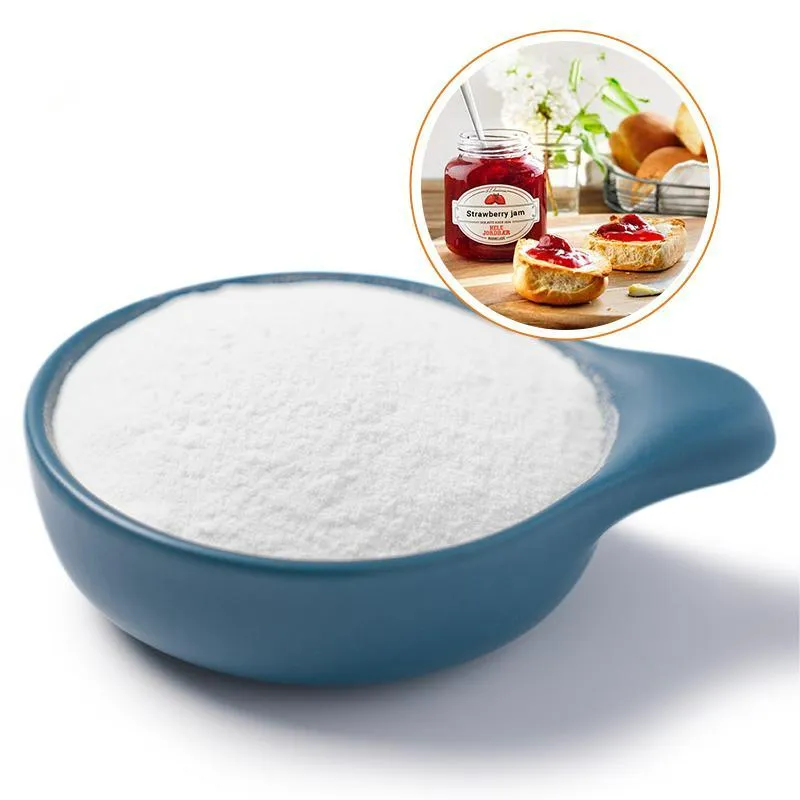
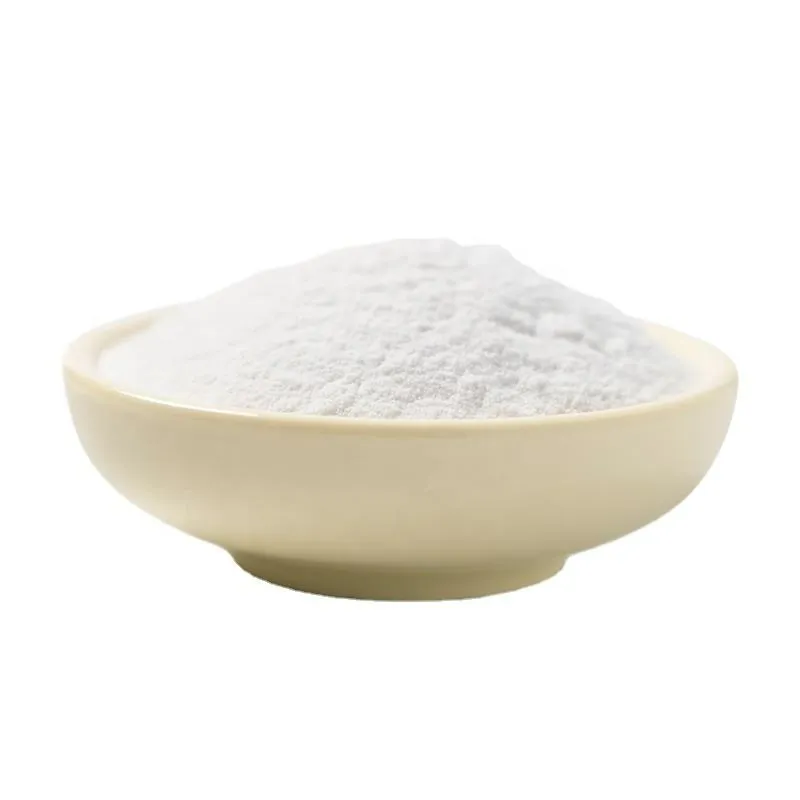
Carboxymethylcellulose (CMC) is a nontoxic and tasteless white flocculent powder with stable performance and is easy to dissolve in water. Sodium carboxymethylcellulose (CMC), commonly known as "industrial monosodium glutamate", is the most widely used and convenient product among cellulose ethers.
CMC can be used as binder, thickener, suspending agent, emulsifier, dispersant, stabilizer, sizing agent, etc.
Product Information
Place of Origin: Hebei Provience, China.
Availability: In stock.
Viscosity: 50-1200 m.Pas.
OEM Customization: Support.
Grade: Construction, paints and coating, oil production.
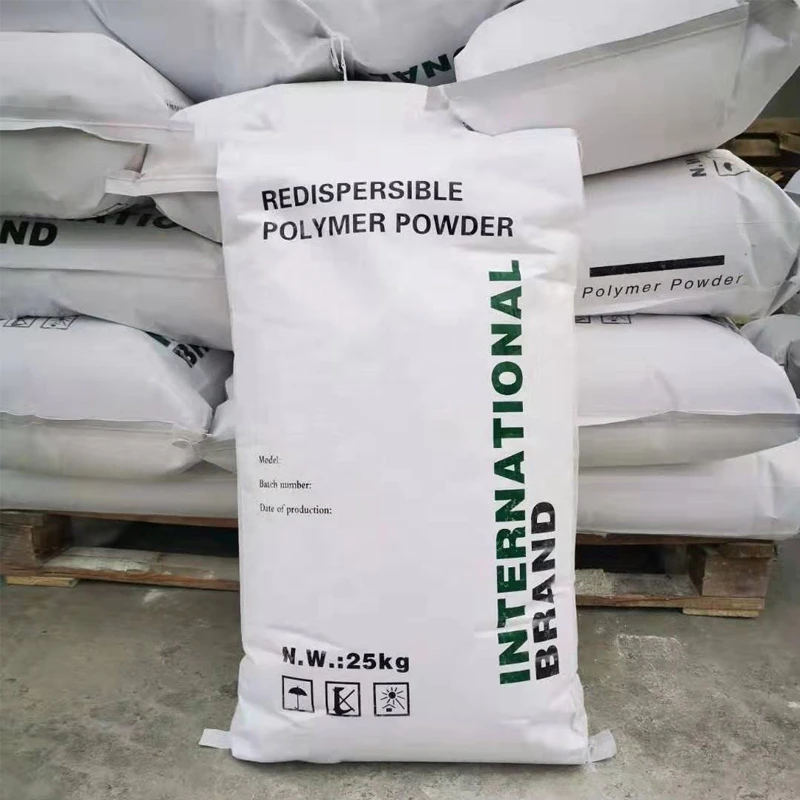
Package: 25 kg/bag; 600 kg/pallet.
Compliance: ISO, SGS, CANS, etc.
Free Sample: DHL or FedEx.
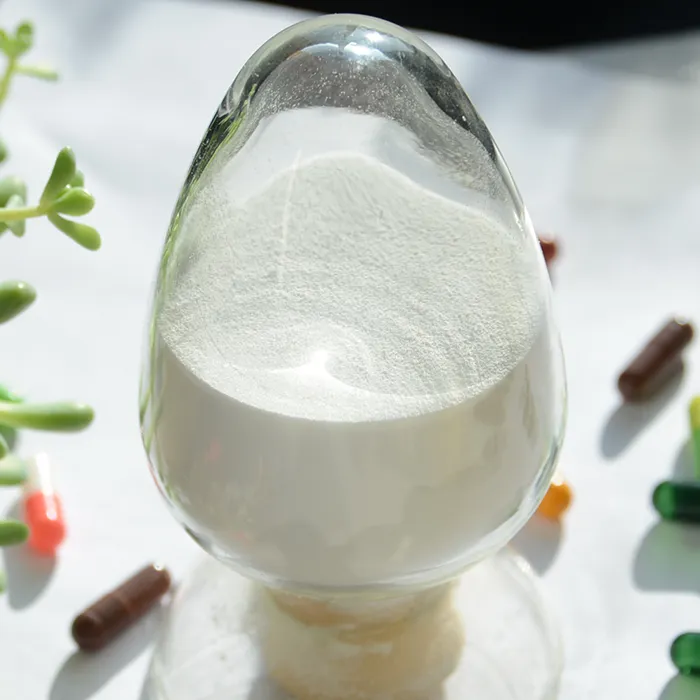
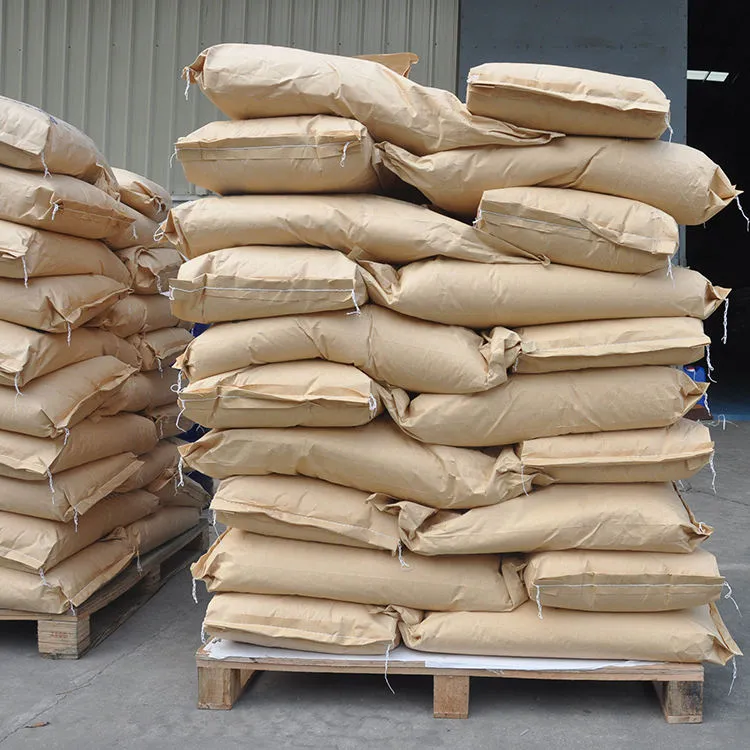
Excellent CMC Powder for Better Performance
- Almost odorless, odorless, and hygroscopic.
- Easy to disperse in water into a transparent colloidal solution, insoluble in organic solvents such as ethanol.
- The pH of the 3.1% aqueous solution is 6.5-8.5. When pH>10 or<5, the viscosity of the adhesive significantly decreases, and the performance is best at pH=7.
- It is thermally stable, with a rapid increase in viscosity below 20 ℃ and a slower change at 45 ℃. Prolonged heating above 80 ℃ can cause colloid denaturation while significantly reducing viscosity and performance.
- Easy to dissolve in water, transparent solution;
Example Application



Cost-Effective CMC Powder
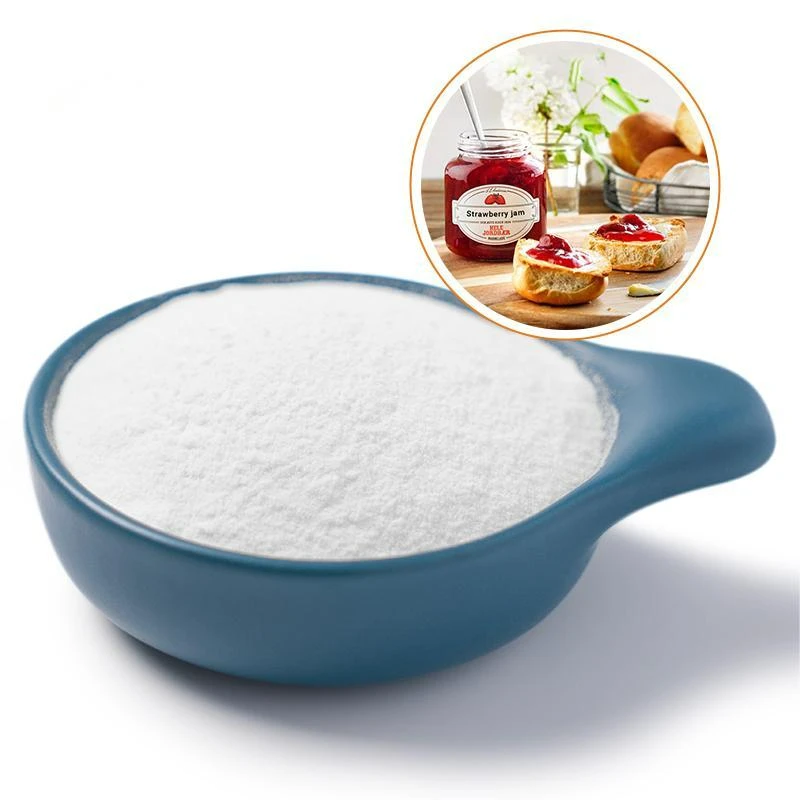
As a thickener and stabilizer for acidic dairy products, CMC prevents the protein in the dairy products from coagulating,precipitating and layering, makes the dairy products a unique and delicate taste.As a water-retaining agent for pastries and jam fillings, CMC prevents food dehydration, imparts certain thixotropy, improves storage stability, improves the gloss of pastries and prevents cracking.
| TESTS: | SPECIFICATIONS: |
| DESCRIPTION | WHITE OR OFF-WHITE POWDER |
| ODOR | ODORLESS |
| VISCOSITY | 1000~2000MPAS |
| PURITY | ≥99.5% |
| PH VALUE | 6.0~8.5 |
| DEGREE OF SUBSTITUTION | ≥0.8 |
| MOISTURE | ≤10.0% |
| PARTICLE SIZE,80MESH | ≥95%PASS |
| HEAVY MATAL | <15PPM |
| LEAD(Pb) | ≤5PPM |
| ARSENIC(As) | ≤2PPM |
| CHLORIDE(CT) | ≤1.2% |
| IRON (Fe) | <0.02% |
| YEAST AND MOULD | <100cfu/g |
| TOTAL PLATE COUNT | <1000cfu/g |

| DESCRIPTION | WHITE OR Yellowish POWDER |
| ODOR | ODORLESS |
| VISCOSITY | 1500~2000MPAS |
| PURITY | ≥65% |
| PH VALUE (25°C) | 8.0~11.0 |
| DEGREE OF SUBSTITUTION | 0.3-0.6 |
| MOISTURE | ≤8.0 |
| PARTICLE SIZE,80MESH | ≥99%PASS |
| BULK DENSITY(kg/m3) | 400-800 |
 Superior Quality ProductsConsistently high-quality, reliablechemical products.
 Innovative SolutionsCutting-edge technology and productdevelopment.
 Customizable OptionsTailored solutions to meet specificneeds.
 Exceptional CustomerDedicated support and customersatisfaction
Global Supply and Customization: Peze Technology as a Leading Carboxymethyl Cellulose Supplier
In today’s rapidly evolving industrial landscape, sourcing high-quality carboxymethyl cellulose (CMC) is essential for industries such as construction, textiles, detergents, and printing. Peze Technology (Shijiazhuang) Co., Ltd. has established itself as a leading CMC supplier, offering comprehensive solutions and global supply capabilities to meet the diverse needs of modern businesses.
Founded in Hebei Province, China, Peze Technology specializes in non-ionic cellulose ether and re-dispersible polymer powder (RDP), delivering reliable, high-performance products with a yearly output of 40,000 metric tons in 2022. The company’s products are readily available, with stock on hand, and offer a wide viscosity range of 50–1200 m.Pas, suitable for multiple industrial applications including construction, paints and coatings, and oil production. Peze supports OEM customization, ensuring that every batch can be tailored to meet specific customer requirements. Packaging options include 25 kg bags or 600 kg pallets, compliant with ISO, SGS, and CANS standards, and free samples are provided via DHL or FedEx.
One of the key advantages of Peze’s CMC is its excellent performance and versatility. The powder is almost odorless, hygroscopic, and cost-effective, functioning as a thickener and stabilizer in acidic dairy products, preventing protein coagulation and layering while enhancing texture and taste. In the food industry, it serves as a water-retaining agent for pastries and jam fillings, improving storage stability, gloss, and preventing cracking. CMC from Peze is easy to disperse in water to form a transparent colloidal solution and remains insoluble in organic solvents such as ethanol. It exhibits thermal stability with optimal viscosity near pH 7, and although prolonged heating above 80°C may reduce performance, it remains reliable under typical industrial conditions.
Peze Technology’s global reach and technical expertise set it apart from other CMC suppliers. A professional R&D and service team ensures that products are tailored to the specific needs of each client, supporting industries worldwide with consistent quality and performance. By adhering to the principle of “Quality first, Customer first,” Peze builds long-term, sustainable partnerships with clients, delivering reliable and innovative CMC solutions for diverse applications.
With its extensive production capacity, versatile product range, and commitment to customization, Peze Technology (Shijiazhuang) Co., Ltd remains a trusted global carboxymethyl cellulose supplier for companies seeking high-quality carboxymethyl cellulose.
CMC Powder Uses in Cosmetics & Others
Grade of CMC
Food Grade CMC
Detergent Grade CMC
Oil Drilling Grade CMC
Ceramics Grade CMC
Paint Grade CMC
Textile and Dyeing Grade CMC

Paper & Printing
CMC can be used as paper sizing agent in paper making industry,
in the ceramic industry as excipient of billet, plasticizer,
strengthening agent, used as a sizing agent in textile industry, the
cosmetics as hydrosol, as resistance to dirt redeposition agent in
detergent, in oil drilling mud can be used to protect the well as
stabilizing agent, water retention agent, used as a Vthickener in
the toothpaste, etc.

Other Carboxymethyl Cellulose Uses
Carboxymethyl cellulose (CMC), also known as sodium carboxymethyl cellulose, is a versatile cellulose derivative widely used across multiple industries due to its thickening, stabilizing, and water-retaining properties. Its adaptability makes it an essential ingredient in food, cosmetics, detergents, and personal care products. Below, we explore the main uses of CMC and why it is favored by manufacturers worldwide.
Carboxymethyl Cellulose in Food
In the food industry, CMC is used as a stabilizer, thickener, and water-retaining agent. It prevents the separation of ingredients in acidic products such as dairy drinks, ensuring smooth texture and uniform taste. In baked goods, jams, and fillings, CMC helps maintain moisture, improves shelf life, and prevents cracking, while also providing a desirable thixotropic consistency. Its neutral taste and easy solubility in water make it ideal for enhancing both quality and presentation in a variety of food applications.
Carboxymethyl Cellulose in Cosmetics
CMC in cosmetics is widely used for its ability to improve texture and stability in creams, lotions, and makeup products. It acts as a thickener and film-forming agent, providing smooth application and preventing ingredients from separating over time. Sodium carboxymethyl cellulose is particularly valued for its non-irritating and skin-friendly properties, making it suitable for facial masks, hair care products, and gel-based cosmetics. Its versatility allows cosmetic formulators to achieve consistent viscosity and enhance product performance.
Carboxymethyl Cellulose in Detergent
In detergents, CMC serves as a soil suspension and anti-redeposition agent. It prevents dirt from settling back onto fabrics during washing and improves overall cleaning efficiency. Its ability to form a protective layer on textiles reduces damage and maintains softness. Sodium carboxymethyl cellulose is widely incorporated in powdered, liquid, and high-efficiency detergents, making it an indispensable component for modern laundry formulations.
Carboxymethyl Cellulose in Toothpaste
CMC in toothpaste is used as a stabilizer and binder to ensure smooth consistency and prevent ingredient separation. It provides a uniform texture, allowing easy application and consistent release of fluoride and active agents. Additionally, its water-retaining and thickening properties help maintain the paste’s shape in the tube and improve shelf stability, making it a key ingredient in both standard and specialized toothpaste formulations.
In summary, sodium carboxymethyl cellulose (CMC) is a multifunctional ingredient with wide-ranging applications. From food and cosmetics to detergents and toothpaste, it improves texture, stability, and performance, making it a preferred choice for manufacturers seeking high-quality, reliable additives.
CMC Packaging&Sizes
-
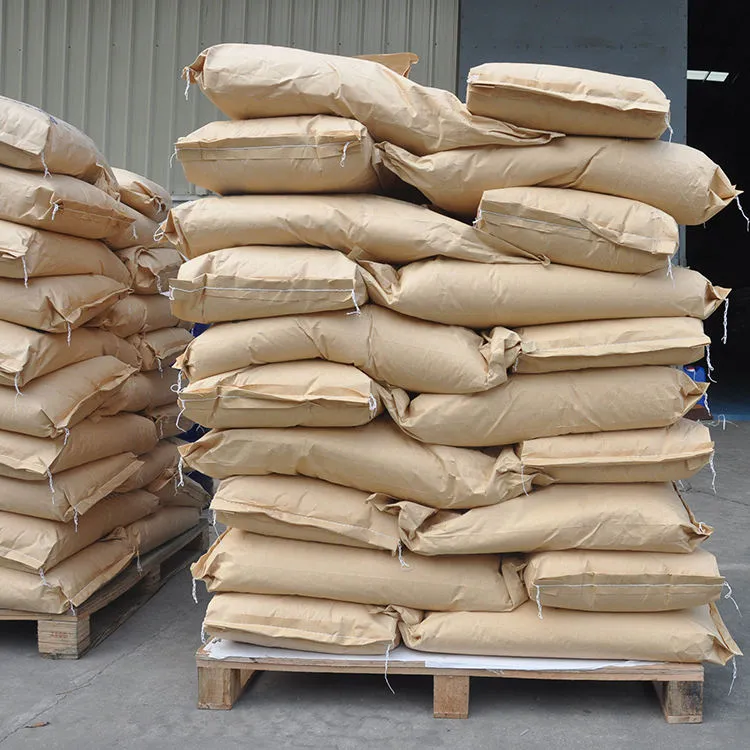 25kg BagCONTACT US
> Also available in 600kg/pallet and customized volumes.
CMC powder should be stored in sealed containers in dry condition.
-
 600kg PalletCONTACT US
> Also available in 25kg/bag and customized volumes.
CMC powder should be stored in sealed containers in dry condition.
-
Customized Volume
CONTACT US> Also available in 25kg/bag and customized volumes.
CMC powder should be stored in sealed containers in dry condition.
Carboxymethyl Cellulose Solution
Carboxymethyl Cellulose vs. Methyl Cellulose: Key Differences in Industrial and Food Applications
When selecting a cellulose derivative for specialized applications, the debate often centers on Carboxymethyl Cellulose (CMC) vs. Methyl Cellulose (MC). While both are modified natural polymers derived from cellulose, their chemical structures, solubility profiles, and functional behaviors in 2026’s industrial landscape differ significantly. Understanding these nuances is essential for optimizing product stability and performance.
Chemical Structure and Water Solubility
The most fundamental difference lies in their chemical modification. Carboxymethyl Cellulose (CMC) is an anionic linear polysaccharide where carboxymethyl groups are bonded to the hydroxyl groups of the glucopyranose monomers. This ionic nature makes CMC highly soluble in both cold and hot water, forming a clear, viscous solution. In contrast, Methyl Cellulose (MC) is a non-ionic ether where methyl groups replace the hydroxyl groups. Unlike CMC, MC exhibits a unique property called thermal gelation: it is soluble in cold water but forms a semi-solid gel when heated, reverting to a liquid state upon cooling.
Thickening, Binding, and Film-Forming Properties
In the food and pharmaceutical industries, both serve as thickeners, but their physical "feel" and stability vary.
• CMC (Carboxymethyl Cellulose): Known for its excellent water-binding capacity and ability to prevent ice crystal growth, CMC is the gold standard for dairy products, beverages, and gluten-free baking. It provides a smooth, creamy texture and acts as a superior stabilizer in protein-heavy environments.
• Methyl Cellulose (MC): Because of its thermal gelling properties, MC is indispensable in meat analogues and plant-based foods. It provides the "bite" or structural firmness required when a product is cooked, which CMC cannot replicate. It is also a preferred film-former in the pharmaceutical industry for tablet coatings.
Industrial Applications and 2026 Trends
From a technical SEO perspective, the choice often depends on the pH and temperature of the environment. CMC is highly effective in neutral to slightly alkaline conditions but can be sensitive to high salt concentrations. MC, being non-ionic, is generally more resistant to electrolytes and pH fluctuations, making it a robust choice for construction materials like cement and tile adhesives. In the 2026 shift toward sustainable green chemistry, both derivatives are prized for being biodegradable; however, CMC’s high solubility often makes it the preferred choice for eco-friendly detergents and paper coatings, while MC dominates in high-temperature industrial processing.
Summary Verdict: Choose CMC for high-viscosity stabilization and cold-water solubility. Opt for Methyl Cellulose when thermal gelation, heat resistance, or non-ionic stability is required for your specific formulation.
sodium carboxymethyl cellulose in toothpaste
sodium carboxymethyl cellulose powder
sodium carboxymethyl cellulose vegan
sodium carboxymethylcellulose in food
sodium carboxymethylcellulose vegan
sodium cmc