
HPMC (ไฮดรอกซีโพรพิล เมทิล เซลลูโลส)
HPMC is a versatile additive that significantly improves the performance of construction materials. Its water retention property prevents rapid drying in cement and gypsum-based products, ensuring proper hydration and reducing cracking or weak hardening. This makes it essential for mortars, plasters, and tile adhesives exposed to varying weather conditions.
The polymer enhances workability by increasing mortar plasticity, allowing for smoother application in industrial coatings and rendering. This leads to better spreadability and improved efficiency during construction. Additionally, HPMC boosts cohesiveness, strengthening the bond between mortar and substrates like concrete, brick, or insulation boards.
Thanks to its thickening effect, HPMC also provides anti-slip resistance, preventing tile adhesives or plaster from sliding on vertical surfaces during application. These properties make HPMC a crucial additive in high-performance construction materials, ensuring durability, ease of use, and long-term structural integrity.
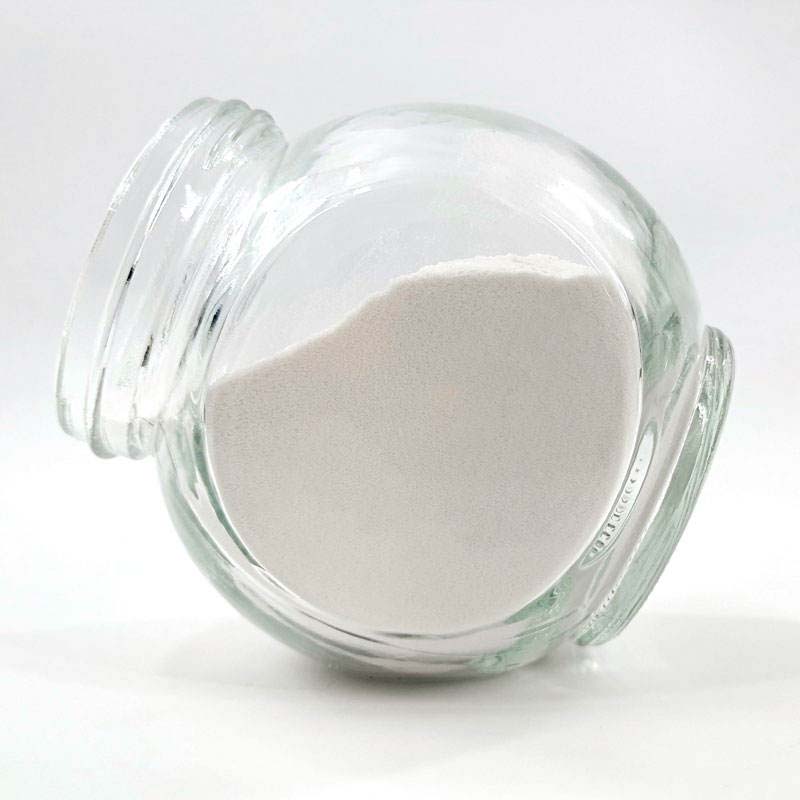
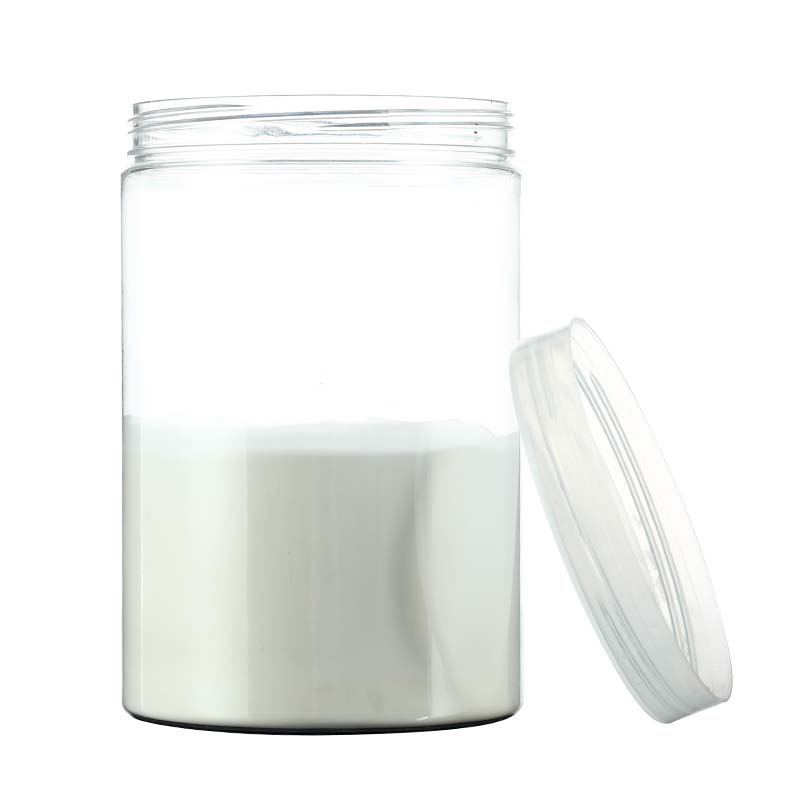
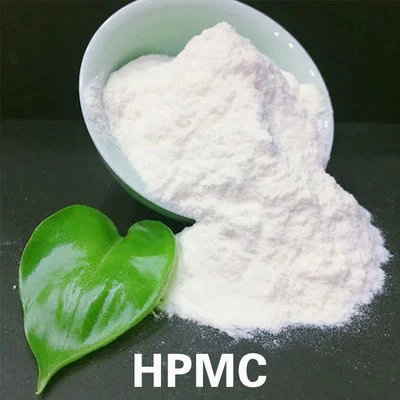
What is Hydroxypropyl Methyl Cellulose (HPMC) Used For?
Hydroxypropyl methyl cellulose (HPMC) is a multifunctional cellulose ether widely used in construction, pharmaceuticals, food, and personal care industries. In construction materials, it acts as a thickener, water retention agent, and workability enhancer in cement-based mortars, tile adhesives, gypsum plasters, and self-leveling compounds. HPMC improves adhesion, reduces cracking, and ensures smooth application in renders and exterior insulation systems.
In pharmaceuticals, HPMC serves as a binder, film-coating agent, and controlled-release matrix in tablets and capsules. It is also used in food products as an emulsifier, stabilizer, and thickener in sauces, dairy products, and gluten-free baking. Additionally, HPMC is found in cosmetics and personal care products, such as shampoos, lotions, and toothpaste, where it functions as a viscosity modifier and film-forming agent.
Is Hydroxypropyl Methylcellulose (HPMC) Safe?
Yes, HPMC is considered safe for various applications when used as directed. It is non-toxic, biodegradable, and non-irritating to the skin and eyes. In food and pharmaceuticals, HPMC is approved by regulatory agencies like the FDA (U.S.), EFSA (Europe), and WHO as a generally recognized as safe (GRAS) additive.
Since HPMC is derived from plant cellulose and does not contain harmful chemicals, it is widely used in vegan and vegetarian products as an alternative to animal-based gelatin. However, excessive inhalation of HPMC powder in industrial settings should be avoided, as it may cause mild respiratory irritation. Proper handling with protective equipment ensures safe usage in construction and manufacturing processes.
HPMC Grades and Uses
Understanding HPMC grades and uses is essential for selecting the right material for industrial and commercial applications. Hydroxypropyl Methylcellulose, commonly known as cellulose ether HPMC, is a versatile polymer widely used across construction, pharmaceuticals, food, and personal care industries. Different grades of HPMC cellulose are designed to meet specific performance requirements, mainly based on viscosity, substitution level, and functional properties.
One of the primary ways to classify HPMC powder is by viscosity grade. Low-viscosity grades are typically used in self-leveling compounds and liquid formulations where smooth flow and easy application are critical. Medium-viscosity grades are commonly applied in tile adhesives, wall putty, and gypsum-based products, offering balanced water retention and workability. High-viscosity cellulose ether HPMC is ideal for thickening applications such as exterior wall insulation systems (EIFS), cement renders, and dry-mix mortars, where enhanced bonding strength and sag resistance are required.
In the construction industry, HPMC cellulose plays a crucial role as a water-retaining agent and thickener. It helps improve cement hydration, extend open time, and enhance adhesion, making it indispensable in tile adhesives, plastering mortars, and joint fillers. The performance of HPMC powder in these applications directly affects the final strength and durability of building materials.
In pharmaceutical applications, different grades of cellulose ether HPMC are used as excipients in tablet formulations. Low-viscosity grades are suitable for film coating, providing smooth and uniform coverage, while high-viscosity grades are used in controlled-release tablets due to their gel-forming properties. This makes HPMC cellulose a critical ingredient in modern drug delivery systems.
The food industry also benefits from the multifunctionality of HPMC powder, where it serves as a thickener, stabilizer, and emulsifier. It is often used in bakery products, sauces, and dairy alternatives to improve texture and shelf life. Similarly, in personal care products such as shampoos and lotions, cellulose ether HPMC enhances viscosity and provides a smooth, consistent feel.
Overall, selecting the right grade of HPMC cellulose depends on the specific application requirements, including viscosity, thermal gelation, and water retention performance. By understanding the differences between various HPMC powder grades, manufacturers can optimize product performance and achieve better results across diverse industries.
HPMC Function: Key Roles and Applications in Modern Industries
Hydroxypropyl Methylcellulose (HPMC) is a versatile, non-ionic cellulose ether widely used across multiple industries due to its unique physical and chemical properties. When discussing HPMC function, it is important to understand that its value lies in its ability to act as a thickener, binder, film-former, stabilizer, and water-retention agent—all in one material. These multifunctional characteristics make HPMC a critical additive in construction, pharmaceuticals, food, and personal care applications.
One of the most important HPMC functions is water retention. In construction materials such as tile adhesives, cement mortar, and plaster, HPMC helps retain moisture, ensuring proper hydration of cement particles. This improves workability, extends open time, and enhances bonding strength. Without effective water retention, materials can dry too quickly, leading to cracks and reduced durability. Therefore, HPMC plays a direct role in improving construction quality and long-term performance.
Another key function is thickening and rheology control. HPMC increases viscosity in aqueous solutions, allowing manufacturers to control flow properties precisely. This is especially valuable in paints, coatings, and personal care products where consistency and ease of application are essential. By adjusting viscosity, HPMC ensures smooth spreading, prevents sagging, and enhances product stability.
HPMC also serves as an excellent film-forming agent. In pharmaceutical applications, it is commonly used in tablet coatings and controlled-release formulations. The film formed by HPMC is uniform, transparent, and flexible, which helps protect active ingredients and regulate drug release rates. This function is critical in improving drug efficacy and patient compliance.
Additionally, binding and stabilizing functions make HPMC indispensable in both food and pharmaceutical industries. It acts as a binder in tablet formulations, ensuring structural integrity, and as an emulsifier or stabilizer in food products like sauces and dairy alternatives. HPMC helps maintain uniform texture and prevents ingredient separation, enhancing overall product quality.
Finally, HPMC offers thermal gelation properties, meaning it can form gels at higher temperatures and revert to liquid when cooled. This unique characteristic is particularly useful in food processing and specialty industrial applications where temperature-sensitive behavior is required.
In summary, the diverse HPMC functions—including water retention, thickening, film formation, binding, and thermal gelation—make it an essential additive across industries. Its adaptability and performance-enhancing properties continue to drive its growing demand in global markets.
What Are the Different Types of HPMC?
Hydroxypropyl Methylcellulose (HPMC) is a versatile, non-ionic cellulose ether widely used across construction, pharmaceuticals, food, and personal care industries. While the base chemical structure remains consistent, different types of HPMC are classified based on their viscosity, substitution degree, and specific application performance. Understanding these variations helps manufacturers select the most suitable grade for their formulations.
1. HPMC by Viscosity Grades
One of the most common ways to categorize HPMC is by viscosity, which directly affects thickening, water retention, and workability. Low-viscosity HPMC (e.g., 5–100 mPa·s) is typically used in self-leveling compounds and liquid formulations where easy flow is required. Medium-viscosity grades (around 400–5,000 mPa·s) are widely used in tile adhesives and wall putty, offering a balance between workability and stability. High-viscosity HPMC (above 10,000 mPa·s) is ideal for applications requiring strong thickening and water retention, such as cement-based mortars and gypsum products.
2. HPMC by Substitution Type
HPMC types also differ based on the degree of methoxy and hydroxypropyl substitution. These chemical modifications influence solubility, gel temperature, and thermal stability. Higher methoxy content generally leads to better water solubility and lower gel temperatures, while higher hydroxypropyl content improves flexibility and resistance to enzymatic degradation. Manufacturers often customize substitution levels to meet specific industry requirements, particularly in pharmaceuticals and food products.
3. Construction-Grade HPMC
Construction-grade HPMC is specifically engineered for building materials such as tile adhesives, cement renders, and dry-mix mortars. It provides excellent water retention, improves open time, and enhances adhesion strength. This type of HPMC ensures consistent performance even under challenging environmental conditions, making it essential for modern construction applications.
4. Pharmaceutical-Grade HPMC
Pharmaceutical-grade HPMC is highly purified and meets strict regulatory standards. It is commonly used as a binder, film former, and controlled-release agent in tablets and capsules. Due to its biocompatibility and non-toxic nature, it plays a crucial role in drug delivery systems, especially in sustained-release formulations.
5. Food-Grade HPMC
Food-grade HPMC is used as a thickener, emulsifier, and stabilizer in products such as sauces, dairy alternatives, and baked goods. It improves texture, moisture retention, and shelf life while remaining safe for consumption. This type must comply with food safety regulations and is often labeled as an additive in processed foods.
In summary, the different types of HPMC are defined by their viscosity, chemical substitution, and end-use applications. Selecting the right type ensures optimal performance, whether in construction materials, pharmaceutical formulations, or food products.
HPMC FAQs
What are the primary application areas of HPMC in the construction industry?
HPMC is widely used in tile adhesives, putty powder, cement-based mortar, gypsum-based mortar, self-leveling compounds, and exterior insulation mortar. It primarily functions as a thickener, water retention agent, and workability improver.
How to Select Suitable HPMC Grade?
Choose appropriate HPMC products based on viscosity, solubility and water retention capacity according to specific application requirements. Different construction needs correspond to different HPMC specifications.
What are the usage methods and precautions for HPMC?
Slowly add HPMC into water while stirring to avoid lump formation. Complete dissolution before mixing with other materials ensures optimal performance.
Can HPMC Be Mixed with Other Additives?
Yes, HPMC can be combined with various additives like redispersible polymer powder, other cellulose ethers and defoamers. The specific combination depends on formulation requirements.
What are the storage conditions for HPMC?
Store in cool, dry place away from direct sunlight and high temperature. Keep packages sealed to prevent moisture absorption and caking.
What is HPMC cellulose?
HPMC (Hydroxypropyl Methylcellulose) is a semi-synthetic, non-ionic cellulose ether derived from natural plant fibers. It is modified through chemical processes to enhance its solubility, thickening ability, and stability, making it suitable for a wide range of industrial applications.
What are the main uses of HPMC?
HPMC is commonly used in construction materials like tile adhesives, cement mortars, and wall putty due to its water retention and thickening properties. In pharmaceuticals, it acts as a binder, film coating agent, and controlled-release material. In the food industry, it serves as a stabilizer, emulsifier, and thickener.
Is HPMC safe to use?
Yes, HPMC is considered safe and non-toxic. Food-grade and pharmaceutical-grade HPMC comply with strict international safety standards. It is widely used in consumable products and medicines without harmful effects when used appropriately.
What is the difference between HPMC and other cellulose ethers?
Compared to other cellulose ethers like methyl cellulose (MC) or carboxymethyl cellulose (CMC), HPMC offers better temperature stability, improved water retention, and more consistent viscosity performance. It is also less sensitive to pH changes, making it more versatile.
How does HPMC improve construction materials?
In construction, HPMC enhances water retention, improves workability, increases open time, and boosts adhesion strength. This results in better bonding performance and reduced cracking in cement-based products.
What viscosity of HPMC should I choose?
The choice depends on the application. Low-viscosity HPMC is suitable for self-leveling compounds, medium viscosity for tile adhesives and wall putty, and high viscosity for mortars requiring strong water retention and thickening effects.
Is HPMC soluble in water?
Yes, HPMC is water-soluble, but it dissolves differently depending on temperature. It disperses in cold water and forms a clear or slightly cloudy solution. In hot water, it may initially clump but will dissolve upon cooling.
Can HPMC be customized?
Yes, manufacturers can tailor HPMC based on viscosity, substitution degree, and performance characteristics to meet specific industry requirements, ensuring optimal functionality for different applications.
How should HPMC be stored?
HPMC should be stored in a cool, dry place away from moisture and direct sunlight. Proper storage helps maintain its stability and performance over time.
Why is HPMC important in modern industries?
HPMC plays a critical role due to its multifunctional properties, including thickening, binding, film-forming, and stabilizing abilities. Its versatility makes it an essential additive in construction, pharmaceuticals, and food production.
These FAQs provide a clear overview of HPMC cellulose, helping users better understand how to select and use it effectively across various applications.