
ব্লগ
-
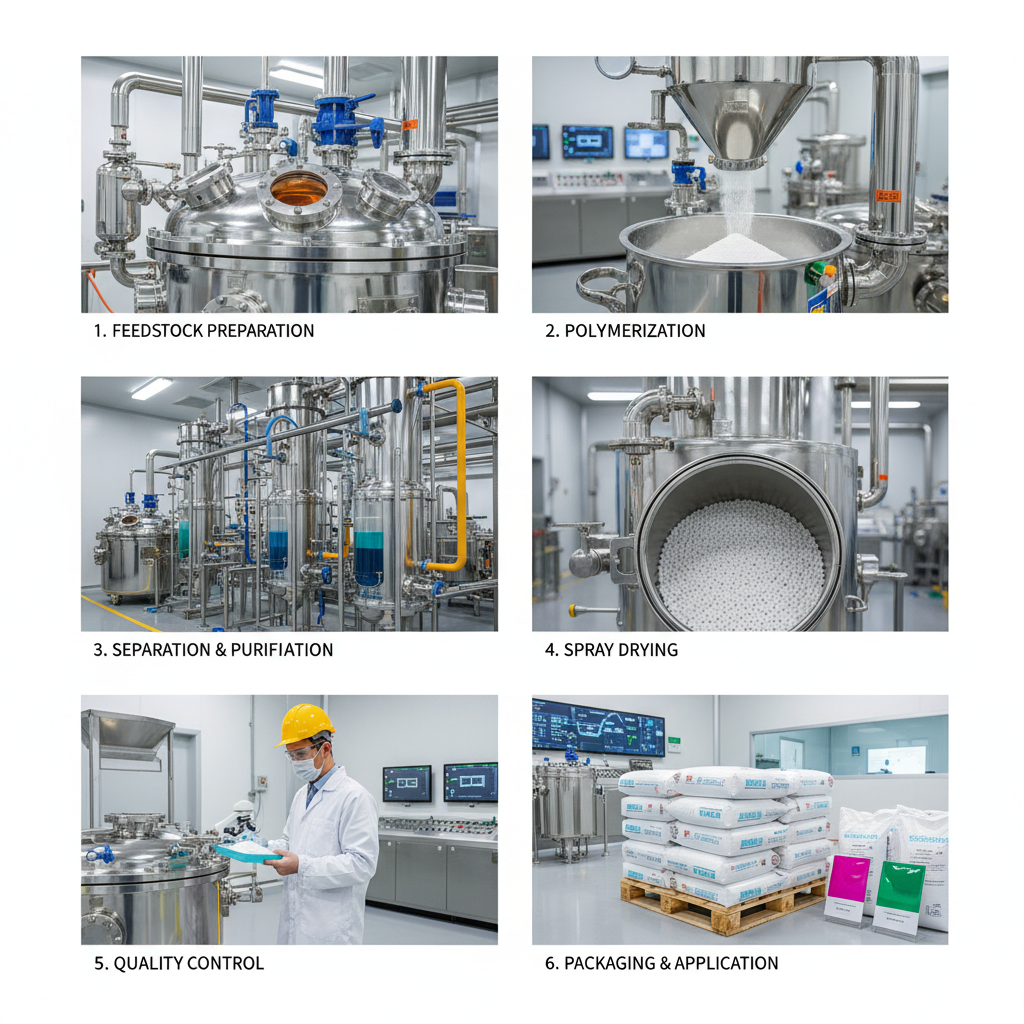 In today's global digital landscape, establishing a strong online presence is crucial for businesses, especially those involved in cross-border e-commerce. Virtual Application Environment (VAE) and Remote Desktop Protocol (RDP) play a significant role in providing secure, scalable, and reliable access to online resources, impacting SEO and overall business operations. This article delves into the intricacies of VAE RDP, its benefits for cross-border trade, and how it can optimize your online strategies. Understanding and leveraging these technologies can significantly enhance your website's performance and reach a wider international audience. VAE, or Virtual Application Environment, creates isolated virtual environments for running applications. This is particularly useful for businesses needing consistent application performance across diverse geographical locations. RDP, on the other hand, is a protocol developed by Microsoft that allows users to access and control another computer over a network connection. When combined, VAE and RDP provide a secure and efficient solution for accessing business-critical applications remotely.আরও পড়ুন
 -
 Vinyl Acetate Ethylene (VAE) powder is a versatile polymer gaining prominence across diverse industries. Its unique properties make it ideal for applications ranging from adhesives and coatings to textile finishing and construction. This article provides a comprehensive overview of VAE powder, exploring its benefits, common uses, and considerations for sourcing high-quality material. We’ll delve into why Pezetech is a trusted partner for VAE powder needs. Understanding the nuances of VAE powder is essential for achieving optimal performance in your products. VAE powder is a synthetic resin produced by the copolymerization of vinyl acetate and ethylene. The ratio of vinyl acetate to ethylene can be adjusted to tailor the powder’s properties, offering flexibility for various applications. Key characteristics include excellent adhesion, flexibility, water resistance, and good film-forming capabilities. These attributes make it a valuable ingredient in formulations requiring strong bonding and durability. The ability to modify the composition allows manufacturers to achieve specific performance criteria, making VAE powder a highly adaptable material. VAE powder finds widespread use across numerous industries. In the adhesive sector, it's a primary component in wood adhesives, packaging adhesives, and pressure-sensitive adhesives. Coatings benefit from its flexibility and water resistance, making it suitable for paints, textile coatings, and paper coatings.আরও পড়ুন
 -
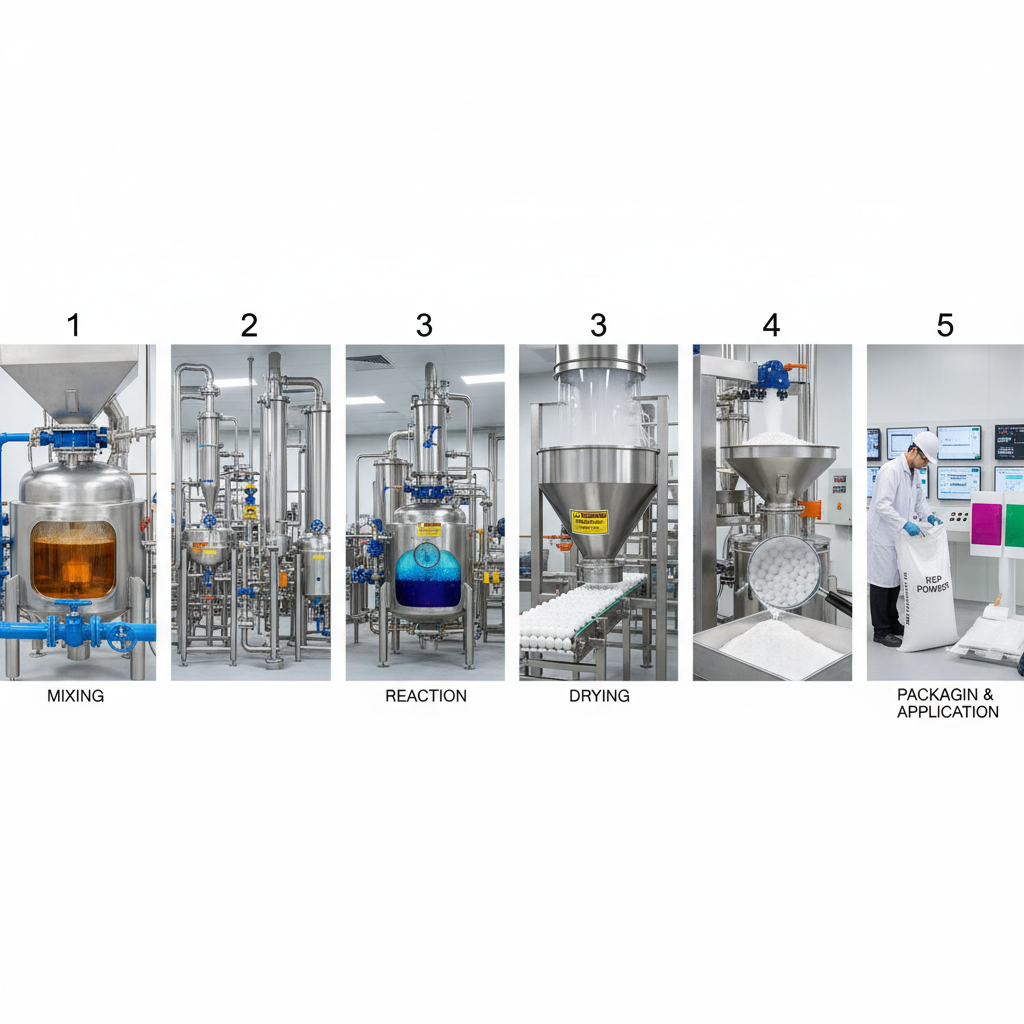 Redispersible polymer powder (RDP) is a vital ingredient in modern construction materials, enhancing their performance and durability. From tile adhesives to external wall insulation systems (EWI), RDP powder from Pezetech plays a critical role in improving workability, adhesion, and flexibility. This article provides a detailed overview of RDP powder, exploring its composition, applications, benefits, and selection considerations. We'll delve into the science behind RDP and its impact on the quality of your projects. RDP powder is a finely divided polymer resin that's been spray-dried. This process encapsulates the polymer in a protective coating, allowing it to be easily dispersed in dry-mix formulations. When water is added, the polymer particles re-emulsify, forming a binding film that improves the performance characteristics of the final product.আরও পড়ুন
 -
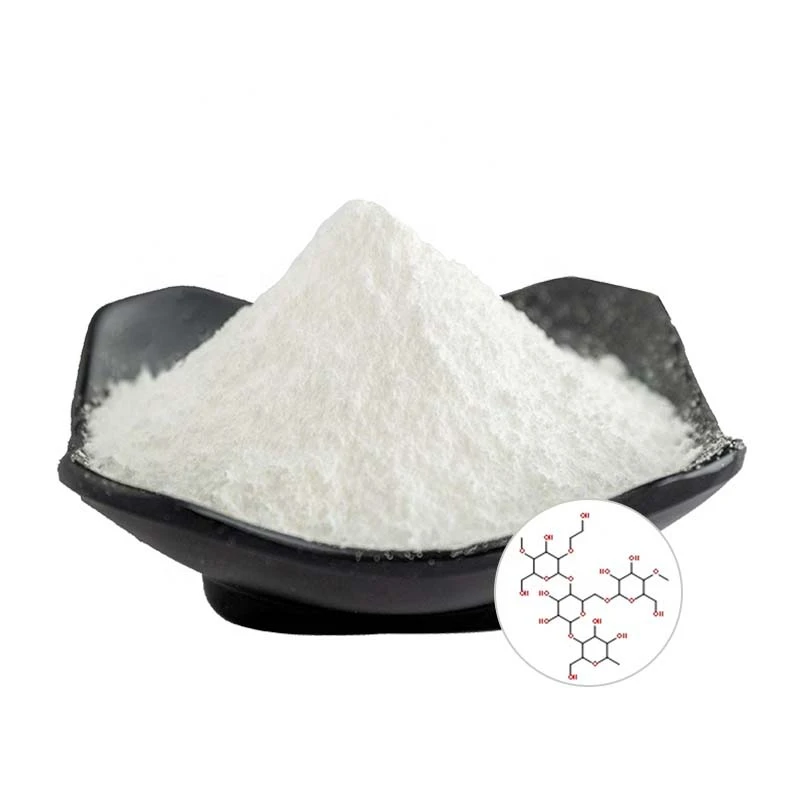 Hydroxyethyl Cellulose (HEC) has become an indispensable ingredient in modern coatings and painআরও পড়ুন
 -
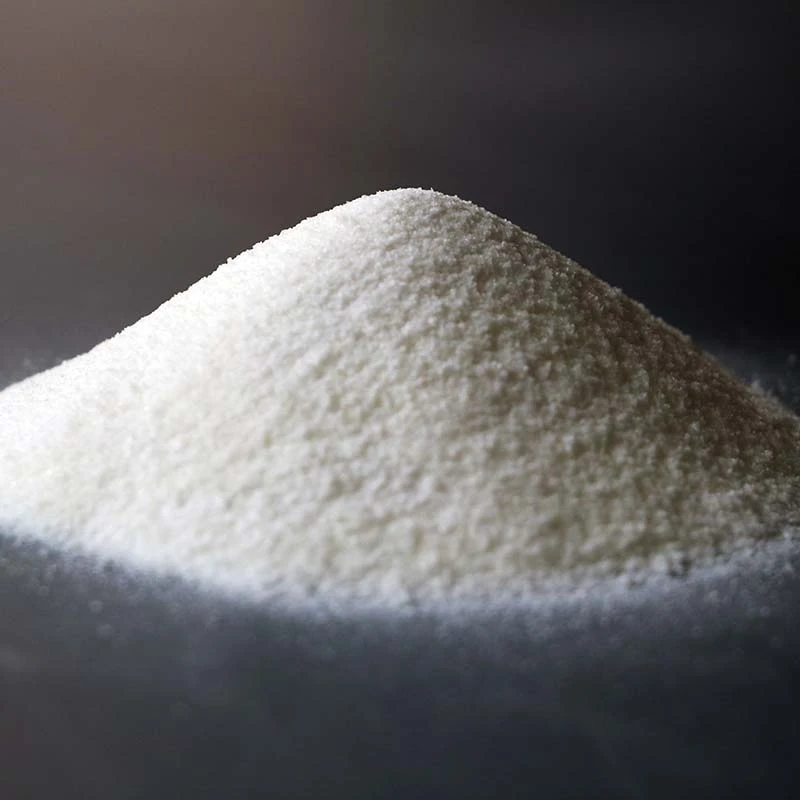 In the world of polymers and industrial additives, HEC hydroxyethyl cellulose has emerged as aআরও পড়ুন
 -
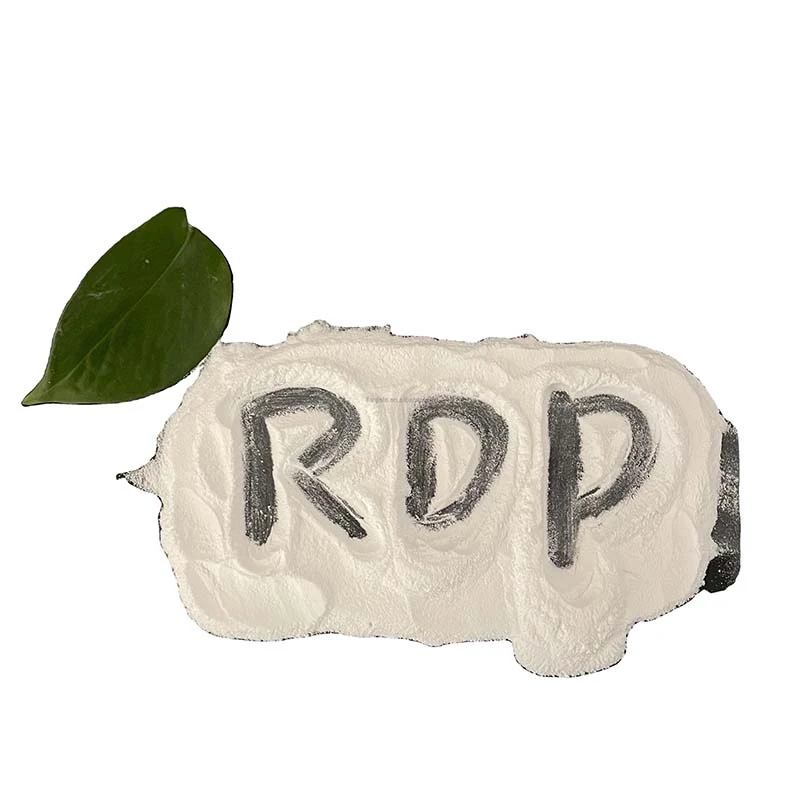 Redispersible polymer powder (RDP) has emerged as a crucial additive in modern construction andআরও পড়ুন
 -
 In modern construction, achieving durable and reliable tile installations requires advanced matআরও পড়ুন
 -
 Carboxymethyl Cellulose (CMC) is a versatile cellulose derivative widely used across industrialআরও পড়ুন
 -
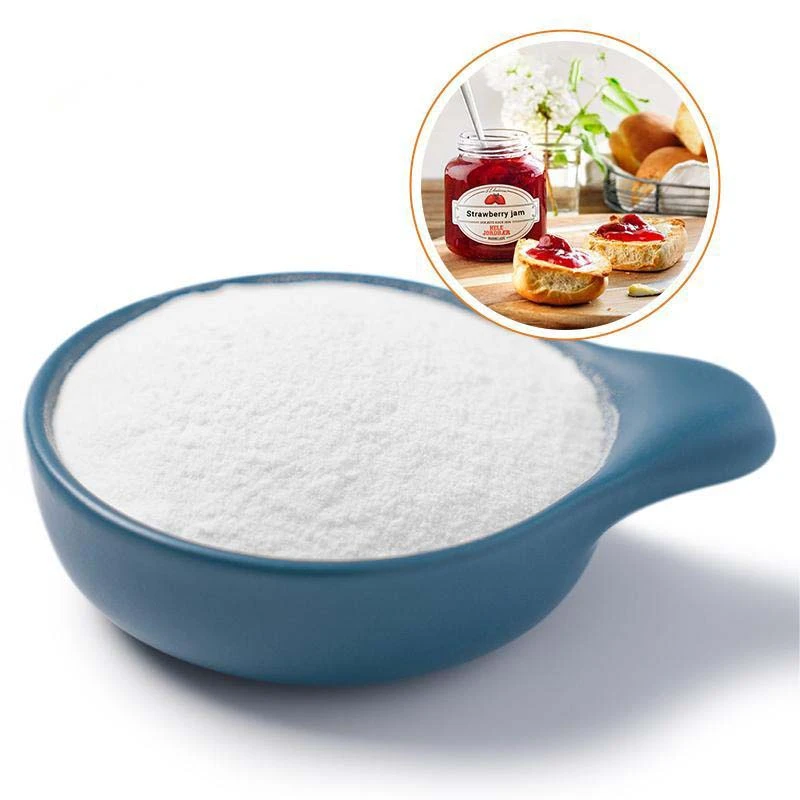 Carboxymethyl Cellulose, commonly abbreviated as CMC, is a versatile cellulose derivative widelআরও পড়ুন
 -
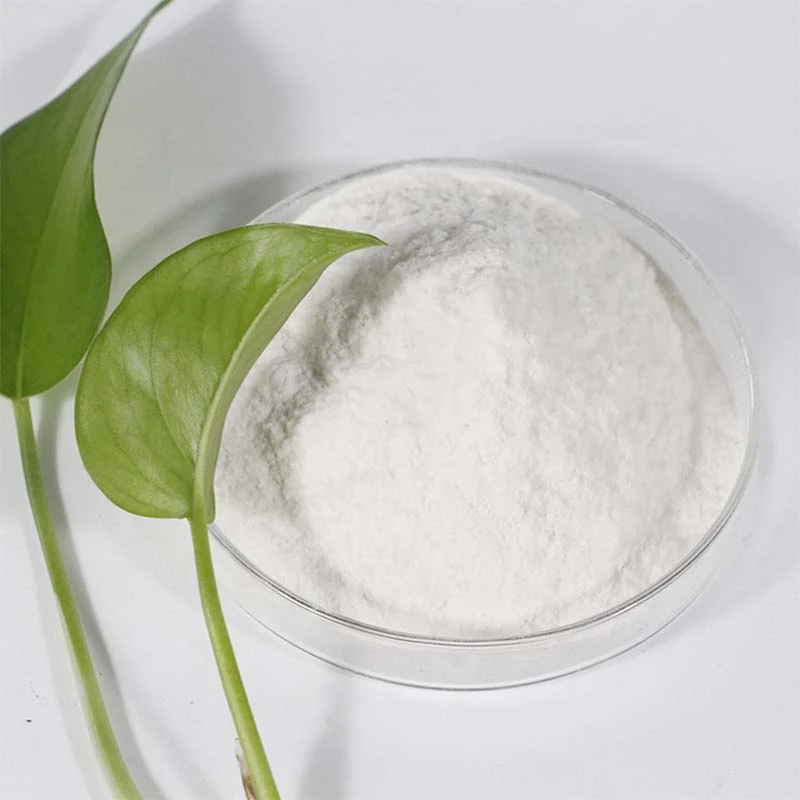 Tile adhesives play a critical role in modern construction, ensuring durability, ease of instalআরও পড়ুন
 -
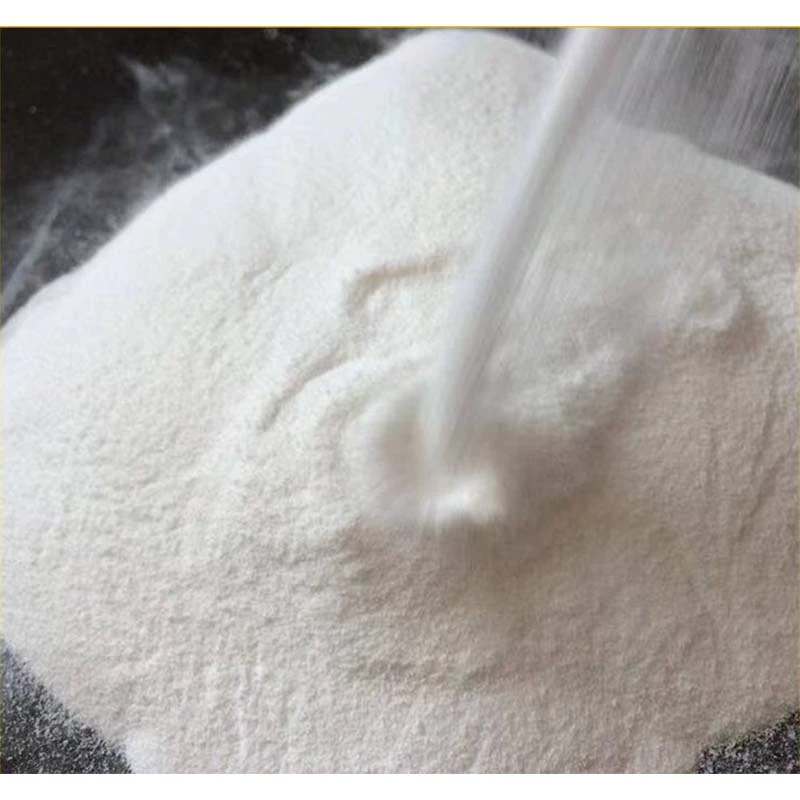 The construction industry continuously demands high-performance materials that improve workabilআরও পড়ুন
 -
CAS Number 24937-78-8 identifies Poly(ethylene glycol) bis(3-chloropropanol), a crucial chemical intermediate used in various industrial applications. This article provides a comprehensive overview of this compound, its properties, uses, safety considerations, and sourcing information. We’ll explore why Pezetech is a trusted supplier of high-quality 24937-78-8 for your research or manufacturing needs. Understanding the nuances of this chemical, from its synthesis to handling, is paramount for optimizing processes and ensuring safety. It is primarily used as a reactive intermediate for introducing PEG segments into larger molecules. This allows for the modification of properties such as solubility, biocompatibility, and flexibility. The chlorine groups present make it ideal for further chemical reactions, such as etherification or esterification. Due to its unique characteristics, it finds application in the synthesis of various polymers, surfactants, and pharmaceutical compounds.আরও পড়ুন