What Is HEC Hydroxyethyl Cellulose and How It Works
In the world of polymers and industrial additives, HEC hydroxyethyl cellulose has emerged as a versatile and indispensable material across multiple industries. Known for its thickening, stabilizing, and water-retention properties, HEC is widely used in construction, coatings, personal care, pharmaceuticals, and oilfield applications. In this article, we explore what HEC hydroxyethyl cellulose is, how it works, and why it is a preferred choice for manufacturers worldwide, including those sourcing from trusted suppliers like PEZE.
What Is HEC Hydroxyethyl Cellulose?
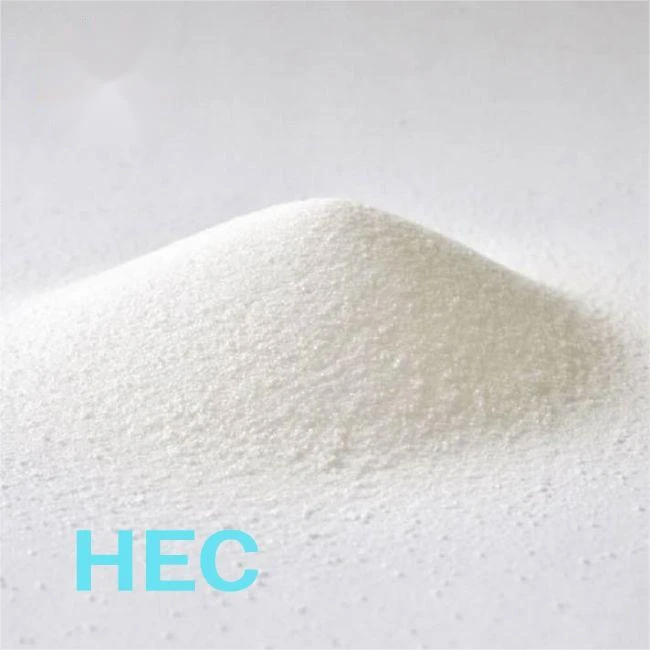
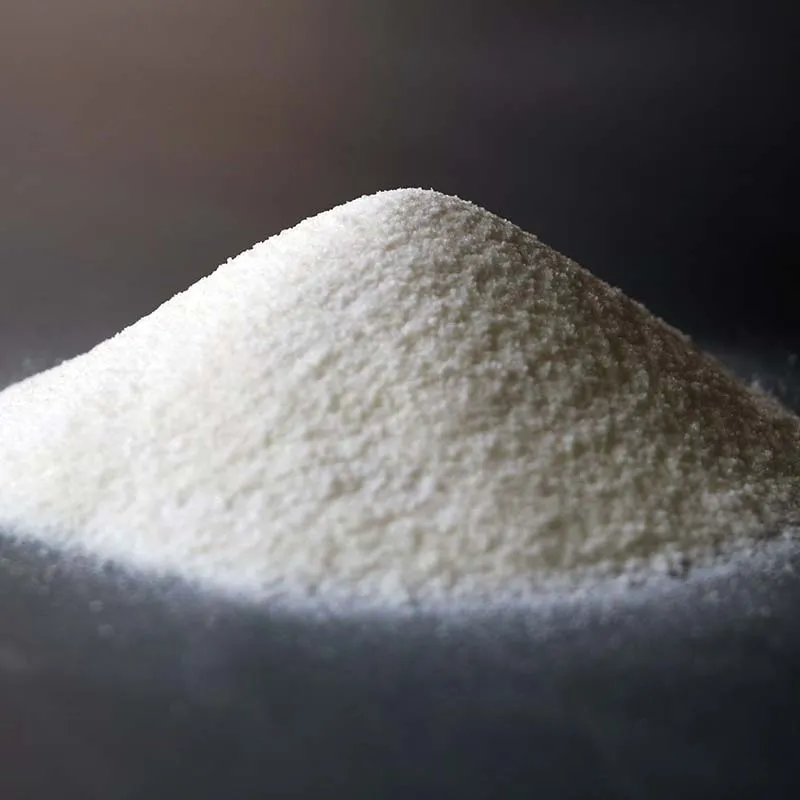
HEC hydroxyethyl cellulose is a non-ionic, water-soluble polymer derived from natural cellulose. Through a controlled etherification process, cellulose is chemically modified to introduce hydroxyethyl groups along its molecular chain. This modification transforms insoluble cellulose into a polymer that can dissolve in both cold and hot water, forming clear, viscous solutions.
The resulting polymer exhibits several valuable characteristics: it acts as a thickener, stabilizer, film former, and water retention agent. Its non-ionic nature allows it to remain stable under a wide range of pH conditions and in the presence of salts, making it compatible with numerous formulations.
Manufacturers like PEZE produce HEC with consistent quality, ensuring reliable performance for industrial, personal care, and pharmaceutical applications. Their HEC products are available in multiple viscosity grades, tailored to meet specific customer requirements.
How HEC Works: Molecular Structure and Mechanism
The functionality of HEC hydroxyethyl cellulose arises from its unique molecular structure. The polymer consists of long chains with hydroxyethyl side groups, which enhance solubility and water-binding capacity. When dissolved in water, HEC molecules form a network that increases the viscosity of the solution and stabilizes dispersed particles.
This network behavior explains HEC’s thickening effect. At rest, solutions exhibit high viscosity, which prevents sedimentation or phase separation in paints, coatings, or cosmetic gels. Under shear, the solution becomes less viscous (shear-thinning behavior), facilitating easy application or pumping. This pseudoplastic property is highly valued in industrial processes, as it provides both stability and processability.
Additionally, HEC’s water retention ability stems from the hydroxyl groups along the polymer chains, which form hydrogen bonds with water molecules. This property is particularly useful in construction materials like cement, tile adhesives, and plaster, as it improves workability and reduces cracking during drying.
Key Properties of HEC Hydroxyethyl Cellulose
-
Water Solubility: Dissolves in cold or hot water without gelling prematurely.
-
Thickening: Provides viscosity control in liquids and semi-solid formulations.
-
Stabilization: Prevents sedimentation, phase separation, or syneresis in emulsions and gels.
-
Film Formation: Creates thin, transparent films in coatings or cosmetic applications.
-
pH and Salt Stability: Compatible with acidic, neutral, or mildly alkaline systems.
-
Non-Ionic Nature: Ensures compatibility with other ionic and non-ionic ingredients.
By combining these properties, HEC hydroxyethyl cellulose serves as a multifunctional additive across diverse industrial and consumer products.
Applications of HEC Across Industries
1. Construction: HEC improves water retention, workability, and adhesion in cementitious materials, tile adhesives, and plasters. It helps maintain consistent consistency and reduces shrinkage cracks during drying.
2. Paints and Coatings: HEC enhances viscosity, pigment suspension, and film formation. It ensures smooth application, prevents sagging, and improves surface quality.
3. Personal Care & Cosmetics: As a thickener and stabilizer, HEC is used in shampoos, gels, lotions, and creams. It provides consistent texture, enhances product stability, and improves spreadability.
4. Pharmaceuticals and Food: HEC functions as a binder, stabilizer, or viscosity modifier in tablets, syrups, and gels. Its non-toxic and biocompatible nature makes it suitable for ingestible and topical applications.
5. Oilfield & Drilling: HEC acts as a viscosifier and fluid loss control agent in water-based drilling fluids, improving efficiency and protecting equipment.
Suppliers like PEZE ensure that their HEC grades meet industry-specific standards, offering reliable performance across all these applications.
Choosing the Right HEC Grade
Selecting the appropriate HEC hydroxyethyl cellulose grade is essential to achieve optimal results. HEC is typically available in low, medium, and high viscosity grades:
-
Low viscosity: Ideal for thin formulations or products requiring easy dispersion.
-
Medium viscosity: Provides a balance between thickening and stability; commonly used in paints, adhesives, and cosmetic gels.
-
High viscosity: Offers strong thickening, excellent film formation, and water retention; suitable for heavy-duty construction materials or high-viscosity gels.
Additional factors include solubility, molecular weight, degree of substitution, and application conditions such as pH and temperature. PEZE offers a range of tailored HEC grades, allowing manufacturers to select the right product for their formulation needs.
Trends and Innovations in HEC Usage
The demand for HEC hydroxyethyl cellulose continues to grow as industries seek multifunctional, environmentally friendly, and efficient additives. Innovations include:
-
Eco-friendly production: Using sustainably sourced cellulose and reducing chemical use.
-
Specialized HEC grades: Designed for improved shear stability, faster dispersion, or enhanced performance in extreme conditions.
-
Integration with other polymers: Creating hybrid systems for tailored rheology in paints, adhesives, and cosmetics.
Brands like PEZE are at the forefront of these developments, providing high-quality HEC solutions to meet evolving industrial and consumer needs.
Conclusion
HEC hydroxyethyl cellulose is a versatile, high-performance polymer with broad applications across construction, coatings, personal care, pharmaceuticals, and oilfield industries. Its unique molecular structure provides thickening, stabilization, water retention, and film-forming properties, making it indispensable for modern formulations.
With the right grade selection, careful application, and high-quality supply from trusted manufacturers like PEZE, HEC can significantly enhance product performance, stability, and consistency. For businesses looking to optimize their formulations or explore new applications, understanding HEC hydroxyethyl cellulose is the first step toward better product outcomes and stronger market competitiveness.
-
Top Guide to Selecting Professional vae emulsion manufacturersसमाचारApr.16,2026
-
Viscosity of HPMCसमाचारApr.15,2026
-
HPMC Powder UsesसमाचारApr.15,2026
-
Understanding VAE Emulsion for Modern Industrial CoatingsसमाचारApr.09,2026
-
Comprehensive Guide to Redispersible Emulsion Powder and its ApplicationsसमाचारApr.07,2026
-
Comprehensive Guide to Redispersible Latex Powder for Construction ApplicationsसमाचारApr.04,2026