Benefits of Using Hydroxyethyl Methyl Cellulose in Tile Adhesives
Tile adhesives play a critical role in modern construction, ensuring durability, ease of installation, and long-term performance. With the rapid development of material science, hydroxyethyl methyl cellulose (HEMC) has emerged as a vital component in tile adhesive formulations. Known for its superior thickening, water retention, and rheological properties, HEMC helps enhance both the application process and the final performance of tile installations. In this article, we explore the benefits of using HEMC in tile adhesives, its impact on construction efficiency, and why it has become the preferred choice for manufacturers and contractors.
1. What Is Hydroxyethyl Methyl Cellulose (HEMC)?
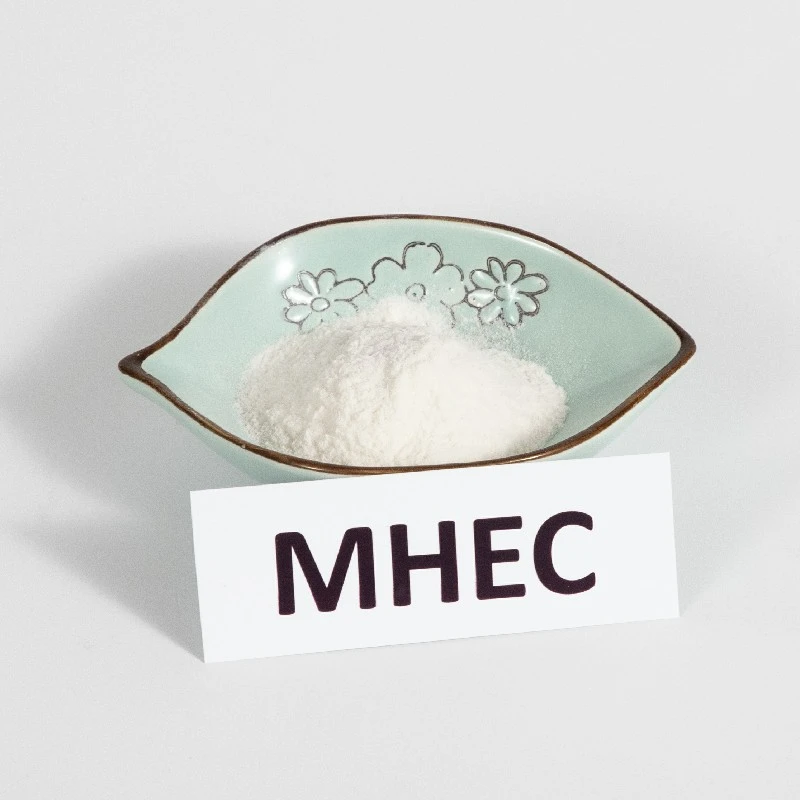
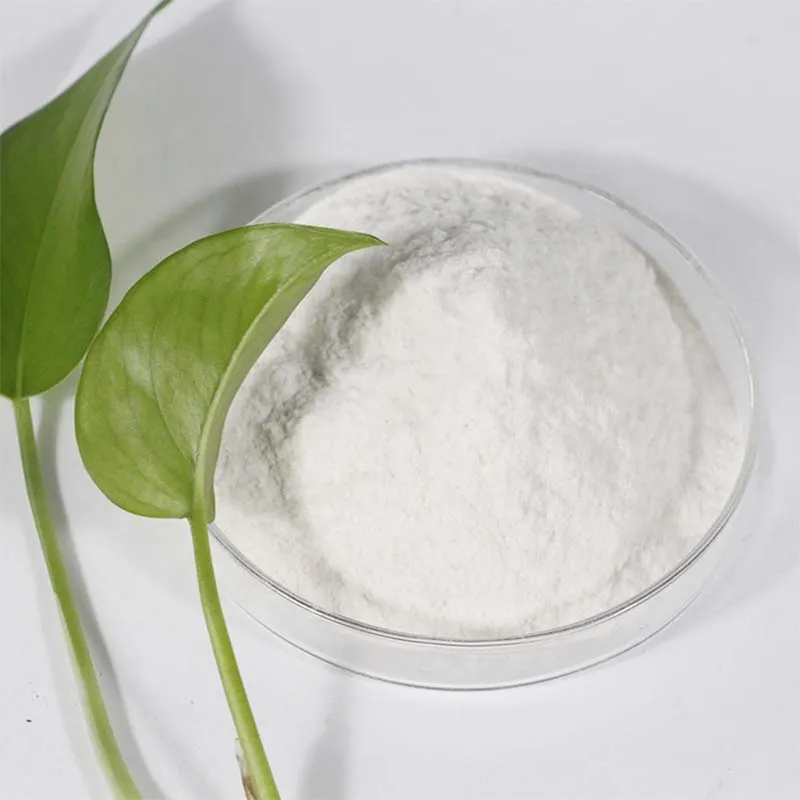
Hydroxyethyl methyl cellulose (HEMC) is a water-soluble cellulose ether derived from natural cellulose through chemical modification. The incorporation of hydroxyethyl and methyl groups gives HEMC its unique properties, including high water retention, viscosity control, and stability under varying temperatures and pH levels. In tile adhesives, these properties translate into improved workability, smoother application, and superior bond strength between the tile and substrate.
HEMC is available in different viscosity grades, allowing adhesive manufacturers to tailor the final product to specific construction requirements. Whether used in cement-based tile adhesives, thin-set mortars, or adhesive slurries, HEMC provides consistent performance and reliability.
2. Enhanced Water Retention for Better Tile Adhesion
One of the key challenges in tile installation is ensuring proper hydration of cementitious adhesives during setting. HEMC in tile adhesives improves water retention, preventing rapid drying of the adhesive and allowing adequate time for tile positioning. This ensures a stronger chemical bond between the tile and the substrate.
By maintaining the right moisture level, HEMC helps reduce the risk of adhesive shrinkage, cracking, and tile detachment. Contractors benefit from easier handling and alignment, especially when working with large-format tiles or uneven surfaces. The water-retention property of hydroxyethyl methyl cellulose tile adhesive is particularly important in warm or dry climates, where cement-based adhesives are prone to losing moisture too quickly.
3. Improved Workability and Ease of Application
Another significant advantage of HEMC in tile adhesives is its ability to enhance workability. HEMC modifies the flow and consistency of the adhesive, making it easier to spread and apply with trowels or spatulas. This is especially valuable for thin-set mortars, where uniform application is essential for preventing voids and ensuring maximum contact with the tile.
The thixotropic behavior of HEMC — thick at rest but easily spread under shear — provides excellent adhesion during installation while preventing sagging or slumping on vertical surfaces. Contractors can work more efficiently, reducing installation time and minimizing errors.
4. Stability and Consistency in Different Environments
Hydroxyethyl methyl cellulose tile adhesives exhibit remarkable stability under varying environmental conditions. HEMC enhances temperature and pH tolerance, ensuring that adhesives remain workable during mixing and application even in extreme climates. Its resistance to chemical degradation also contributes to the long-term durability of the adhesive.
For construction projects where consistent performance is critical, using HEMC ensures that the adhesive behaves predictably, whether applied in hot, humid conditions or in cold environments. This makes HEMC tile adhesive an ideal choice for global applications where weather conditions vary significantly.
5. Enhanced Bond Strength and Durability
The ultimate goal of any tile adhesive is to provide a strong, durable bond that lasts for years. Incorporating HEMC into tile adhesive formulations improves adhesion to both ceramic and porcelain tiles, as well as to a wide range of substrates, including cement boards, concrete, and drywall.
By optimizing the water-retention, viscosity, and flow properties, HEMC enables better wetting of the tile surface and ensures uniform contact. This reduces the risk of delamination, hollow spots, or uneven tiles, enhancing the overall durability of the installation. For large-scale or high-traffic areas, using hydroxyethyl methyl cellulose tile adhesive can significantly increase the service life of tiled surfaces.
6. Compatibility with Additives and Formulation Flexibility
Another advantage of HEMC in tile adhesives is its compatibility with various additives, such as anti-fungal agents, dispersants, and polymers. This allows manufacturers to develop enhanced formulations that provide additional functionality, including mold resistance, improved adhesion to challenging substrates, or faster curing times.
The flexibility of HEMC enables the creation of customized tile adhesive solutions for residential, commercial, and industrial applications, meeting specific regulatory and performance standards worldwide.
7. PEZE HEMC: Quality and Reliability
For tile adhesive manufacturers, sourcing high-quality HEMC hydroxyethyl methyl cellulose is critical for consistent product performance. PEZE provides premium-grade HEMC specifically designed for tile adhesive applications, offering superior water retention, viscosity control, and stability. With a reliable supply chain and rigorous quality testing, PEZE HEMC ensures that adhesives meet international performance standards and deliver predictable results in real-world installations.
By using PEZE HEMC in tile adhesives, manufacturers can improve formulation efficiency, enhance application performance, and provide contractors and end-users with a durable, high-quality product.
8. Conclusion
Hydroxyethyl methyl cellulose has become an indispensable ingredient in modern tile adhesives, offering numerous benefits including:
-
Enhanced water retention for optimal adhesion
-
Improved workability and ease of application
-
Stability under varying temperatures and pH conditions
-
Stronger and more durable tile bonds
-
Compatibility with additives and formulation flexibility
With high-quality HEMC from PEZE, tile adhesive manufacturers can produce reliable, high-performance products that meet the demands of modern construction projects. Incorporating HEMC hydroxyethyl cellulose into tile adhesive formulations not only improves application efficiency but also ensures long-lasting durability and customer satisfaction.
-
Top Guide to Selecting Professional vae emulsion manufacturersNotiziaApr.16,2026
-
Viscosity of HPMCNotiziaApr.15,2026
-
HPMC Powder UsesNotiziaApr.15,2026
-
Understanding VAE Emulsion for Modern Industrial CoatingsNotiziaApr.09,2026
-
Comprehensive Guide to Redispersible Emulsion Powder and its ApplicationsNotiziaApr.07,2026
-
Comprehensive Guide to Redispersible Latex Powder for Construction ApplicationsNotiziaApr.04,2026