What Is Carboxymethyl Cellulose (CMC) and Its Key Chemical Properties
Carboxymethyl Cellulose, commonly abbreviated as CMC, is a versatile cellulose derivative widely used in industrial, pharmaceutical, food, and personal care applications. Derived from natural cellulose through etherification, CMC exhibits a unique combination of water solubility, viscosity-modifying capabilities, and chemical stability, making it one of the most important functional polymers in modern manufacturing. Understanding the chemical properties of CMC is essential for optimizing its use across different industries.
1. Overview of Carboxymethyl Cellulose
CMC is synthesized by introducing carboxymethyl groups (-CH2-COOH) onto the cellulose backbone, typically extracted from plant sources like wood pulp or cotton. This modification transforms naturally insoluble cellulose into a water-soluble polymer with excellent rheological properties. The degree of substitution (DS) — the average number of hydroxyl groups in cellulose replaced by carboxymethyl groups — plays a pivotal role in determining solubility, viscosity, and thickening efficiency.
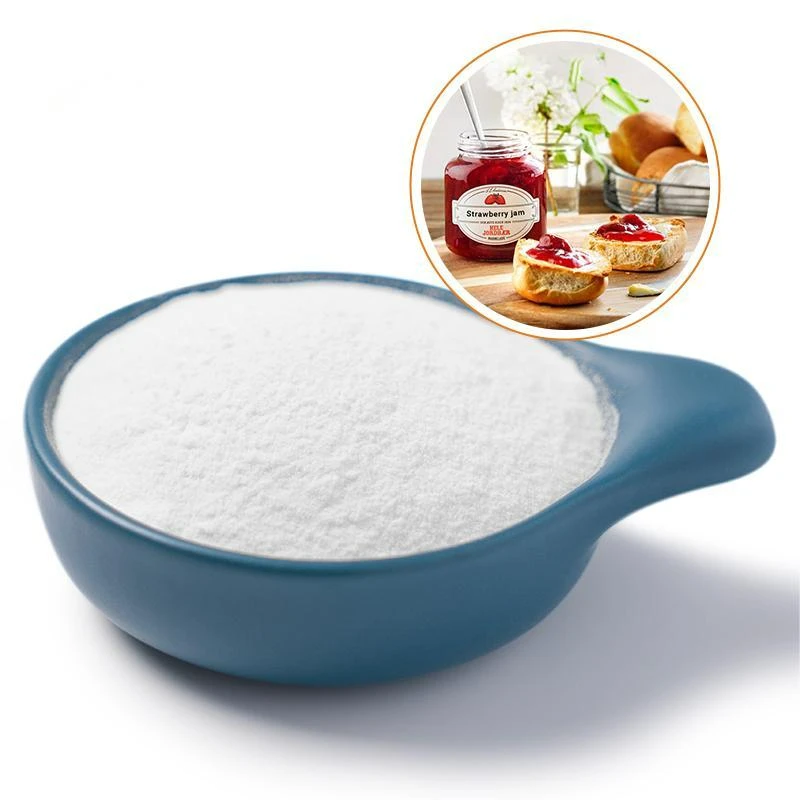
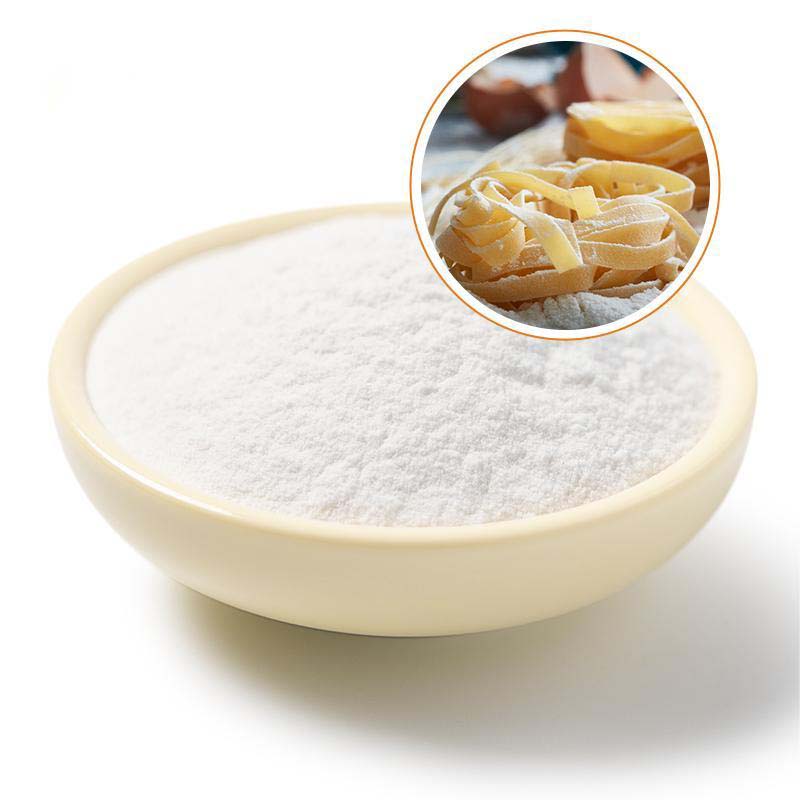
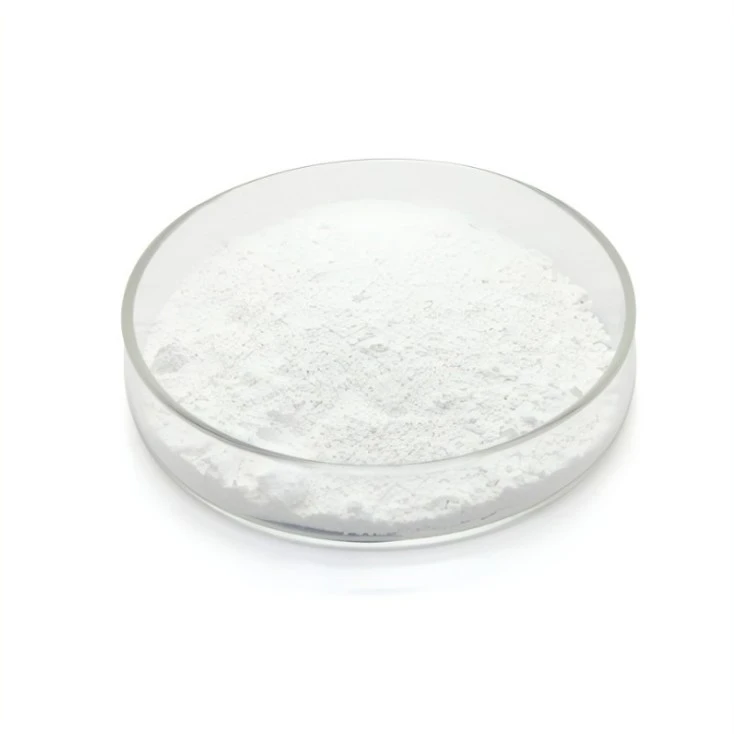
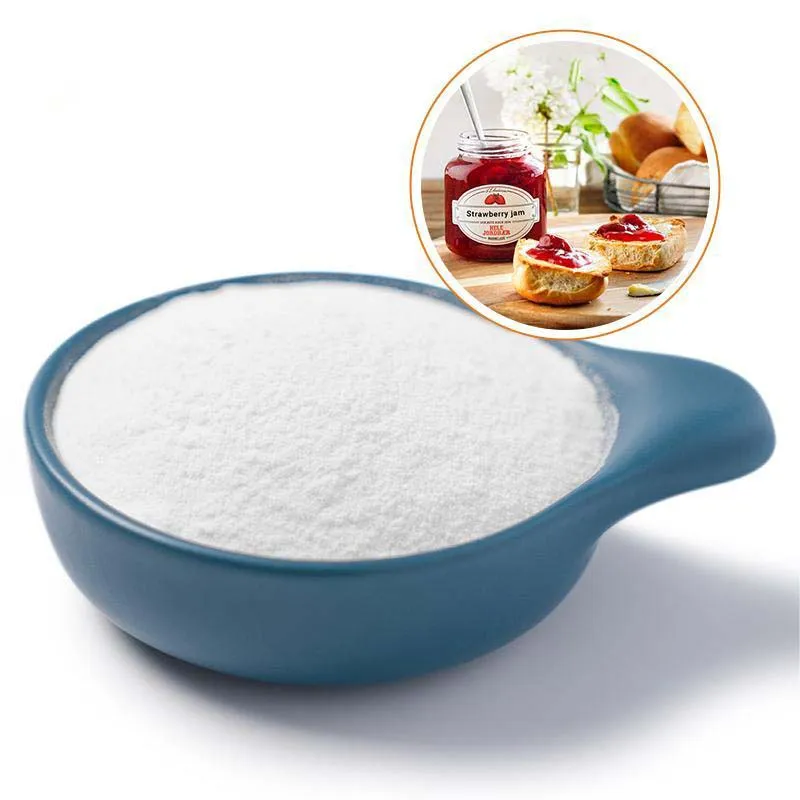
CMC is usually available as a white or off-white powder, which can dissolve in cold or hot water to form clear viscous solutions. Its non-toxic and biocompatible nature makes it suitable for applications in food, pharmaceuticals, and cosmetics, while its chemical stability and resistance to microbial degradation make it ideal for industrial formulations like adhesives, paints, and detergents.
2. Key Chemical Properties of CMC
The chemical properties of carboxymethyl cellulose define its performance in various applications:
-
Water Solubility: CMC is highly soluble in water due to the hydrophilic carboxymethyl groups. Higher DS typically increases solubility and improves solution clarity.
-
粘度: The polymer exhibits shear-thinning behavior, meaning it maintains high viscosity at rest but thins under shear stress. This pseudoplasticity is critical for applications such as coatings, gels, and drilling fluids.
-
pH Stability: CMC solutions are generally stable over a wide pH range, typically from 4 to 10. Acidic or highly alkaline conditions can affect viscosity and stability, depending on the grade.
-
Chemical Resistance: The polymer resists degradation from many salts, sugars, and moderate temperatures, making it compatible with diverse formulations.
-
Film-Forming Ability: CMC can create clear, flexible films, which is beneficial in applications like edible coatings, pharmaceutical tablets, and controlled-release systems.
-
Thickening and Stabilizing: Its high molecular weight allows CMC to significantly increase solution viscosity, suspend particles, and stabilize emulsions, colloids, and dispersions.
These properties are directly influenced by the degree of substitution, molecular weight, and distribution of carboxymethyl groups, which manufacturers carefully control to produce grades suitable for specific applications.
3. Industrial Applications of CMC
The versatility of carboxymethyl cellulose is reflected in its wide range of industrial applications:
-
Food Industry: CMC acts as a thickener, stabilizer, and moisture-retaining agent in bakery products, sauces, ice cream, and beverages. Its ability to improve texture and shelf life makes it indispensable for processed foods.
-
Pharmaceuticals: In tablet formulation, CMC functions as a binder, viscosity modifier, and controlled-release agent. It also stabilizes suspensions and gels in liquid pharmaceuticals.
-
Cosmetics and Personal Care: CMC is used in shampoos, creams, and gels as a thickener, emulsifier, and stabilizer, providing smooth texture and consistent performance.
-
工事: Water-retention and thickening properties make CMC essential in cement-based adhesives, tile adhesives, and plaster, improving workability and surface finish.
-
Oil & Gas: High-viscosity CMC grades are applied in water-based drilling fluids as viscosifiers and fluid loss control agents.
-
Paints and Coatings: CMC enhances pigment dispersion, prevents sedimentation, and improves brushability.
4. Grades and Viscosity Considerations
Choosing the right CMC grade is crucial for achieving the desired performance. Grades vary based on viscosity (low, medium, high), molecular weight, and degree of substitution.
-
Low-viscosity CMC: Suitable for light beverages, low-thickening formulations, and sprayable coatings.
-
Medium-viscosity CMC: Commonly used in personal care products, adhesives, and intermediate-thickness paints.
-
High-viscosity CMC: Ideal for heavy-duty construction materials, high-viscosity gels, and drilling fluids.
PEZE, a trusted manufacturer, provides a broad range of CMC grades tailored to specific industrial and food applications, ensuring consistent quality and reproducible performance.
5. Environmental and Safety Aspects
CMC is non-toxic, biodegradable, and environmentally friendly, making it suitable for food, pharmaceutical, and cosmetic use. It complies with global safety standards and is widely accepted in regulatory frameworks. Additionally, due to its chemical stability, CMC contributes to longer shelf life for finished products, reducing waste in industrial and consumer applications.
6. Handling and Storage Recommendations
Proper handling and storage of carboxymethyl cellulose are important to preserve its functional properties:
-
Store in cool, dry, and well-ventilated areas.
-
Protect from moisture and direct sunlight to prevent clumping or partial dissolution.
-
Avoid contamination with acids or strong oxidizers.
-
During handling, minimize dust exposure to maintain product quality and ensure safety.
Following these guidelines ensures consistent performance across applications and prolongs shelf life.
7. Conclusion
Carboxymethyl Cellulose (CMC) is a highly versatile and functional polymer with exceptional water solubility, viscosity modification, and stabilizing properties. Its performance is determined by the degree of substitution, molecular weight, and chemical structure, which allows manufacturers to select suitable grades for diverse applications in food, pharmaceuticals, personal care, construction, paints, and oilfield industries.
By understanding its chemical properties and selecting the appropriate grade, companies can optimize formulations for performance, stability, and efficiency. PEZE offers high-quality CMC hydroxyethyl cellulose products with tailored grades and reliable supply, making it a trusted partner for industries worldwide.
-
Top Guide to Selecting Professional vae emulsion manufacturersニュースApr.16,2026
-
Viscosity of HPMCニュースApr.15,2026
-
HPMC Powder UsesニュースApr.15,2026
-
Understanding VAE Emulsion for Modern Industrial CoatingsニュースApr.09,2026
-
Comprehensive Guide to Redispersible Emulsion Powder and its ApplicationsニュースApr.07,2026
-
Comprehensive Guide to Redispersible Latex Powder for Construction ApplicationsニュースApr.04,2026