Sodium Carboxymethyl Cellulose Use
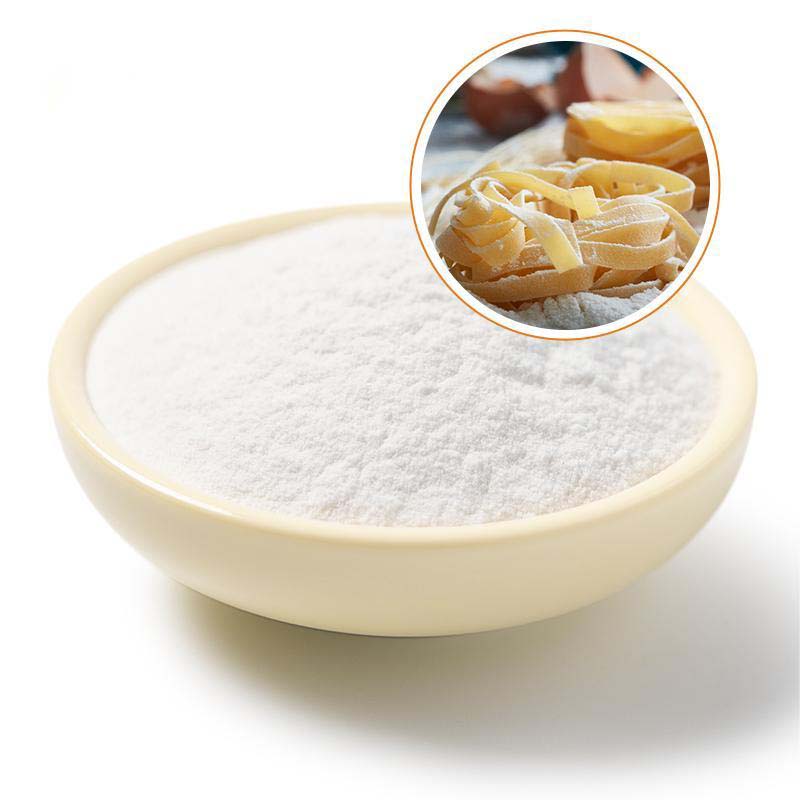
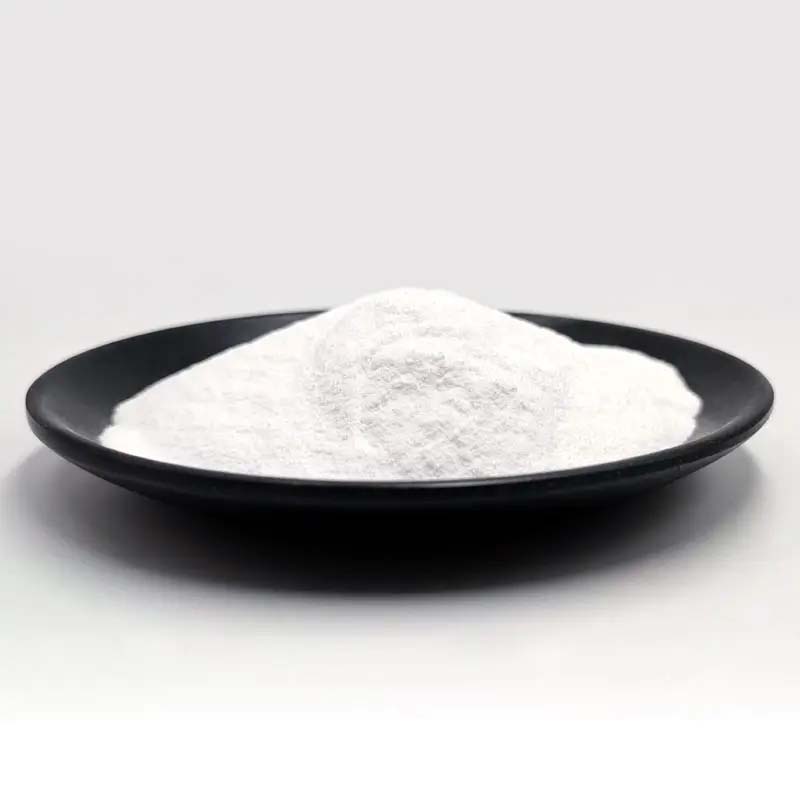
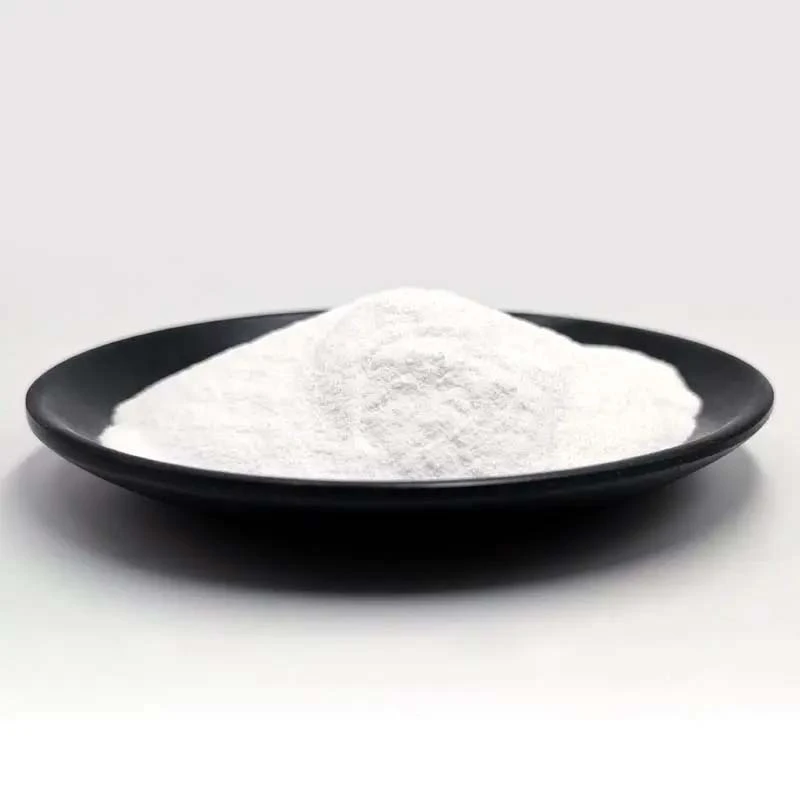
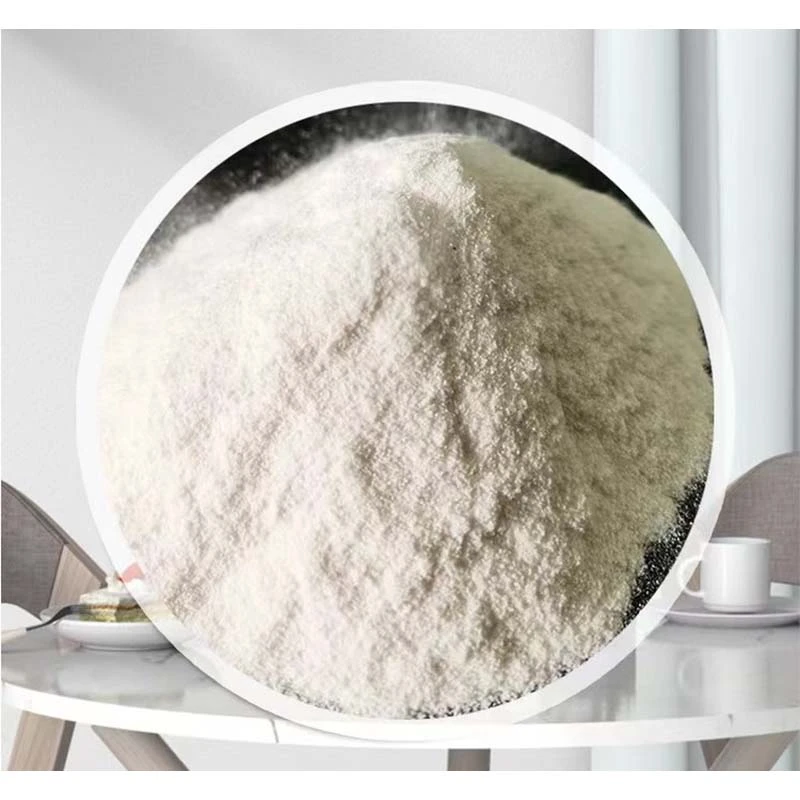
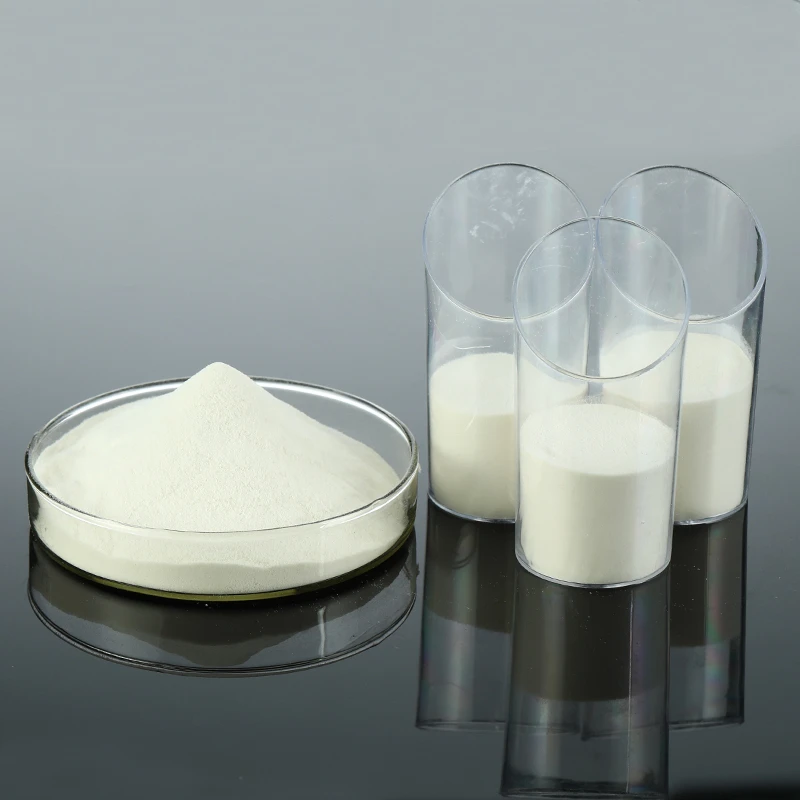
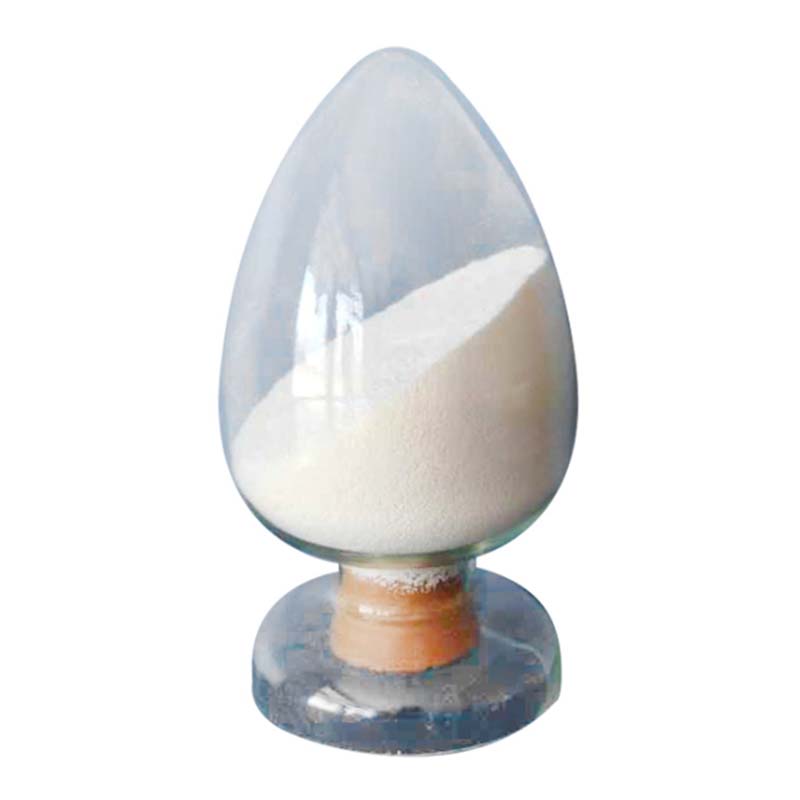
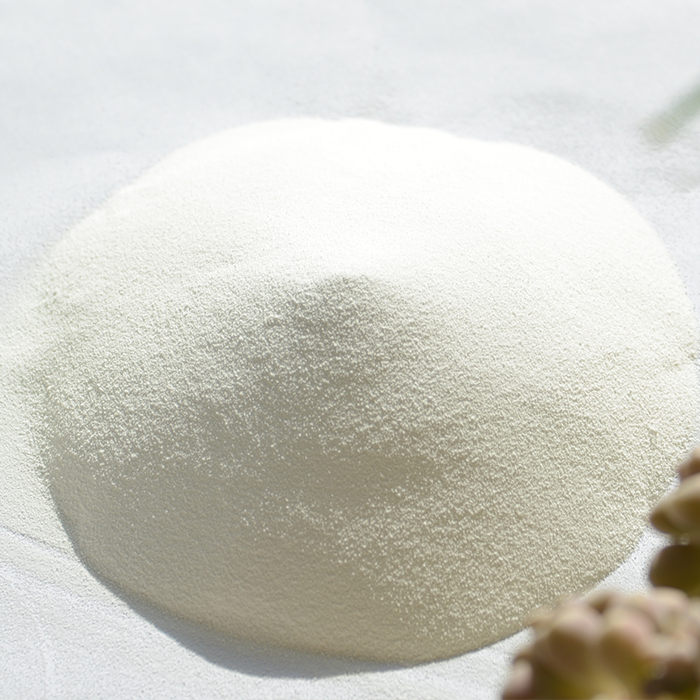
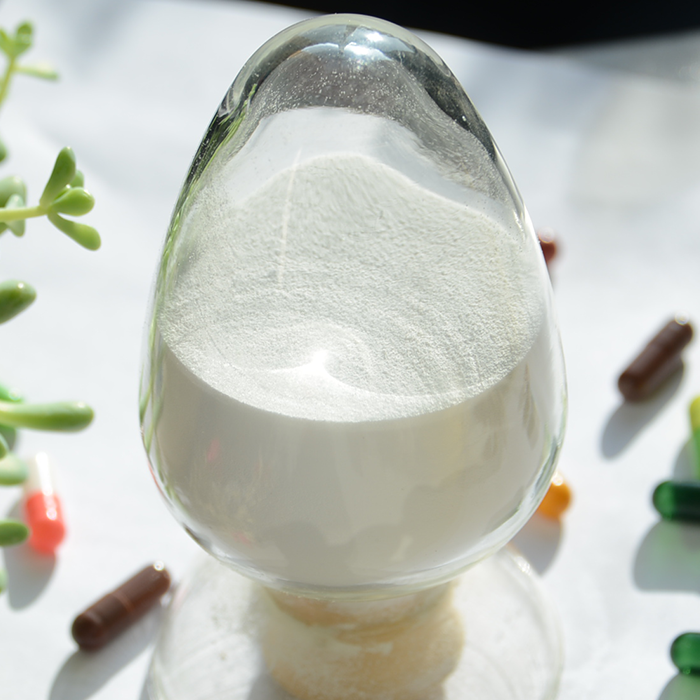
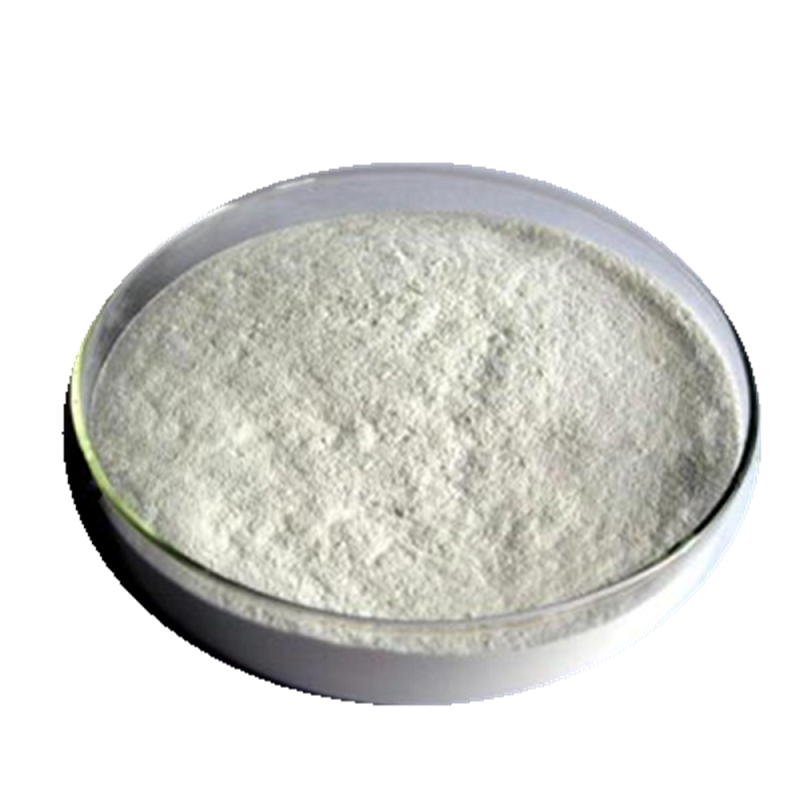
Carboxymethylcellulose (CMC) is a nontoxic and tasteless white flocculent powder with stable performance and is easy to dissolve in water. Sodium carboxymethylcellulose (CMC), commonly known as "industrial monosodium glutamate", is the most widely used and convenient product among cellulose ethers.
CMCは、結合剤、増粘剤、懸濁剤、乳化剤、分散剤、安定剤、サイズ剤などとして使用できます。
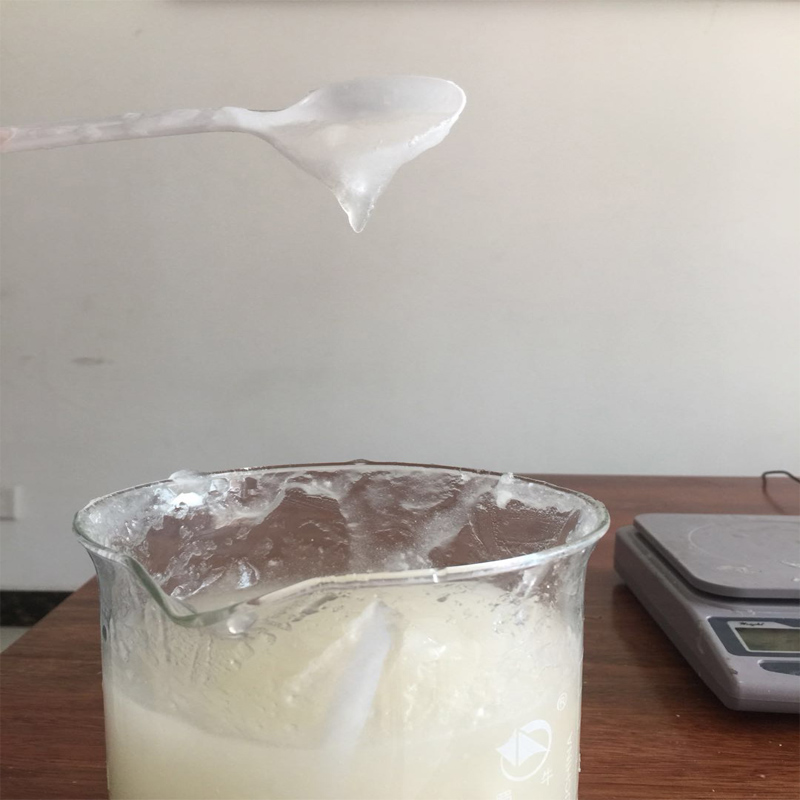
カルボキシメチルセルロース(CMC)はアニオン性セルロースエーテルであり、外観は白色またはわずかに黄色の綿状繊維粉末または白色粉末で、無臭、無味、無毒です。水に溶けやすく、一定の粘度を持った透明な溶液を形成します。溶液は中性または弱アルカリ性で、エタノール、エーテル、イソプロピルアルコール、アセトンなどの有機溶媒には不溶ですが、含水率60%のエタノールまたはアセトン溶液には可溶です。吸湿性があり、光や熱に対して安定であり、温度が上昇すると粘度が低下します。
Carboxymethyl cellulose (CMC) Features:
1.ほぼ無臭、無臭、吸湿性。
2. 水に容易に分散して透明なコロイド溶液となり、エタノールなどの有機溶媒には不溶です。
3. 3.1%水溶液のpHは6.5~8.5です。 pH > 10 または < 5 の場合、接着剤の粘度は大幅に低下し、pH = 7 で性能が最高になります。
4. 熱的に安定で、20℃以下では粘度の上昇が急激で、45℃では粘度の変化が緩やかです。 80℃を超えて長時間加熱するとコロイドの変性が起こり、粘度や性能が大幅に低下する可能性があります。
5.水に溶けやすく、透明な溶液。
Grade of Carboxymethyl cellulose (CMC)
食品グレードのCMC
洗剤グレードのCMC
石油掘削グレードCMC
セラミックスグレードCMC
ペイントグレードCMC
繊維および染色グレードのCMC
How Sodium Carboxymethyl Cellulose Powder Improves Viscosity and Stability
One of the most important functional characteristics of sodium carboxymethyl cellulose powder is its ability to control viscosity and improve formulation stability. As a water-soluble derivative of cellulose, carboxymethyl cellulose CMC forms highly stable colloidal solutions when dissolved in water. Even at low concentrations, it can significantly increase the viscosity of liquids, making it an efficient thickening agent in various industrial and food applications.
The rheological behavior of carboxymethyl cellulose CMC depends largely on its degree of substitution (DS) and molecular weight. Higher molecular weight grades generally provide stronger thickening performance, while lower viscosity grades are preferred when flowability is required. This flexibility allows manufacturers to fine-tune product texture, suspension stability, and flow characteristics.
In food applications, sodium carboxymethyl cellulose powder helps prevent ingredient separation, improves mouthfeel, and enhances shelf stability. In oil drilling fluids, it stabilizes drilling mud by controlling fluid loss and improving suspension performance. In detergents and coatings, it enhances uniform dispersion and prevents sedimentation.
Because of its strong water retention capacity, carboxymethyl cellulose CMC also reduces syneresis in formulations. This is especially valuable in products exposed to temperature fluctuations or long storage periods. Overall, sodium carboxymethyl cellulose powder serves as a multifunctional rheology modifier, offering predictable and stable performance across industries.
Factors Affecting the Quality of Carboxymethyl Cellulose CMC Powder
The quality of carboxymethyl cellulose CMC directly influences its performance in industrial and food applications. Several key parameters determine the overall effectiveness of sodium carboxymethyl cellulose powder, including purity, degree of substitution (DS), viscosity level, particle size distribution, and moisture content.
The degree of substitution is one of the most critical factors. It reflects how many hydroxyl groups in cellulose are replaced by carboxymethyl groups. A higher DS typically improves water solubility and enhances thickening capability. However, the ideal DS varies depending on the application requirements.
Viscosity grade is another decisive factor. Different industries require specific viscosity ranges to achieve desired texture, stability, or suspension properties. Inconsistent viscosity in carboxymethyl cellulose CMC powder can result in formulation instability or production inefficiencies.
Purity also plays a major role. High-quality sodium carboxymethyl cellulose powder should contain minimal residual salts, unreacted cellulose, or by-products. Impurities may affect transparency, taste (in food applications), or compatibility with other chemicals.
Additionally, particle size affects dissolution speed and dispersion uniformity. Fine and evenly distributed powder dissolves more efficiently and reduces clumping during mixing. Manufacturers must carefully control production processes and perform strict quality testing to ensure stable product performance and compliance with international standards.
How to Dissolve and Process Sodium Carboxymethyl Cellulose Powder Correctly
Proper dissolution and processing methods are essential to maximize the performance of sodium carboxymethyl cellulose powder. Although carboxymethyl cellulose CMC is water-soluble, incorrect mixing techniques can lead to clumping or incomplete hydration.
To achieve optimal dispersion, it is recommended to slowly add sodium carboxymethyl cellulose powder into water under continuous agitation. High-speed stirring helps prevent the formation of lumps and ensures uniform distribution. In some cases, pre-mixing the powder with dry ingredients such as sugar or salt can improve dispersion efficiency.
Water temperature also affects dissolution rate. While carboxymethyl cellulose CMC can dissolve in cold water, slightly warm water often accelerates hydration. However, excessively high temperatures should be avoided, as they may influence viscosity stability depending on the grade.
Allowing sufficient hydration time is crucial. Full viscosity development may take several minutes to several hours, depending on molecular weight and concentration. Premature processing before complete hydration can result in inconsistent viscosity and performance.
For industrial-scale production, controlled feeding systems and proper agitation equipment are recommended to ensure efficient processing of sodium carboxymethyl cellulose powder. By following correct dissolution procedures, manufacturers can achieve stable rheological performance and maintain consistent product quality.
|
アイテム |
範囲 |
|
色 |
乳白色 |
|
粘度(1%液Mpa.S) |
50-1200 |
|
塩化(%) |
<1.8% |
|
置換度 |
0.6-0.9 |
|
PH |
6.0-8.5 |
|
純度 |
99.5% |
|
水分(%) |
<10% |

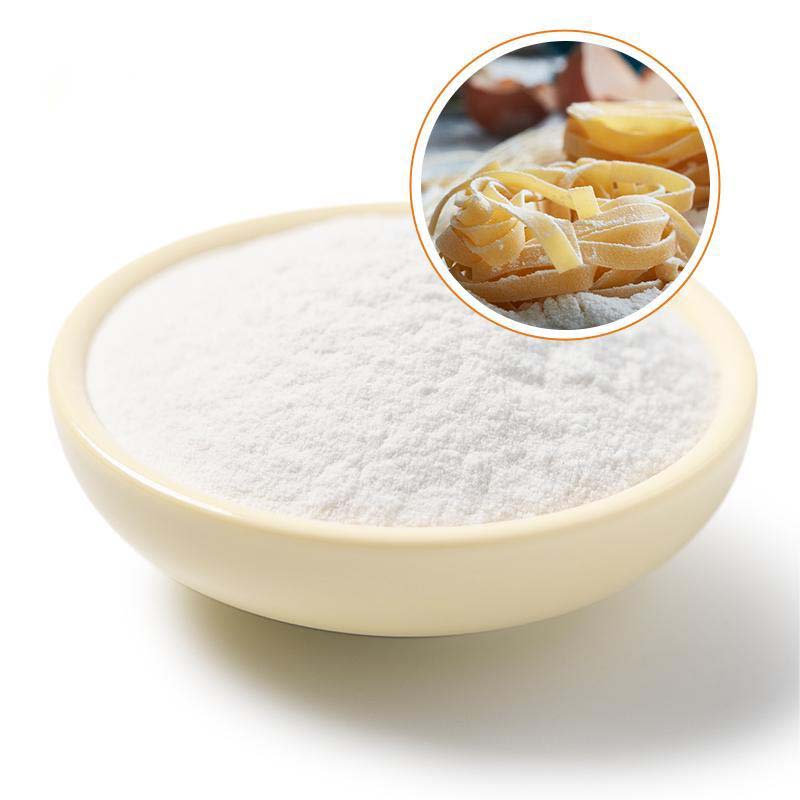
CMCは、食品用途における優れた乳化安定剤および増粘剤であるだけでなく、優れた凍結性および融解性も備えています。
安定性が高く、製品の風味を向上させ、保存期間を延長することができます。
豆乳、アイスクリーム、アイスクリーム、ゼリー、飲料、缶詰では約1%~1.5%が消費量です。 CMCは、酢、醤油、植物油、果汁、肉汁、野菜ジュースなどの安定した乳化分散にも使用でき、その添加量は0.2%〜0.5%です。
特に動植物油、タンパク質、水溶液の乳化性能が極めて優れており、安定した均一なエマルションを形成することができます。
安全・安心なので、食品衛生基準ADIによる摂取量の制限はありません。
食品生産におけるCMCの機能:
1.増粘:低濃度での粘度。食品加工の過程で粘度を制御し、食品に潤滑感を与えることができます。
2.保水性:食品の脱水収縮を軽減し、食品の保存期間を延ばします。
3.分散安定性:食品の品質の安定性を維持し、油と水の層状化(乳化)を防ぎ、制御します。
冷凍食品中の結晶のサイズ(氷の結晶を減らす)。
4.フィルム形成:揚げ物にフィルムの層を形成し、油の過剰な吸収を防ぎます。
5.化学的安定性: 化学薬品、熱、光に対して安定しており、一定の防カビ性を備えています。
6.代謝慣性:食品添加物として、代謝されず、食品はカロリーを提供しません。
CMCは、酸性乳製品の増粘剤および安定剤として、乳製品中のタンパク質の凝固を防ぎます。
沈殿と層を形成することで、乳製品に独特で繊細な味わいが生まれます。
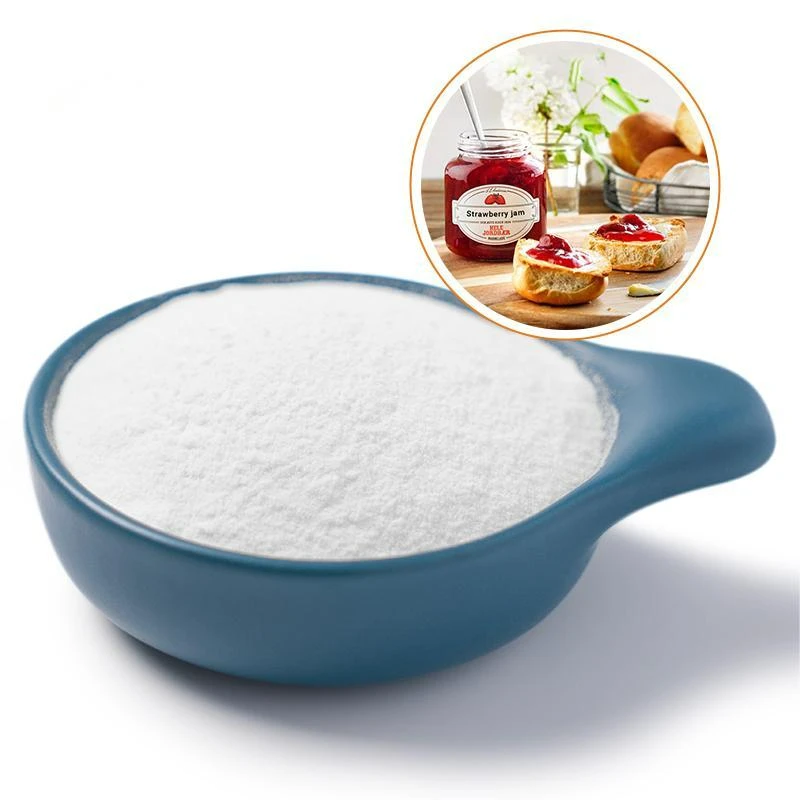
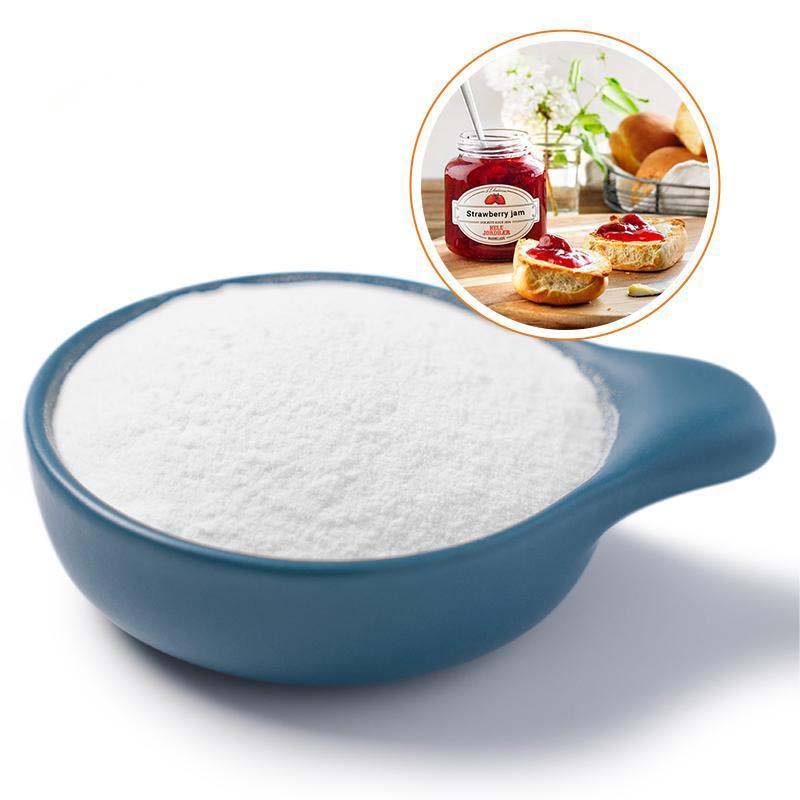
ペストリーやジャムの詰め物の保水剤として、CMC は食品の脱水を防ぎ、一定のチキソトロピー性を与え、保存安定性を改善し、ペストリーの光沢を改善し、ひび割れを防ぎます。
CMCは、製紙業界では紙サイズ剤として、セラミック業界ではビレットの賦形剤、可塑剤、強化剤として、繊維業界ではサイジング剤として、化粧品ではヒドロゾルとして、汚れの再付着に対する耐性として使用できます。
洗剤や石油掘削泥に含まれる薬剤で、井戸の保護に使用できます。安定剤、保水剤、歯磨き粉の増粘剤などとして使用されます。



cmc sodium carboxymethyl cellulose
fungsi sodium carboxymethyl cellulose
sodium carboxy
sodium carboxy cellulose
sodium carboxy methyl cellulose
sodium carboxy methyl cellulose cmc
sodium carboxymethyl