Высокое качество 99% мин Карбоксиметилцеллюлоза натрия CMC Химический порошок
Sodium Carboxymethyl Cellulose Use
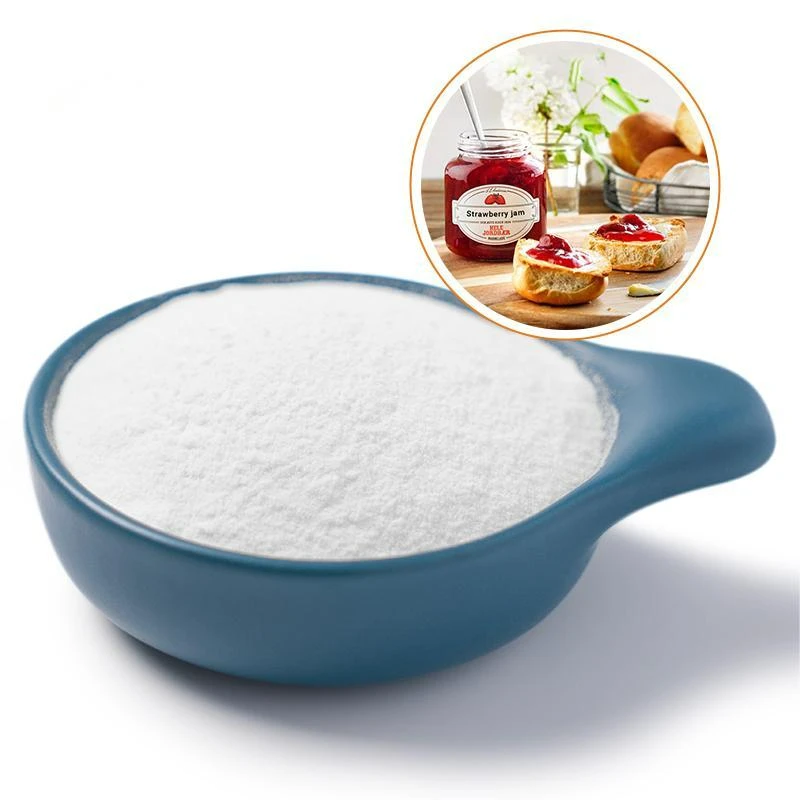
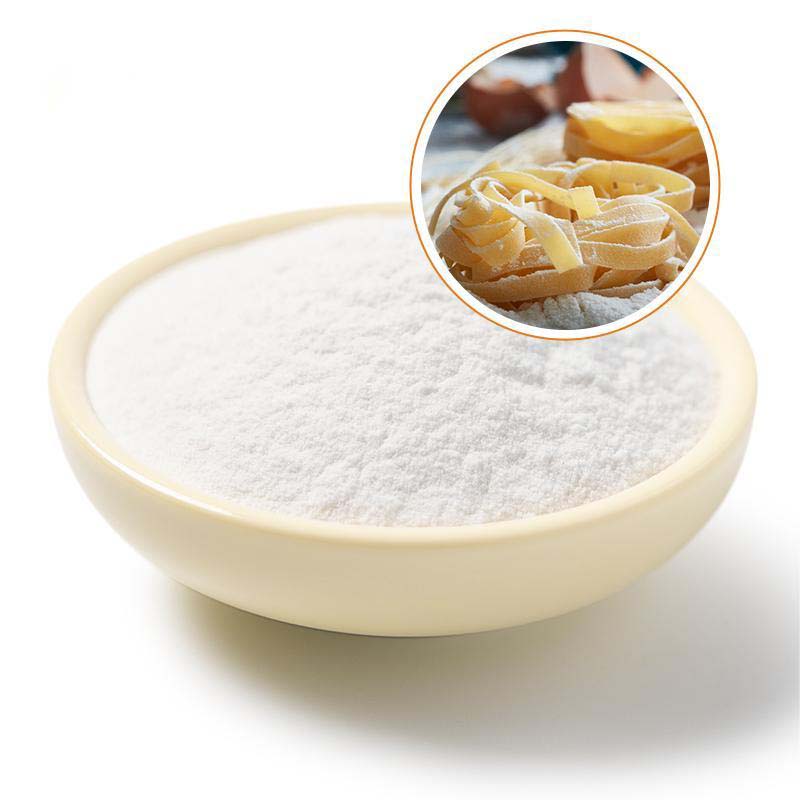
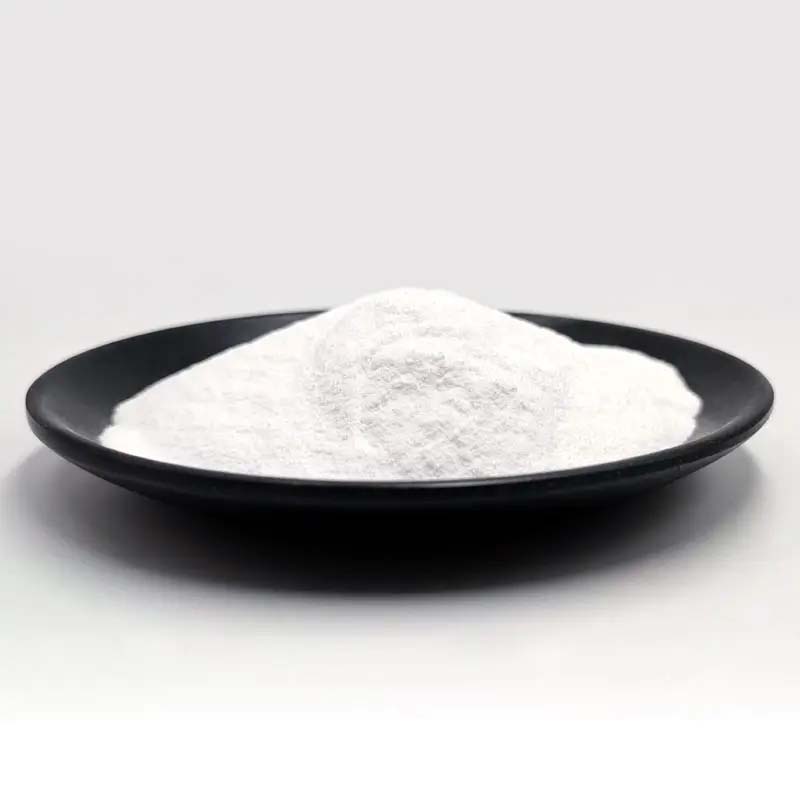
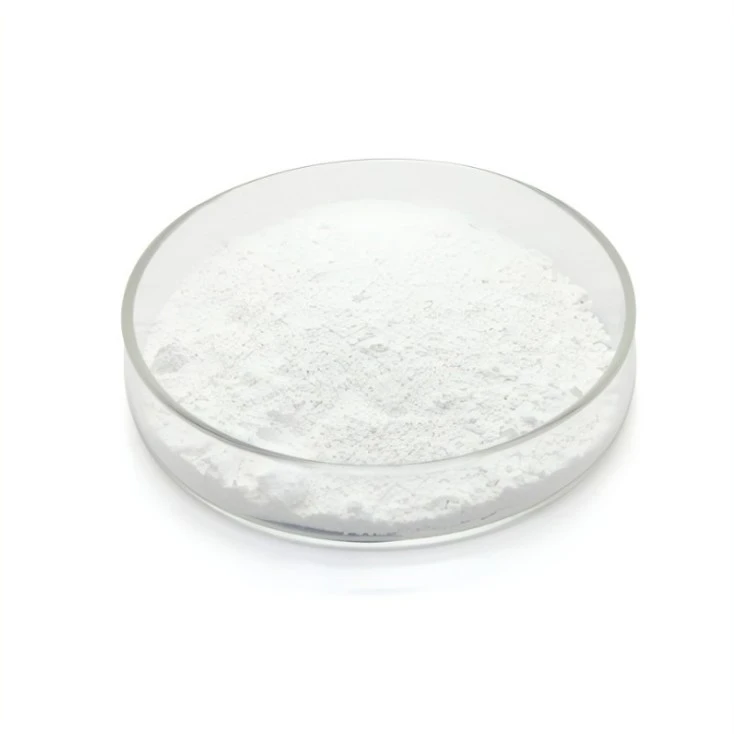
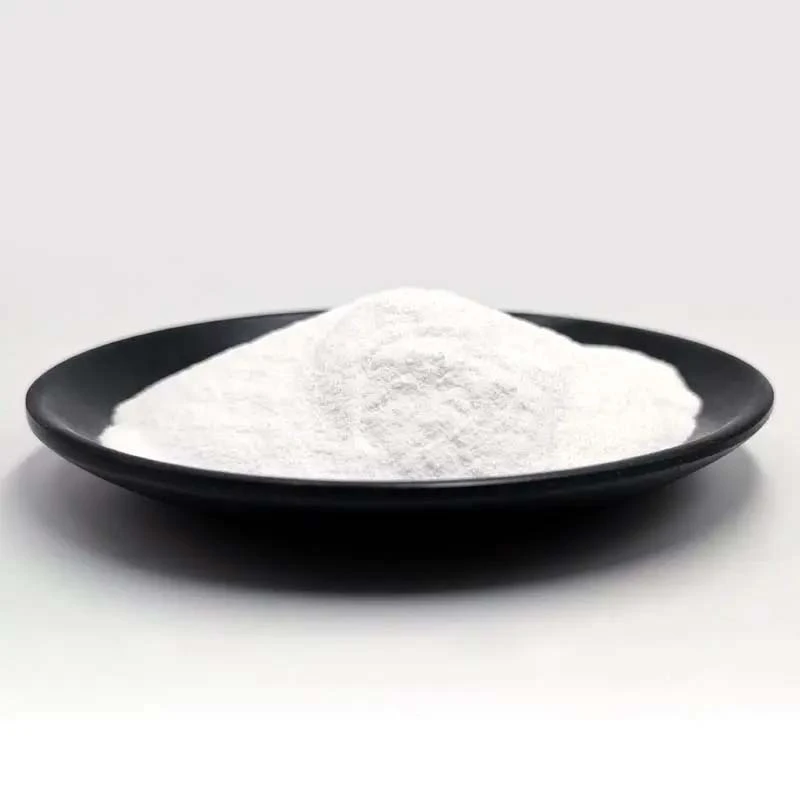
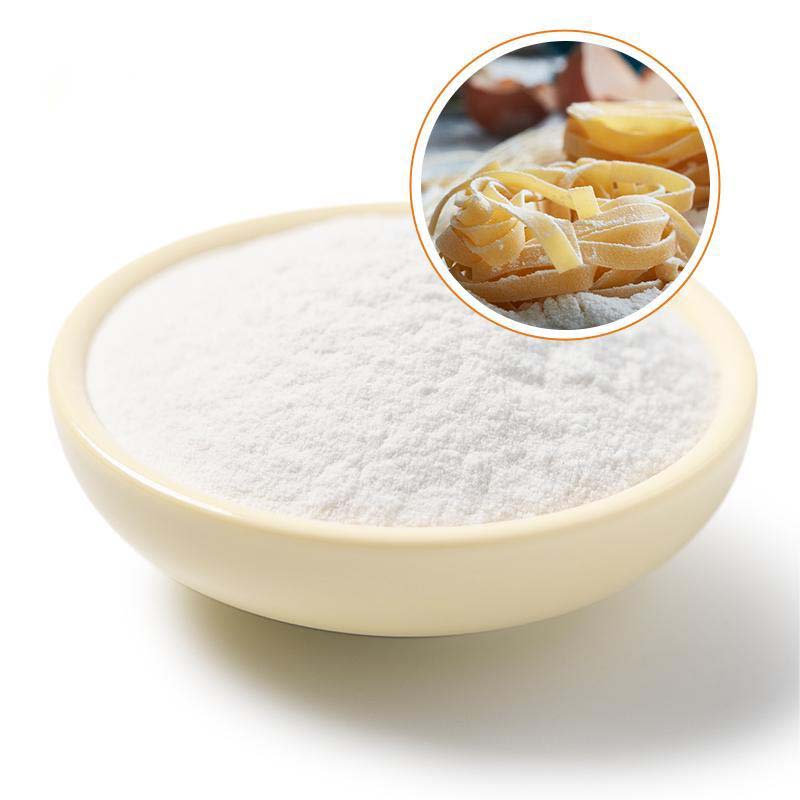
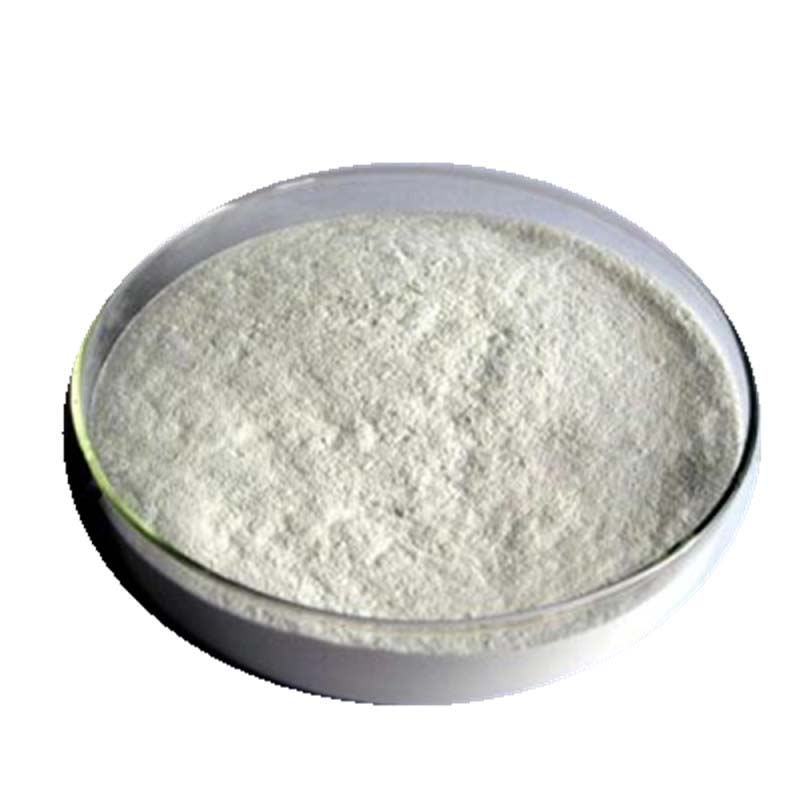
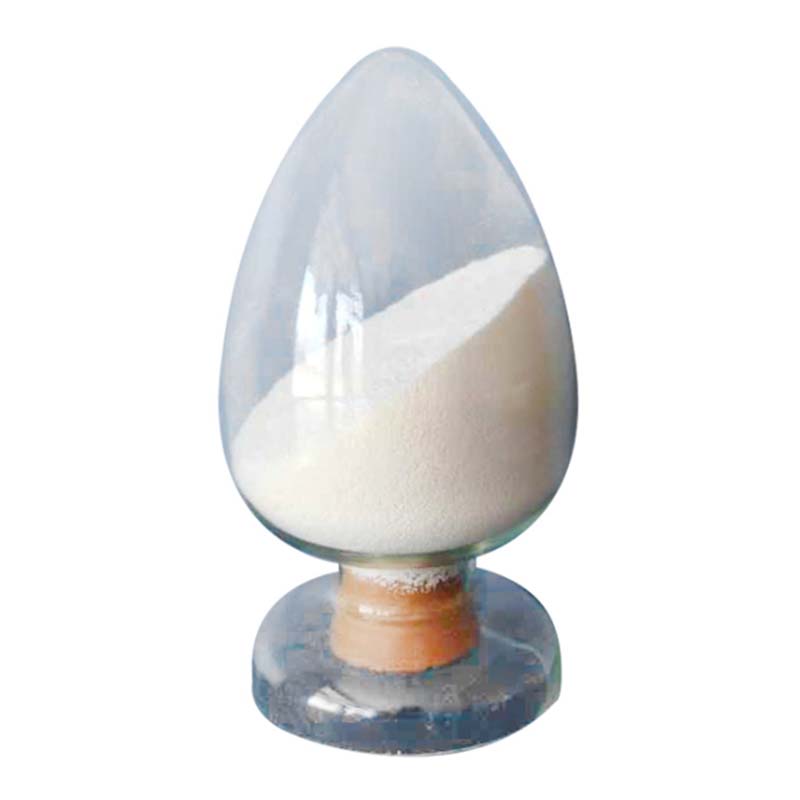
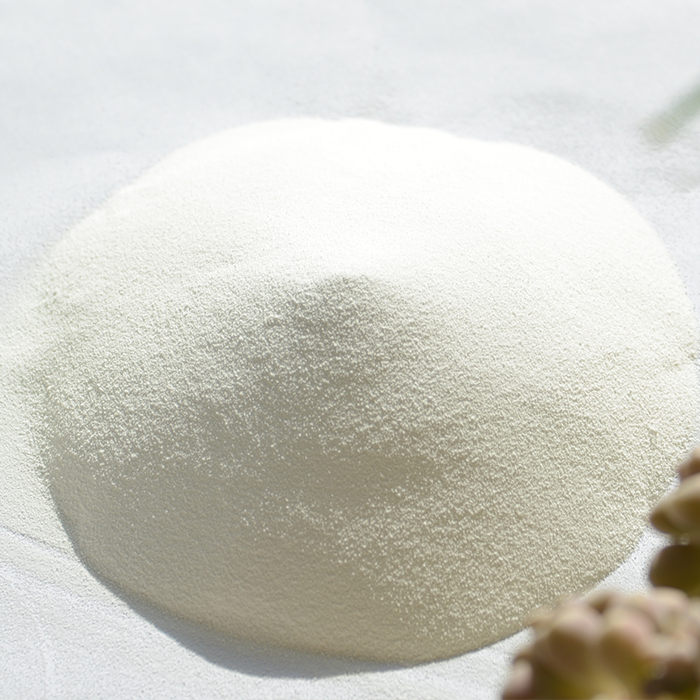
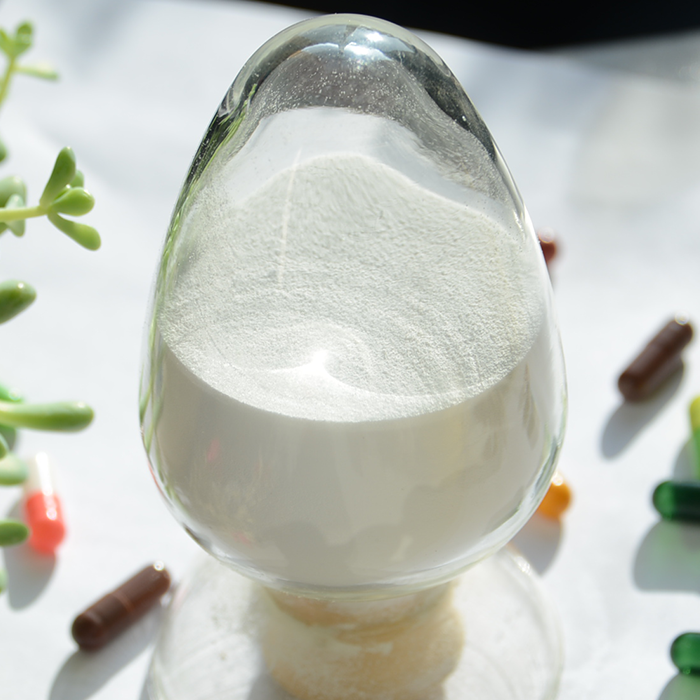
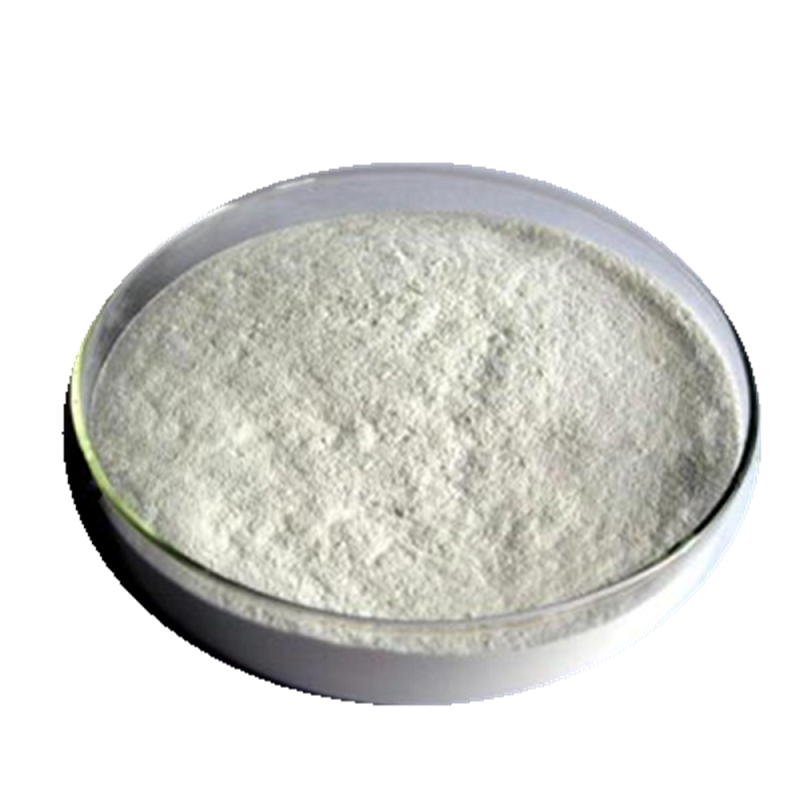
Carboxymethylcellulose (CMC) is a nontoxic and tasteless white flocculent powder with stable performance and is easy to dissolve in water. Sodium carboxymethylcellulose (CMC), commonly known as "industrial monosodium glutamate", is the most widely used and convenient product among cellulose ethers.
КМЦ может использоваться в качестве связующего вещества, загустителя, суспендирующего агента, эмульгатора, диспергатора, стабилизатора, проклеивающего вещества и т. д.
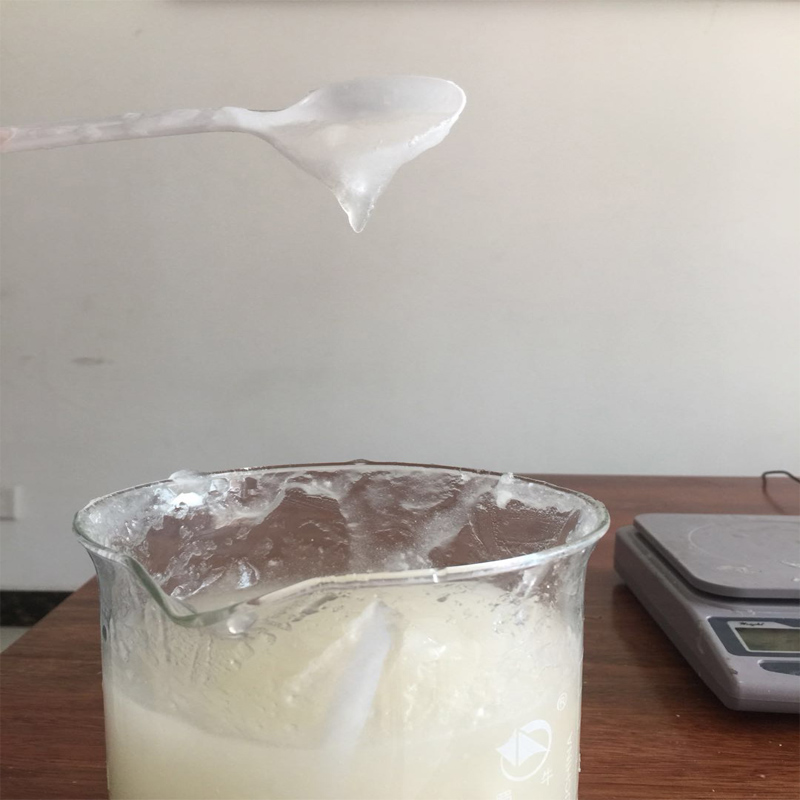
Карбоксиметилцеллюлоза (КМЦ) представляет собой анионный эфир целлюлозы, внешний вид представляет собой белый или слегка желтый хлопьевидный волокнистый порошок или белый порошок, без запаха, вкуса, нетоксичный; Легко растворяется в воде, образуя прозрачный раствор определенной вязкости. Раствор нейтральный или слабощелочной, нерастворим в этаноле, эфире, изопропиловом спирте, ацетоне и других органических растворителях, но растворим в этаноле или растворе ацетона с содержанием воды 60%. Он гигроскопичен, устойчив к свету и теплу, вязкость снижается с повышением температуры.
Carboxymethyl cellulose (CMC) Features:
1. Почти без запаха, без запаха и гигроскопичен.
2. Легко диспергируется в воде в прозрачный коллоидный раствор, нерастворимый в органических растворителях, таких как этанол.
3. pH 3,1% водного раствора составляет 6,5-8,5. При pH>10 или <5 вязкость клея значительно снижается, а наилучшие характеристики достигаются при pH=7.
4. Он термически стабилен, с быстрым увеличением вязкости при температуре ниже 20 ℃ и более медленным изменением при 45 ℃. Длительное нагревание выше 80 ℃ может вызвать денатурацию коллоида, значительно снижая вязкость и производительность.
5. Легко растворяется в воде, прозрачный раствор;
Grade of Carboxymethyl cellulose (CMC)
Пищевой КМЦ
Моющее средство класса CMC
Бурение нефтяных скважин класса CMC
Керамика класса CMC
Краска класса CMC
Текстиль и крашение класса CMC
How Sodium Carboxymethyl Cellulose Powder Improves Viscosity and Stability
One of the most important functional characteristics of sodium carboxymethyl cellulose powder is its ability to control viscosity and improve formulation stability. As a water-soluble derivative of cellulose, carboxymethyl cellulose CMC forms highly stable colloidal solutions when dissolved in water. Even at low concentrations, it can significantly increase the viscosity of liquids, making it an efficient thickening agent in various industrial and food applications.
The rheological behavior of carboxymethyl cellulose CMC depends largely on its degree of substitution (DS) and molecular weight. Higher molecular weight grades generally provide stronger thickening performance, while lower viscosity grades are preferred when flowability is required. This flexibility allows manufacturers to fine-tune product texture, suspension stability, and flow characteristics.
In food applications, sodium carboxymethyl cellulose powder helps prevent ingredient separation, improves mouthfeel, and enhances shelf stability. In oil drilling fluids, it stabilizes drilling mud by controlling fluid loss and improving suspension performance. In detergents and coatings, it enhances uniform dispersion and prevents sedimentation.
Because of its strong water retention capacity, carboxymethyl cellulose CMC also reduces syneresis in formulations. This is especially valuable in products exposed to temperature fluctuations or long storage periods. Overall, sodium carboxymethyl cellulose powder serves as a multifunctional rheology modifier, offering predictable and stable performance across industries.
Factors Affecting the Quality of Carboxymethyl Cellulose CMC Powder
The quality of carboxymethyl cellulose CMC directly influences its performance in industrial and food applications. Several key parameters determine the overall effectiveness of sodium carboxymethyl cellulose powder, including purity, degree of substitution (DS), viscosity level, particle size distribution, and moisture content.
The degree of substitution is one of the most critical factors. It reflects how many hydroxyl groups in cellulose are replaced by carboxymethyl groups. A higher DS typically improves water solubility and enhances thickening capability. However, the ideal DS varies depending on the application requirements.
Viscosity grade is another decisive factor. Different industries require specific viscosity ranges to achieve desired texture, stability, or suspension properties. Inconsistent viscosity in carboxymethyl cellulose CMC powder can result in formulation instability or production inefficiencies.
Purity also plays a major role. High-quality sodium carboxymethyl cellulose powder should contain minimal residual salts, unreacted cellulose, or by-products. Impurities may affect transparency, taste (in food applications), or compatibility with other chemicals.
Additionally, particle size affects dissolution speed and dispersion uniformity. Fine and evenly distributed powder dissolves more efficiently and reduces clumping during mixing. Manufacturers must carefully control production processes and perform strict quality testing to ensure stable product performance and compliance with international standards.
How to Dissolve and Process Sodium Carboxymethyl Cellulose Powder Correctly
Proper dissolution and processing methods are essential to maximize the performance of sodium carboxymethyl cellulose powder. Although carboxymethyl cellulose CMC is water-soluble, incorrect mixing techniques can lead to clumping or incomplete hydration.
To achieve optimal dispersion, it is recommended to slowly add sodium carboxymethyl cellulose powder into water under continuous agitation. High-speed stirring helps prevent the formation of lumps and ensures uniform distribution. In some cases, pre-mixing the powder with dry ingredients such as sugar or salt can improve dispersion efficiency.
Water temperature also affects dissolution rate. While carboxymethyl cellulose CMC can dissolve in cold water, slightly warm water often accelerates hydration. However, excessively high temperatures should be avoided, as they may influence viscosity stability depending on the grade.
Allowing sufficient hydration time is crucial. Full viscosity development may take several minutes to several hours, depending on molecular weight and concentration. Premature processing before complete hydration can result in inconsistent viscosity and performance.
For industrial-scale production, controlled feeding systems and proper agitation equipment are recommended to ensure efficient processing of sodium carboxymethyl cellulose powder. By following correct dissolution procedures, manufacturers can achieve stable rheological performance and maintain consistent product quality.
|
ЭЛЕМЕНТ |
ДИАПАЗОН |
|
Цвет |
Молочно-белый |
|
Вязкость (1% раствор, МПа.С) |
50-1200 |
|
Хлористый(%) |
<1,8% |
|
Степень замещения |
0.6-0.9 |
|
PH |
6.0-8.5 |
|
Чистота |
99.5% |
|
Влага(%) |
<10% |

КМЦ является не только хорошим эмульгирующим стабилизатором и загустителем в пищевой промышленности, но также отлично замораживается и плавится.
стабильность и может улучшить вкус продуктов и продлить время хранения.
В соевом молоке, мороженом, мороженом, желе, напитках, консервах потребление составляет около 1% ~ 1,5%. КМЦ также можно использовать с уксусом, соевым соусом, растительным маслом, фруктовым соком, мясным соком, овощным соком и другими стабильными эмульгирующими дисперсиями, дозировка составляет 0,2% ~ 0,5%.
Особенно превосходны характеристики эмульгирования животных, растительных масел, белков и водных растворов, что позволяет образовывать стабильную однородную эмульсию.
Поскольку он безопасен и надежен, его дозировка не ограничивается стандартом пищевой гигиены ADI.
Функция CMC в производстве продуктов питания:
1. загущение: вязкость при низкой концентрации. Он может контролировать вязкость в процессе обработки пищевых продуктов и придавать пище ощущение смазки;
2. удержание воды: уменьшает обезвоживание продуктов питания, продлевает срок годности продуктов питания;
3. стабильность дисперсии: поддерживать стабильность качества пищевых продуктов, предотвращать расслоение масла и воды (эмульгирование), контроль
размер кристаллов в замороженных продуктах (уменьшите количество кристаллов льда);
4. Формирование пленки: в жареной пище образуется слой пленки, предотвращающий чрезмерное впитывание масла;
5. Химическая стабильность: устойчив к химическим веществам, теплу и свету, с определенной устойчивостью к плесени;
6. метаболическая инерция: в качестве пищевой добавки не метаболизируется, в пищу не содержит калорий.
В качестве загустителя и стабилизатора кислых молочных продуктов КМЦ предотвращает коагуляцию белка в молочных продуктах.
осаждаясь и наслаиваясь, придает молочным продуктам неповторимый и нежный вкус.
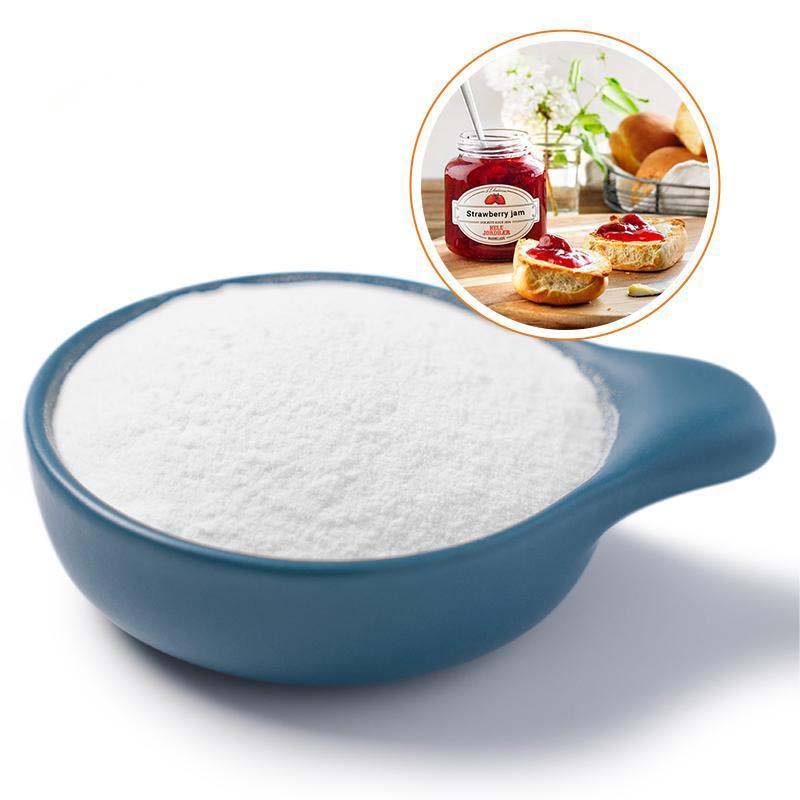
В качестве водоудерживающего агента для начинок для выпечки и джемов КМЦ предотвращает обезвоживание пищевых продуктов, придает определенную тиксотропность, улучшает стабильность при хранении, улучшает блеск выпечки и предотвращает растрескивание.
КМЦ может использоваться в качестве проклеивающего вещества в бумажной промышленности, в керамической промышленности в качестве наполнителя заготовок, пластификатора, упрочняющего агента, используется в качестве проклеивающего вещества в текстильной промышленности, в косметике в качестве гидрозоля, в качестве стойкого к повторному осаждению грязи.
агент в моющем средстве, в буровом растворе, может использоваться для защиты скважин, в качестве стабилизирующего агента, водоудерживающего агента, использоваться в качестве загустителя в зубной пасте и т. д.



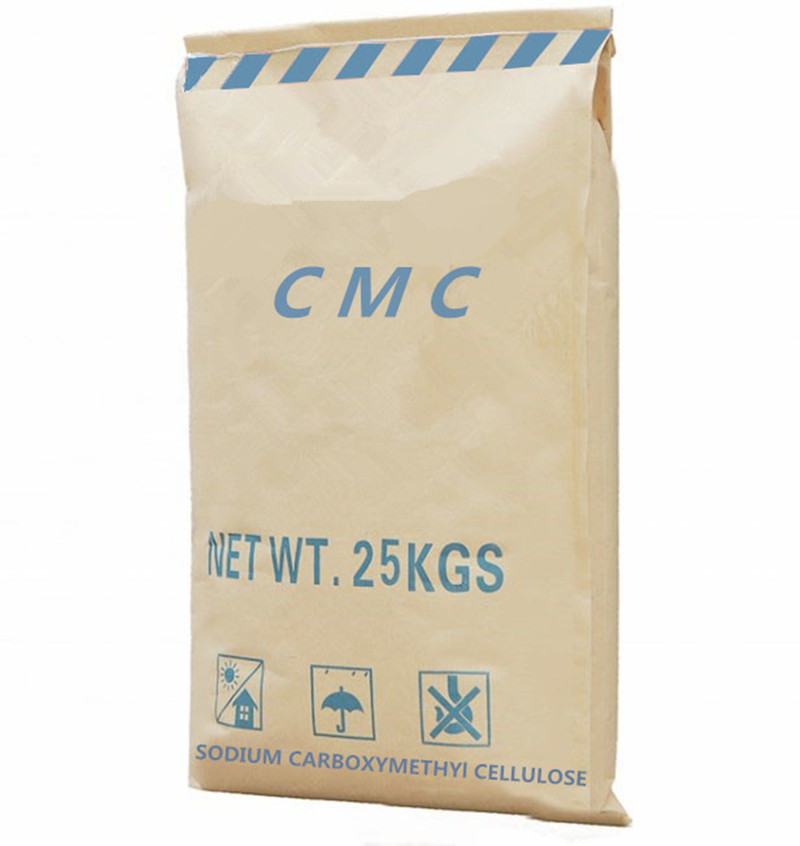
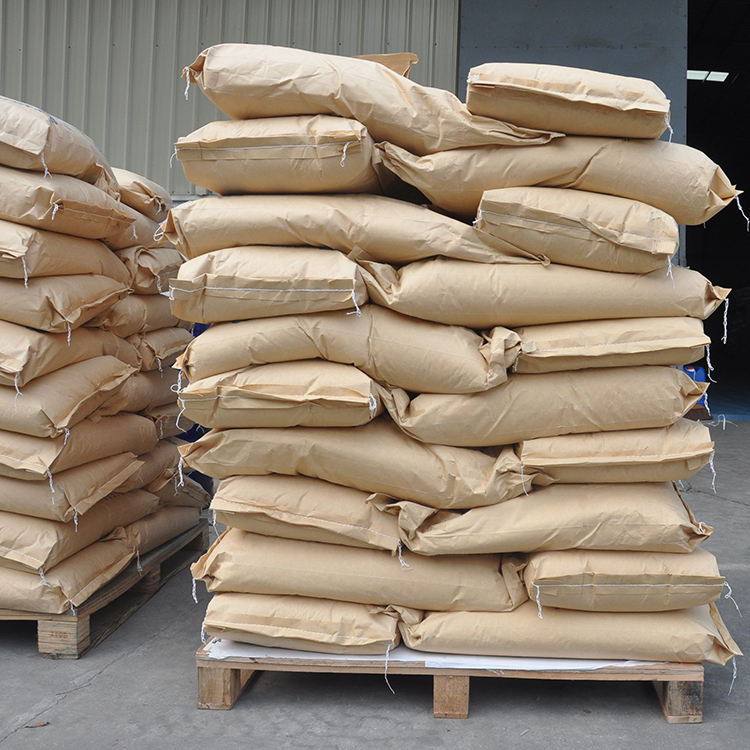
cmc sodium carboxymethyl cellulose
fungsi sodium carboxymethyl cellulose
sodium carboxy
sodium carboxy cellulose
sodium carboxy methyl cellulose
sodium carboxy methyl cellulose cmc
sodium carboxymethyl