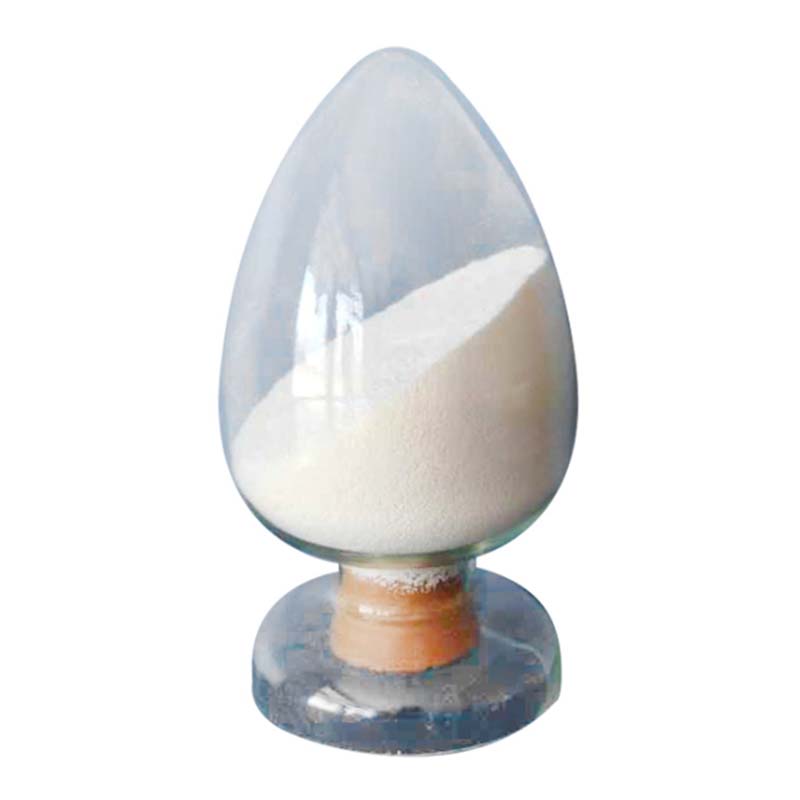
Sodium Carboxymethyl Cellulose Use
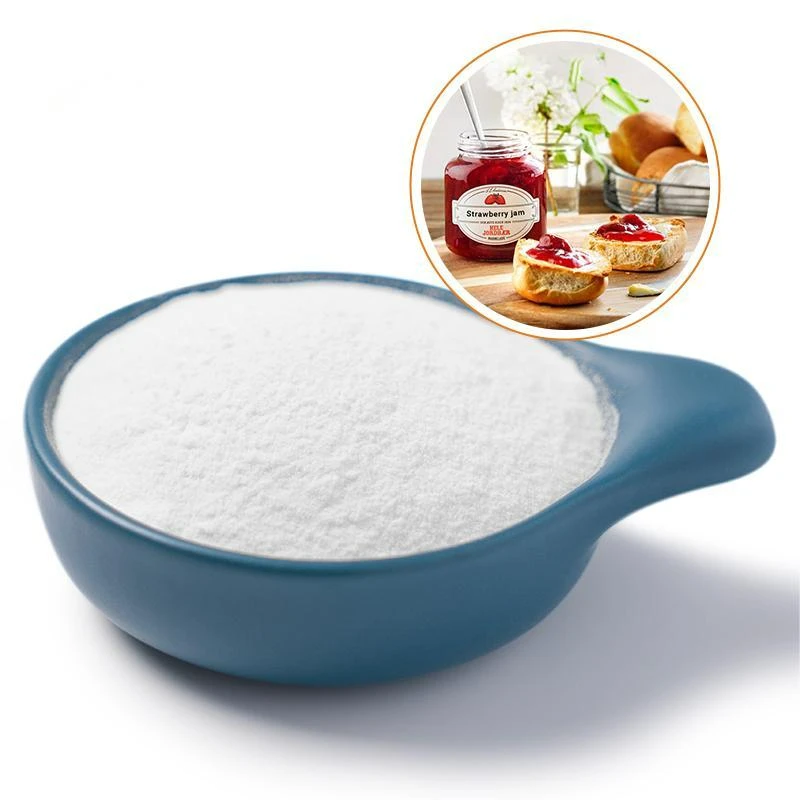
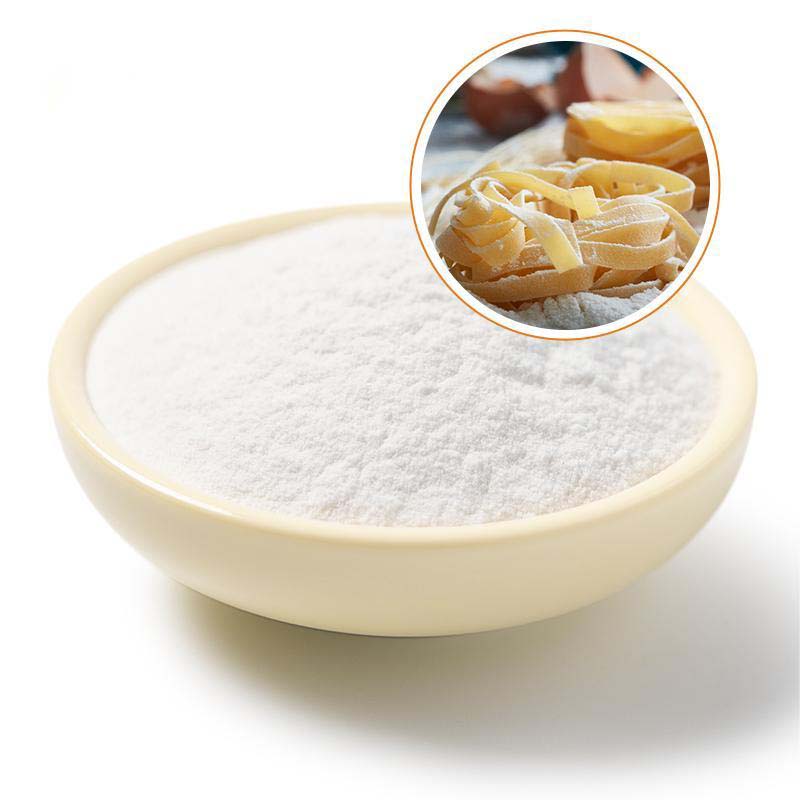
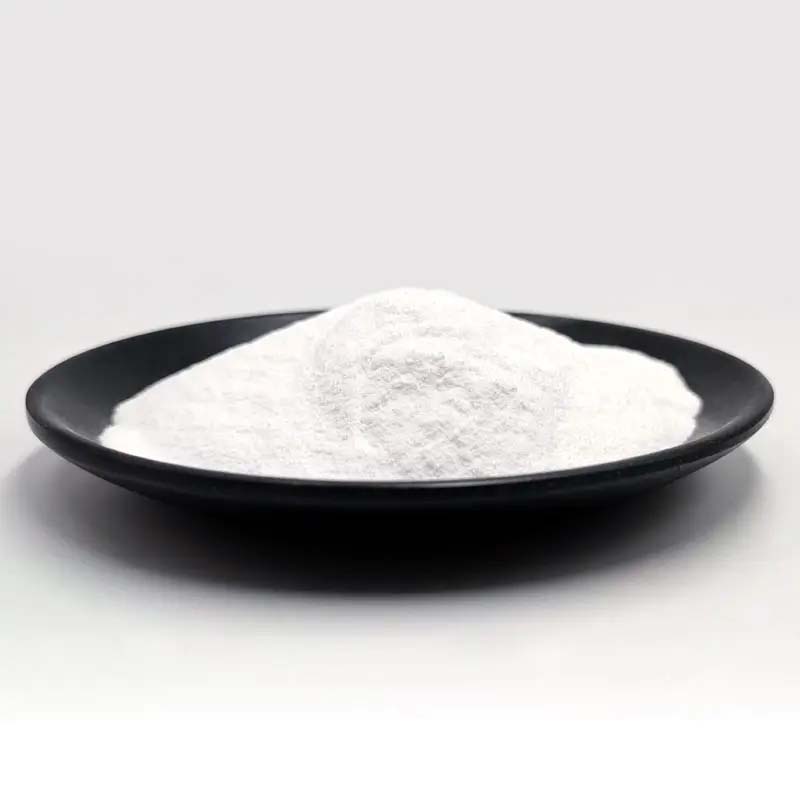
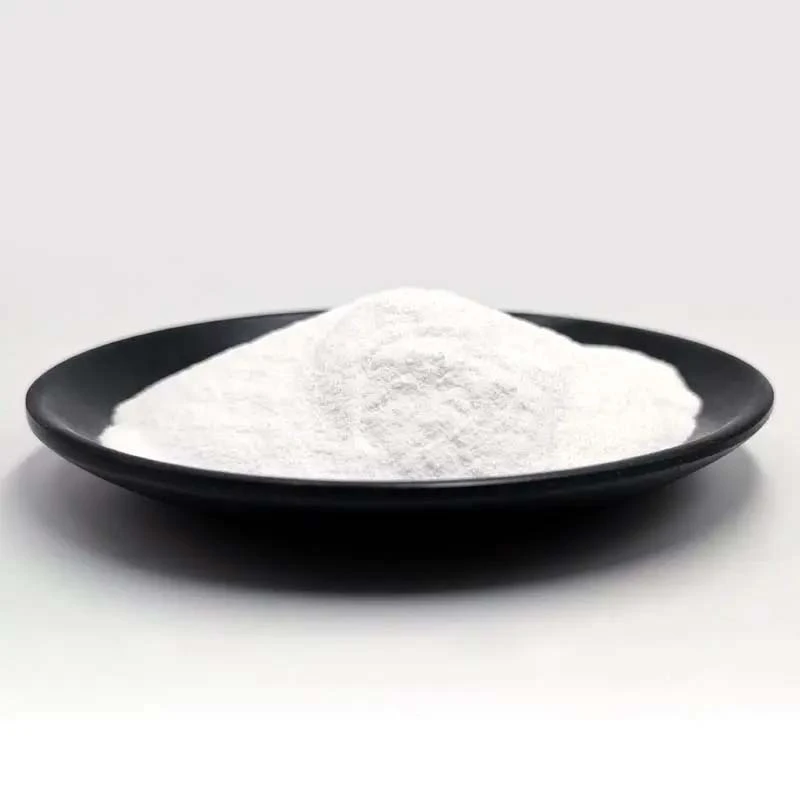
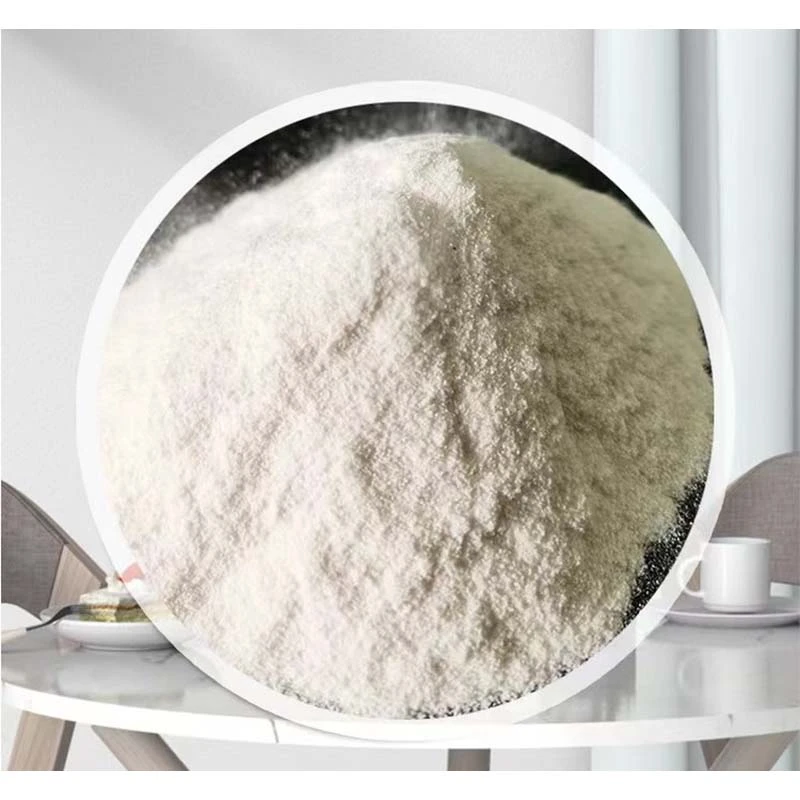
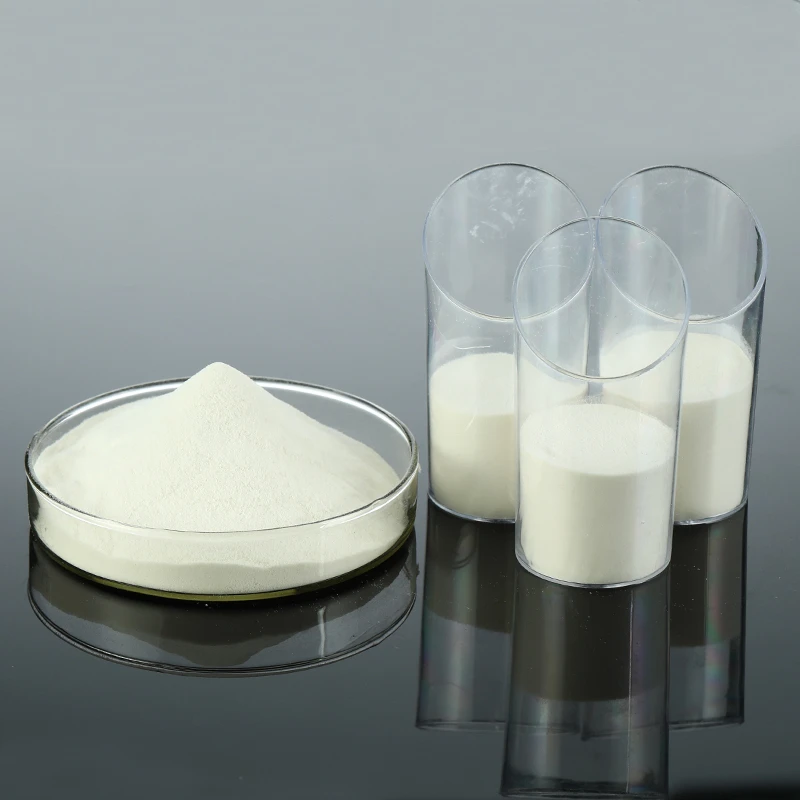
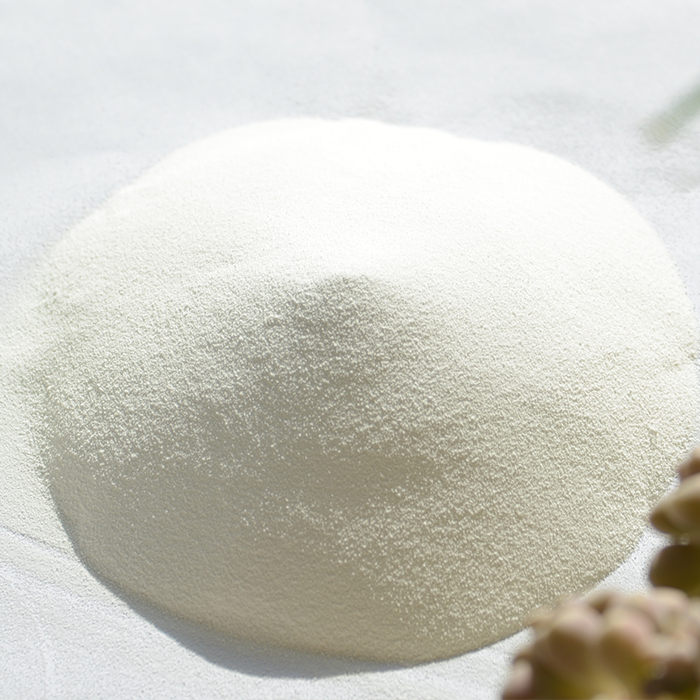
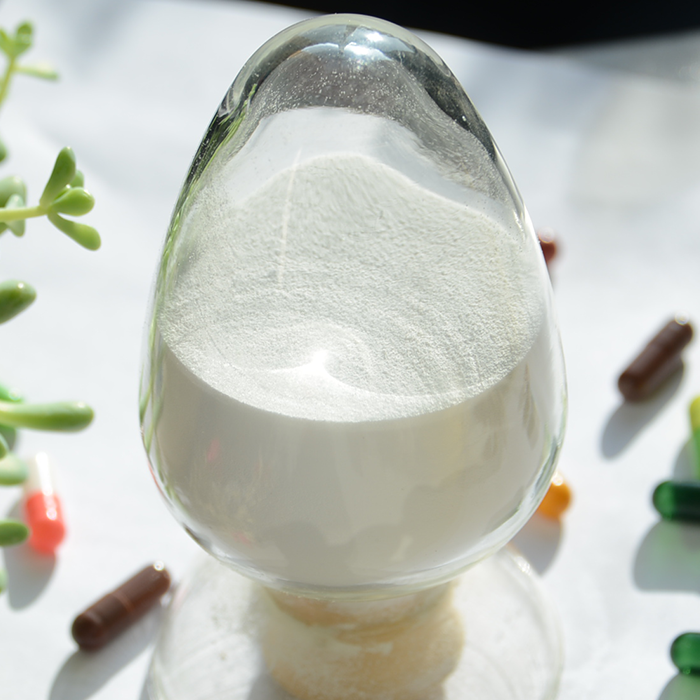
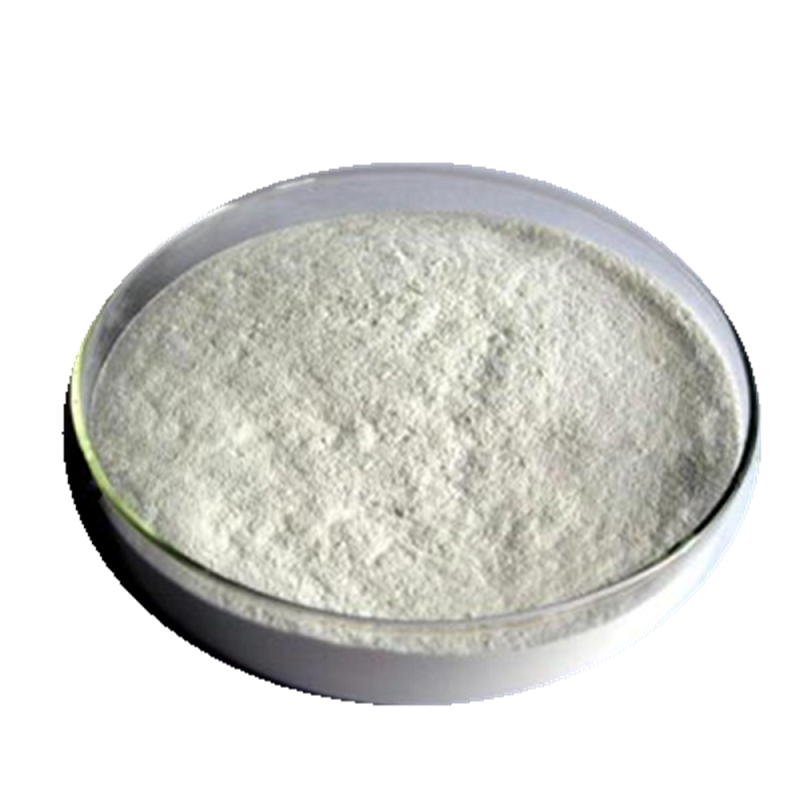
Carboxymethylcellulose (CMC) is a nontoxic and tasteless white flocculent powder with stable performance and is easy to dissolve in water. Sodium carboxymethylcellulose (CMC), commonly known as "industrial monosodium glutamate", is the most widely used and convenient product among cellulose ethers.
CMC biriktiruvchi, quyuqlashtiruvchi, suspenziya qiluvchi vosita, emulsifikator, dispersant, stabilizator, o'lchov agenti va boshqalar sifatida ishlatilishi mumkin.
Karboksimetil tsellyuloza (CMC) anion tsellyuloza efiri bo'lib, tashqi ko'rinishi oq yoki ozgina sariq rangli flokulyant tolali kukun yoki oq kukun, hidsiz, ta'msiz, toksik bo'lmagan; Suvda oson eriydi, ma'lum bir yopishqoqlikka ega shaffof eritma hosil qiladi. Eritma neytral yoki ozgina gidroksidi, etanol, efir, izopropil spirti, aseton va boshqa organik erituvchilarda erimaydi, lekin 60% suvli etanol yoki aseton eritmasida eriydi. U gigroskopik, yorug'lik va issiqlikka barqaror, harorat oshishi bilan yopishqoqlik kamayadi.
Carboxymethyl cellulose (CMC) Features:
1. Deyarli hidsiz, hidsiz va gigroskopik.
2. O'rganish kabi organik erituvchilarda erimaydigan shaffof kolloid eritmaga suvda tarqalishi oson.
3. 3,1% li suvli eritmaning pH qiymati 6,5-8,5. pH>10 yoki<5 bo'lganda, yopishqoqning yopishqoqligi sezilarli darajada kamayadi va ishlash pH = 7 da eng yaxshisidir.
4. Termik jihatdan barqaror, 20 ℃ dan past yopishqoqlikning tez o'sishi va 45 ℃ da sekinroq o'zgarishi bilan. 80 ℃ dan yuqori uzoq muddatli isitish kolloid denaturatsiyasiga olib kelishi mumkin, shu bilan birga viskozite va ish faoliyatini sezilarli darajada kamaytiradi.
5. Suvda oson eriydi, shaffof eritma;
Grade of Carboxymethyl cellulose (CMC)
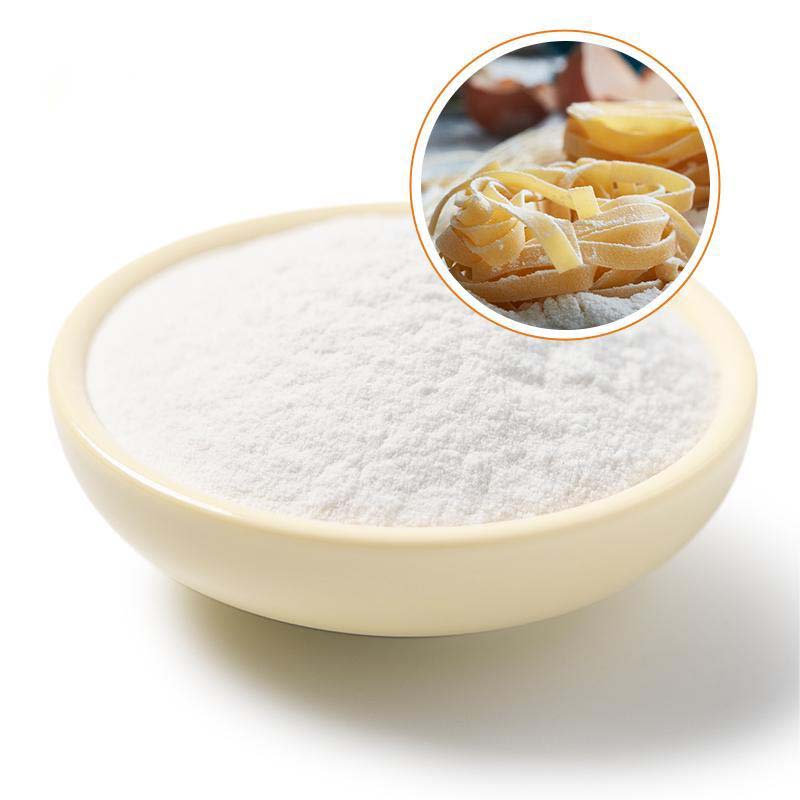
Oziq-ovqat darajasidagi CMC
Detarjan darajasi CMC
Neft burg'ulash darajasi CMC
Seramika darajasi CMC
Bo'yoq darajasi CMC
To'qimachilik va bo'yash darajasi CMC
How Sodium Carboxymethyl Cellulose Powder Improves Viscosity and Stability
One of the most important functional characteristics of sodium carboxymethyl cellulose powder is its ability to control viscosity and improve formulation stability. As a water-soluble derivative of cellulose, carboxymethyl cellulose CMC forms highly stable colloidal solutions when dissolved in water. Even at low concentrations, it can significantly increase the viscosity of liquids, making it an efficient thickening agent in various industrial and food applications.
The rheological behavior of carboxymethyl cellulose CMC depends largely on its degree of substitution (DS) and molecular weight. Higher molecular weight grades generally provide stronger thickening performance, while lower viscosity grades are preferred when flowability is required. This flexibility allows manufacturers to fine-tune product texture, suspension stability, and flow characteristics.
In food applications, sodium carboxymethyl cellulose powder helps prevent ingredient separation, improves mouthfeel, and enhances shelf stability. In oil drilling fluids, it stabilizes drilling mud by controlling fluid loss and improving suspension performance. In detergents and coatings, it enhances uniform dispersion and prevents sedimentation.
Because of its strong water retention capacity, carboxymethyl cellulose CMC also reduces syneresis in formulations. This is especially valuable in products exposed to temperature fluctuations or long storage periods. Overall, sodium carboxymethyl cellulose powder serves as a multifunctional rheology modifier, offering predictable and stable performance across industries.
Factors Affecting the Quality of Carboxymethyl Cellulose CMC Powder
The quality of carboxymethyl cellulose CMC directly influences its performance in industrial and food applications. Several key parameters determine the overall effectiveness of sodium carboxymethyl cellulose powder, including purity, degree of substitution (DS), viscosity level, particle size distribution, and moisture content.
The degree of substitution is one of the most critical factors. It reflects how many hydroxyl groups in cellulose are replaced by carboxymethyl groups. A higher DS typically improves water solubility and enhances thickening capability. However, the ideal DS varies depending on the application requirements.
Viscosity grade is another decisive factor. Different industries require specific viscosity ranges to achieve desired texture, stability, or suspension properties. Inconsistent viscosity in carboxymethyl cellulose CMC powder can result in formulation instability or production inefficiencies.
Purity also plays a major role. High-quality sodium carboxymethyl cellulose powder should contain minimal residual salts, unreacted cellulose, or by-products. Impurities may affect transparency, taste (in food applications), or compatibility with other chemicals.
Additionally, particle size affects dissolution speed and dispersion uniformity. Fine and evenly distributed powder dissolves more efficiently and reduces clumping during mixing. Manufacturers must carefully control production processes and perform strict quality testing to ensure stable product performance and compliance with international standards.
How to Dissolve and Process Sodium Carboxymethyl Cellulose Powder Correctly
Proper dissolution and processing methods are essential to maximize the performance of sodium carboxymethyl cellulose powder. Although carboxymethyl cellulose CMC is water-soluble, incorrect mixing techniques can lead to clumping or incomplete hydration.
To achieve optimal dispersion, it is recommended to slowly add sodium carboxymethyl cellulose powder into water under continuous agitation. High-speed stirring helps prevent the formation of lumps and ensures uniform distribution. In some cases, pre-mixing the powder with dry ingredients such as sugar or salt can improve dispersion efficiency.
Water temperature also affects dissolution rate. While carboxymethyl cellulose CMC can dissolve in cold water, slightly warm water often accelerates hydration. However, excessively high temperatures should be avoided, as they may influence viscosity stability depending on the grade.
Allowing sufficient hydration time is crucial. Full viscosity development may take several minutes to several hours, depending on molecular weight and concentration. Premature processing before complete hydration can result in inconsistent viscosity and performance.
For industrial-scale production, controlled feeding systems and proper agitation equipment are recommended to ensure efficient processing of sodium carboxymethyl cellulose powder. By following correct dissolution procedures, manufacturers can achieve stable rheological performance and maintain consistent product quality.
|
BUYUM |
RANGE |
|
Rang |
Oq sut |
|
Yopishqoqlik (1% eritma Mpa.S) |
50-1200 |
|
Xlorid (%) |
<1,8% |
|
Almashtirish darajasi |
0.6-0.9 |
|
PH |
6.0-8.5 |
|
Tozalik |
99.5% |
|
Namlik(%) |
<10% |
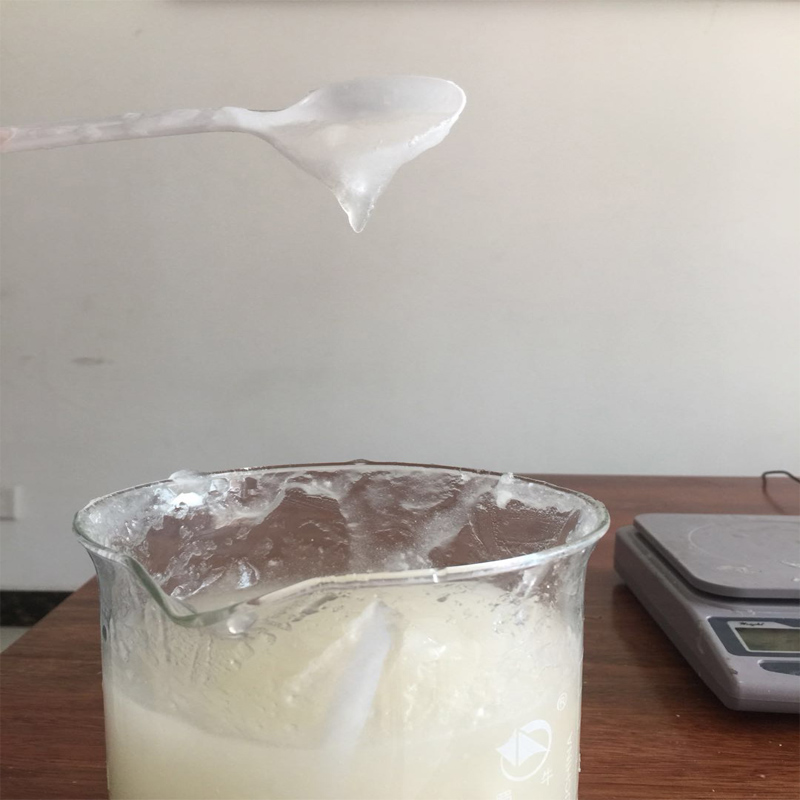

CMC nafaqat oziq-ovqat mahsulotlarini qo'llashda yaxshi emulsifikatsiya qiluvchi stabilizator va quyuqlashtiruvchi, balki mukammal muzlash va eritishga ham ega.
barqarorlik va mahsulotlarning ta'mini yaxshilash va saqlash vaqtini uzaytirishi mumkin.
Soya suti, muzqaymoq, muzqaymoq, jele, ichimliklar, konserva iste'moli taxminan 1% ~ 1,5% ni tashkil qiladi. CMC sirka, soya sousi, o'simlik moyi, meva sharbati, go'sht sharbati, sabzavot sharbati va boshqa barqaror emulsifikatsiya qiluvchi dispersiya bilan ham ishlatilishi mumkin, dozasi 0,2% ~ 0,5%.
Ayniqsa, hayvonlar, o'simlik moylari, oqsillar va suvli eritmalar uchun emulsifikatsiya ko'rsatkichlari juda yaxshi, uni barqaror bir hil emulsiya hosil qilishi mumkin.
Xavfsiz va ishonchli bo'lgani uchun uning dozasi oziq-ovqat gigienasi standarti ADI bilan cheklanmaydi.
Oziq-ovqat ishlab chiqarishda CMC funktsiyasi:
1.qalinlashuv: past konsentratsiyada yopishqoqlik. U oziq-ovqat mahsulotlarini qayta ishlash jarayonida yopishqoqlikni nazorat qilishi va oziq-ovqatga moylash hissi berishi mumkin;
2.suvni ushlab turish: oziq-ovqatning suvsizlanish qisqarishini kamaytirish, oziq-ovqat mahsulotlarini saqlash muddatini uzaytirish;
3.dispersiya barqarorligi: oziq-ovqat sifatining barqarorligini ta'minlash, yog' va suvning tabaqalanishini oldini olish (emulsifikatsiya), nazorat qilish
muzlatilgan oziq-ovqatdagi kristallarning kattaligi (muz kristallarini kamaytirish);
4.filmni shakllantirish: qovurilgan ovqatda plyonka qatlamini hosil qilish, yog'ning haddan tashqari emilishini oldini olish;
5.Kimyoviy barqarorlik: kimyoviy moddalarga, issiqlik va yorug'likka chidamli, ma'lum chiriyotganlarga chidamli;
6.metabolik inertsiya: oziq-ovqat qo'shimchasi sifatida metabolizmga uchramaydi, oziq-ovqatda kaloriya bermaydi.
Kislotali sut mahsulotlari uchun quyuqlashtiruvchi va stabilizator sifatida CMC sut mahsulotlari tarkibidagi oqsilning ivishini oldini oladi,
cho'ktirish va qatlamlash, sut mahsulotlarini o'ziga xos va nozik ta'mga aylantiradi.
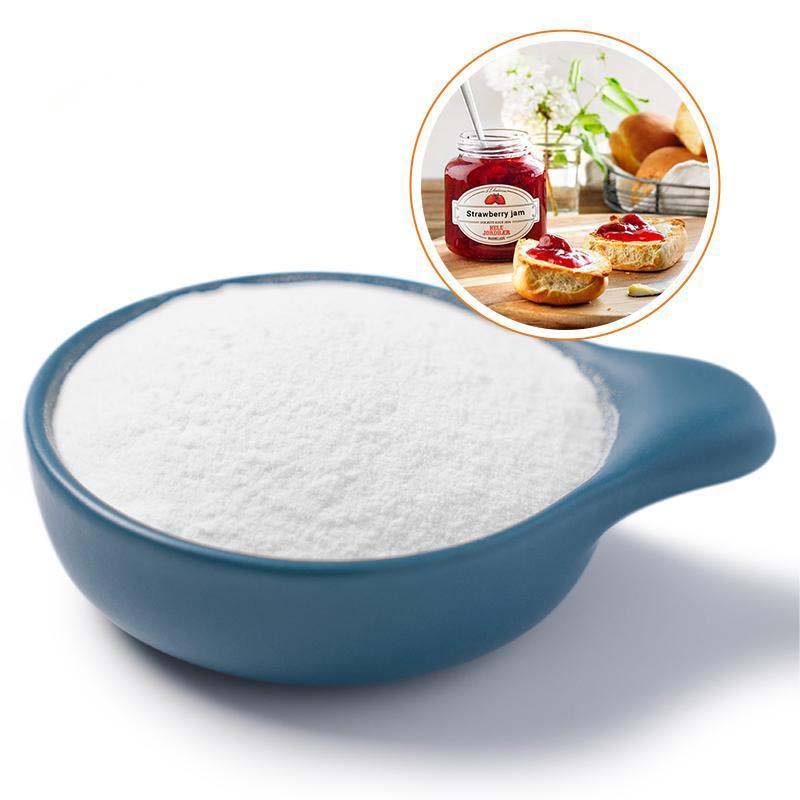
Pishiriqlar va murabbolarni to'ldirish uchun suvni ushlab turuvchi vosita sifatida CMC oziq-ovqatning suvsizlanishini oldini oladi, ma'lum tiksotropiya beradi, saqlash barqarorligini yaxshilaydi, pishiriqlarning porlashini yaxshilaydi va yorilishning oldini oladi.
CMC qog'oz ishlab chiqarish sanoatida qog'oz o'lchamlarini aniqlash agenti sifatida, keramika sanoatida ignabargli, plastifikator, mustahkamlovchi vosita sifatida, to'qimachilik sanoatida o'lchamdagi vosita sifatida, kosmetika gidrozol sifatida, axloqsizlikning qaytalanishiga qarshilik sifatida ishlatilishi mumkin.
detarjandagi agent, neft burg'ilash loyida quduqni himoya qilish uchun barqarorlashtiruvchi vosita, suvni ushlab turuvchi vosita, tish pastasida qalinlashtiruvchi vosita sifatida ishlatilishi mumkin va hokazo.



cmc sodium carboxymethyl cellulose
fungsi sodium carboxymethyl cellulose
sodium carboxy
sodium carboxy cellulose
sodium carboxy methyl cellulose
sodium carboxy methyl cellulose cmc
sodium carboxymethyl