
MHEC (gidroksietil metil tsellyuloza)
As a leading manufacturer of cellulose ethers, Peze Technology (Shijiazhuang) Co., Ltd specializes in producing premium-quality Hydroxyethyl Methyl Cellulose (HEMC) for construction and industrial applications. Hydroxyethyl methyl cellulose (HEMC) is a versatile cellulose ether widely used in construction materials due to its excellent water retention, thickening, and workability-enhancing properties. In tile adhesives, HEMC improves adhesion strength and open time, preventing tiles from slipping while allowing for adjustment during installation. Its stable viscosity ensures smooth application, even in thin-bed systems.
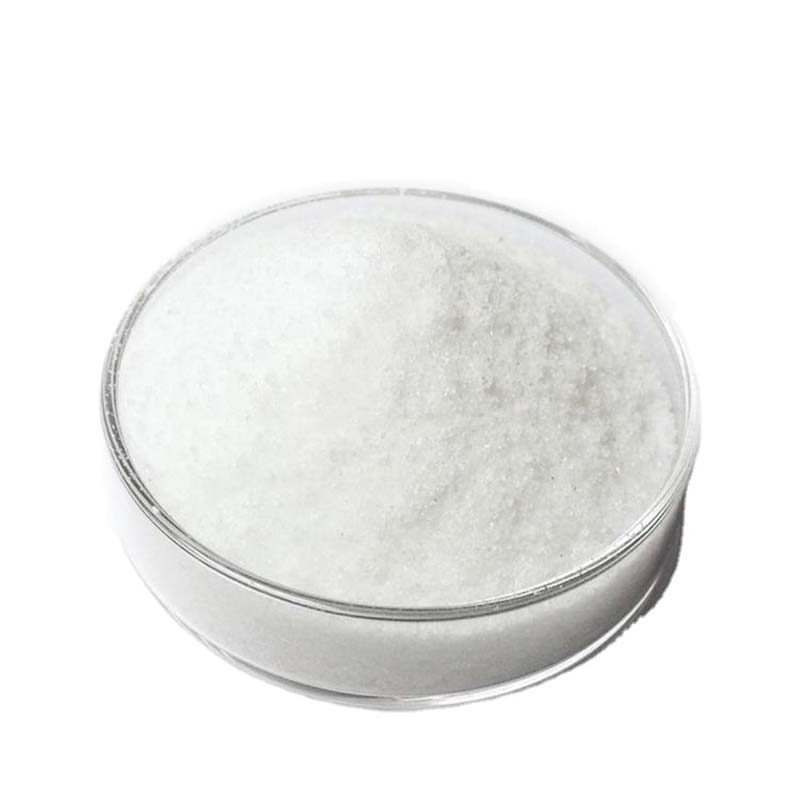
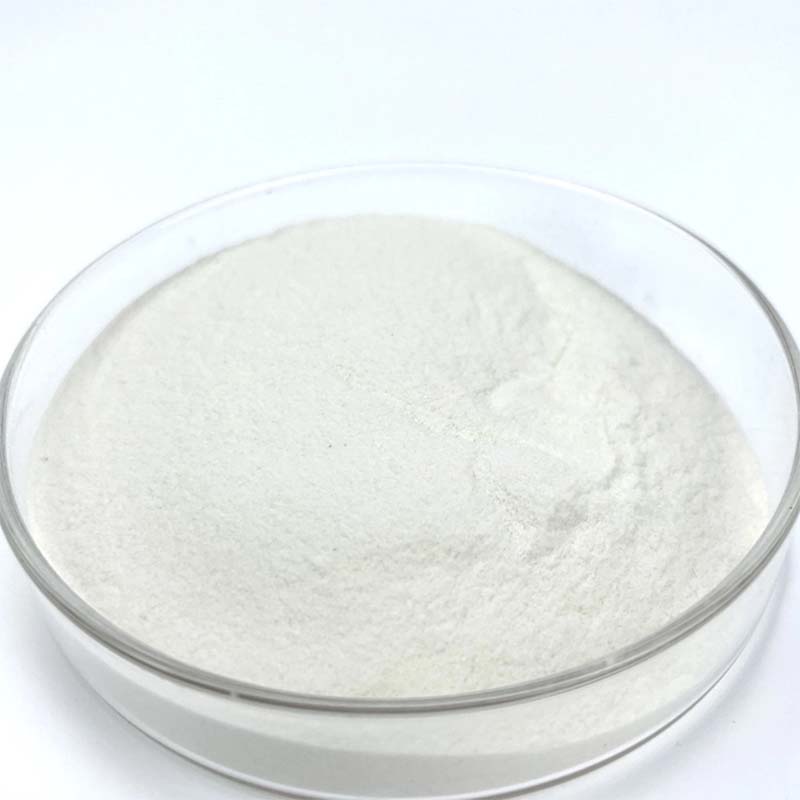
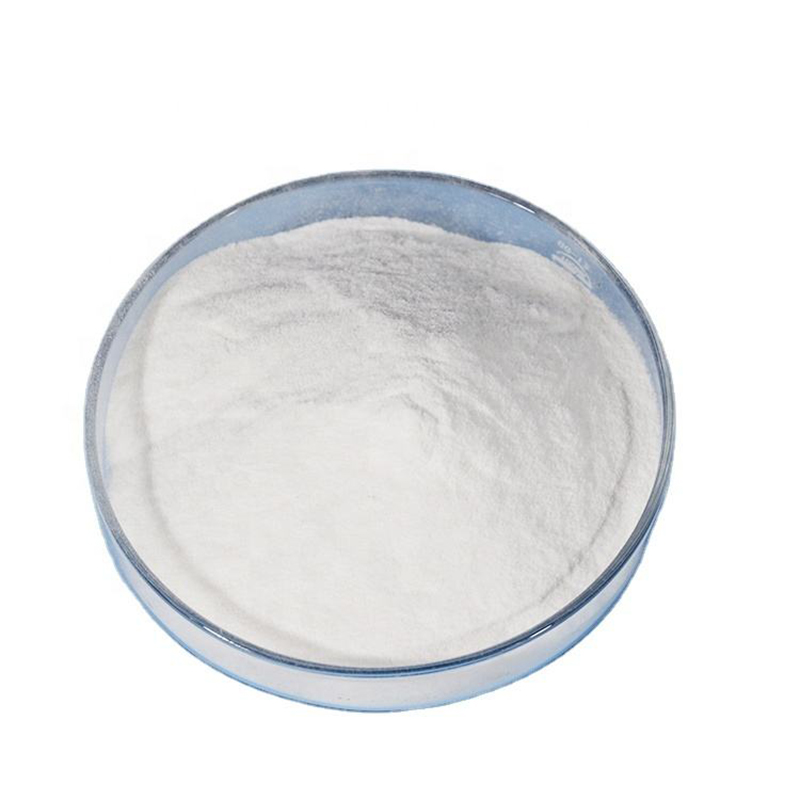
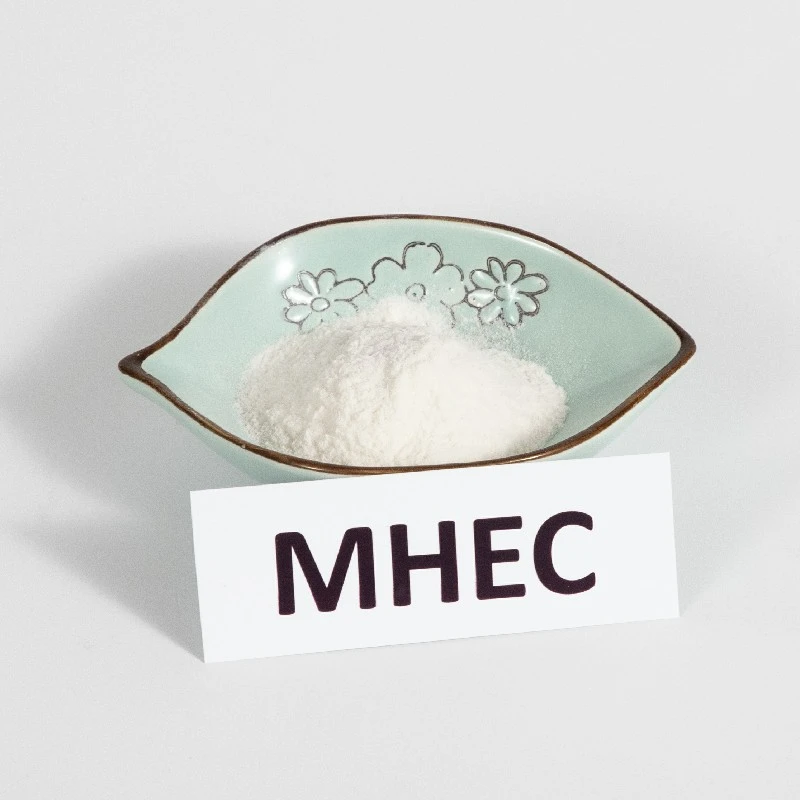
What is hydroxyethyl methyl cellulose used for?
Hydroxyethyl methyl cellulose (HEMC) is a cellulose ether widely used in construction materials as a multifunctional additive. It primarily improves water retention, workability, and adhesion in cement-based products like tile adhesives, renders, and self-leveling compounds. HEMC enhances mortar performance by preventing premature drying, increasing open time, and reducing cracking. Compared to HPMC, it offers better solubility in cold water and improved stability in alkaline conditions. The polymer is also used in paints, cosmetics, and pharmaceuticals as a thickener and stabilizer, valued for its non-toxic and biodegradable properties.
Applications of Hydroxyethyl Methyl Cellulose (HEMC)
In gypsum and cement-based plasters, HEMC enhances workability and reduces cracking by maintaining optimal hydration conditions. It also improves sag resistance in thick-layer applications, making it ideal for exterior renders and insulation systems.
For self-leveling underlayments, HEMC provides superior flow properties while preventing segregation of aggregates. Its water retention capability ensures uniform curing, resulting in a smooth, crack-free surface.
Beyond construction, HEMC is used in paints and coatings as a thickener and stabilizer, improving brushability and reducing splatter. In personal care products, it acts as a non-irritating viscosity modifier in shampoos, lotions, and creams.
With its excellent solubility, thermal stability, and compatibility with other additives, HEMC is a key ingredient in high-performance building materials and specialty formulations.
How to Choose the Right Hydroxyethyl Methyl Cellulose Grade
Selecting the appropriate hydroxyethyl methyl cellulose grade is essential for achieving optimal performance in construction formulations. Different grades vary mainly in viscosity, substitution degree, particle size, and water retention capacity. These technical parameters directly influence workability, open time, sag resistance, and final bonding strength in dry mix systems.
For tile adhesives and cement-based mortars, medium to high viscosity hydroxyethyl methyl cellulose is often preferred because it improves anti-slip performance and extends open time, allowing installers more flexibility during application. In self-leveling compounds or skim coats, lower viscosity grades may be more suitable to maintain proper flow and surface smoothness.
Another key factor to consider is environmental conditions. Projects in hot or dry climates may require grades with enhanced water retention to prevent premature drying. Compatibility with other additives, such as redispersible polymer powders or retarders, should also be evaluated to ensure formulation stability.
When choosing a hydroxyethyl methyl cellulose product, it is recommended to review technical data sheets carefully and conduct small-scale formulation tests. Working with a supplier that offers technical support and customized grade recommendations can significantly improve final product performance and manufacturing efficiency.
Hydroxyethyl Methyl Cellulose vs HPMC: What Is the Difference?
Although hydroxyethyl methyl cellulose (HEMC or MHEC) and HPMC (hydroxypropyl methyl cellulose) belong to the same cellulose ether family, there are important differences in chemical structure and application performance.
The primary distinction lies in the substituent groups. Hydroxyethyl methyl cellulose contains hydroxyethyl groups, while HPMC contains hydroxypropyl groups. This structural variation influences water solubility behavior, thermal gelation temperature, and performance in alkaline cement systems.
In cement-based construction materials, hydroxyethyl methyl cellulose is often favored for its superior water retention and better stability under high pH conditions. It also tends to provide improved workability and more consistent viscosity development in dry mix mortar formulations. HPMC, on the other hand, may offer slightly different rheological control and is widely used in pharmaceutical and food applications due to its broader regulatory approvals.
For construction-grade applications such as tile adhesives, renders, and EIFS systems, hydroxyethyl methyl cellulose is commonly selected because of its enhanced anti-sag properties and reliable thickening efficiency. Understanding these differences allows formulators to choose the most suitable cellulose ether for their specific production requirements.
Storage and Handling of Hydroxyethyl Methyl Cellulose Powder
Proper storage and handling are critical to maintaining the performance and shelf life of hydroxyethyl methyl cellulose powder. As a hygroscopic material, it can absorb moisture from the surrounding environment if not properly sealed, which may affect flowability and viscosity performance.
Hydroxyethyl methyl cellulose should be stored in a dry, well-ventilated area away from direct sunlight and excessive humidity. The recommended storage temperature is typically below 30°C, with relative humidity kept as low as possible. Original sealed packaging should remain intact until use to prevent contamination and moisture absorption.
During handling and mixing, it is important to add hydroxyethyl methyl cellulose gradually into water under continuous stirring to avoid lump formation. Using appropriate mixing equipment ensures proper dispersion and full hydration, which directly impacts thickening efficiency and overall mortar performance.
In large-scale manufacturing environments, maintaining clean storage conditions and following first-in-first-out (FIFO) inventory management helps ensure consistent product quality. By following correct storage and handling procedures, manufacturers can preserve the full functionality of hydroxyethyl methyl cellulose and achieve stable formulation results in construction applications.