
PVA (polivinil spirt)
Polyvinyl alcohol (PVA) is a synthetic polymer derived from the partial hydrolysis of polyvinyl acetate. This colorless, odorless material is widely valued for its excellent film-forming capabilities and water solubility.
PVA finds extensive applications across industries, serving as a high-performance binder in paper and textile manufacturing, an adhesive in various products, and a key component in coatings and packaging films. Its properties can be enhanced through additives to improve strength, flexibility, and water resistance for specialized uses.
As an environmentally friendly material, PVA is both non-toxic and biodegradable. However, its decomposition rate varies depending on environmental conditions. This unique combination of functionality and sustainability makes PVA a preferred choice for eco-conscious industrial applications.
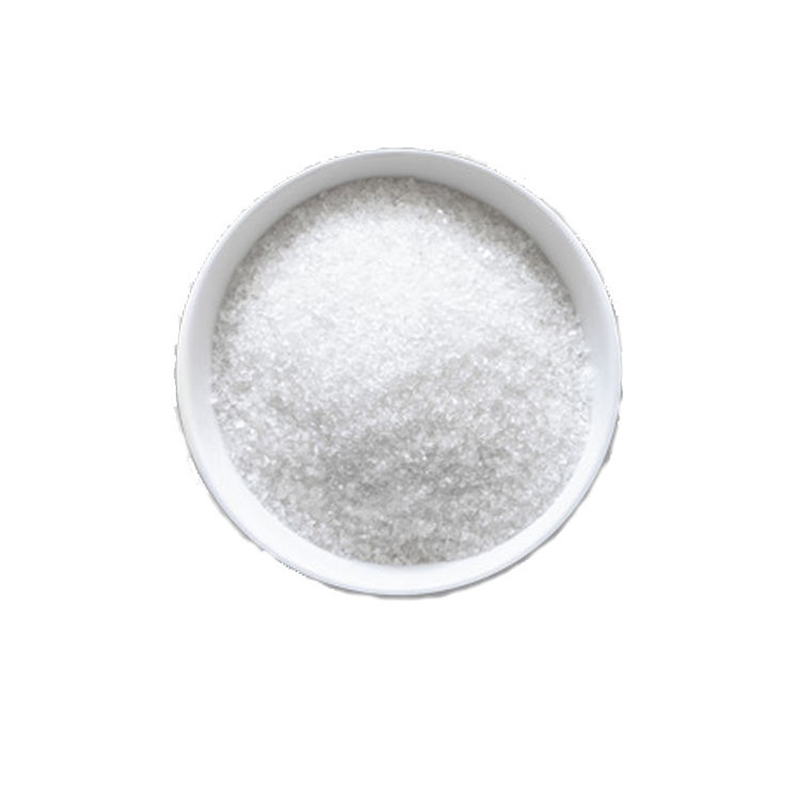
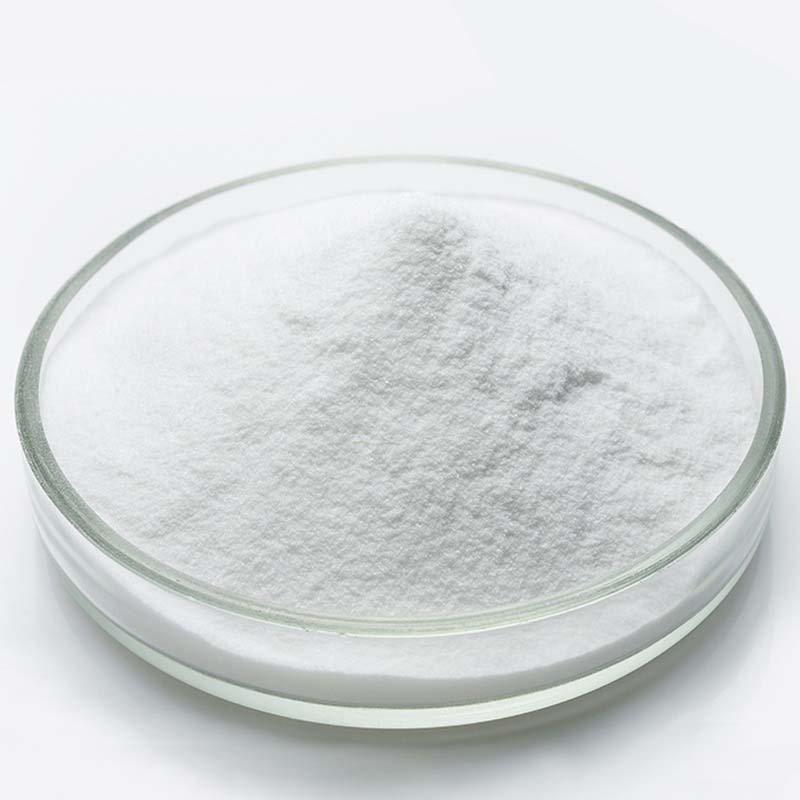
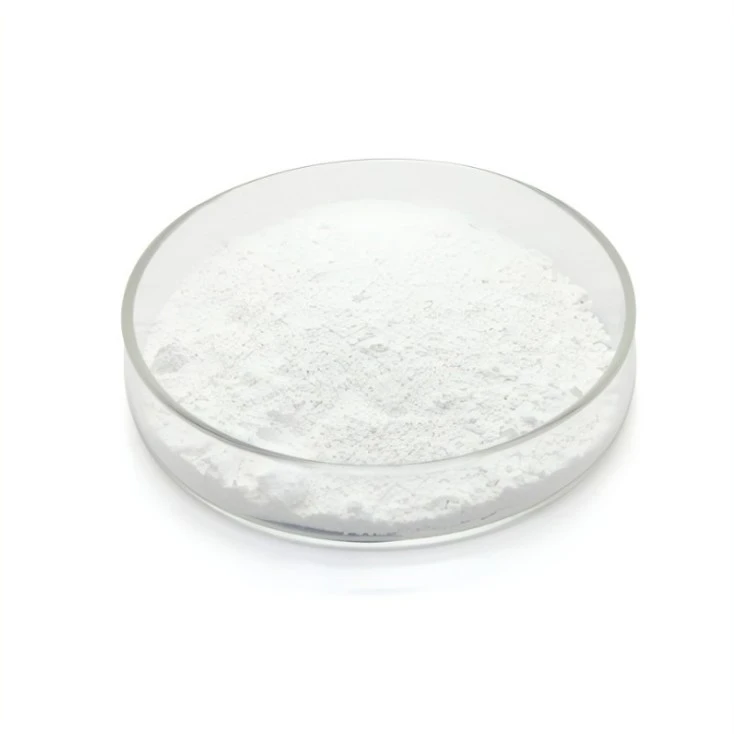
Is Polyvinyl Alcohol Bad for Skin?
Polyvinyl alcohol (PVA) is generally considered safe for skin contact when used in approved cosmetic and medical applications. It is non-irritating, hypoallergenic, and commonly found in skincare products like peel-off masks, moisturizers, and wound dressings. PVA forms a breathable film that locks in moisture without clogging pores. However, individuals with extremely sensitive skin should patch-test products containing PVA, as rare cases of mild irritation have been reported with prolonged use of certain formulations.
Is Polyvinyl Alcohol Safe?
PVA is recognized as safe by regulatory bodies (FDA, EFSA) for food, medical, and cosmetic uses. It is biodegradable, non-toxic, and dissolves harmlessly in water. In food packaging, PVA films are edible and compostable. While inhalation of PVA powder in industrial settings should be avoided (like all fine powders), finished products pose no health risks. Its safety profile makes it popular in children's products, pharmaceutical coatings, and eco-friendly packaging solutions.
What is Polyvinyl Alcohol Commonly Used For?
PVA serves diverse industries due to its unique water-soluble properties. Major applications include:
Adhesives: As the base for glue sticks and wood glue
Textiles: In fiber production and fabric sizing
Packaging: Water-soluble films for detergent pods
Pharmaceuticals: In tablet coatings and contact lens solutions
Construction: As a strengthening agent in cement
Cosmetics: In peel-off masks and hairsprays
Is Polyvinyl Alcohol Powder Eco-Friendly and Biodegradable?
As environmental concerns continue to reshape industrial practices, many manufacturers are re-evaluating the materials they use. One question that frequently arises is whether polyvinyl alcohol powder can be considered an environmentally responsible choice. The short answer is that under the right conditions, polyvinyl alcohol (PVA) offers distinct ecological advantages over traditional petroleum-based polymers, particularly in terms of biodegradability.
Unlike many synthetic polymers that persist in the environment for centuries, polyvinyl alcohol powder has been shown to biodegrade under specific conditions. Certain microorganisms found in wastewater treatment facilities and natural soil environments can metabolize PVA, breaking it down into carbon dioxide and water. This biodegradation process typically requires the presence of specific bacterial strains, such as Pseudomonas species, which produce enzymes capable of degrading the PVA polymer chain. Studies have demonstrated that under optimal conditions—including appropriate temperature, pH levels, and the presence of active microbial communities—polyvinyl alcohol can achieve significant biodegradation rates.
However, it is important to understand that the biodegradability of polyvinyl alcohol powder depends heavily on environmental conditions. While PVA readily biodegrades in aqueous environments like wastewater treatment plants, its breakdown in dry soil conditions may occur more slowly. This is why polyvinyl alcohol is increasingly preferred in applications where controlled disposal is possible, such as in water-soluble packaging films, laundry detergent pods, and agricultural chemical encapsulation. In these applications, the material dissolves and enters wastewater systems where microbial degradation is most effective.
For businesses seeking sustainable material alternatives, polyvinyl alcohol powder presents a compelling option—particularly when compared to non-biodegradable alternatives. Its ability to completely biodegrade without leaving behind persistent microplastic residues makes it a forward-thinking choice for companies committed to reducing their environmental footprint. As wastewater treatment infrastructure continues to improve globally, the ecological advantages of polyvinyl alcohol are likely to become even more pronounced.
How to Choose the Right Polyvinyl Alcohol Powder for Your Application
Selecting the optimal Polyvinyl Alcohol (PVA) powder is critical for ensuring high performance in adhesives, textiles, packaging, or construction. Since PVA varies significantly in viscosity and solubility, matching the right grade to your specific process is essential. As a leading PVA factory, Peze Technology provides a full range of customizable PVA solutions designed to meet diverse industrial requirements.
1. Match Viscosity to Your Process Requirements
The viscosity of a PVA solution directly affects flow, mixing, and coating uniformity. Low-viscosity grades dissolve quickly and are ideal for paper coatings and instant adhesives. Medium-viscosity grades offer a balance of stability and workability, making them suitable for textile sizing and general-purpose binders. For applications requiring thick films or robust protective layers—such as agricultural films or emulsion polymerization—Peze Technology supplies high-viscosity PVA powders engineered for superior strength and consistency.
2. Assess the Degree of Hydrolysis
The degree of hydrolysis determines how PVA interacts with water. Fully hydrolyzed grades (98–99%) offer excellent mechanical strength and oil resistance but require hot water for dissolution. These are widely used in construction additives and high-strength textiles. Partially hydrolyzed grades (87–89%) dissolve easily in cold water, forming flexible films with strong adhesion. Peze Technology offers both types, ensuring you get the exact solubility and film-forming properties your application demands.
3. Evaluate Purity and Customization
For pharmaceutical, food-contact, or eco-friendly applications, high-purity PVA is non-negotiable. Peze Technology manufactures PVA powders that meet strict international standards, including USP and FDA-grade certifications where required. Additionally, we offer customizable mesh sizes for faster dissolution and modified PVA variants for enhanced biodegradability, helping you stay compliant with evolving environmental regulations.
4. Choose a Reliable Supply Partner
Consistent quality and technical support are just as important as the product itself. Peze Technology combines advanced production capabilities with a dedicated R&D team to help you test and select the ideal PVA grade before full-scale production. By partnering with us, you benefit from stable supply chains, detailed specification sheets, and expert guidance—ensuring long-term operational efficiency and product excellence.
Why Choose Peze Technology (Shijiazhuang) Co., Ltd. as Your PVA Manufacturer?
Choosing the right polyvinyl alcohol (PVA) powder supplier is critical for ensuring product performance, consistency, and long-term supply stability. Peze Technology (Shijiazhuang) Co., Ltd. stands out as a reliable partner for global buyers thanks to its strong manufacturing capabilities, technical expertise, and customer-focused approach.
One of the key advantages is its large-scale production capacity and advanced manufacturing infrastructure. With an annual output reaching tens of thousands of tons, the company is equipped to handle both bulk orders and long-term supply agreements while maintaining consistent quality across batches. This ensures reliability for industries such as construction, textiles, detergents, and packaging that depend on stable raw material supply.
Another major strength lies in its diverse product portfolio and customization capabilities. In addition to PVA powder, Peze Technology produces a full range of cellulose ethers and polymer powders, allowing customers to source multiple materials from a single supplier. Their R&D team continuously develops tailored formulations based on specific application needs, helping clients optimize performance in adhesives, mortars, coatings, and more.
Quality assurance is also a core reason to choose this manufacturer. The company implements strict quality control systems throughout the entire production process, from raw material selection to final packaging. This ensures that each batch meets international standards and delivers consistent viscosity, solubility, and film-forming properties—critical factors for PVA applications.
In addition, Peze Technology offers comprehensive technical support and after-sales service. Their technical team assists with product selection, formulation optimization, and troubleshooting, which is especially valuable for customers developing new products or improving existing formulations.
Finally, the company emphasizes long-term partnerships and sustainable development. With a “quality first, customer first” philosophy and ongoing investment in efficient, environmentally responsible production processes, Peze Technology positions itself as a forward-thinking supplier in the global chemical market.
In summary, choosing Peze Technology as your PVA manufacturer means gaining a partner that combines scale, technical expertise, consistent quality, and reliable global service—key factors for success in competitive industries.
Polyvinyl Alcohol Powder FAQs
What is polyvinyl alcohol (PVA) powder?
Polyvinyl alcohol powder is a synthetic, water-soluble polymer made from the hydrolysis of polyvinyl acetate. It is widely used for its excellent film-forming, emulsifying, and adhesive properties across industries such as textiles, construction, paper, and packaging.
What are the main uses of polyvinyl alcohol powder?
Polyvinyl alcohol powder is commonly used in adhesives, textile sizing, paper coatings, construction additives, and water-soluble films. It is also found in products like detergent pods, ceramics, and 3D printing support materials.
Is polyvinyl alcohol powder safe to use?
Yes, polyvinyl alcohol powder is generally considered non-toxic and safe when handled properly. It is widely used in consumer and industrial applications. However, like most fine powders, it is recommended to avoid inhalation and use appropriate protective equipment during handling.
Is polyvinyl alcohol powder biodegradable?
Polyvinyl alcohol powder is conditionally biodegradable. It can be broken down by microorganisms in controlled environments such as wastewater treatment plants. However, its degradation may be slower in natural environments without sufficient microbial activity.
Is polyvinyl alcohol powder environmentally friendly?
Polyvinyl alcohol powder is often considered more eco-friendly than many traditional plastics because it is water-soluble and can degrade under the right conditions. It is commonly used in sustainable packaging and low-impact applications.
How is polyvinyl alcohol powder dissolved?
Polyvinyl alcohol powder is typically dissolved in hot water (around 80–95°C) with continuous stirring. The exact temperature and time depend on the grade and degree of hydrolysis.
What is the difference between fully hydrolyzed and partially hydrolyzed PVA?
Fully hydrolyzed PVA has higher water resistance and better film strength but dissolves more slowly. Partially hydrolyzed PVA dissolves more easily in water but has lower مقاومت to moisture.
Can polyvinyl alcohol powder be used in construction?
Yes, polyvinyl alcohol powder is widely used in construction materials such as cement, mortar, and tile adhesives. It improves bonding strength, flexibility, and crack resistance.
How should polyvinyl alcohol powder be stored?
It should be stored in a cool, dry place, away from moisture and direct sunlight. Proper sealing is important to prevent clumping and maintain product quality.
How do I choose the right grade of polyvinyl alcohol powder?
Choosing the right grade depends on factors such as viscosity, degree of polymerization, and hydrolysis level. Different applications require different specifications, so it is important to match the product grade with your intended use.