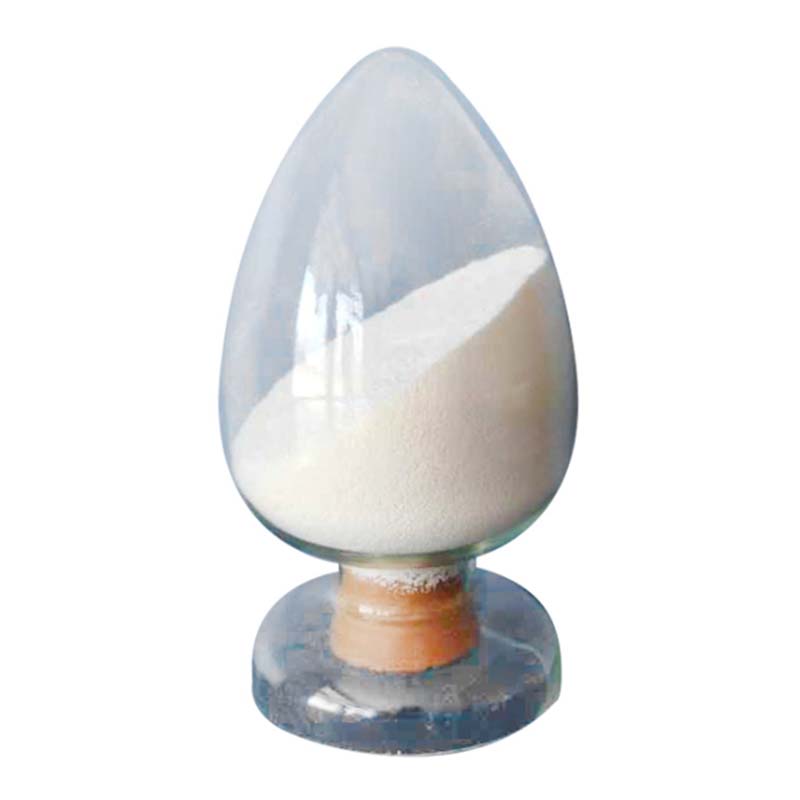
Sodium Carboxymethyl Cellulose Use
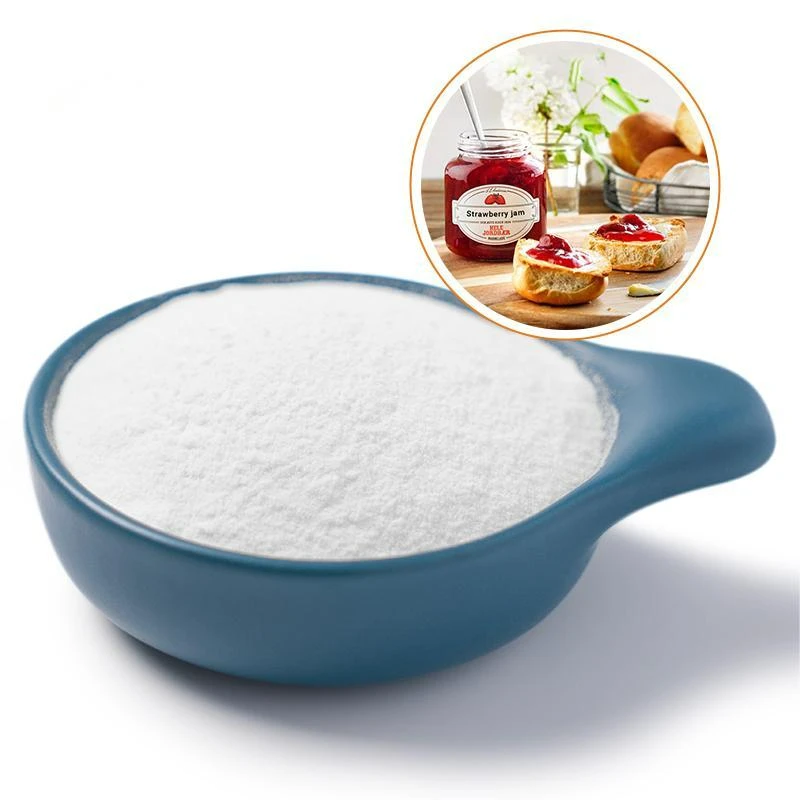
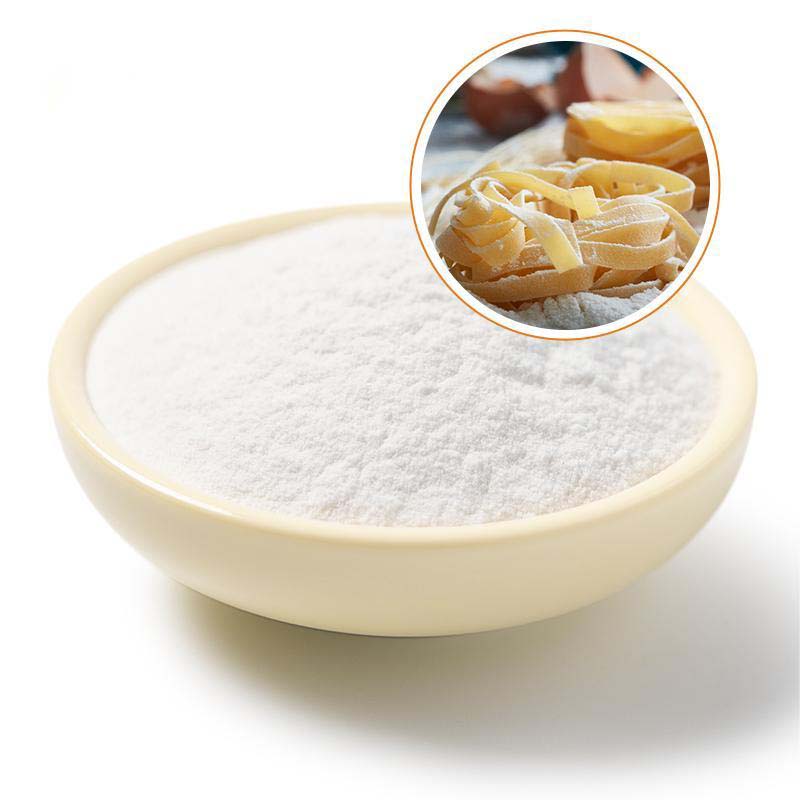
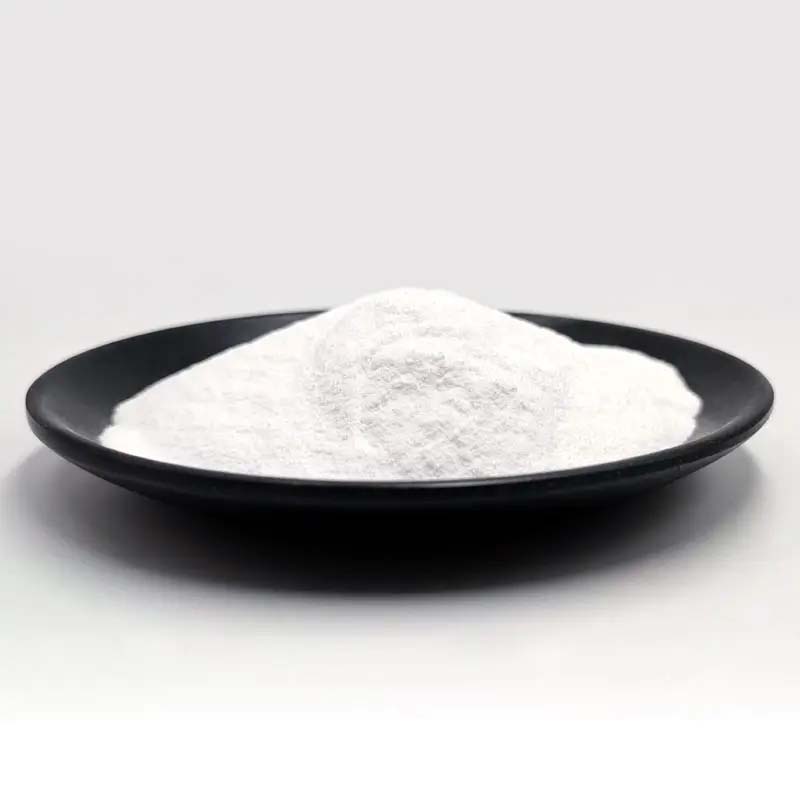
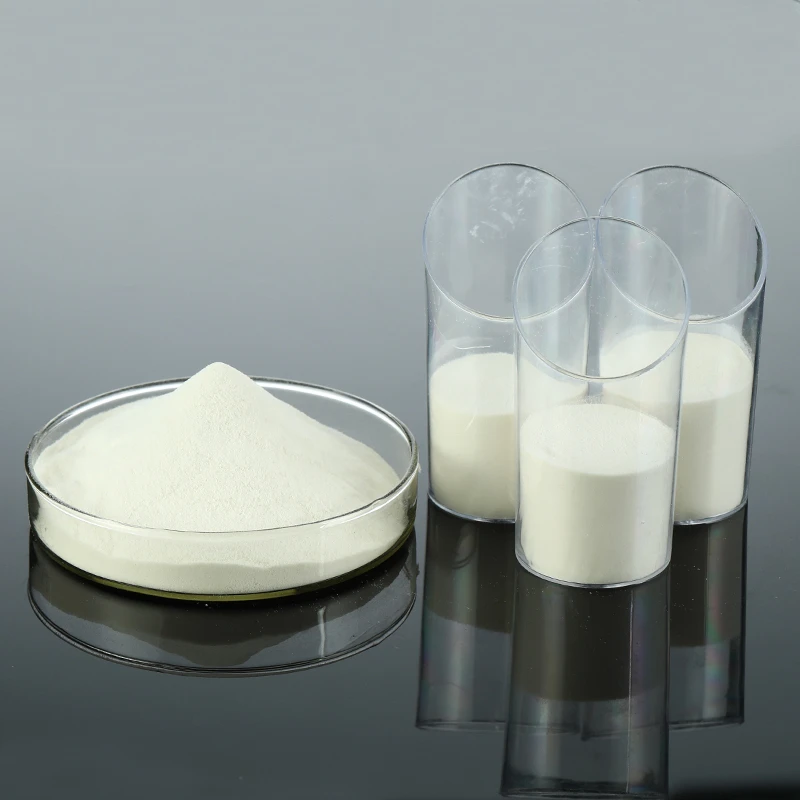
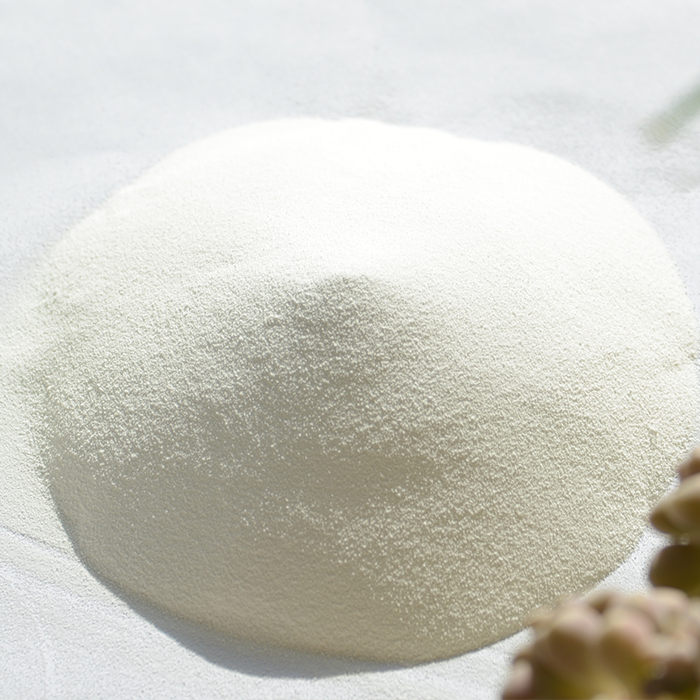
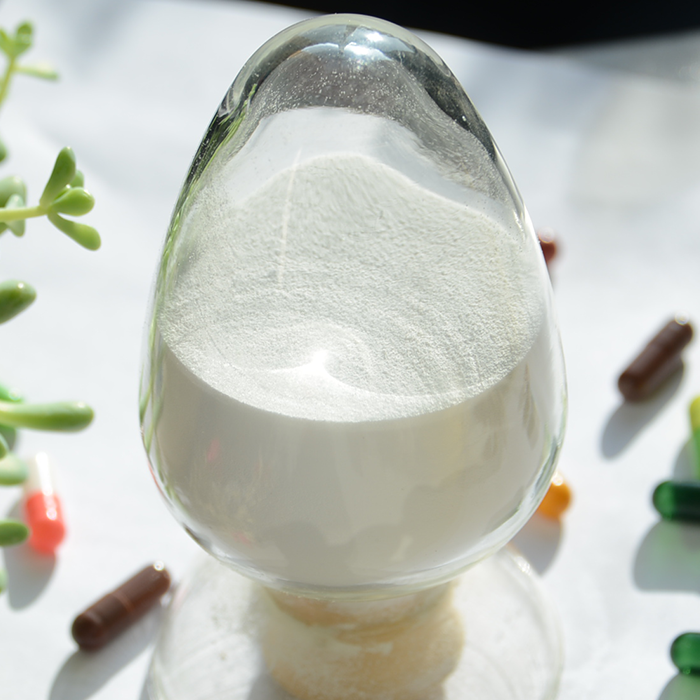
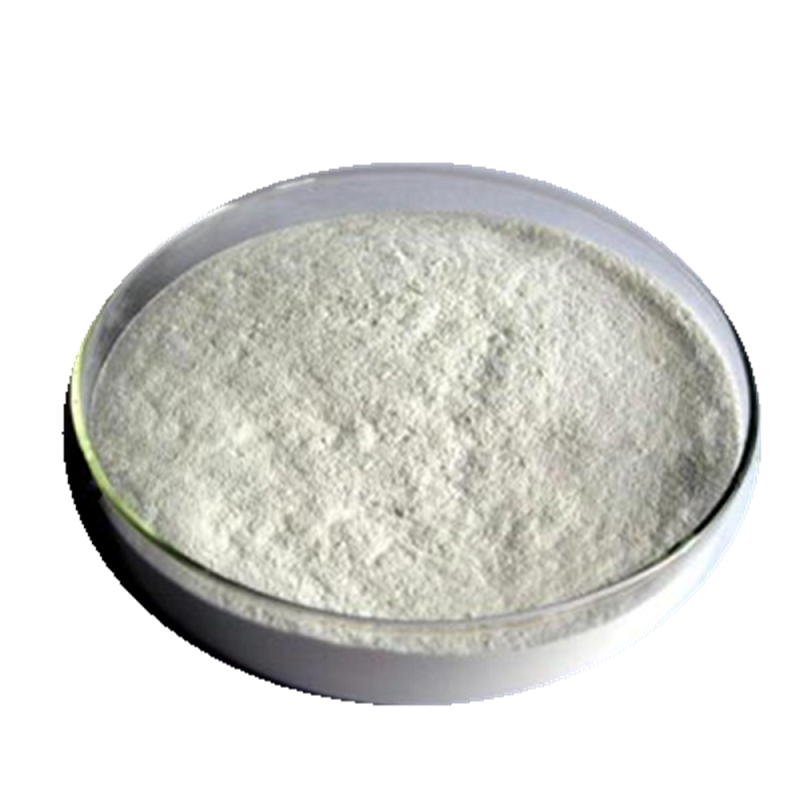
Carboxymethylcellulose (CMC) is a nontoxic and tasteless white flocculent powder with stable performance and is easy to dissolve in water. Sodium carboxymethylcellulose (CMC), commonly known as "industrial monosodium glutamate", is the most widely used and convenient product among cellulose ethers.
يمكن استخدام CMC كمواد رابطة، ومكثف، وعامل تعليق، ومستحلب، ومشتت، ومثبت، وعامل تحجيم، وما إلى ذلك.
كاربوكسيميثيل السليلوز (CMC) هو الأثير السليلوز الأنيوني، والمظهر هو مسحوق الألياف الندف الأبيض أو الأصفر قليلا أو مسحوق أبيض، عديم الرائحة، لا طعم له، وغير سامة؛ قابل للذوبان في الماء بسهولة، وتشكيل محلول شفاف مع لزوجة معينة. يكون المحلول محايدًا أو قلويًا قليلاً، وغير قابل للذوبان في الإيثانول والأثير وكحول الأيزوبروبيل والأسيتون والمذيبات العضوية الأخرى، ولكنه قابل للذوبان في محلول الإيثانول أو الأسيتون مع محتوى مائي بنسبة 60٪. وهو استرطابي، ومستقر للضوء والحرارة، وتقل اللزوجة مع زيادة درجة الحرارة.
Carboxymethyl cellulose (CMC) Features:
1. عديم الرائحة تقريبا، عديم الرائحة، واسترطابي.
2. من السهل أن تفريق في الماء إلى محلول غرواني شفاف، غير قابل للذوبان في المذيبات العضوية مثل الإيثانول.
3. الرقم الهيدروجيني للمحلول المائي 3.1٪ هو 6.5-8.5. عندما يكون الرقم الهيدروجيني> 10 أو أقل من 5، تنخفض لزوجة المادة اللاصقة بشكل ملحوظ، ويكون الأداء أفضل عند الرقم الهيدروجيني = 7.
4. إنه مستقر حرارياً، مع زيادة سريعة في اللزوجة أقل من 20 درجة مئوية وتغير أبطأ عند درجة حرارة 45 درجة مئوية. يمكن أن يؤدي التسخين المطول فوق 80 درجة مئوية إلى تمسخ المادة الغروانية مع تقليل اللزوجة والأداء بشكل كبير.
5. من السهل أن تذوب في الماء، حل شفاف.
Grade of Carboxymethyl cellulose (CMC)
الغذاء الصف CMC
المنظفات الصف CMC
حفر النفط الصف CMC
السيراميك الصف CMC
درجة الطلاء CMC
النسيج والصباغة الصف CMC
How Sodium Carboxymethyl Cellulose Powder Improves Viscosity and Stability
One of the most important functional characteristics of sodium carboxymethyl cellulose powder is its ability to control viscosity and improve formulation stability. As a water-soluble derivative of cellulose, carboxymethyl cellulose CMC forms highly stable colloidal solutions when dissolved in water. Even at low concentrations, it can significantly increase the viscosity of liquids, making it an efficient thickening agent in various industrial and food applications.
The rheological behavior of carboxymethyl cellulose CMC depends largely on its degree of substitution (DS) and molecular weight. Higher molecular weight grades generally provide stronger thickening performance, while lower viscosity grades are preferred when flowability is required. This flexibility allows manufacturers to fine-tune product texture, suspension stability, and flow characteristics.
In food applications, sodium carboxymethyl cellulose powder helps prevent ingredient separation, improves mouthfeel, and enhances shelf stability. In oil drilling fluids, it stabilizes drilling mud by controlling fluid loss and improving suspension performance. In detergents and coatings, it enhances uniform dispersion and prevents sedimentation.
Because of its strong water retention capacity, carboxymethyl cellulose CMC also reduces syneresis in formulations. This is especially valuable in products exposed to temperature fluctuations or long storage periods. Overall, sodium carboxymethyl cellulose powder serves as a multifunctional rheology modifier, offering predictable and stable performance across industries.
Factors Affecting the Quality of Carboxymethyl Cellulose CMC Powder
The quality of carboxymethyl cellulose CMC directly influences its performance in industrial and food applications. Several key parameters determine the overall effectiveness of sodium carboxymethyl cellulose powder, including purity, degree of substitution (DS), viscosity level, particle size distribution, and moisture content.
The degree of substitution is one of the most critical factors. It reflects how many hydroxyl groups in cellulose are replaced by carboxymethyl groups. A higher DS typically improves water solubility and enhances thickening capability. However, the ideal DS varies depending on the application requirements.
Viscosity grade is another decisive factor. Different industries require specific viscosity ranges to achieve desired texture, stability, or suspension properties. Inconsistent viscosity in carboxymethyl cellulose CMC powder can result in formulation instability or production inefficiencies.
Purity also plays a major role. High-quality sodium carboxymethyl cellulose powder should contain minimal residual salts, unreacted cellulose, or by-products. Impurities may affect transparency, taste (in food applications), or compatibility with other chemicals.
Additionally, particle size affects dissolution speed and dispersion uniformity. Fine and evenly distributed powder dissolves more efficiently and reduces clumping during mixing. Manufacturers must carefully control production processes and perform strict quality testing to ensure stable product performance and compliance with international standards.
How to Dissolve and Process Sodium Carboxymethyl Cellulose Powder Correctly
Proper dissolution and processing methods are essential to maximize the performance of sodium carboxymethyl cellulose powder. Although carboxymethyl cellulose CMC is water-soluble, incorrect mixing techniques can lead to clumping or incomplete hydration.
To achieve optimal dispersion, it is recommended to slowly add sodium carboxymethyl cellulose powder into water under continuous agitation. High-speed stirring helps prevent the formation of lumps and ensures uniform distribution. In some cases, pre-mixing the powder with dry ingredients such as sugar or salt can improve dispersion efficiency.
Water temperature also affects dissolution rate. While carboxymethyl cellulose CMC can dissolve in cold water, slightly warm water often accelerates hydration. However, excessively high temperatures should be avoided, as they may influence viscosity stability depending on the grade.
Allowing sufficient hydration time is crucial. Full viscosity development may take several minutes to several hours, depending on molecular weight and concentration. Premature processing before complete hydration can result in inconsistent viscosity and performance.
For industrial-scale production, controlled feeding systems and proper agitation equipment are recommended to ensure efficient processing of sodium carboxymethyl cellulose powder. By following correct dissolution procedures, manufacturers can achieve stable rheological performance and maintain consistent product quality.
|
غرض |
يتراوح |
|
لون |
حليب ابيض |
|
اللزوجة (محلول 1% Mpa.S) |
50-1200 |
|
كلوريد(٪) |
<1.8% |
|
درجة الاستبدال |
0.6-0.9 |
|
PH |
6.0-8.5 |
|
نقاء |
99.5% |
|
رُطُوبَة(٪) |
<10% |
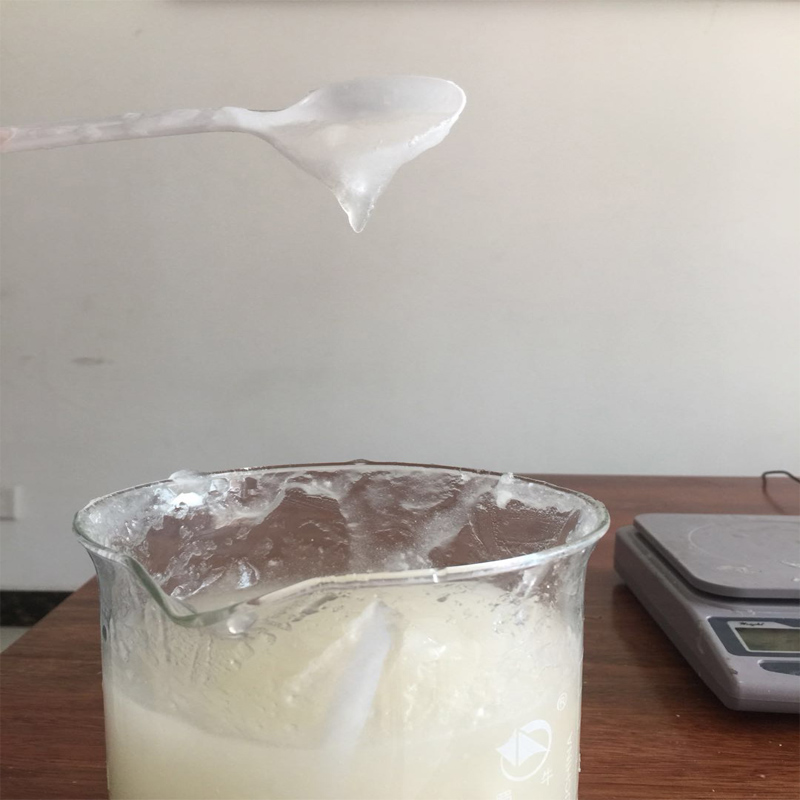

إن CMC ليس فقط مثبتًا جيدًا للاستحلاب ومكثفًا في تطبيق الطعام، ولكنه يتمتع أيضًا بميزة التجميد والذوبان الممتازة.
الاستقرار، ويمكن تحسين نكهة المنتجات وإطالة وقت التخزين.
في حليب الصويا والآيس كريم والآيس كريم والهلام والمشروبات والاستهلاك المعلب حوالي 1٪ ~ 1.5٪. يمكن أيضًا استخدام CMC مع الخل وصلصة الصويا والزيت النباتي وعصير الفاكهة وعصير اللحوم وعصير الخضار وغيرها من مشتتات الاستحلاب المستقرة، والجرعة هي 0.2٪ ~ 0.5٪.
خاصة بالنسبة لأداء استحلاب الزيوت النباتية والحيوانية والبروتينية والمائية ممتاز للغاية، ويمكن أن يجعلها تشكل مستحلب متجانس مستقر.
نظرًا لأنه آمن وموثوق، فإن جرعته غير مقيدة بمعايير النظافة الغذائية ADI.
وظيفة CMC في إنتاج الغذاء:
1. التسمك: اللزوجة بتركيز منخفض. يمكنه التحكم في اللزوجة أثناء عملية تجهيز الأغذية ويعطي الطعام إحساسًا بالتشحيم.
2. احتباس الماء: تقليل انكماش الجفاف للطعام، وإطالة العمر الافتراضي للطعام؛
3. استقرار التشتت: للحفاظ على استقرار جودة الغذاء، ومنع التقسيم الطبقي للنفط والمياه (الاستحلاب)، والسيطرة
حجم البلورات في الأطعمة المجمدة (تقليل بلورات الثلج)؛
4. تشكيل الفيلم: في الأطعمة المقلية لتشكيل طبقة من الفيلم، ومنع الإفراط في امتصاص الزيت؛
5. الاستقرار الكيميائي: مستقر للمواد الكيميائية والحرارة والضوء، مع مقاومة معينة للعفن.
6.القصور الذاتي الأيضي: كمضاف غذائي، لن يتم استقلابه، في الطعام لا يوفر السعرات الحرارية.
كمثخن ومثبت لمنتجات الألبان الحمضية، يمنع CMC البروتين الموجود في منتجات الألبان من التخثر،
الترسيب والطبقات، يجعل منتجات الألبان ذات مذاق فريد وحساس.
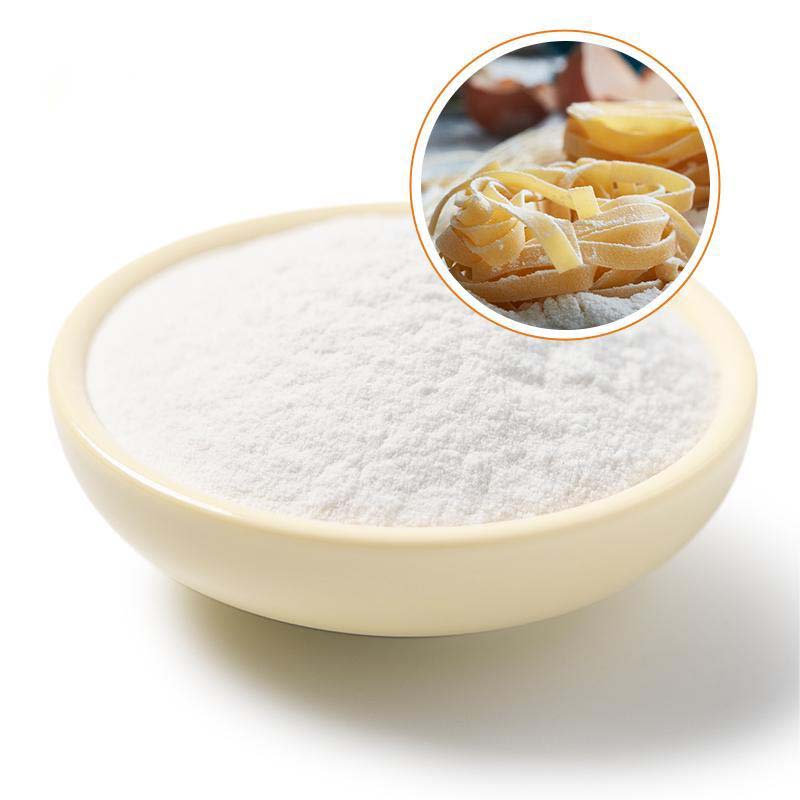
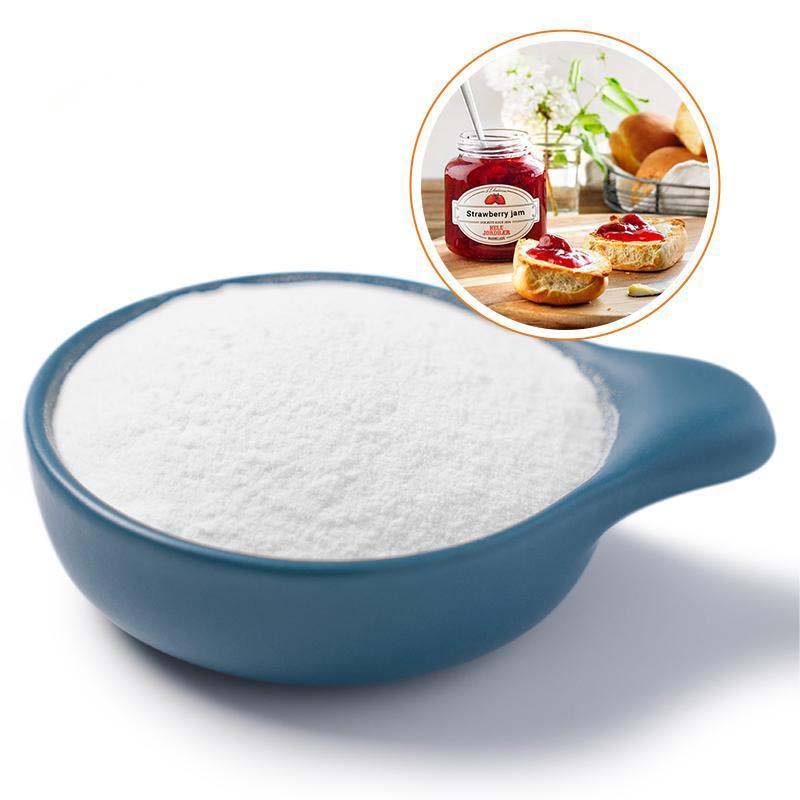
بصفته عاملًا يحتفظ بالمياه في المعجنات وحشوات المربى، يمنع CMC جفاف الطعام، ويضفي درجة معينة من الانسيابية، ويحسن استقرار التخزين، ويحسن لمعان المعجنات ويمنع التشقق.
يمكن استخدام CMC كعامل تحجيم للورق في صناعة الورق، وفي صناعة السيراميك كسواغ للخام، والملدنات، وعامل تقوية، ويستخدم كعامل تحجيم في صناعة النسيج، ومستحضرات التجميل كمحلول مائي، كمقاومة لإعادة ترسيب الأوساخ
عامل في المنظفات، في طين حفر النفط يمكن استخدامه لحماية البئر كعامل تثبيت، عامل احتباس الماء، يستخدم كمثخن في معجون الأسنان، إلخ.



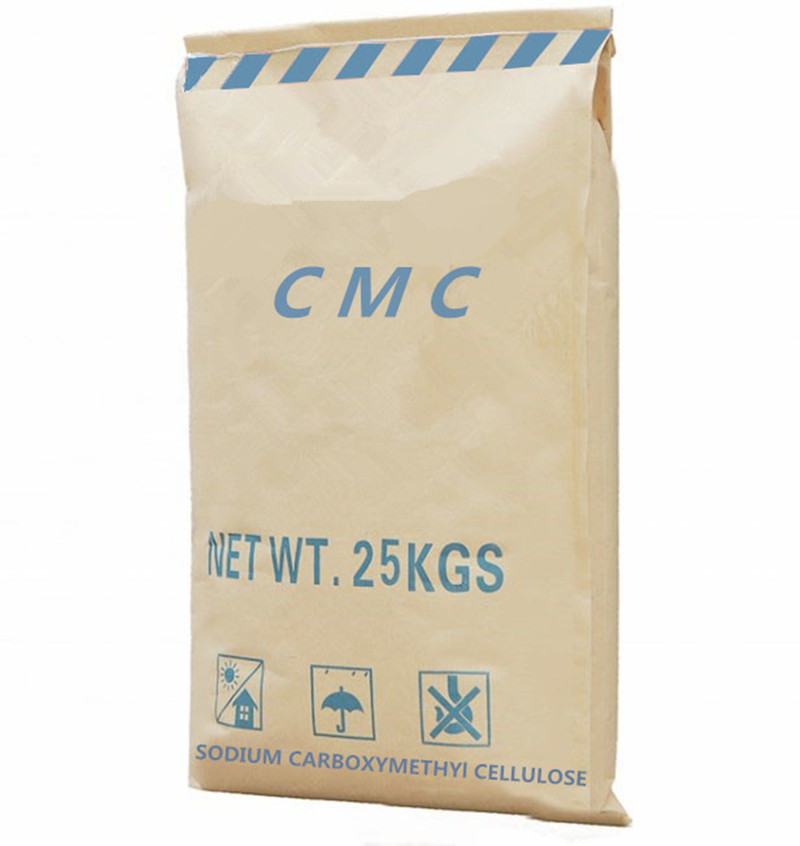
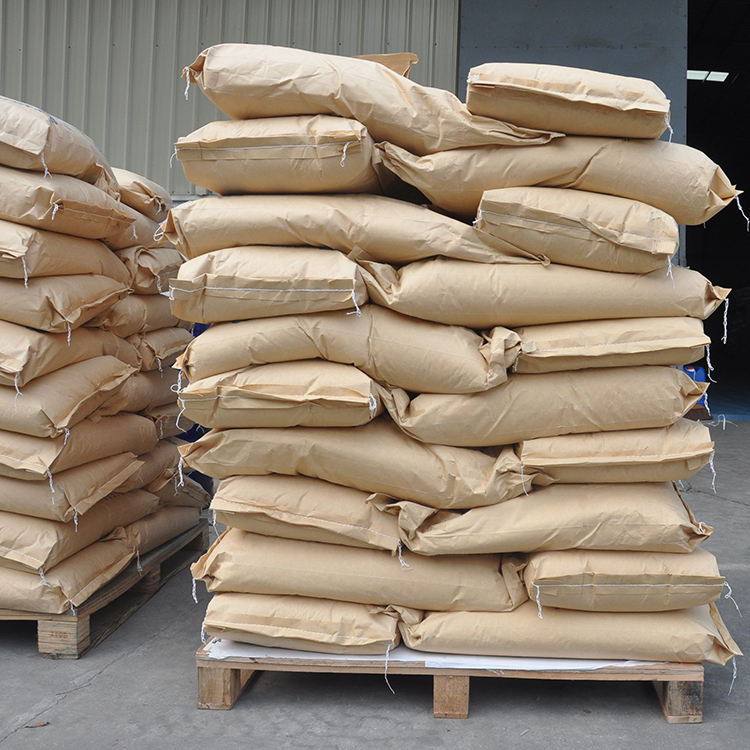
cmc sodium carboxymethyl cellulose
fungsi sodium carboxymethyl cellulose
sodium carboxy
sodium carboxy cellulose
sodium carboxy methyl cellulose
sodium carboxy methyl cellulose cmc
sodium carboxymethyl