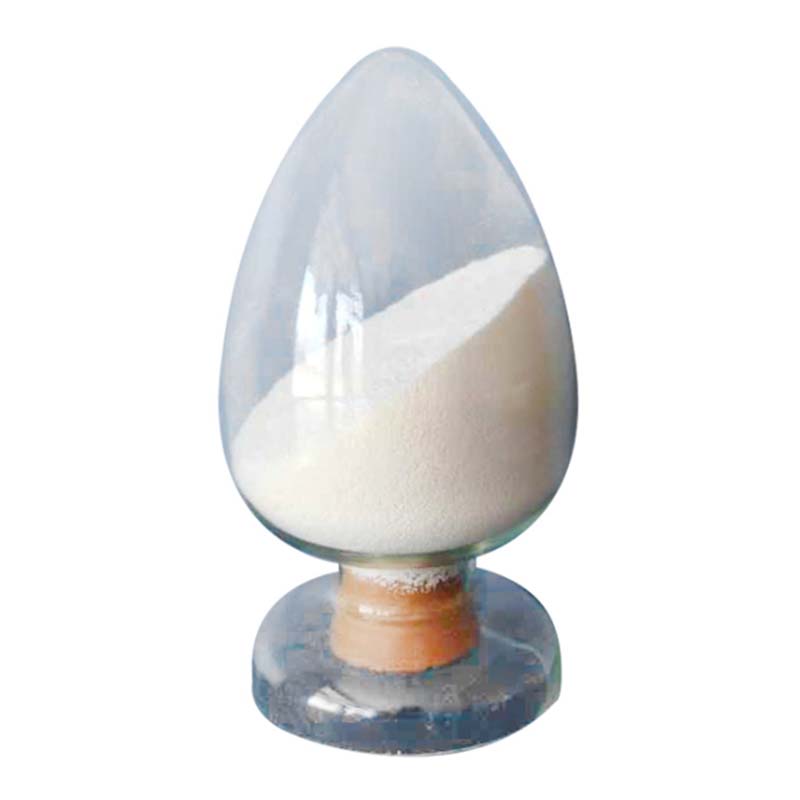
Mataas na Kalidad 99% min Sodium Carboxymethyl Cellulose CMC Chemical Powder
Sodium Carboxymethyl Cellulose Use
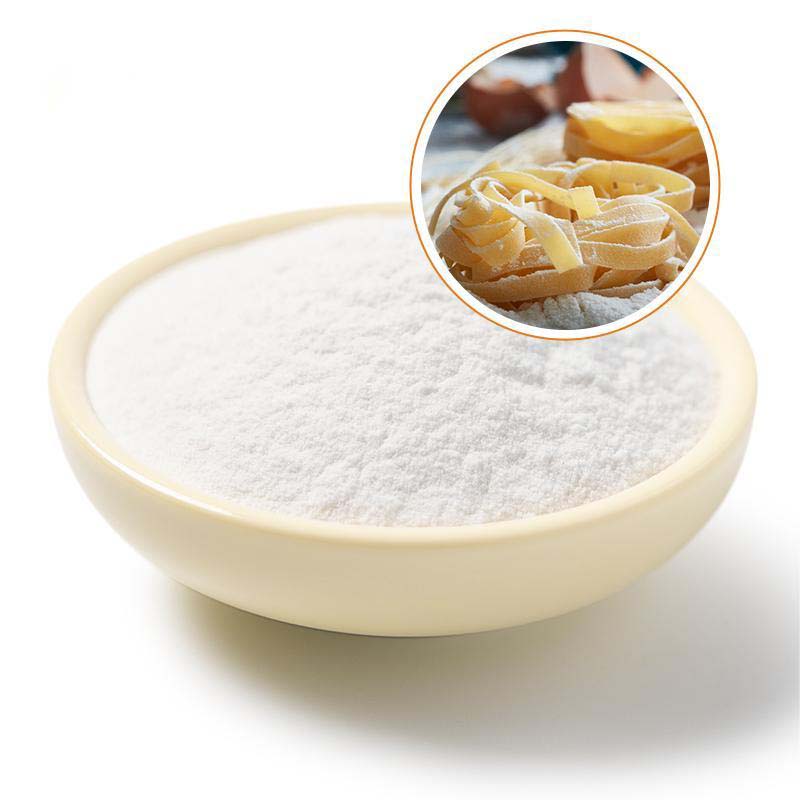
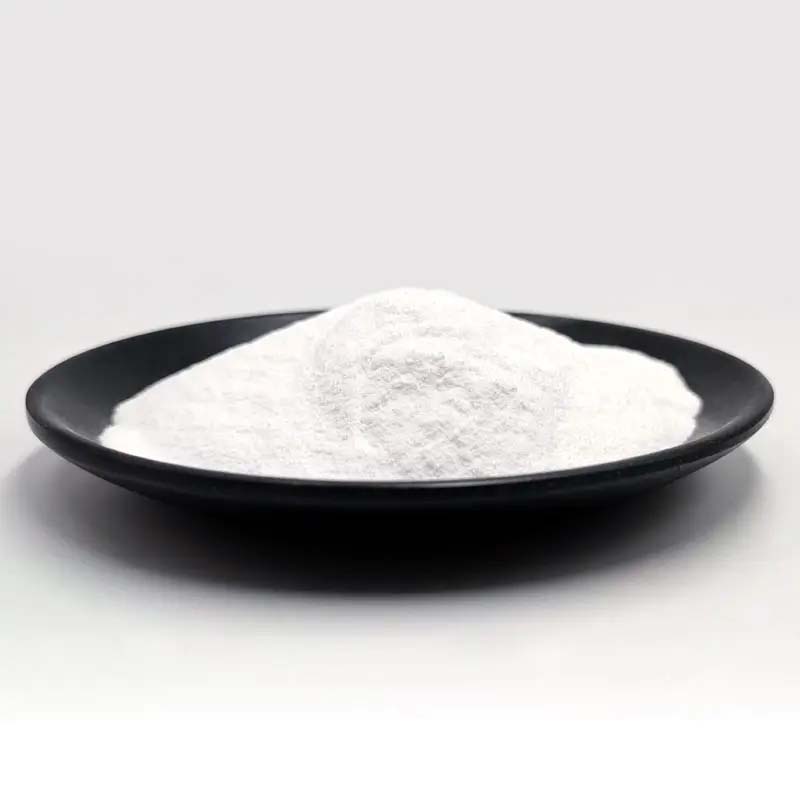
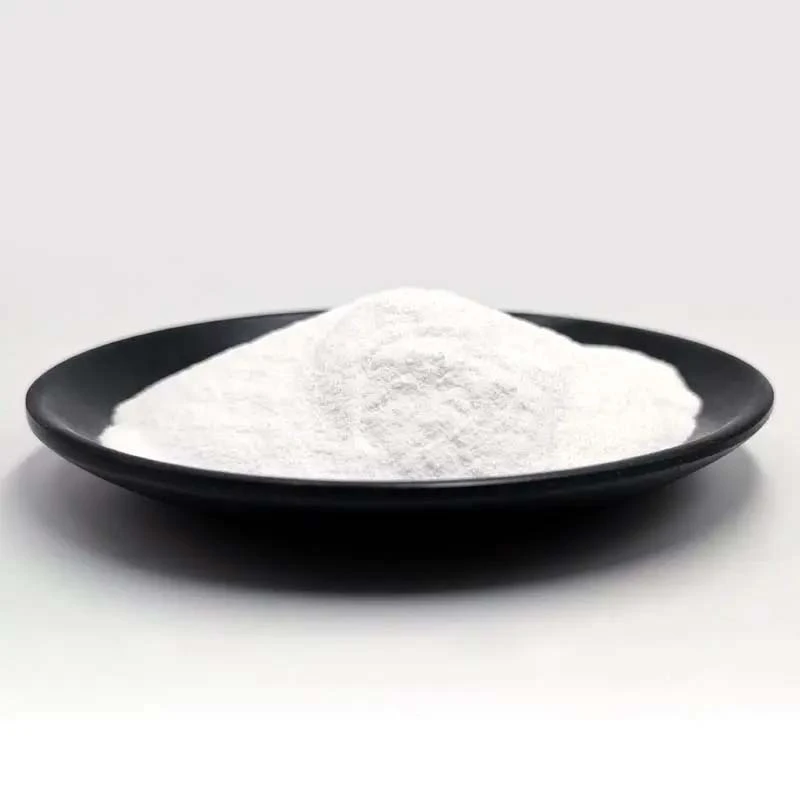
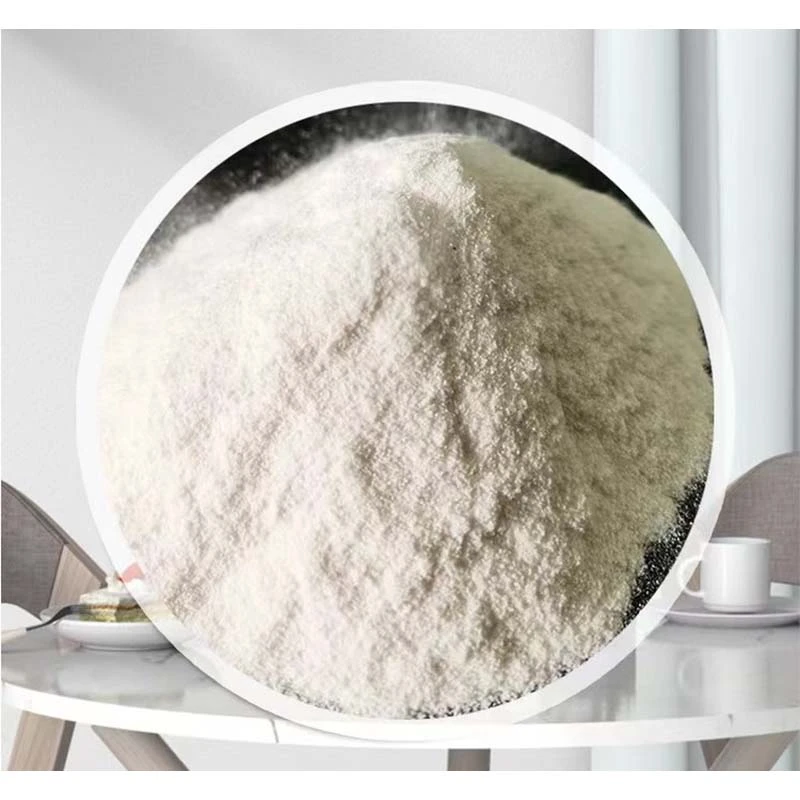
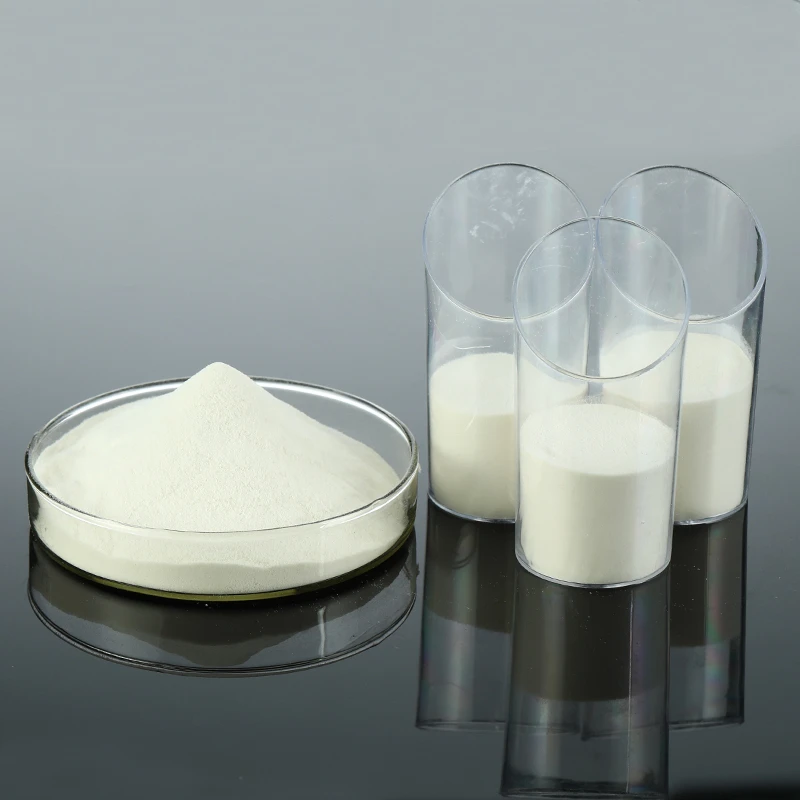
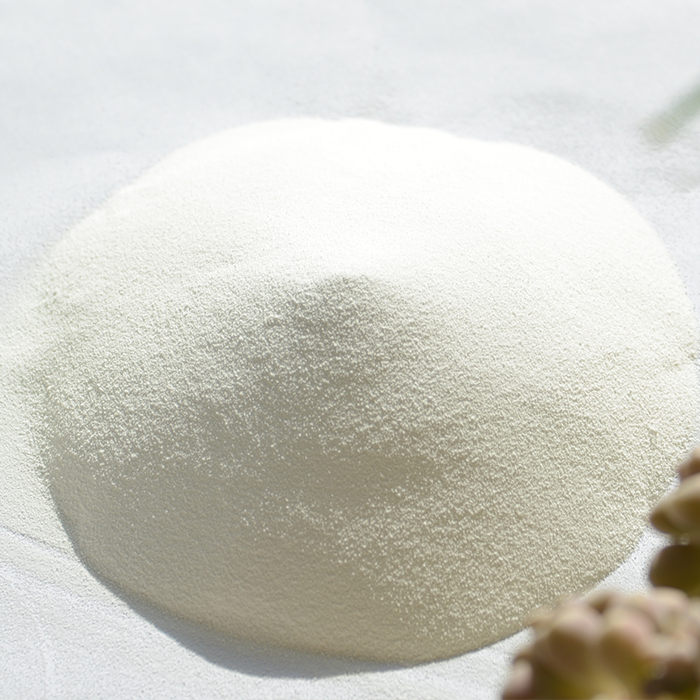
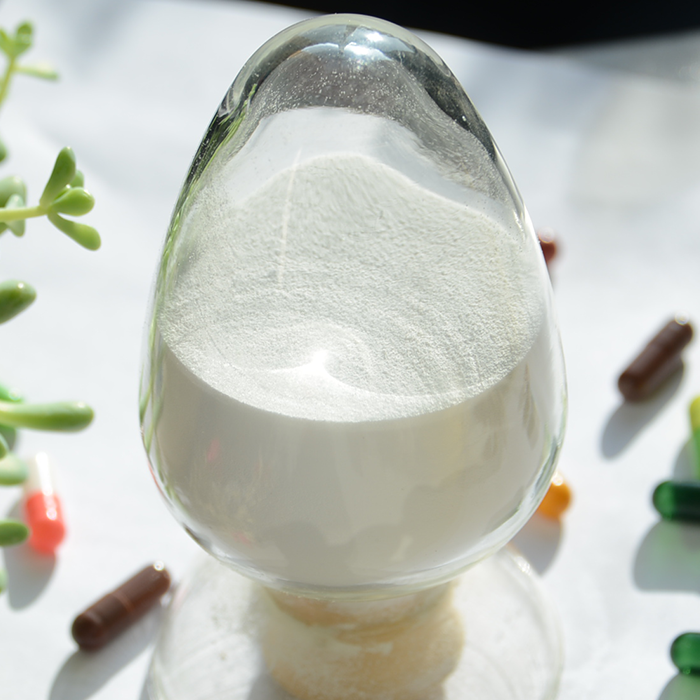
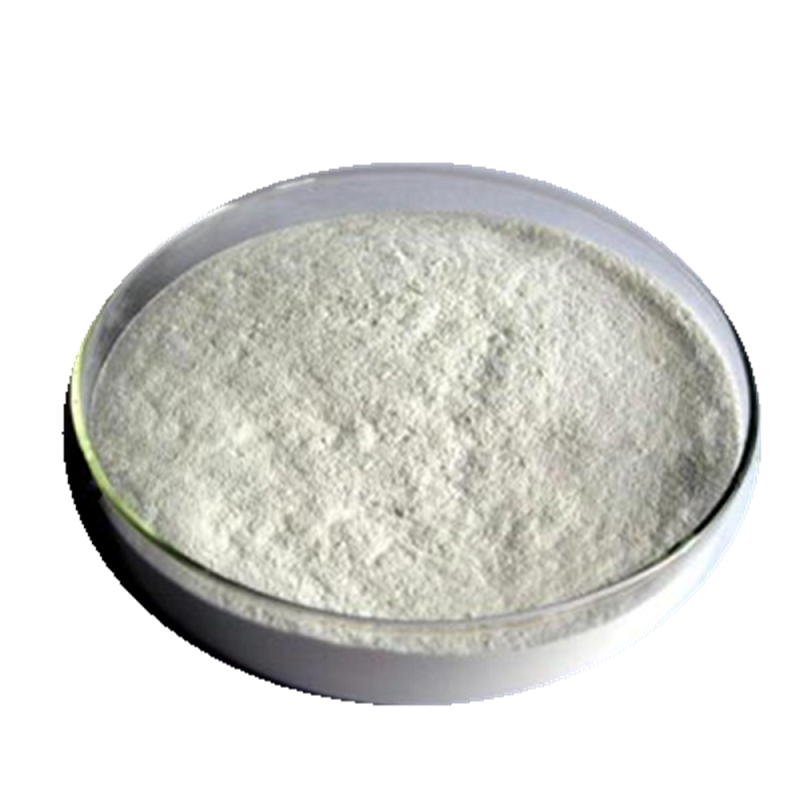
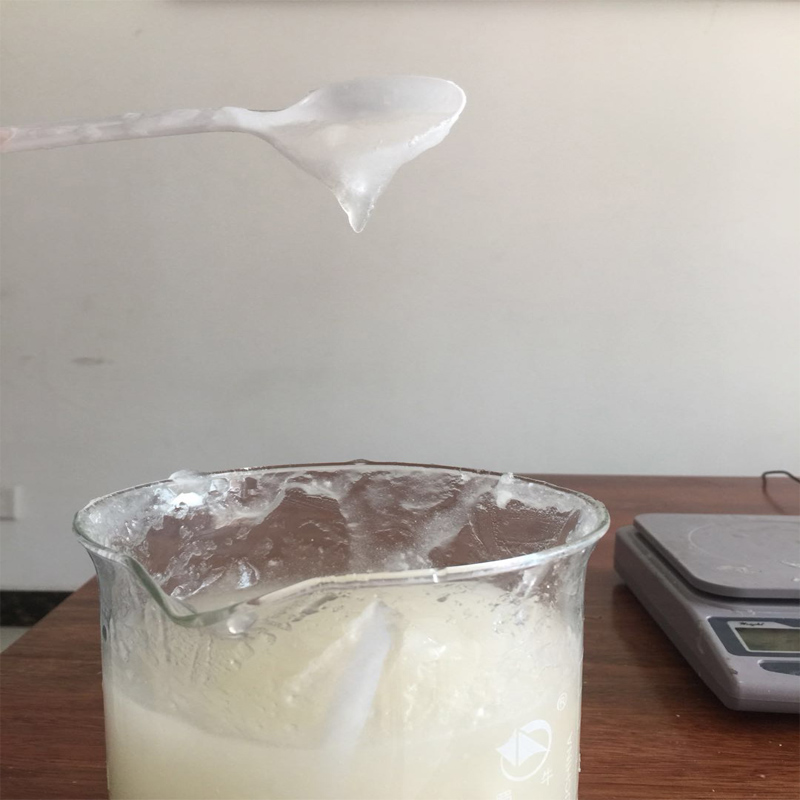
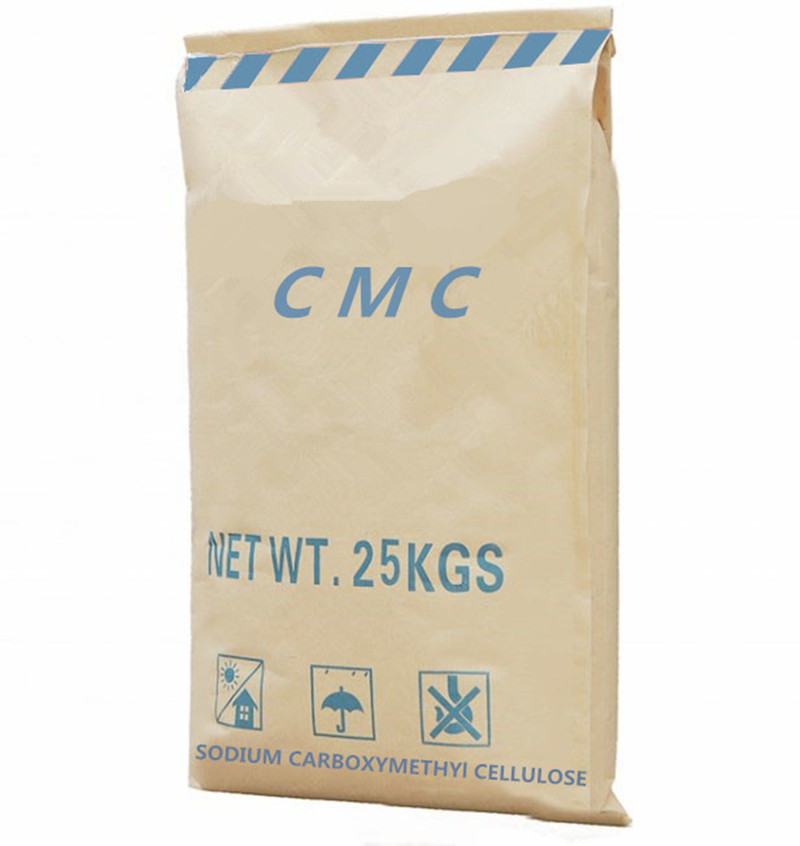
Carboxymethylcellulose (CMC) is a nontoxic and tasteless white flocculent powder with stable performance and is easy to dissolve in water. Sodium carboxymethylcellulose (CMC), commonly known as "industrial monosodium glutamate", is the most widely used and convenient product among cellulose ethers.
Maaaring gamitin ang CMC bilang binder, pampalapot, ahente ng pagsususpinde, emulsifier, dispersant, stabilizer, sizing agent, atbp.
Ang Carboxymethyl cellulose (CMC) ay isang anionic cellulose eter, ang hitsura ay puti o bahagyang dilaw na flocculent fiber powder o puting pulbos, walang amoy, walang lasa, hindi nakakalason; Madaling natutunaw sa tubig, na bumubuo ng isang transparent na solusyon na may isang tiyak na lagkit. Ang solusyon ay neutral o bahagyang alkalina, hindi matutunaw sa ethanol, eter, isopropyl alcohol, acetone at iba pang organic solvents, ngunit natutunaw sa ethanol o acetone solution na may 60% na nilalaman ng tubig. Ito ay hygroscopic, matatag sa liwanag at init, at bumababa ang lagkit sa pagtaas ng temperatura.
Carboxymethyl cellulose (CMC) Features:
1. Halos walang amoy, walang amoy, at hygroscopic.
2. Madaling i-disperse sa tubig tungo sa isang transparent na colloidal solution, hindi matutunaw sa mga organikong solvent tulad ng ethanol.
3. Ang pH ng 3.1% aqueous solution ay 6.5-8.5. Kapag pH>10 o<5, ang lagkit ng pandikit ay makabuluhang bumababa, at ang pagganap ay pinakamahusay sa pH=7.
4. Ito ay thermally stable, na may mabilis na pagtaas ng lagkit sa ibaba 20 ℃ at mas mabagal na pagbabago sa 45 ℃. Ang matagal na pag-init sa itaas ng 80 ℃ ay maaaring magdulot ng colloid denaturation habang makabuluhang binabawasan ang lagkit at pagganap.
5. Madaling matunaw sa tubig, transparent na solusyon;
Grade of Carboxymethyl cellulose (CMC)
Food Grade CMC
Detergent Grade CMC
Oil Drilling Grade CMC
Ceramics Grade CMC
Paint Grade CMC
Textile at Dyeing Grade CMC
How Sodium Carboxymethyl Cellulose Powder Improves Viscosity and Stability
One of the most important functional characteristics of sodium carboxymethyl cellulose powder is its ability to control viscosity and improve formulation stability. As a water-soluble derivative of cellulose, carboxymethyl cellulose CMC forms highly stable colloidal solutions when dissolved in water. Even at low concentrations, it can significantly increase the viscosity of liquids, making it an efficient thickening agent in various industrial and food applications.
The rheological behavior of carboxymethyl cellulose CMC depends largely on its degree of substitution (DS) and molecular weight. Higher molecular weight grades generally provide stronger thickening performance, while lower viscosity grades are preferred when flowability is required. This flexibility allows manufacturers to fine-tune product texture, suspension stability, and flow characteristics.
In food applications, sodium carboxymethyl cellulose powder helps prevent ingredient separation, improves mouthfeel, and enhances shelf stability. In oil drilling fluids, it stabilizes drilling mud by controlling fluid loss and improving suspension performance. In detergents and coatings, it enhances uniform dispersion and prevents sedimentation.
Because of its strong water retention capacity, carboxymethyl cellulose CMC also reduces syneresis in formulations. This is especially valuable in products exposed to temperature fluctuations or long storage periods. Overall, sodium carboxymethyl cellulose powder serves as a multifunctional rheology modifier, offering predictable and stable performance across industries.
Factors Affecting the Quality of Carboxymethyl Cellulose CMC Powder
The quality of carboxymethyl cellulose CMC directly influences its performance in industrial and food applications. Several key parameters determine the overall effectiveness of sodium carboxymethyl cellulose powder, including purity, degree of substitution (DS), viscosity level, particle size distribution, and moisture content.
The degree of substitution is one of the most critical factors. It reflects how many hydroxyl groups in cellulose are replaced by carboxymethyl groups. A higher DS typically improves water solubility and enhances thickening capability. However, the ideal DS varies depending on the application requirements.
Viscosity grade is another decisive factor. Different industries require specific viscosity ranges to achieve desired texture, stability, or suspension properties. Inconsistent viscosity in carboxymethyl cellulose CMC powder can result in formulation instability or production inefficiencies.
Purity also plays a major role. High-quality sodium carboxymethyl cellulose powder should contain minimal residual salts, unreacted cellulose, or by-products. Impurities may affect transparency, taste (in food applications), or compatibility with other chemicals.
Additionally, particle size affects dissolution speed and dispersion uniformity. Fine and evenly distributed powder dissolves more efficiently and reduces clumping during mixing. Manufacturers must carefully control production processes and perform strict quality testing to ensure stable product performance and compliance with international standards.
How to Dissolve and Process Sodium Carboxymethyl Cellulose Powder Correctly
Proper dissolution and processing methods are essential to maximize the performance of sodium carboxymethyl cellulose powder. Although carboxymethyl cellulose CMC is water-soluble, incorrect mixing techniques can lead to clumping or incomplete hydration.
To achieve optimal dispersion, it is recommended to slowly add sodium carboxymethyl cellulose powder into water under continuous agitation. High-speed stirring helps prevent the formation of lumps and ensures uniform distribution. In some cases, pre-mixing the powder with dry ingredients such as sugar or salt can improve dispersion efficiency.
Water temperature also affects dissolution rate. While carboxymethyl cellulose CMC can dissolve in cold water, slightly warm water often accelerates hydration. However, excessively high temperatures should be avoided, as they may influence viscosity stability depending on the grade.
Allowing sufficient hydration time is crucial. Full viscosity development may take several minutes to several hours, depending on molecular weight and concentration. Premature processing before complete hydration can result in inconsistent viscosity and performance.
For industrial-scale production, controlled feeding systems and proper agitation equipment are recommended to ensure efficient processing of sodium carboxymethyl cellulose powder. By following correct dissolution procedures, manufacturers can achieve stable rheological performance and maintain consistent product quality.
|
ITEM |
RANGE |
|
Kulay |
Puti ng gatas |
|
Lagkit(1% Solution Mpa.S) |
50-1200 |
|
Chloride(%) |
<1.8% |
|
Degree ng pagpapalit |
0.6-0.9 |
|
PH |
6.0-8.5 |
|
Kadalisayan |
99.5% |
|
kahalumigmigan(%) |
<10% |

Ang CMC ay hindi lamang isang magandang emulsifying stabilizer at pampalapot sa application ng pagkain, ngunit mayroon ding mahusay na pagyeyelo at pagkatunaw.
katatagan, at maaaring mapabuti ang lasa ng mga produkto at pahabain ang oras ng imbakan.
Sa toyo gatas, ice cream, ice cream, halaya, inumin, de-latang pagkonsumo ay tungkol sa 1% ~ 1.5%. Ang CMC ay maaari ding gamitin sa suka, toyo, langis ng gulay, katas ng prutas, katas ng karne, katas ng gulay at iba pang matatag na pagpapakalat ng emulsifying, ang dosis ay 0.2% ~ 0.5%.
Lalo na para sa hayop, langis ng gulay, protina at may tubig na solusyon emulsification pagganap ay lubos na mahusay, maaari itong bumuo ng matatag homogenous emulsion.
Dahil ito ay ligtas at maaasahan, ang dosis nito ay hindi pinaghihigpitan ng pamantayan sa kalinisan ng pagkain na ADI.
Tungkulin ng CMC sa produksyon ng pagkain:
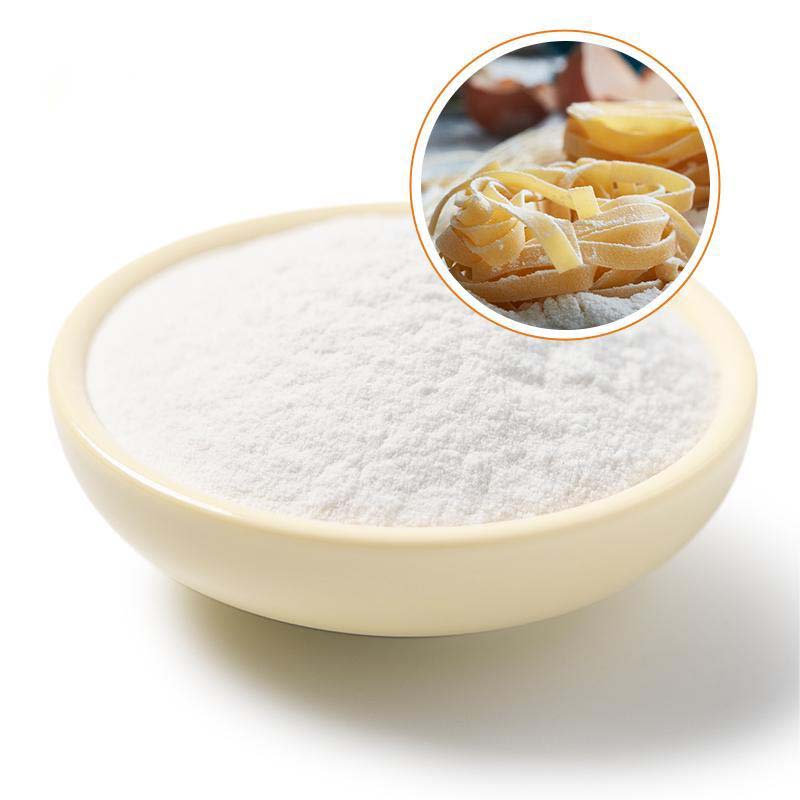
1. pampalapot: lagkit sa mababang konsentrasyon. Maaari nitong kontrolin ang lagkit sa proseso ng pagproseso ng pagkain at bigyan ang pagkain ng pakiramdam ng pagpapadulas;
2.water retention: bawasan ang dehydration contraction ng pagkain, pahabain ang shelf life ng pagkain;
3. katatagan ng pagpapakalat: upang mapanatili ang katatagan ng kalidad ng pagkain, maiwasan ang stratification ng langis at tubig (emulsification), kontrolin
ang laki ng mga kristal sa frozen na pagkain (bawasan ang mga kristal ng yelo);
4.film na bumubuo: sa pritong pagkain upang bumuo ng isang layer ng pelikula, maiwasan ang labis na pagsipsip ng langis;
5. Katatagan ng kemikal: matatag sa mga kemikal, init at liwanag, na may ilang paglaban sa amag;
6.metabolic inertia: bilang isang additive ng pagkain, ay hindi metabolized, sa pagkain ay hindi nagbibigay ng calories.
Bilang pampalapot at pampatatag para sa mga acidic na produkto ng pagawaan ng gatas, pinipigilan ng CMC ang protina sa mga produkto ng pagawaan ng gatas mula sa coagulating,
precipitating at layering, ginagawang kakaiba at pinong lasa ang mga produkto ng pagawaan ng gatas.
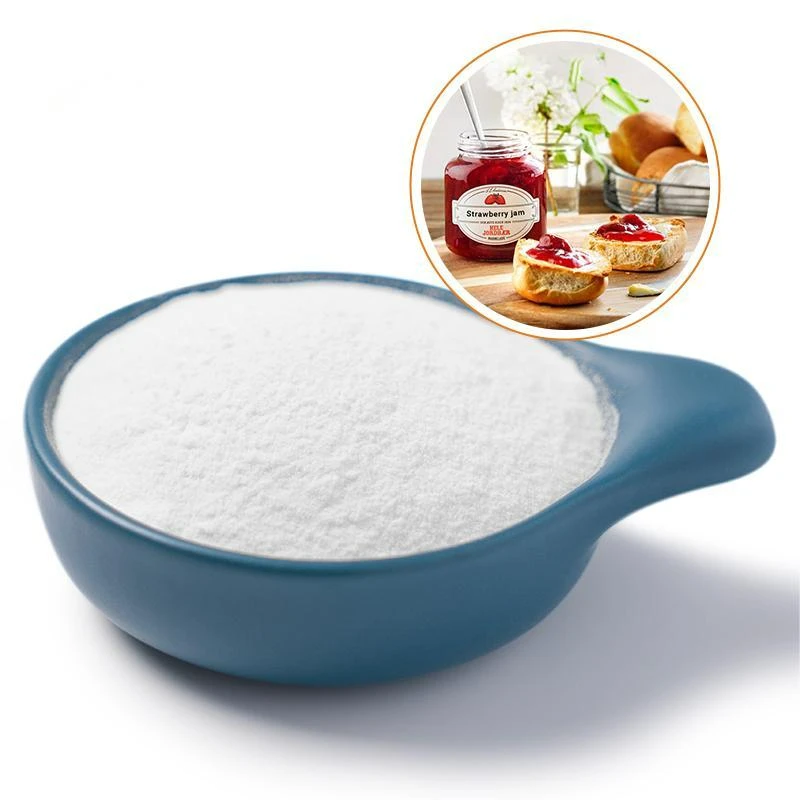
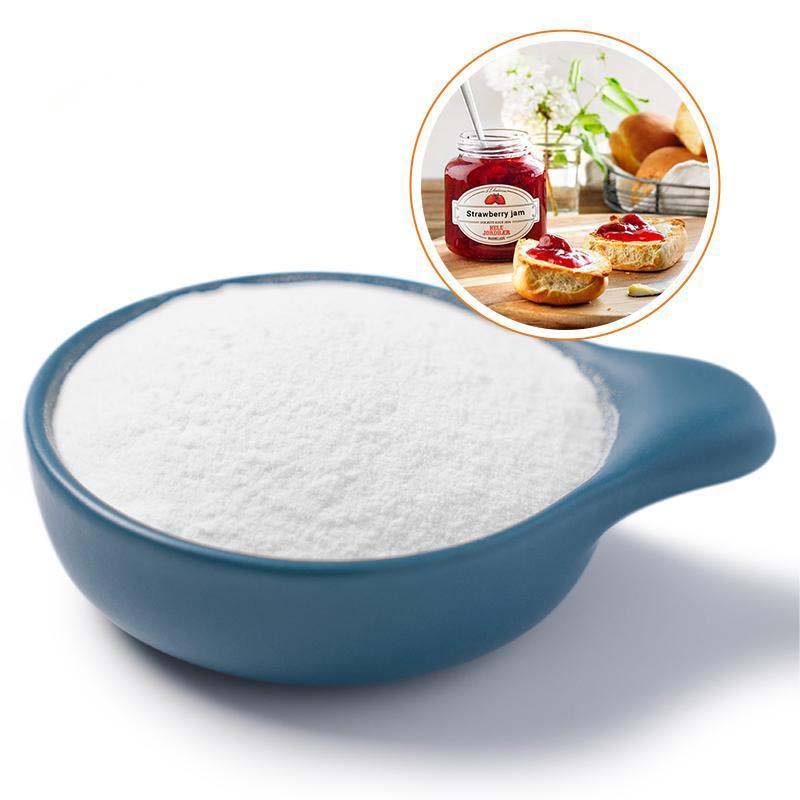
Bilang isang water-retaining agent para sa mga pastry at pagpuno ng jam, pinipigilan ng CMC ang pag-dehydration ng pagkain, nagbibigay ng ilang partikular na thixotropy, pinapabuti ang katatagan ng imbakan, pinapabuti ang pagkislap ng mga pastry at pinipigilan ang pag-crack.
Ang CMC ay maaaring magamit bilang ahente ng pagpapalaki ng papel sa industriya ng paggawa ng papel, sa industriya ng seramik bilang excipient ng billet, plasticizer, ahente ng pagpapalakas, ginagamit bilang isang sizingagent sa industriya ng tela, ang mga kosmetiko bilang hydrosol, bilang paglaban sa muling pagdeposito ng dumi
ahente sa detergent, sa oil drilling mud ay maaaring gamitin upang protektahan ang balon bilang stabilizing agent, water retention agent, ginagamit bilang pampalapot sa toothpaste, atbp.



cmc sodium carboxymethyl cellulose
fungsi sodium carboxymethyl cellulose
sodium carboxy
sodium carboxy cellulose
sodium carboxy methyl cellulose
sodium carboxy methyl cellulose cmc
sodium carboxymethyl