Sodium Carboxymethyl Cellulose Use
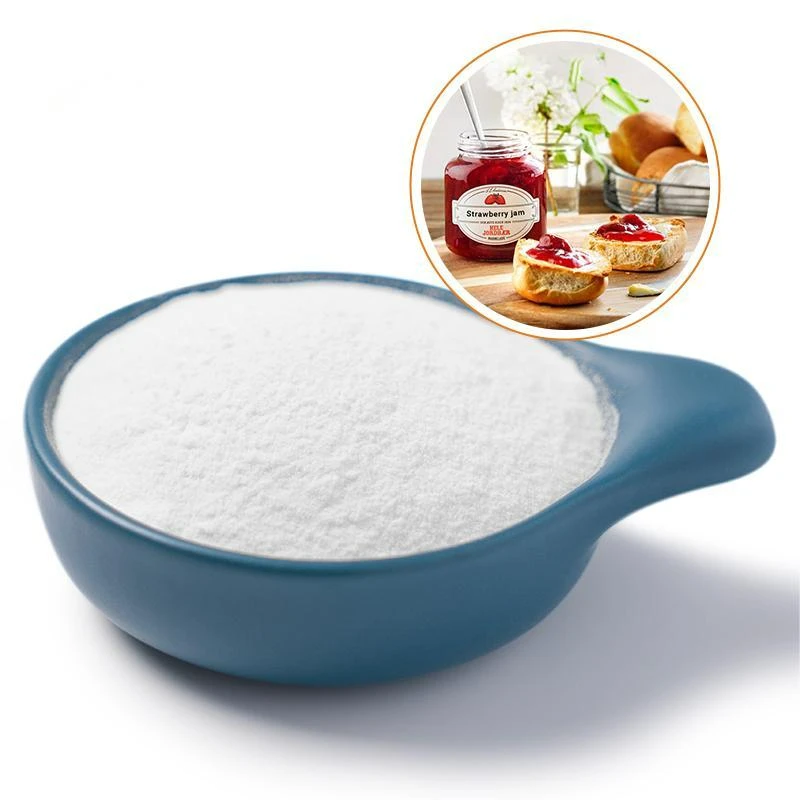
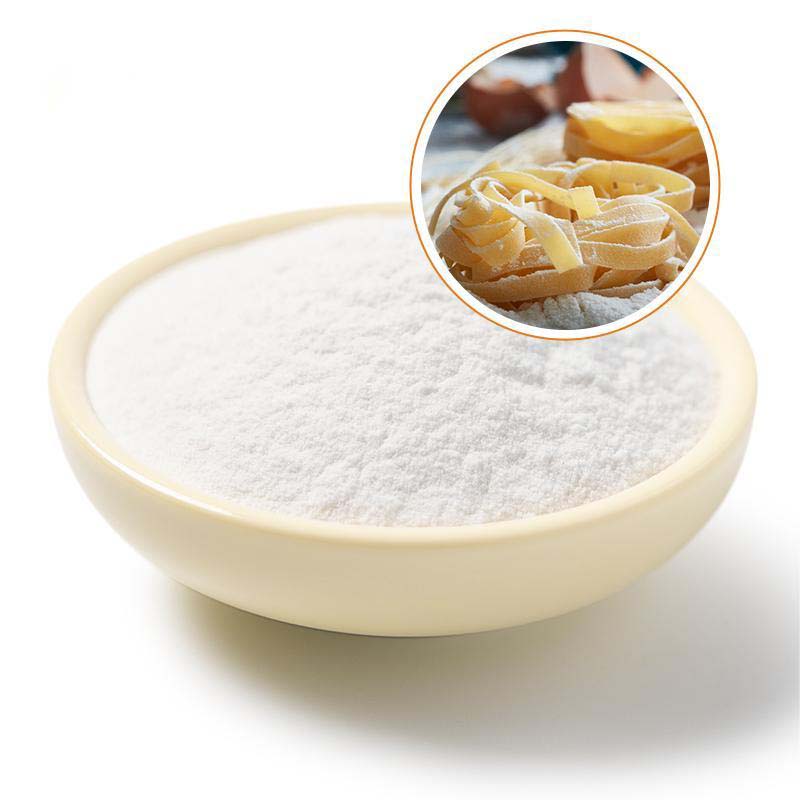
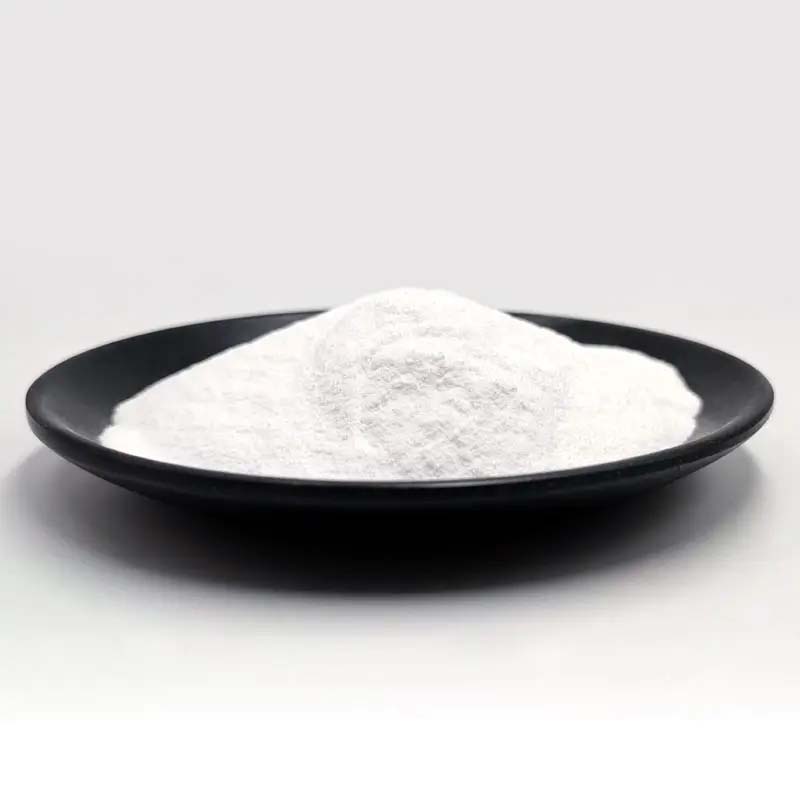
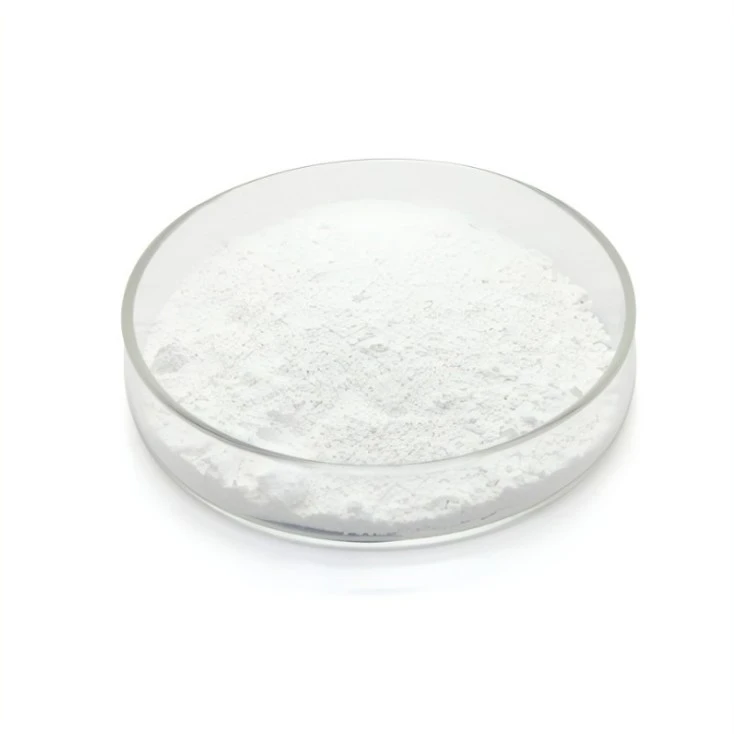
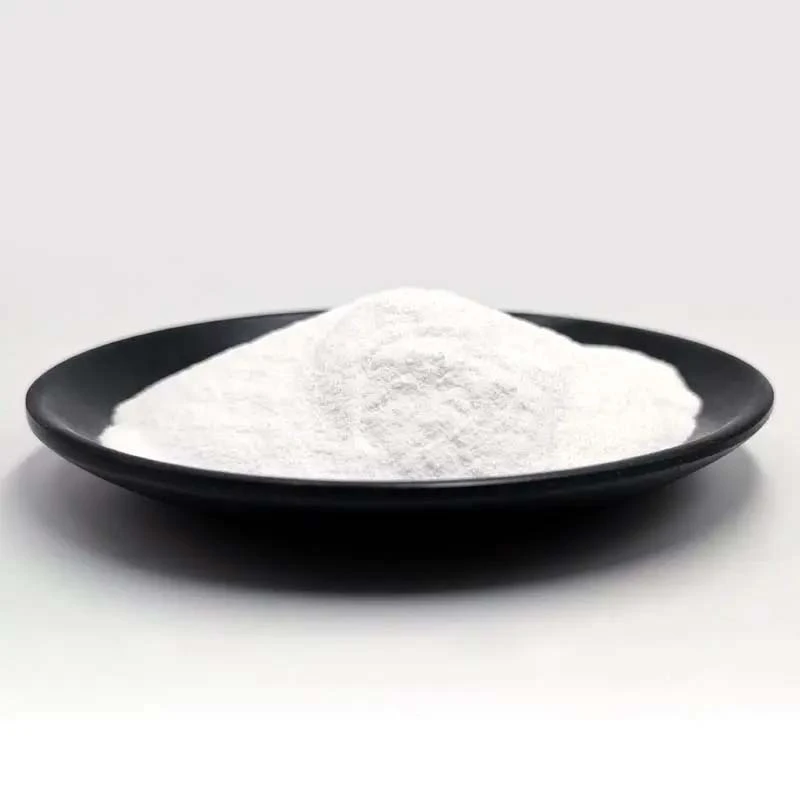
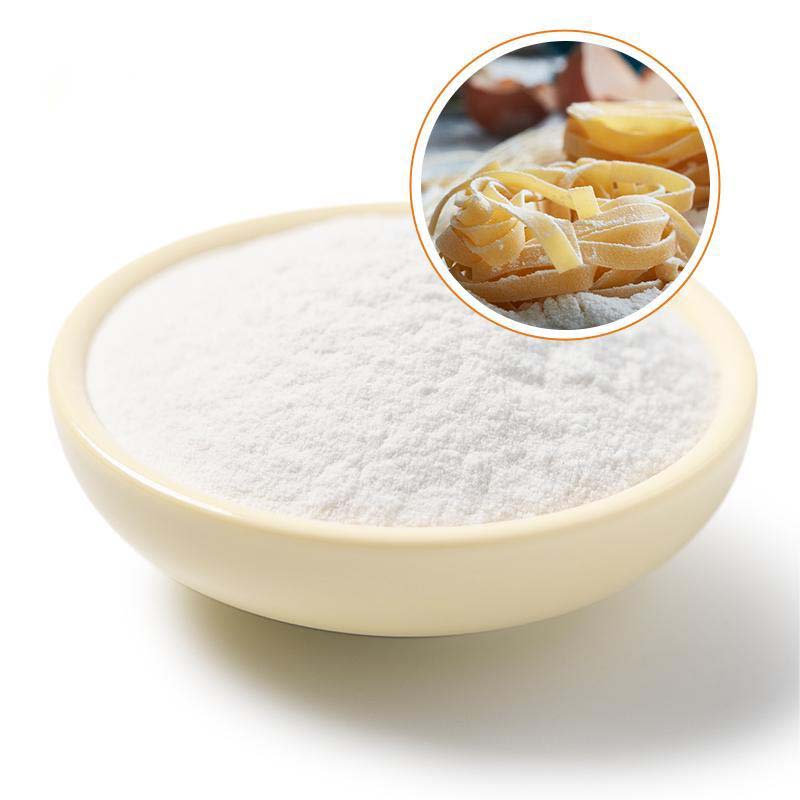
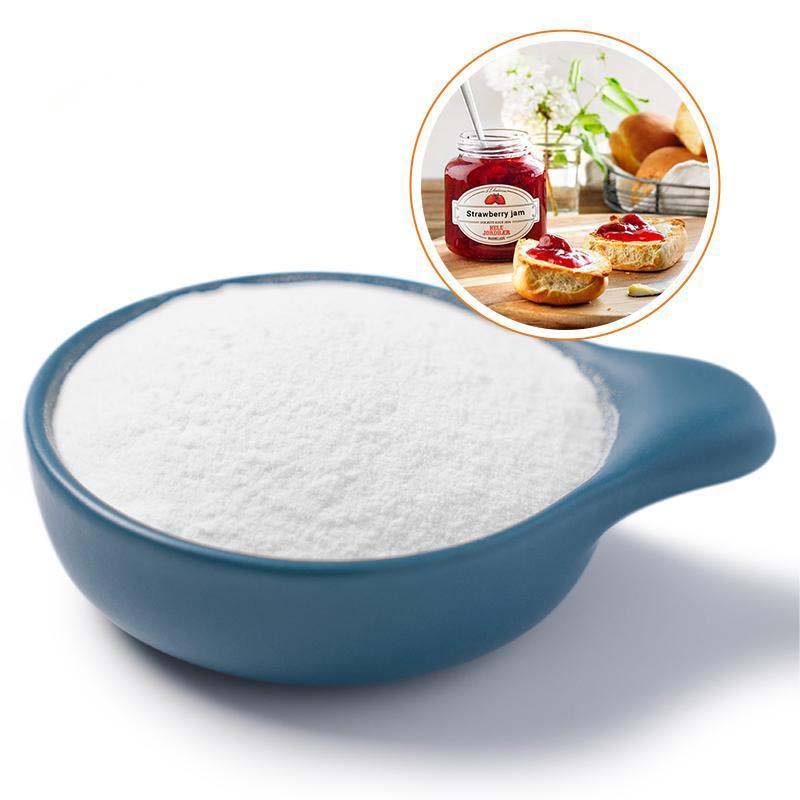
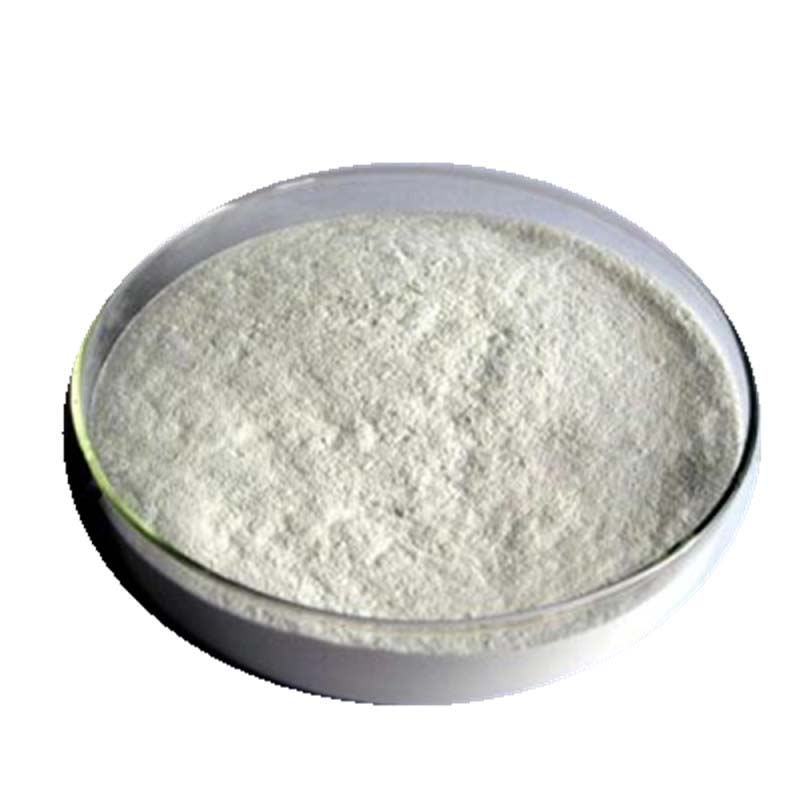
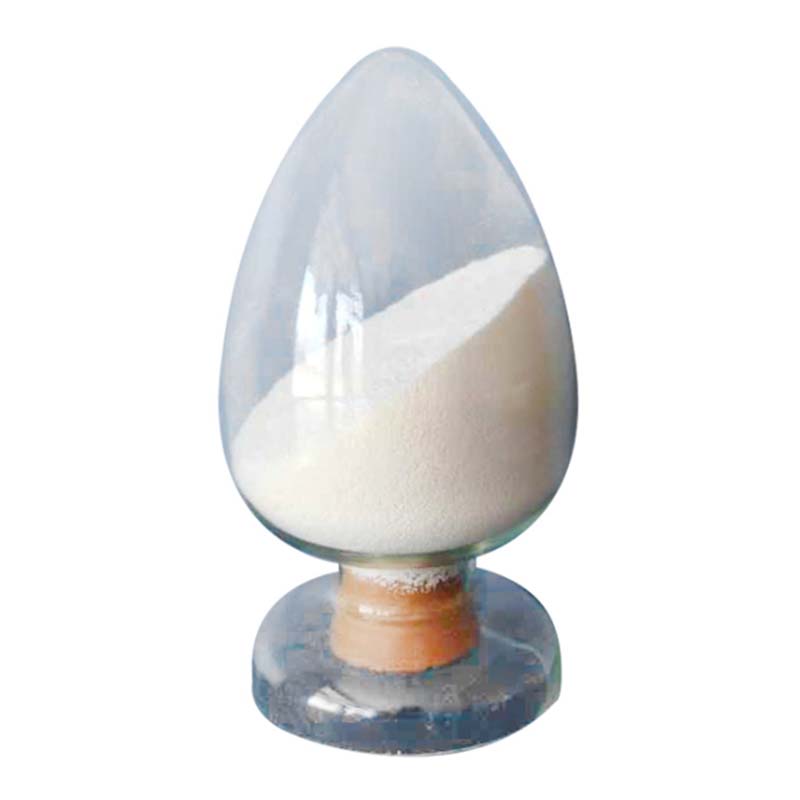
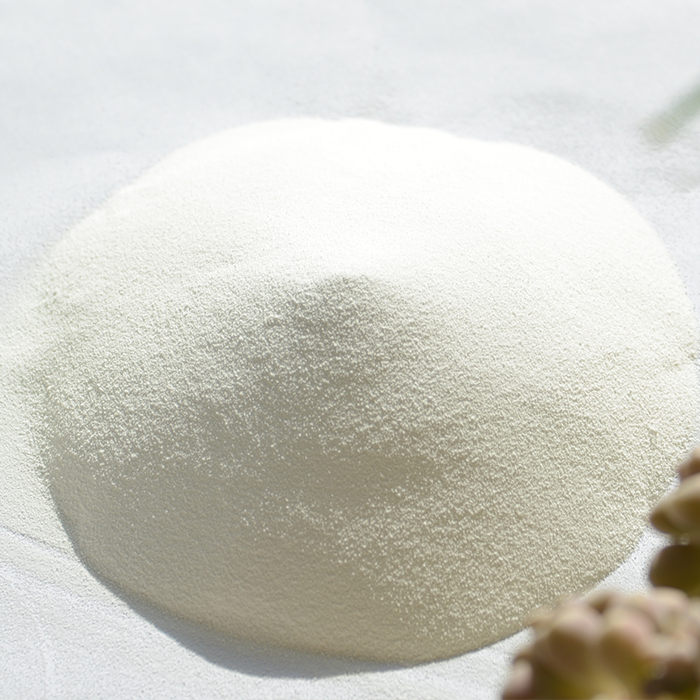
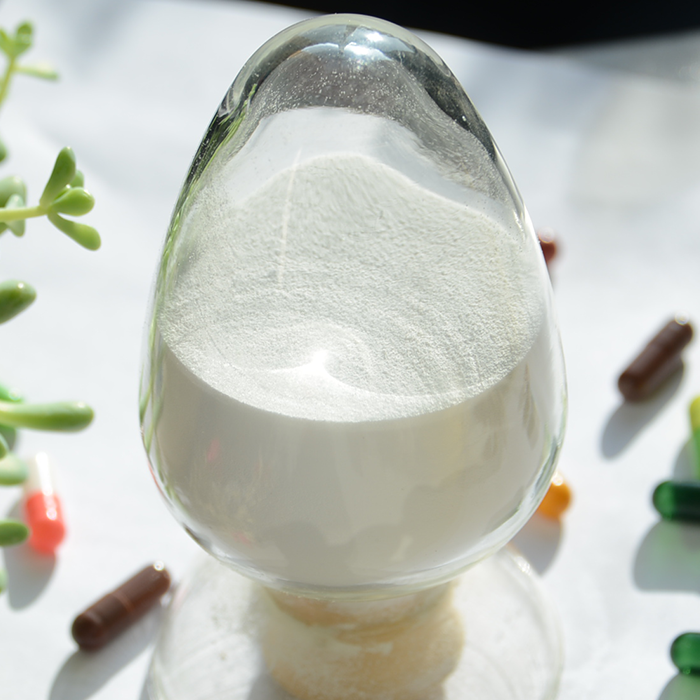
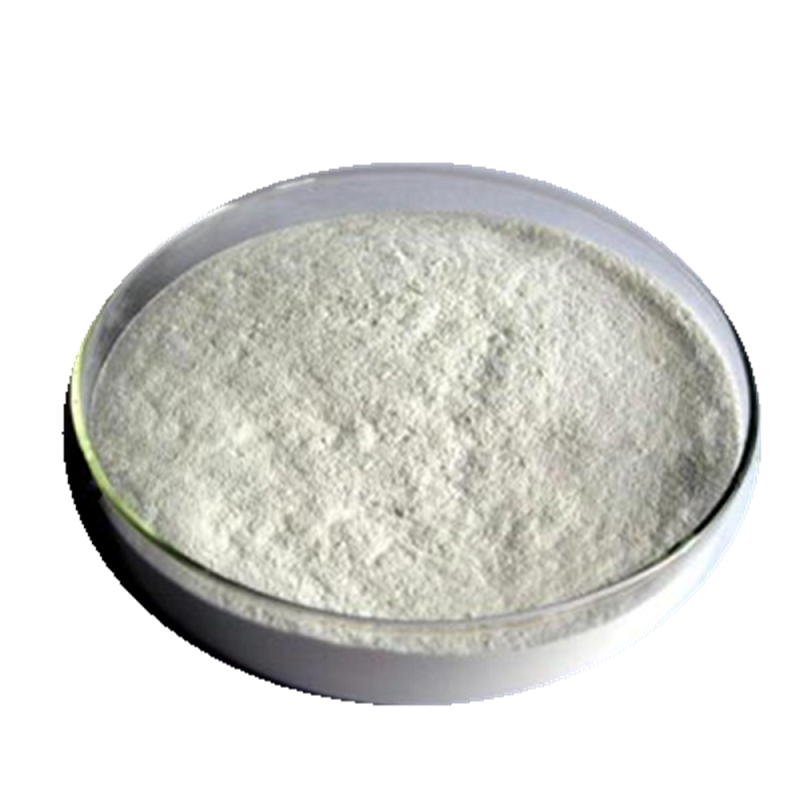
Carboxymethylcellulose (CMC) is a nontoxic and tasteless white flocculent powder with stable performance and is easy to dissolve in water. Sodium carboxymethylcellulose (CMC), commonly known as "industrial monosodium glutamate", is the most widely used and convenient product among cellulose ethers.
CMC có thể được sử dụng làm chất kết dính, chất làm đặc, chất tạo huyền phù, chất nhũ hóa, chất phân tán, chất ổn định, chất hồ, v.v.
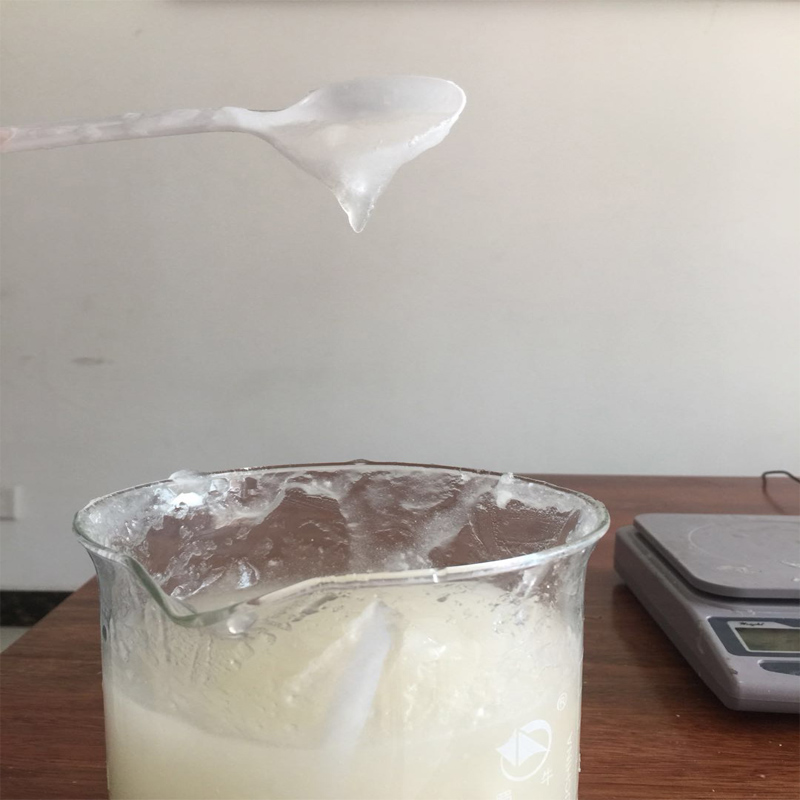
Carboxymethyl cellulose (CMC) là một ete cellulose anion, bề ngoài là bột sợi bông màu trắng hoặc hơi vàng hoặc bột màu trắng, không mùi, không vị, không độc hại; Dễ tan trong nước, tạo thành dung dịch trong suốt có độ nhớt nhất định. Dung dịch này trung tính hoặc hơi kiềm, không hòa tan trong etanol, ete, rượu isopropyl, axeton và các dung môi hữu cơ khác, nhưng hòa tan trong dung dịch etanol hoặc axeton với hàm lượng nước 60%. Nó hút ẩm, ổn định với ánh sáng và nhiệt, độ nhớt giảm khi nhiệt độ tăng.
Carboxymethyl cellulose (CMC) Features:
1. Hầu như không mùi, không mùi và hút ẩm.
2. Dễ phân tán trong nước thành dung dịch keo trong suốt, không tan trong dung môi hữu cơ như etanol.
3. Độ pH của dung dịch nước 3,1% là 6,5-8,5. Khi pH>10 hoặc <5, độ nhớt của chất kết dính giảm đáng kể và hiệu suất tốt nhất ở pH=7.
4. Nó ổn định nhiệt, với độ nhớt tăng nhanh dưới 20oC và thay đổi chậm hơn ở 45oC. Việc gia nhiệt kéo dài trên 80oC có thể gây biến tính keo đồng thời làm giảm đáng kể độ nhớt và hiệu suất.
5. Dễ hòa tan trong nước, dung dịch trong suốt;
Grade of Carboxymethyl cellulose (CMC)
CMC cấp thực phẩm
Chất tẩy rửa cấp CMC
Lớp khoan dầu CMC
Lớp gốm sứ CMC
Lớp sơn CMC
Lớp dệt nhuộm CMC
How Sodium Carboxymethyl Cellulose Powder Improves Viscosity and Stability
One of the most important functional characteristics of sodium carboxymethyl cellulose powder is its ability to control viscosity and improve formulation stability. As a water-soluble derivative of cellulose, carboxymethyl cellulose CMC forms highly stable colloidal solutions when dissolved in water. Even at low concentrations, it can significantly increase the viscosity of liquids, making it an efficient thickening agent in various industrial and food applications.
The rheological behavior of carboxymethyl cellulose CMC depends largely on its degree of substitution (DS) and molecular weight. Higher molecular weight grades generally provide stronger thickening performance, while lower viscosity grades are preferred when flowability is required. This flexibility allows manufacturers to fine-tune product texture, suspension stability, and flow characteristics.
In food applications, sodium carboxymethyl cellulose powder helps prevent ingredient separation, improves mouthfeel, and enhances shelf stability. In oil drilling fluids, it stabilizes drilling mud by controlling fluid loss and improving suspension performance. In detergents and coatings, it enhances uniform dispersion and prevents sedimentation.
Because of its strong water retention capacity, carboxymethyl cellulose CMC also reduces syneresis in formulations. This is especially valuable in products exposed to temperature fluctuations or long storage periods. Overall, sodium carboxymethyl cellulose powder serves as a multifunctional rheology modifier, offering predictable and stable performance across industries.
Factors Affecting the Quality of Carboxymethyl Cellulose CMC Powder
The quality of carboxymethyl cellulose CMC directly influences its performance in industrial and food applications. Several key parameters determine the overall effectiveness of sodium carboxymethyl cellulose powder, including purity, degree of substitution (DS), viscosity level, particle size distribution, and moisture content.
The degree of substitution is one of the most critical factors. It reflects how many hydroxyl groups in cellulose are replaced by carboxymethyl groups. A higher DS typically improves water solubility and enhances thickening capability. However, the ideal DS varies depending on the application requirements.
Viscosity grade is another decisive factor. Different industries require specific viscosity ranges to achieve desired texture, stability, or suspension properties. Inconsistent viscosity in carboxymethyl cellulose CMC powder can result in formulation instability or production inefficiencies.
Purity also plays a major role. High-quality sodium carboxymethyl cellulose powder should contain minimal residual salts, unreacted cellulose, or by-products. Impurities may affect transparency, taste (in food applications), or compatibility with other chemicals.
Additionally, particle size affects dissolution speed and dispersion uniformity. Fine and evenly distributed powder dissolves more efficiently and reduces clumping during mixing. Manufacturers must carefully control production processes and perform strict quality testing to ensure stable product performance and compliance with international standards.
How to Dissolve and Process Sodium Carboxymethyl Cellulose Powder Correctly
Proper dissolution and processing methods are essential to maximize the performance of sodium carboxymethyl cellulose powder. Although carboxymethyl cellulose CMC is water-soluble, incorrect mixing techniques can lead to clumping or incomplete hydration.
To achieve optimal dispersion, it is recommended to slowly add sodium carboxymethyl cellulose powder into water under continuous agitation. High-speed stirring helps prevent the formation of lumps and ensures uniform distribution. In some cases, pre-mixing the powder with dry ingredients such as sugar or salt can improve dispersion efficiency.
Water temperature also affects dissolution rate. While carboxymethyl cellulose CMC can dissolve in cold water, slightly warm water often accelerates hydration. However, excessively high temperatures should be avoided, as they may influence viscosity stability depending on the grade.
Allowing sufficient hydration time is crucial. Full viscosity development may take several minutes to several hours, depending on molecular weight and concentration. Premature processing before complete hydration can result in inconsistent viscosity and performance.
For industrial-scale production, controlled feeding systems and proper agitation equipment are recommended to ensure efficient processing of sodium carboxymethyl cellulose powder. By following correct dissolution procedures, manufacturers can achieve stable rheological performance and maintain consistent product quality.
|
MỤC |
PHẠM VI |
|
Màu sắc |
Sữa trắng |
|
Độ nhớt (1% dung dịch Mpa.S) |
50-1200 |
|
Clorua(%) |
<1,8% |
|
Mức độ thay thế |
0.6-0.9 |
|
PH |
6.0-8.5 |
|
độ tinh khiết |
99.5% |
|
Độ ẩm(%) |
<10% |

CMC không chỉ là chất ổn định nhũ hóa và chất làm đặc tốt trong ứng dụng thực phẩm mà còn có khả năng đóng băng và tan chảy tuyệt vời.
ổn định, có thể cải thiện hương vị của sản phẩm và kéo dài thời gian bảo quản。
Trong sữa đậu nành, kem, kem, thạch, nước giải khát, lượng tiêu thụ đồ hộp chiếm khoảng 1% ~ 1,5%. CMC cũng có thể được sử dụng với giấm, nước tương, dầu thực vật, nước ép trái cây, nước ép thịt, nước ép rau quả và các chất phân tán nhũ hóa ổn định khác, liều lượng là 0,2% ~ 0,5%.
Đặc biệt đối với động vật, dầu thực vật, protein và hiệu suất nhũ hóa dung dịch nước là cực kỳ xuất sắc, có thể tạo thành nhũ tương đồng nhất ổn định.
Vì nó an toàn và đáng tin cậy nên liều lượng của nó không bị hạn chế bởi tiêu chuẩn vệ sinh thực phẩm ADI.
Chức năng của CMC trong sản xuất thực phẩm:
1.làm dày: độ nhớt ở nồng độ thấp. Nó có thể kiểm soát độ nhớt trong quá trình chế biến thực phẩm và mang lại cho thực phẩm cảm giác bôi trơn;
2. giữ nước: giảm sự co rút mất nước của thực phẩm, kéo dài thời hạn sử dụng của thực phẩm;
3. ổn định phân tán: để duy trì sự ổn định của chất lượng thực phẩm, ngăn chặn sự phân tầng dầu và nước (nhũ hóa), kiểm soát
kích thước của tinh thể trong thực phẩm đông lạnh (giảm tinh thể đá);
4. Tạo màng: trong thực phẩm chiên để tạo thành một lớp màng, ngăn chặn sự hấp thụ dầu quá mức;
5. Ổn định hóa học: ổn định với hóa chất, nhiệt và ánh sáng, có khả năng chống nấm mốc nhất định;
6. Quán tính trao đổi chất: là một chất phụ gia thực phẩm, sẽ không được chuyển hóa, trong thực phẩm không cung cấp calo.
Là chất làm đặc và chất ổn định cho các sản phẩm sữa có tính axit, CMC ngăn ngừa sự đông tụ của protein trong các sản phẩm sữa,
kết tủa và phân lớp, làm cho các sản phẩm sữa có hương vị độc đáo và tinh tế.
Là chất giữ nước cho bánh ngọt và nhân mứt, CMC ngăn chặn tình trạng mất nước của thực phẩm, tạo ra chất thixotropy nhất định, cải thiện độ ổn định bảo quản, cải thiện độ bóng của bánh ngọt và ngăn ngừa nứt.
CMC có thể được sử dụng làm chất hồ giấy trong ngành sản xuất giấy, trong ngành gốm sứ làm tá dược cho phôi thép, chất làm dẻo, chất tăng cường, dùng làm chất hồ giấy trong ngành dệt may, mỹ phẩm như hydrosol, chống lại sự tái lắng đọng bụi bẩn.
chất tẩy rửa, trong bùn khoan dầu có thể dùng để bảo vệ giếng khoan, chất ổn định, chất giữ nước, chất làm đặc trong kem đánh răng...



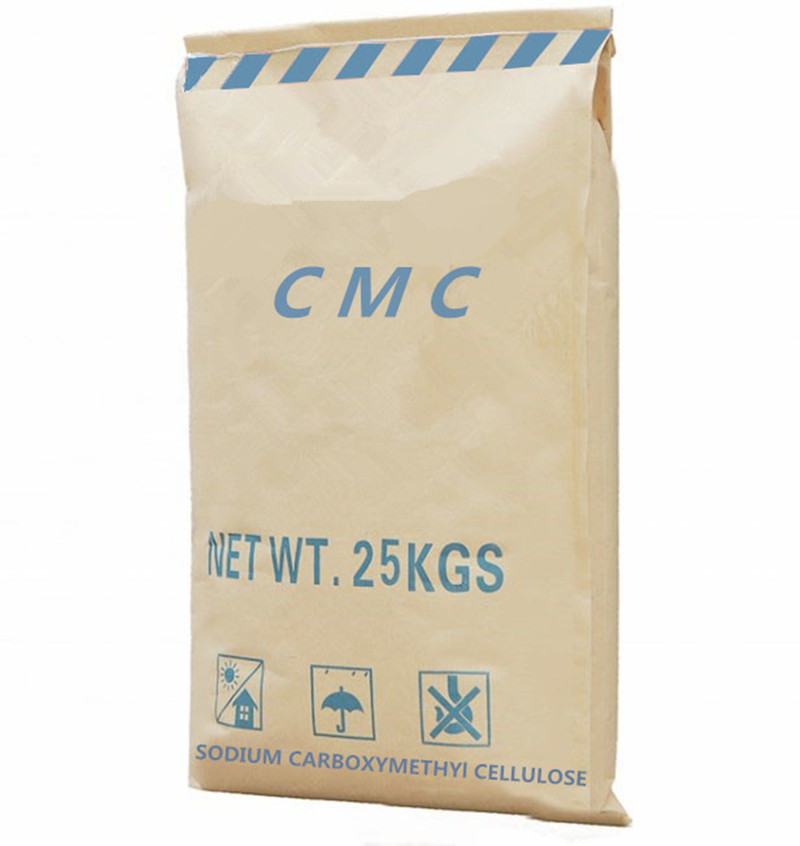
cmc sodium carboxymethyl cellulose
fungsi sodium carboxymethyl cellulose
sodium carboxy
sodium carboxy cellulose
sodium carboxy methyl cellulose
sodium carboxy methyl cellulose cmc
sodium carboxymethyl