HPMC Powder Uses
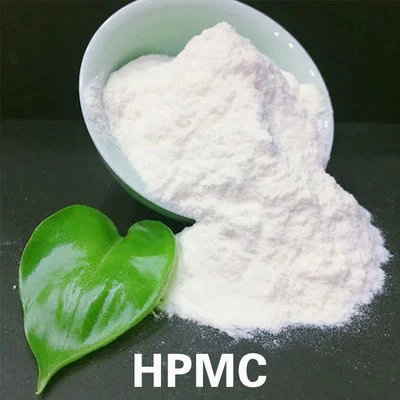
Hydroxypropyl Methylcellulose (HPMC) powder is one of the most versatile cellulose ethers used in modern manufacturing. Derived from natural plant fibers and chemically modified for enhanced performance, HPMC offers excellent thickening, binding, film-forming, and water retention properties. These characteristics make it indispensable in industries ranging from construction and pharmaceuticals to cosmetics and detergents.
In this guide, we’ll explore the most important HPMC powder uses, including its role in tablets, cosmetics, construction materials, and more.
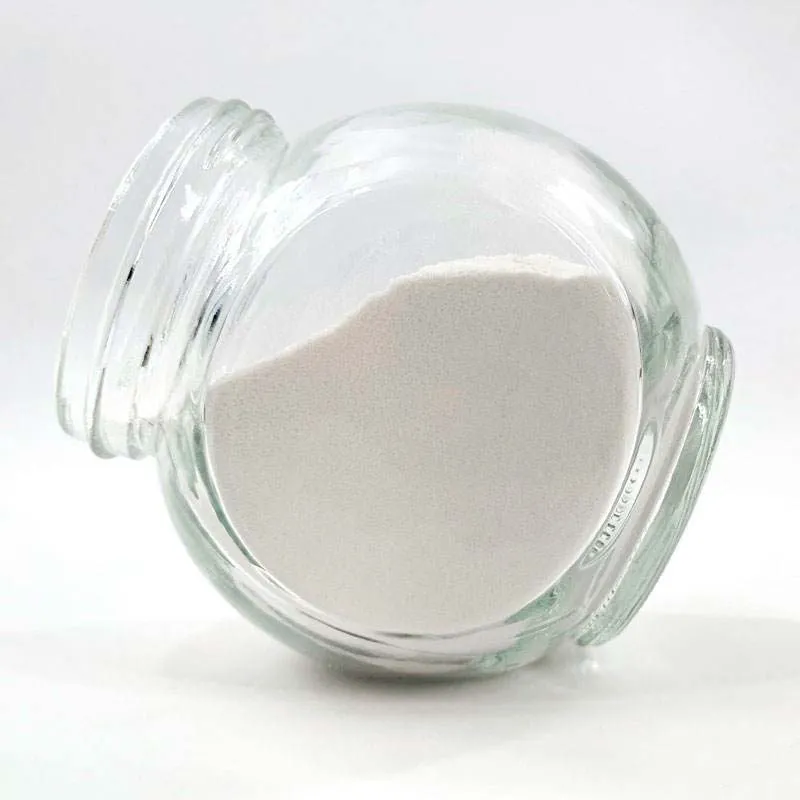
HPMC Used in Tablet Formulations
One of the most critical applications of HPMC is in the pharmaceutical industry, particularly HPMC used in tablet production. It acts as a binder, ensuring that the active ingredients and excipients hold together during compression. Additionally, HPMC is widely used as a film-coating agent, providing tablets with a smooth, protective outer layer.
A key advantage of HPMC in tablets is its ability to function as a controlled-release agent. It forms a gel-like barrier when exposed to moisture, allowing the drug to be released gradually over time. This makes it ideal for sustained-release and extended-release formulations, improving patient compliance and dosage efficiency.
Compared to traditional binders, HPMC offers superior stability, is non-toxic, and is compatible with a wide range of active pharmaceutical ingredients (APIs). This makes it a preferred choice for modern drug delivery systems.
Hydroxypropyl Methylcellulose Uses in Cosmetics
The demand for safe and effective personal care products has increased significantly, and hydroxypropyl methylcellulose uses in cosmetics continue to expand. In cosmetic formulations, HPMC functions primarily as a thickener, emulsifier, and film-forming agent.
It is commonly found in products such as creams, lotions, shampoos, and facial cleansers. HPMC helps improve texture and consistency, ensuring a smooth and pleasant application. Its film-forming ability also creates a lightweight barrier on the skin or hair, enhancing moisture retention and providing a soft feel.
Another advantage is its non-ionic nature, which makes it compatible with a wide range of ingredients, including surfactants and active compounds. Because HPMC is derived from cellulose, it is also considered safe and suitable for sensitive skin formulations.
Methylcellulose Used in Pharmaceuticals
While HPMC is a modified form of cellulose, it shares similarities with other cellulose ethers, including methylcellulose used in pharmaceuticals. Both materials are valued for their biocompatibility and functional versatility.
In pharmaceutical applications, methylcellulose and HPMC are used as suspending agents, stabilizers, and viscosity modifiers in liquid formulations. They help maintain uniform dispersion of active ingredients, ensuring consistent dosing.
HPMC, however, offers improved thermal gelation properties and better performance in controlled-release systems compared to standard methylcellulose. This makes it especially suitable for advanced pharmaceutical applications, including capsule shells and ophthalmic solutions.
Overall, the use of cellulose ethers like HPMC and methylcellulose plays a vital role in enhancing drug stability, delivery, and patient experience.
HPMC for Construction Materials
Among all industries, HPMC for construction is one of the largest application areas. It is widely used in cement-based products such as dry-mix mortar, wall putty, plaster, and self-leveling compounds.
In construction, HPMC acts as a water retention agent, preventing rapid water loss during cement hydration. This improves curing efficiency and enhances the final strength of the material. It also increases workability, making mixtures easier to apply and spread.
Another important benefit is improved adhesion. HPMC helps construction materials bond more effectively to substrates, reducing the risk of cracking or detachment. Additionally, it enhances open time, giving workers more flexibility during application.
Because of these advantages, HPMC has become an essential additive in modern building materials, especially in high-performance and eco-friendly construction systems.
HPMC for Detergent Applications
The use of HPMC for detergent formulations is another growing application. In liquid detergents and cleaning products, HPMC functions as a thickener and stabilizer, helping to control viscosity and improve product consistency.
HPMC also plays a role in suspension stability, ensuring that active cleaning agents and particles remain evenly distributed throughout the product. This prevents separation and enhances the overall effectiveness of the detergent.
In addition, HPMC can contribute to improved surface adhesion, allowing cleaning agents to stay longer on surfaces for better cleaning performance. Its non-ionic nature makes it compatible with a wide range of surfactants commonly used in detergent formulations.
As consumers demand higher-quality and more stable cleaning products, HPMC continues to gain importance in this sector.
HPMC for Tile Adhesive Performance
One of the most well-known applications in construction is HPMC for tile adhesive. Tile adhesives require precise performance characteristics, including strong bonding, good workability, and sufficient open time—all of which HPMC helps provide.
HPMC improves water retention in tile adhesives, ensuring proper hydration of cement and preventing premature drying. This leads to stronger adhesion between tiles and substrates. It also enhances slip resistance, helping tiles stay in place during installation.
Furthermore, HPMC increases the open time of tile adhesives, allowing installers more time to adjust tiles before the adhesive sets. This is particularly important in large-scale or precision installations.
Because of these performance benefits, HPMC is a key ingredient in high-quality tile adhesive formulations used in both residential and commercial construction projects.
Conclusion
HPMC powder is a multifunctional material that plays a crucial role across a wide range of industries. From HPMC used in tablet formulations and hydroxypropyl methylcellulose uses in cosmetics to HPMC for construction, detergents, and tile adhesives, its versatility is unmatched.
Its ability to act as a thickener, binder, stabilizer, and film-forming agent makes it an essential component in modern manufacturing. As industries continue to demand higher performance, safety, and sustainability, the importance of HPMC powder will only continue to grow.
Choosing the right type and grade of HPMC ensures optimal performance in every application, making it a valuable solution for manufacturers worldwide.
-
Top Guide to Selecting Professional vae emulsion manufacturersBalitaApr.16,2026
-
Viscosity of HPMCBalitaApr.15,2026
-
Understanding VAE Emulsion for Modern Industrial CoatingsBalitaApr.09,2026
-
Comprehensive Guide to Redispersible Emulsion Powder and its ApplicationsBalitaApr.07,2026
-
Comprehensive Guide to Redispersible Latex Powder for Construction ApplicationsBalitaApr.04,2026