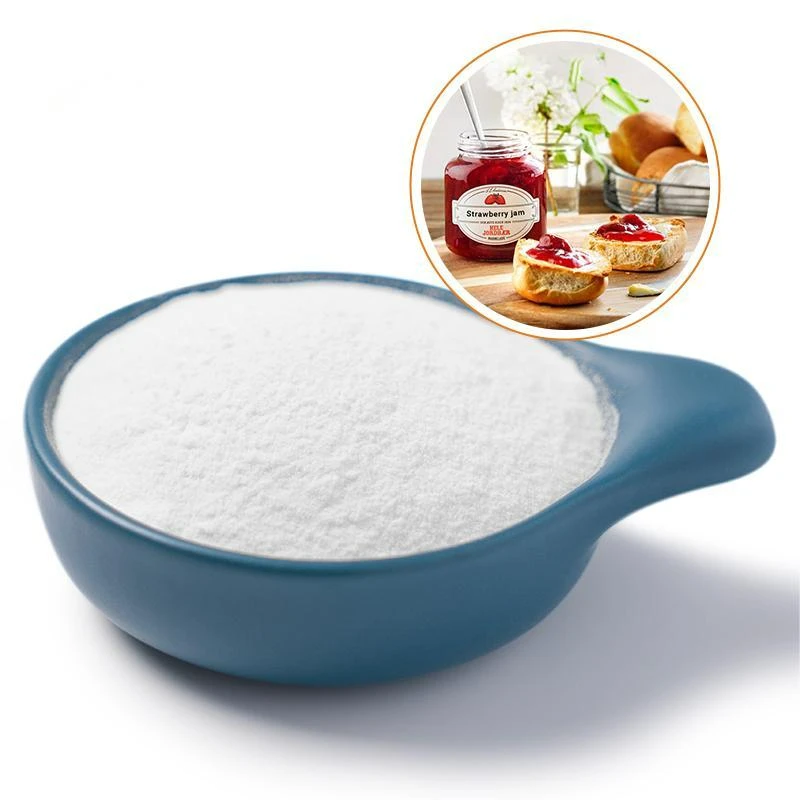
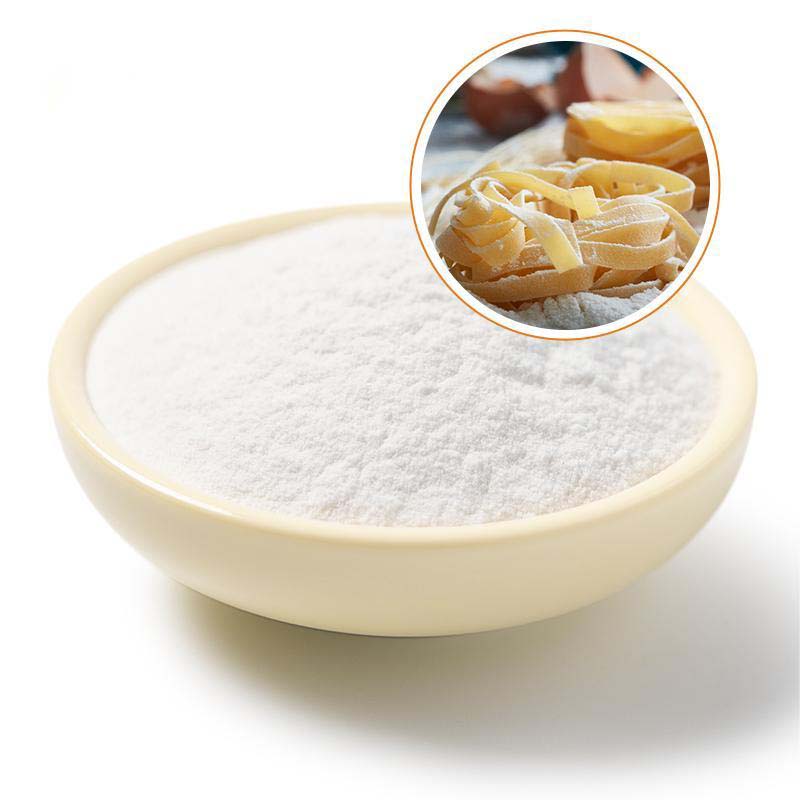
Sodium carboxymethyl cellulose (often abbreviated as CMC or sodium CMC) is one of the most versatile and widely used cellulose derivatives in modern industry. From food processing and pharmaceuticals to detergents and oil drilling, its multifunctional properties make it indispensable. But what exactly is the function of sodium carboxymethyl cellulose, and why is it so valuable across different sectors?
In this guide, we’ll break down the core functions of sodium carboxymethyl cellulose and explore how it performs in various real-world applications.
What Is Sodium Carboxymethyl Cellulose?
Sodium carboxymethyl cellulose is a water-soluble polymer derived from natural cellulose, typically sourced from wood pulp or cotton fibers. Through chemical modification, cellulose is converted into a compound that dissolves easily in water and forms a viscous, stable solution.
This transformation gives carboxymethyl cellulose sodium a unique combination of properties, including thickening, stabilizing, emulsifying, and film-forming abilities—functions that are highly valued in both industrial and consumer applications.
Thickening Function of Sodium Carboxymethyl Cellulose
One of the most important functions of sodium carboxymethyl cellulose is its role as a thickening agent.
When dissolved in water, CMC increases the viscosity of a solution, making it thicker and more stable. This is particularly useful in:
- Food products like sauces, soups, and dairy items
- Personal care products such as shampoos and lotions
- Industrial formulations including paints and coatings
Its thickening ability helps improve texture, consistency, and overall product performance. Even at low concentrations, sodium CMC can significantly enhance viscosity, making it a cost-effective solution for manufacturers.
Stabilizing and Emulsifying Function
Another key function of sodium carboxymethyl cellulose is stabilization. It helps maintain the uniform distribution of ingredients in a mixture, preventing separation over time.
In emulsions (such as oil and water mixtures), CMC acts as a stabilizer by:
- Reducing surface tension
- Preventing phase separation
- Enhancing product shelf life
This function is widely used in:
- Ice cream (to prevent ice crystal formation)
- Salad dressings and beverages
- Cosmetic creams and emulsions
By improving stability, sodium CMC ensures products remain visually appealing and functionally effective throughout their lifecycle.
Water Retention and Moisture Control Function
Sodium carboxymethyl cellulose has excellent water retention properties, making it highly effective in controlling moisture.
This function is particularly important in:
- Food industry: Keeps baked goods soft and fresh
- Toothpaste: Maintains paste consistency and prevents drying
- Construction materials: Improves water retention in cement and mortar
In products like bread or cakes, CMC helps retain moisture, extending shelf life and improving mouthfeel. In industrial settings, it ensures proper hydration and workability of materials.
Film-Forming and Binding Function
CMC also serves as a film-forming and binding agent. When applied to a surface or dried, it creates a thin, flexible film.
This function is useful in:
- Pharmaceutical tablets (as a binder)
- Paper coatings
- Textile sizing
As a binder, sodium CMC helps hold particles together, ensuring structural integrity in tablets or powdered products. Its film-forming ability also provides protective coatings that enhance durability and appearance.
Suspension and Dispersion Function
Another essential function of sodium carboxymethyl cellulose is its ability to suspend and disperse solid particles evenly in a liquid.
Without a proper suspending agent, particles tend to settle at the bottom of a container. CMC prevents this by:
- Increasing viscosity
- Creating a uniform distribution
- Reducing sedimentation
This function is widely applied in:
- Paints and coatings
- Pharmaceuticals (liquid suspensions)
- Detergents
It ensures consistent performance and quality in products where uniformity is critical.
Function of Sodium Carboxymethyl Cellulose in Food Industry
In the food industry, sodium CMC performs multiple roles simultaneously:
- Thickener (soups, sauces)
- Stabilizer (dairy products, ice cream)
- Moisture retainer (bakery items)
- Texture enhancer (beverages, desserts)
It is commonly used because it is safe, non-toxic, and approved as a food additive in many countries. Its ability to improve texture and extend shelf life makes it a key ingredient in processed foods.
Function of Sodium Carboxymethyl Cellulose in Detergents and Cleaning Products
In detergents, sodium carboxymethyl cellulose acts as an anti-redeposition agent.
During washing, dirt particles are removed from fabrics but can redeposit back onto the surface. CMC prevents this by:
- Binding to dirt particles
- Keeping them suspended in water
- Preventing them from settling back onto fabrics
This function improves cleaning efficiency and keeps clothes looking brighter and cleaner after washing.
Function of Sodium Carboxymethyl Cellulose in Pharmaceutical and Personal Care Applications
In pharmaceuticals and personal care products, sodium CMC plays several roles:
- Binder in tablets
- Thickener in gels and creams
- Stabilizer in liquid medicines
- Lubricant in eye drops
Its biocompatibility and non-toxic nature make it ideal for use in sensitive applications. For example, in eye drops, it helps lubricate and moisturize the eyes, providing relief from dryness.
Function of Sodium Carboxymethyl Cellulose in Oil Drilling and Industrial Applications
In oil drilling, sodium carboxymethyl cellulose is used as a key additive in drilling fluids.
Its functions include:
- Controlling fluid loss
- Stabilizing borehole walls
- Adjusting viscosity
CMC helps improve drilling efficiency and reduce operational risks. It is also used in ceramics, textiles, and paper manufacturing for its binding and stabilizing properties.
Why Sodium Carboxymethyl Cellulose Is So Widely Used
The widespread use of sodium carboxymethyl cellulose comes down to its unique combination of properties:
- Water solubility
- High efficiency at low dosage
- Non-toxic and environmentally friendly
- Versatility across industries
Few additives can perform so many functions—thickening, stabilizing, binding, and retaining moisture—within a single compound.
Conclusion
The function of sodium carboxymethyl cellulose goes far beyond a single role. It is a multifunctional additive that enhances product performance across food, pharmaceutical, cosmetic, and industrial applications.
Whether it’s improving the texture of your favorite foods, stabilizing a cosmetic cream, or enhancing the efficiency of industrial processes, sodium CMC plays a critical role behind the scenes.
As industries continue to demand high-performance, cost-effective, and sustainable materials, sodium carboxymethyl cellulose will remain an essential ingredient driving innovation and quality worldwide.