What Is Hydroxyethyl Methyl Cellulose Used For in Construction?
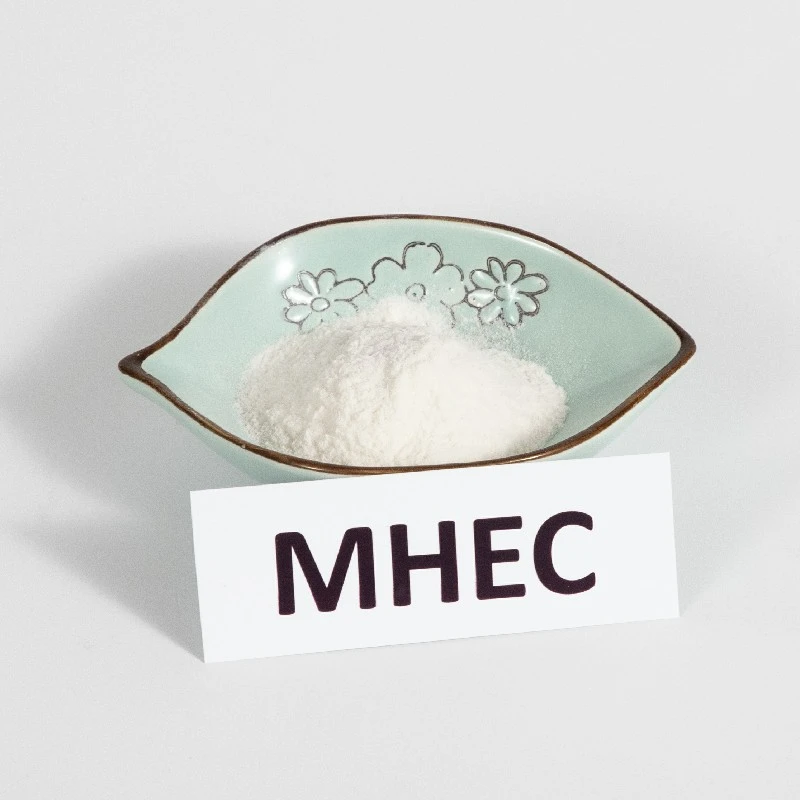
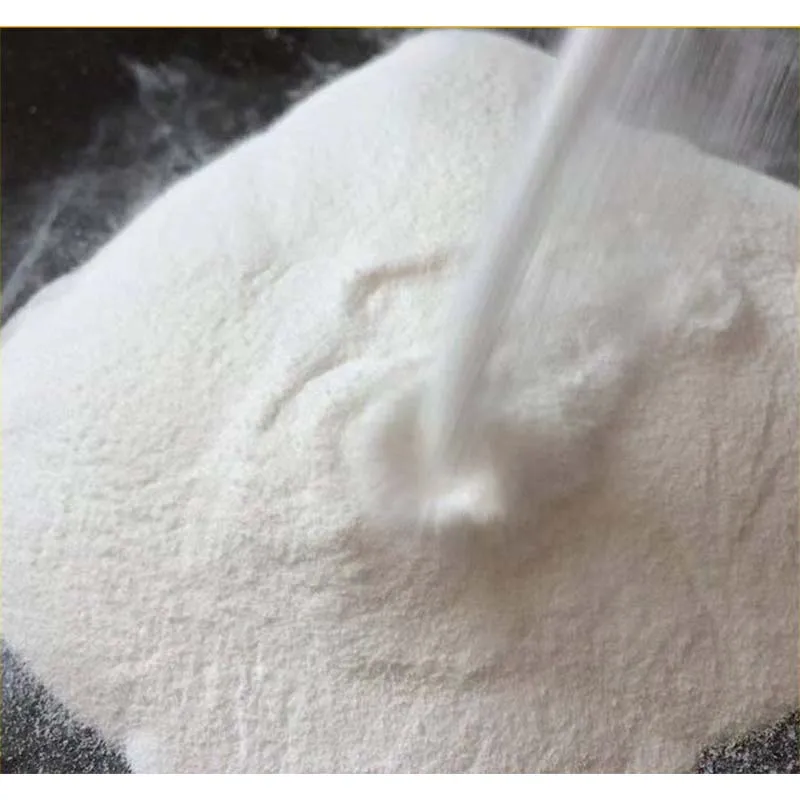
The construction industry continuously demands high-performance materials that improve workability, durability, and efficiency. Among these, hydroxyethyl methyl cellulose (HEMC) has emerged as a versatile additive widely used in modern construction applications. HEMC is a non-ionic cellulose ether, combining the properties of both methyl cellulose and hydroxyethyl cellulose, offering excellent water retention, thickening, and rheological control. Its unique characteristics make it indispensable in improving the quality and performance of various construction materials.
Understanding Hydroxyethyl Methyl Cellulose (HEMC)
Hydroxyethyl methyl cellulose is derived from natural cellulose through an etherification process that introduces methyl and hydroxyethyl groups into the cellulose backbone. This chemical modification enhances solubility in cold and hot water and provides temperature-insensitive thickening, which is highly beneficial for construction formulations. Unlike many other thickeners, HEMC maintains its viscosity stability across a wide temperature range and under varying pH levels, making it a reliable additive for cement-based and dry-mix materials.
The molecular structure of HEMC ensures excellent water retention, which prevents premature drying of mortars, adhesives, and plasters. Its non-ionic nature provides compatibility with various additives, pigments, and polymers commonly used in construction, allowing formulators to achieve consistent results and long-lasting performance.
Primary Uses of HEMC in Construction
HEMC finds extensive applications in the construction industry due to its multifunctional properties:
-
Tile Adhesives and Mortars
In tile adhesives, HEMC in construction improves workability, adhesion, and open time. It ensures that tiles remain in place during installation while maintaining a smooth and spreadable consistency. The water retention property prevents rapid moisture loss, which is crucial for optimal curing and bonding strength. -
Plasters and Stucco
HEMC enhances plaster and stucco performance by improving water retention, reducing shrinkage, and increasing workability. This allows for easier application, uniform surface finishes, and minimized cracking during drying. -
Cement-Based Dry Mix Products
Dry-mix mortars, self-leveling compounds, and joint fillers benefit from HEMC’s ability to control viscosity and improve flow properties. It prevents segregation of fine and coarse components and ensures a homogeneous mixture throughout the application process. -
Rendering and Coating Systems
In external and internal rendering systems, HEMC contributes to better adhesion, smooth texture, and enhanced water retention, which collectively improve the durability and aesthetics of wall coatings. -
Specialty Construction Materials
HEMC is also used in lightweight mortars, cement-based adhesives for underfloor heating systems, and tile leveling compounds, where controlled rheology and extended open time are critical.
Advantages of Using Hydroxyethyl Methyl Cellulose in Construction
The addition of HEMC to construction materials offers numerous advantages:
-
Enhanced Workability: HEMC provides smooth, spreadable, and easy-to-apply mixtures, reducing labor effort.
-
Improved Water Retention: Keeps the substrate hydrated for proper curing, enhancing strength and adhesion.
-
Extended Open Time: In tile adhesives and mortars, it allows longer adjustment time without affecting performance.
-
Temperature and pH Stability: Maintains consistent viscosity under varying environmental conditions.
-
Compatibility with Additives: Works well with polymers, pigments, plasticizers, and other common construction additives.
-
Prevents Segregation and Shrinkage: Ensures uniform texture and reduces cracking in cementitious materials.
By incorporating HEMC, manufacturers can produce high-quality, reliable, and durable construction products suitable for both professional and DIY applications.
Choosing the Right HEMC Grade for Construction Applications
Selecting the appropriate hydroxyethyl methyl cellulose grade is critical to achieving optimal results. HEMC is available in different viscosity grades, including low, medium, and high viscosity, each suited for specific construction needs:
-
Low Viscosity: Ideal for thin coatings, fine plasters, or self-leveling compounds requiring high flow.
-
Medium Viscosity: Suitable for tile adhesives, joint fillers, and general mortars for balanced workability and stability.
-
High Viscosity: Recommended for thick plasters, renders, and dry-mix mortars that require strong water retention and extended open time.
Other factors to consider include solubility, particle size, and compatibility with cement and polymer systems. PEZE, a leading supplier of cellulose ethers, offers a wide range of HEMC grades tailored for construction applications, providing consistent performance and technical support for formulation optimization.
Future Trends of HEMC in Construction Materials
With the increasing demand for sustainable and high-performance building materials, HEMC is expected to play a larger role in eco-friendly construction solutions. Recent developments include:
-
Low-dust and easy-dispersion HEMC powders for safer handling.
-
Modified HEMC formulations compatible with green cement and recycled aggregates.
-
Combined HEMC and polymer systems for enhanced flexibility, adhesion, and water resistance.
As the construction industry evolves, HEMC will continue to be a critical component in improving efficiency, durability, and environmental sustainability of building materials.
Conclusion
Hydroxyethyl methyl cellulose (HEMC) is a highly versatile and indispensable additive in the construction industry. Its excellent water retention, thickening, and rheological control properties make it ideal for tile adhesives, plasters, dry-mix mortars, renders, and specialty construction materials. By choosing the right HEMC grade and working with trusted suppliers like PEZE, manufacturers can ensure consistent product performance, enhanced workability, and long-term durability in construction applications.
HEMC’s continued innovation and adaptability ensure that it will remain a cornerstone of modern construction formulations for years to come.
-
Top Guide to Selecting Professional vae emulsion manufacturersသတင်းApr.16,2026
-
Viscosity of HPMCသတင်းApr.15,2026
-
HPMC Powder Usesသတင်းApr.15,2026
-
Understanding VAE Emulsion for Modern Industrial Coatingsသတင်းApr.09,2026
-
Comprehensive Guide to Redispersible Emulsion Powder and its Applicationsသတင်းApr.07,2026
-
Comprehensive Guide to Redispersible Latex Powder for Construction Applicationsသတင်းApr.04,2026