Comprehensive Guide to Redispersible Emulsion Powder and its Applications
Redispersible Emulsion Powder: A Comprehensive Guide
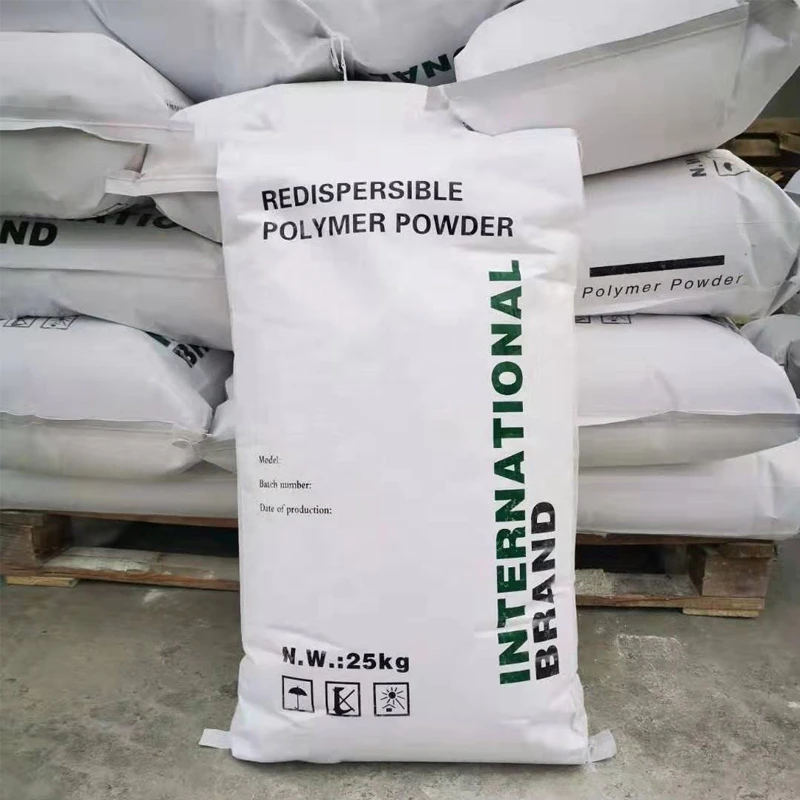
Redispersible emulsion powder (RDP) is a vital ingredient in a wide range of construction materials, enhancing their performance and durability. This versatile powder, when mixed with water, forms a film that improves adhesion, flexibility, and workability. Understanding its properties and applications is key for professionals in the building industry. This article provides an in-depth look at RDP, covering its composition, benefits, applications, and how to select the right product for your specific needs. Explore the world of Pezetech's redispersible polymer powders and discover how they can elevate your construction projects.
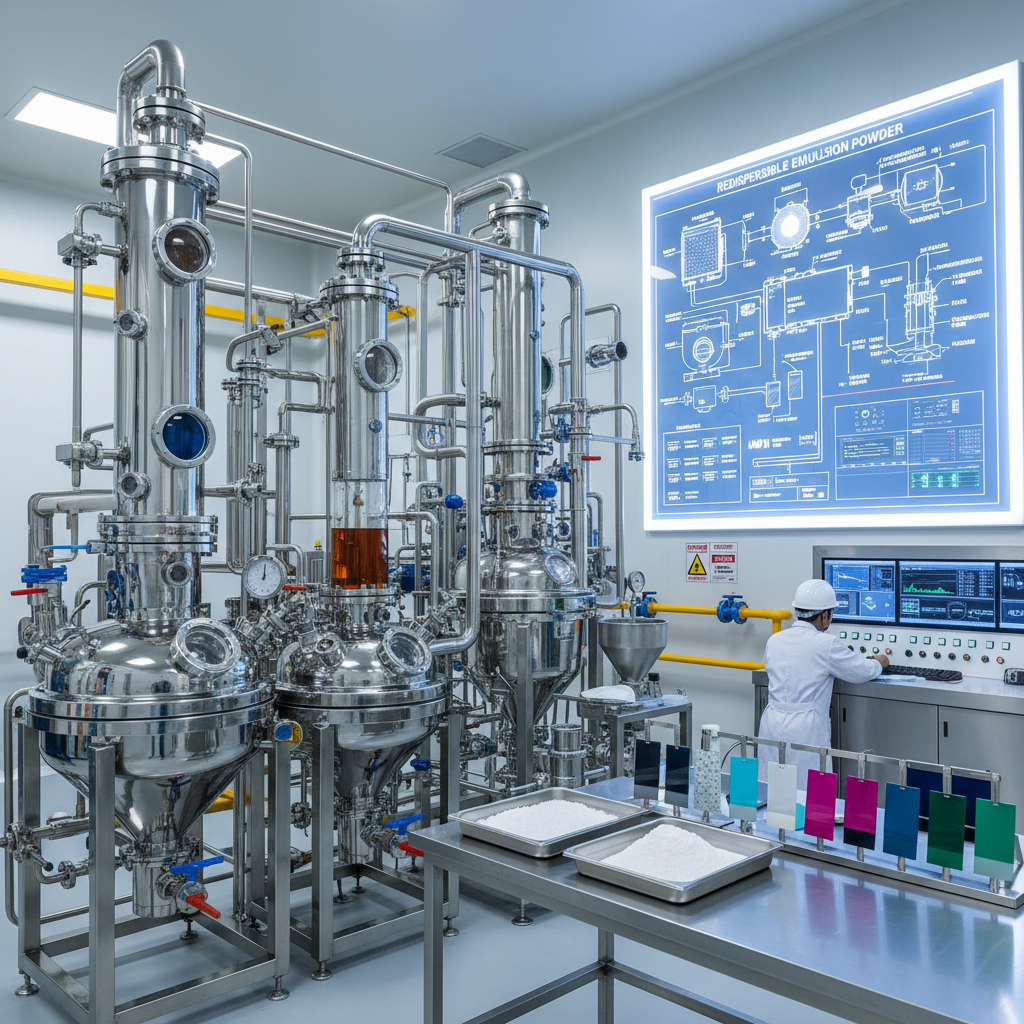
What is Redispersible Emulsion Powder (RDP)?
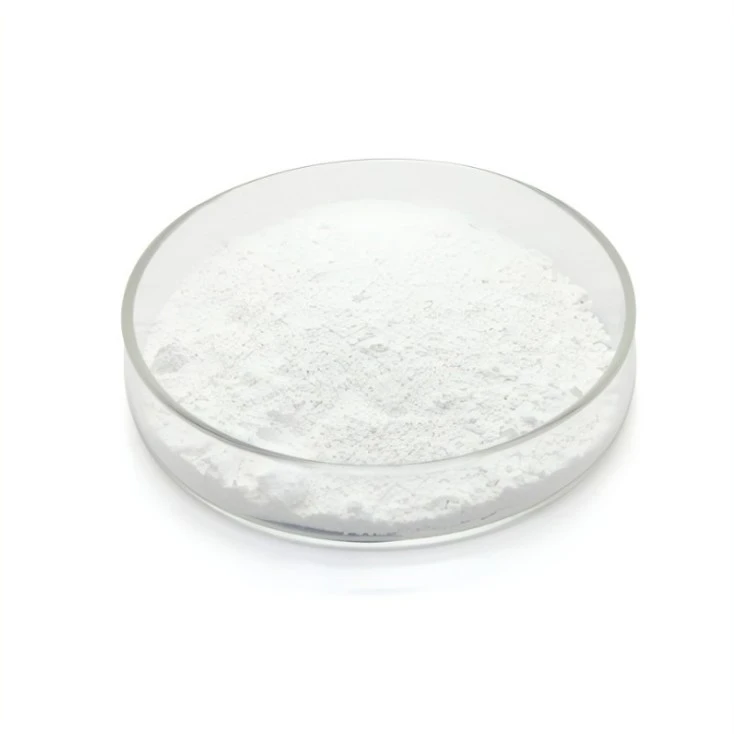
Redispersible emulsion powder is a modified polyvinyl acetate (PVAc) emulsion that has been spray-dried to a powder form. This process encapsulates the polymer particles, allowing them to be easily dispersed in water to recreate the original emulsion. The resulting solution exhibits excellent adhesive properties and film-forming capabilities. RDP acts as a binder, enhancing the cohesion and adhesion of cement-based materials. Different types of RDP are available, each tailored to specific applications and offering varying degrees of flexibility, water resistance, and adhesion strength. Pezetech offers a comprehensive range of RDP products designed to meet diverse construction requirements.
Key Characteristics: Excellent adhesion, improved flexibility, enhanced workability, water resistance (depending on the grade), and ease of use.
Applications of Redispersible Emulsion Powder
RDP finds extensive use in various construction applications, significantly improving the performance of building materials. Common applications include tile adhesives, cement mortars, self-leveling compounds, external insulation finishing systems (EIFS), repair mortars, and skim coats. It enhances the adhesion to various substrates, including concrete, ceramic tiles, and stone. Furthermore, RDP improves the flexibility of mortars, reducing cracking and increasing durability. Its addition also enhances water retention, promoting better hydration and strength development in cement-based mixtures. The versatility of RDP makes it an indispensable additive in modern construction practices.
Application Areas:
• Tile Adhesives
• Cement Mortars
• Self-Leveling Compounds
• EIFS (External Insulation Finishing Systems)
• Repair Mortars
Redispersible Emulsion Powder: Types and Properties
Different grades of RDP are available, each with specific properties to suit various applications. Common types include standard RDP, high-flexibility RDP, and water-resistant RDP. Standard RDP provides good adhesion and workability for general-purpose applications. High-flexibility RDP is ideal for applications requiring greater elasticity and crack resistance. Water-resistant RDP offers enhanced resistance to water penetration, making it suitable for exterior applications. Selecting the appropriate type of RDP is crucial for achieving optimal performance and durability. Pezetech’s product range includes options tailored to meet specific project demands.
Benefits of Using Redispersible Emulsion Powder
Incorporating RDP into construction materials offers numerous advantages. These include improved adhesion to various substrates, enhanced flexibility and crack resistance, increased workability and open time, better water retention for optimal cement hydration, and improved durability and long-term performance. RDP also reduces shrinkage and improves the overall cohesion of the mixture. Ultimately, using RDP results in higher-quality, longer-lasting construction projects. Choosing a reliable supplier, like Pezetech, ensures consistent product quality and performance.
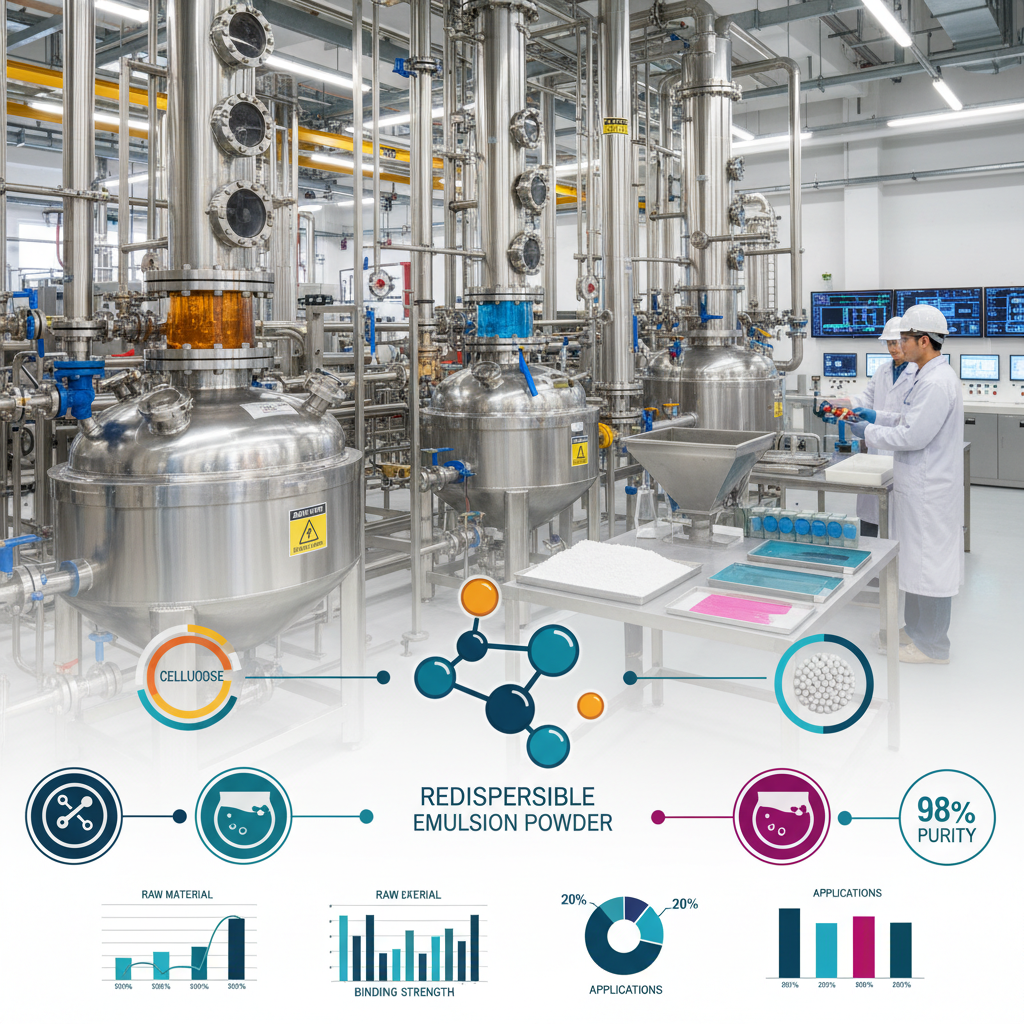
Dosage and Mixing Guidelines for RDP
The recommended dosage of RDP varies depending on the specific application and desired properties. Generally, dosages range from 2% to 6% by weight of cementitious material. It’s crucial to follow the manufacturer's instructions for optimal results. RDP should be added to the dry mix before adding water, ensuring thorough and even dispersion. Avoid prolonged mixing, as this can reduce the effectiveness of the RDP. Proper mixing is essential to achieve the full benefits of the powder. Pezetech provides detailed technical data sheets and support to help customers determine the optimal dosage and mixing procedures.
Conclusion: Enhancing Construction with RDP
Redispersible emulsion powder is a powerful additive that significantly enhances the performance and durability of construction materials. From improved adhesion and flexibility to increased water resistance and workability, RDP offers a wide range of benefits. Choosing a high-quality RDP product, like those offered by Pezetech, ensures optimal results and long-lasting performance. Invest in RDP and build a stronger future.
Frequently Asked Questions (FAQs)
What is the shelf life of redispersible emulsion powder?
Generally, redispersible emulsion powder has a shelf life of 12-18 months when stored in a cool, dry place, away from direct sunlight and moisture. Proper storage is crucial to maintain its redispersibility and performance characteristics. Exposure to humidity or high temperatures can cause the powder to agglomerate, reducing its effectiveness. Always check the manufacturer's expiration date on the packaging.
Can RDP be used with all types of cement?
While RDP is compatible with most common cement types, including Portland cement, it’s always recommended to conduct a compatibility test before large-scale application. Different cement compositions can react differently with RDP, potentially affecting the final properties of the mixture. Following the manufacturer's guidelines and conducting a small-batch test will help ensure optimal performance.
Is RDP environmentally friendly?
Redispersible emulsion powder is generally considered to be environmentally friendly compared to some other polymer additives. It is typically low in VOCs (volatile organic compounds) and does not contain harmful solvents. However, it’s essential to check the specific product data sheet for detailed environmental information. Pezetech is committed to sustainable practices and offers environmentally responsible RDP solutions.
How does RDP improve the adhesion of tile adhesives?
RDP improves the adhesion of tile adhesives by increasing the wettability of the adhesive, allowing it to spread more easily and penetrate the pores of the substrate. It also creates a stronger bond between the adhesive and the tile, reducing the risk of tile slippage or detachment. The enhanced flexibility provided by RDP helps accommodate movement and thermal expansion, further improving long-term adhesion.
-
Top Guide to Selecting Professional vae emulsion manufacturersNewsApr.16,2026
-
Viscosity of HPMCNewsApr.15,2026
-
HPMC Powder UsesNewsApr.15,2026
-
Understanding VAE Emulsion for Modern Industrial CoatingsNewsApr.09,2026
-
Comprehensive Guide to Redispersible Latex Powder for Construction ApplicationsNewsApr.04,2026