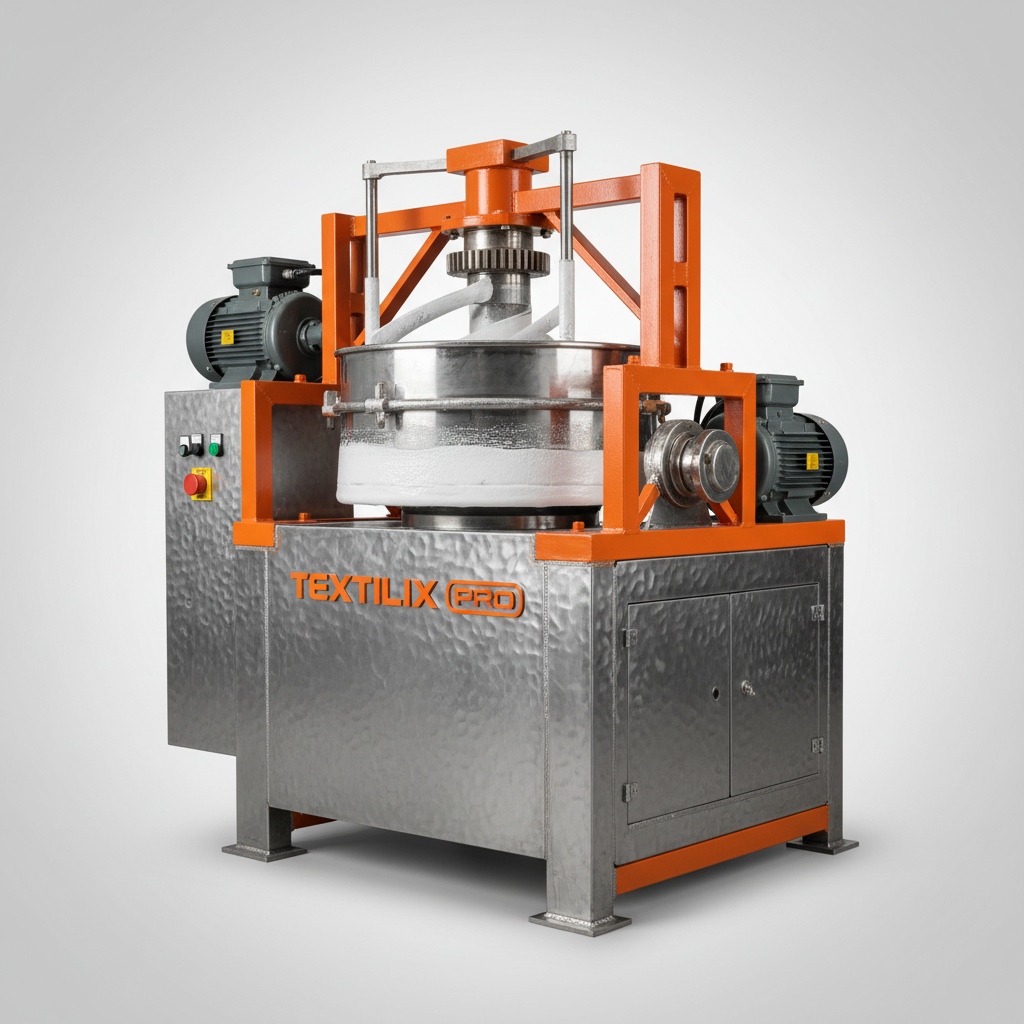
Reactive dyeing color represents a cornerstone of modern textile coloration, impacting industries globally from fashion and apparel to technical textiles and home furnishings. The demand for vibrant, durable, and eco-friendly colored fabrics drives continuous innovation in reactive dye chemistry and application techniques. Understanding the nuances of reactive dyeing color – its mechanisms, factors influencing its performance, and emerging trends – is crucial for manufacturers seeking to optimize production processes and meet evolving consumer expectations.
Globally, the textile dyeing and finishing market is a multi-billion dollar industry, with reactive dyes holding a significant share due to their versatility and ability to create brilliant hues on cellulosic fibers like cotton, linen, and viscose. The United Nations Sustainable Development Goals (SDGs) emphasize responsible production and consumption patterns, prompting increased scrutiny of the environmental impact of textile processes. Therefore, advancements in reactive dyeing color that minimize water usage, reduce effluent discharge, and improve dye fixation rates are increasingly vital.
Reactive dyeing color, at its core, involves the formation of a covalent bond between the dye molecule and the fiber, resulting in excellent wash fastness and color retention. This chemical reaction distinguishes reactive dyes from other dye classes, making them particularly suitable for applications requiring high durability, such as workwear, outdoor fabrics, and children's clothing. Mastering reactive dyeing color ensures a superior quality product and positions manufacturers favorably in a competitive market.
The Significance of Reactive Dyeing Color in Textile Manufacturing
Reactive dyeing color holds a pivotal role in the textile industry due to its superior performance characteristics. The chemical bond formed between the dye and the fiber ensures exceptional colorfastness, making it ideal for garments and textiles subjected to frequent washing or exposure to sunlight. This durability translates to longer-lasting products, reducing the need for frequent replacements and contributing to more sustainable consumption patterns. reactive dyeing color is a key component in achieving high-quality textile outcomes.
Moreover, reactive dyes offer a wide spectrum of achievable colors, allowing for intricate designs and vibrant shades. This versatility is particularly valued by fashion designers and textile manufacturers catering to diverse aesthetic preferences. The ability to precisely control color reproduction and consistency further enhances the appeal of reactive dyeing color for applications demanding exacting standards.
A Global Perspective on Reactive Dye Application
The application of reactive dyeing color is widespread across the globe, with key production hubs located in Asia, particularly China, India, and Bangladesh. These regions account for a significant portion of the world's textile manufacturing capacity, driving substantial demand for reactive dyes. However, growing awareness of environmental concerns is prompting increased adoption of sustainable dyeing practices, even in these traditionally high-volume production centers. The ISO 14001 environmental management standard is increasingly being adopted to demonstrate commitment to responsible manufacturing.
Europe and North America represent significant markets for textiles dyed with reactive dyes, with a strong emphasis on quality, sustainability, and compliance with stringent regulatory standards like REACH. These regions often serve as trendsetters, influencing global fashion and textile design. Brands operating in these markets are increasingly seeking suppliers who can demonstrate a commitment to eco-friendly dyeing processes and ethical sourcing practices.
The growing demand for sustainable textiles is creating opportunities for innovation in reactive dye chemistry and application technologies. Research and development efforts are focused on reducing water consumption, minimizing effluent discharge, and developing dyes with improved fixation rates. This shift toward sustainability is reshaping the landscape of the reactive dyeing color industry worldwide.
Defining Reactive Dyeing Color: Chemistry and Mechanism
Reactive dyeing color relies on a chemical reaction between the dye molecule and the hydroxyl groups of cellulosic fibers. The dye contains a reactive group – typically a triazine, vinyl sulfone, or dichlorotriazine moiety – that forms a covalent bond with the fiber during the dyeing process. This bond is stable and resistant to washing, light, and other environmental factors, ensuring excellent colorfastness. reactive dyeing color represents a significant improvement over traditional dyeing methods.
The dyeing process typically involves several stages: exhaustion (absorption of the dye onto the fiber), fixation (formation of the covalent bond), and washing (removal of unfixed dye and impurities). Optimizing each stage is crucial for achieving high dye uptake, good color yield, and minimal environmental impact. Factors influencing the reaction rate include pH, temperature, electrolyte concentration, and the presence of catalysts.
Different types of reactive dyes exhibit varying reactivity and application characteristics. Understanding the specific properties of each dye class is essential for selecting the appropriate dye for a given fiber and application. Proper dye selection and process control are key to maximizing the benefits of reactive dyeing color and achieving consistent, high-quality results.
Key Factors Influencing Reactive Dyeing Performance
Several critical factors impact the efficacy of reactive dyeing color, influencing both the shade achieved and the durability of the coloration. pH control is paramount, as the reaction rate is highly sensitive to acidity or alkalinity. Maintaining the optimal pH range, typically between 9 and 11, ensures efficient dye fixation and minimizes dye hydrolysis. Temperature also plays a significant role, with higher temperatures generally accelerating the reaction rate, but potentially leading to dye degradation.
The presence of electrolytes, such as sodium chloride or sodium sulfate, is essential for promoting dye exhaustion onto the fiber. However, excessive electrolyte concentrations can hinder dye fixation and increase effluent salinity. Careful control of electrolyte levels is therefore critical. Furthermore, the quality of water used in the dyeing process significantly impacts results; hard water containing high levels of calcium and magnesium ions can interfere with dye-fiber interaction.
Reactive Dyeing Color Performance Parameters
Global Applications and Diverse Use Cases
Reactive dyeing color finds extensive application in the apparel industry, particularly for cotton and viscose garments. From casual wear like t-shirts and jeans to more formal attire, the vibrant and durable colors achieved through reactive dyeing are highly sought after. The versatility of reactive dyes allows for a wide range of fashion trends and designs to be realized.
Beyond apparel, reactive dyes are crucial in the production of home textiles, including bedding, towels, and curtains. The colorfastness of reactive dyes ensures that these items maintain their vibrancy even after repeated washing and exposure to sunlight. In industrial applications, reactive dyes are used to color workwear, protective clothing, and technical textiles, where durability and performance are paramount.
Advantages and the Long-Term Value Proposition
The advantages of utilizing reactive dyeing color are multi-faceted. Firstly, the excellent wash fastness and lightfastness provide long-lasting color retention, reducing the need for frequent replacements and contributing to a more sustainable lifecycle for textile products. Secondly, reactive dyes offer a broad color palette, enabling creative design possibilities and satisfying diverse consumer preferences. Finally, advancements in dye chemistry are leading to more eco-friendly options with reduced environmental impact.
From a business perspective, investing in high-quality reactive dyes and optimized dyeing processes can enhance brand reputation, attract environmentally conscious consumers, and reduce production costs through improved dye utilization and reduced waste. These factors collectively contribute to a strong long-term value proposition for textile manufacturers.
Challenges and Innovative Solutions in Reactive Dyeing
Despite its benefits, reactive dyeing color faces certain challenges. A significant issue is the relatively high water consumption associated with the dyeing process and the generation of wastewater containing unfixed dye and auxiliaries. This effluent can pose environmental risks if not properly treated. Another challenge is dye hydrolysis, which reduces dye yield and contributes to effluent pollution.
Innovative solutions are being developed to address these challenges. These include the use of low liquor ratio dyeing machines, which significantly reduce water consumption. Enzyme-assisted dyeing techniques are also gaining traction, offering improved dye fixation and reduced effluent load. Furthermore, research is focused on developing novel reactive dyes with enhanced fixation properties and reduced environmental impact. reactive dyeing color innovation continues to push boundaries.
Membrane filtration technologies are employed to recover unfixed dye from wastewater, enabling its reuse and reducing environmental pollution. These advancements demonstrate a commitment to sustainable dyeing practices and a circular economy approach.
Summary of Key Challenges and Solutions in Reactive Dyeing
| Challenge |
Impact on Reactive Dyeing |
Proposed Solution |
Expected Outcome |
| High Water Consumption |
Increases operational costs and environmental footprint. |
Implementation of Low Liquor Ratio (LLR) machines. |
Reduced water usage and lower effluent volume. |
| Dye Hydrolysis |
Lowers dye yield and contributes to wastewater pollution. |
Optimized pH control and dye selection. |
Improved dye fixation and reduced waste. |
| Effluent Discharge |
Environmental pollution and regulatory concerns. |
Wastewater treatment using membrane filtration. |
Removal of dyes and pollutants from effluent. |
| Dye Fixation Rates |
Affects colorfastness and overall quality of dyeing. |
Enzyme-assisted dyeing processes. |
Enhanced dye fixation and improved color performance. |
| Energy Consumption |
High energy use during heating and processing. |
Implementation of energy-efficient technologies. |
Reduced energy costs and a smaller carbon footprint. |
| Regulatory Compliance |
Strict regulations regarding dye usage and effluent discharge. |
Use of eco-friendly and compliant reactive dyes. |
Ensured compliance and sustainable production practices. |
FAQS
Reactive dyeing color stands out due to the formation of a covalent bond between the dye molecule and the fiber, resulting in exceptional wash fastness and color retention. Unlike other methods like direct or disperse dyeing, reactive dyes chemically integrate with the fabric, making the color incredibly durable and resistant to fading. This is particularly crucial for textiles that undergo frequent washing or exposure to harsh conditions.
Minimizing water consumption requires a multi-pronged approach. Implementing Low Liquor Ratio (LLR) dyeing machines is a highly effective strategy, reducing the water-to-fabric ratio significantly. Optimizing the dyeing cycle, utilizing countercurrent rinsing systems, and employing efficient water recovery and reuse techniques also contribute to substantial water savings. Careful control of dye concentration and auxiliaries can further minimize water usage.
Reactive dyeing can generate wastewater containing unfixed dye, auxiliaries, and salts, potentially impacting aquatic ecosystems. Mitigation strategies include implementing effective wastewater treatment plants, utilizing membrane filtration to recover dye, employing enzyme-assisted dyeing to improve dye fixation, and switching to eco-friendly dye formulations. Proper effluent management and responsible chemical handling are crucial for minimizing the environmental footprint.
Different reactive dye types vary in their reactivity and application characteristics. Vinyl sulfone dyes generally offer higher fixation rates and broader shade ranges, but can be more sensitive to pH. Triazine dyes are more stable but may require higher temperatures for optimal fixation. Dichlorotriazine dyes are commonly used but can be prone to hydrolysis. Selecting the appropriate dye type based on the fiber type, desired shade, and process conditions is crucial for achieving optimal dyeing performance.
Electrolytes, like sodium chloride or sodium sulfate, promote dye exhaustion onto the fiber by reducing the electrostatic repulsion between the dye and the fiber. However, excessive electrolyte concentrations can hinder dye fixation and increase effluent salinity. Maintaining the optimal electrolyte level, typically determined through experimentation and process control, is essential for achieving efficient dyeing and minimizing environmental impact. Alternatives to traditional salts, like sodium formate, are also being explored.
Consistent color reproducibility requires meticulous process control. Factors such as pH, temperature, dye concentration, liquor ratio, and dyeing time must be precisely maintained. Regularly calibrating dyeing equipment, using standardized dye recipes, and employing color measurement instruments to monitor shade variations are essential. Furthermore, ensuring consistent water quality and fiber preparation can also contribute to improved reproducibility.
Conclusion
Reactive dyeing color remains a vital technology in the textile industry, delivering vibrant, durable, and versatile coloration solutions. Understanding the intricate chemical processes, key influencing factors, and emerging innovations is crucial for optimizing performance, minimizing environmental impact, and achieving long-term sustainability. The continuous evolution of dye chemistry and application techniques promises even more efficient and eco-friendly dyeing solutions in the future.
As the demand for sustainable textiles continues to grow, investing in research and development, adopting innovative technologies, and embracing responsible manufacturing practices will be paramount. By prioritizing both quality and environmental stewardship, the textile industry can unlock the full potential of reactive dyeing color and create a more sustainable future for fashion and beyond. Visit our website at www.pezetech.com to learn more about our solutions.