Reactive dyeing is a cornerstone of the modern textile industry, providing vibrant, durable color to everything from our everyday clothing to specialized industrial fabrics. It’s not just about aesthetics; the ability to efficiently and reliably dye materials impacts global supply chains, production costs, and increasingly, environmental sustainability. Understanding the nuances of dyeing with reactive dyes is crucial for anyone involved in textile manufacturing, product design, or even supply chain management. It’s a process that’s evolved significantly, and continues to adapt to the demands of a changing world.
The global textile industry is a massive undertaking, contributing significantly to economies worldwide. According to the UN Comtrade database, textiles accounted for over $270 billion in global exports in 2022. Reactive dyes specifically hold a substantial share of that market, favored for their versatility and effectiveness on cellulosic fibers like cotton, linen, and rayon. However, this industry faces increasing scrutiny regarding its environmental footprint. Traditional dyeing processes consume vast amounts of water and generate significant wastewater. Efficient and responsible dyeing with reactive dyes is becoming increasingly vital, driven not only by consumer demand but also by stringent regulations and the need for sustainable practices.
Simply put, dyeing with reactive dyes involves forming a covalent bond between the dye molecule and the fiber, creating a permanent color. Unlike other dyeing methods, reactive dyes don’t just coat the fabric; they become part of it. This translates to excellent wash fastness and color retention. This process isn’t just relevant to fashion; it's crucial in applications requiring high-performance textiles, like medical fabrics, protective clothing, and industrial materials where color integrity is paramount. It’s a fascinating bit of chemistry that underpins a huge part of the world around us.
The Importance of Reactive Dyeing
Reactive dyeing isn’t just about making things pretty; it’s fundamental to the functionality and lifespan of many textile products. The strong chemical bond formed during the process ensures that colors remain vibrant and don’t bleed or fade with washing, a critical feature for everything from apparel to performance fabrics. We’re talking about durability that impacts the entire lifecycle of a product.
The selection of dyes and the dyeing process itself heavily influence the environmental impact of textile production. Reactive dyeing, when optimized, can minimize water usage and reduce the amount of effluent released into the environment. This is becoming increasingly important as brands and consumers demand more sustainable and ethically produced textiles.
Global Context and Industry Relevance
The textile industry is a global behemoth, with production concentrated in regions like China, India, Bangladesh, and Vietnam. These countries are major hubs for dyeing with reactive dyes, catering to both domestic and international demand. The sheer scale of production means even small improvements in efficiency and sustainability can have a massive cumulative impact.
Demand for textiles is constantly evolving, driven by population growth, changing fashion trends, and increasing consumer purchasing power. This demand places significant pressure on the industry to innovate and adopt more sustainable practices. The use of reactive dyes is often prioritized due to their ability to deliver bright, long-lasting colors on commonly used fabrics, making them a practical choice for large-scale production.
Increasingly, international regulations like REACH (Registration, Evaluation, Authorisation and Restriction of Chemicals) are impacting dye selection and manufacturing processes. These regulations require companies to demonstrate the safety of their chemicals and minimize their environmental impact, pushing the industry towards cleaner and more responsible dyeing with reactive dyes techniques.
Understanding Reactive Dyeing
At its core, reactive dyeing is a chemical reaction. The dye molecule contains a reactive group that forms a covalent bond with the hydroxyl groups in cellulose fibers, like cotton. This creates a permanent bond, meaning the dye becomes an integral part of the fabric rather than just sitting on the surface. It's a bit like gluing something into the material, rather than just onto it.
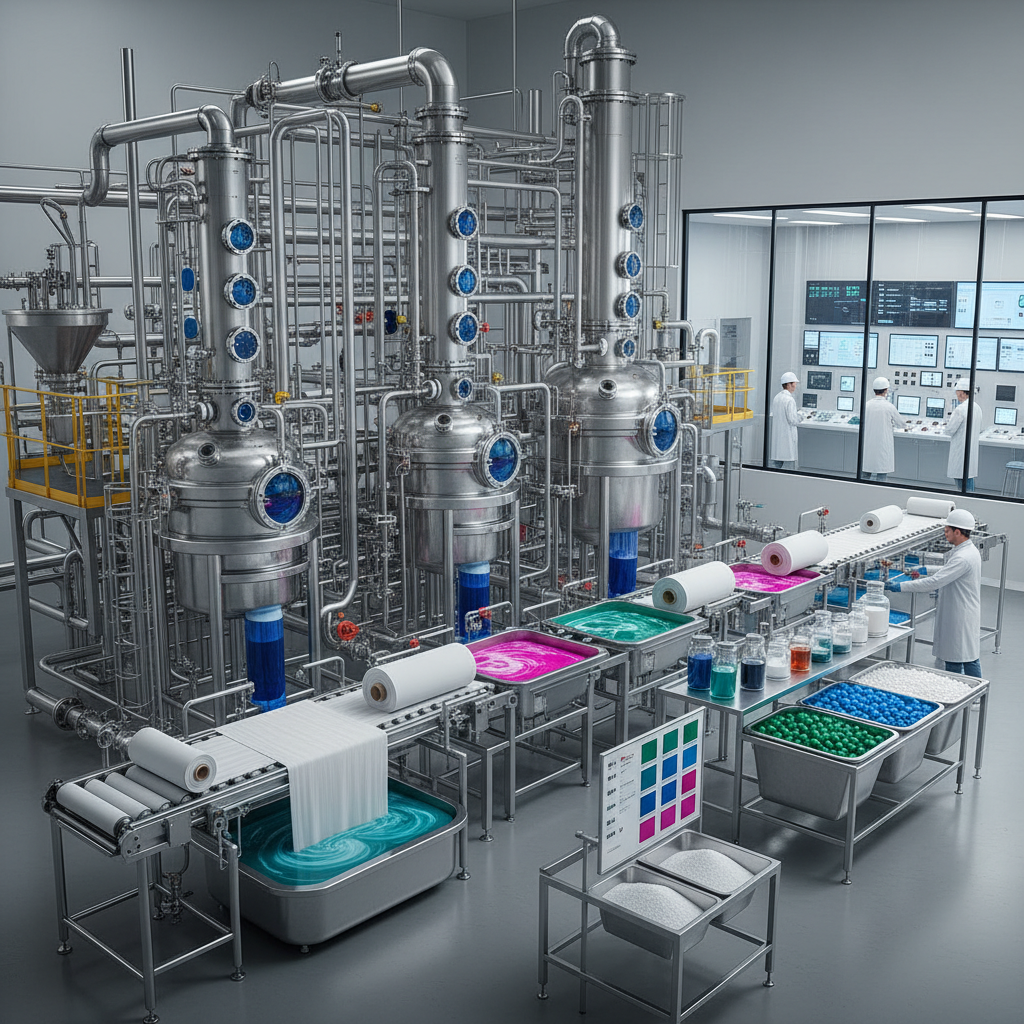
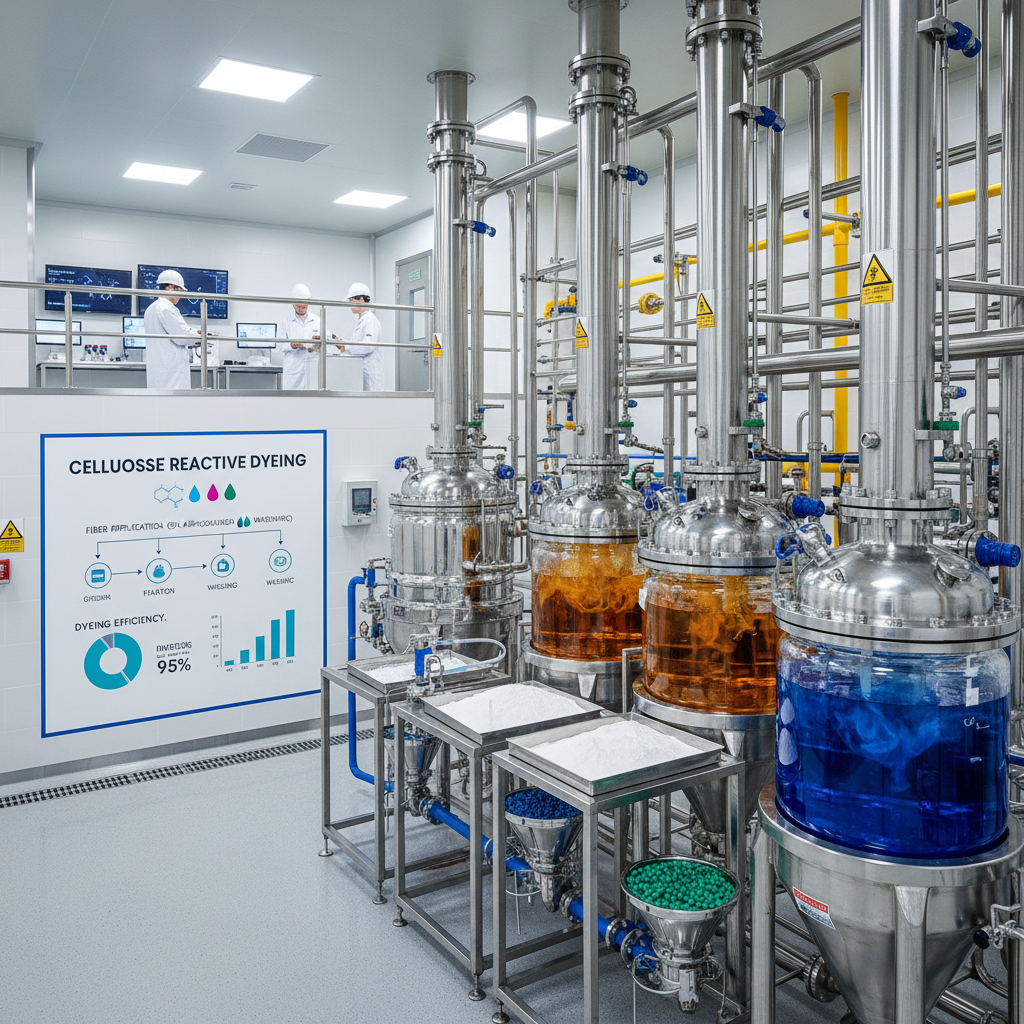
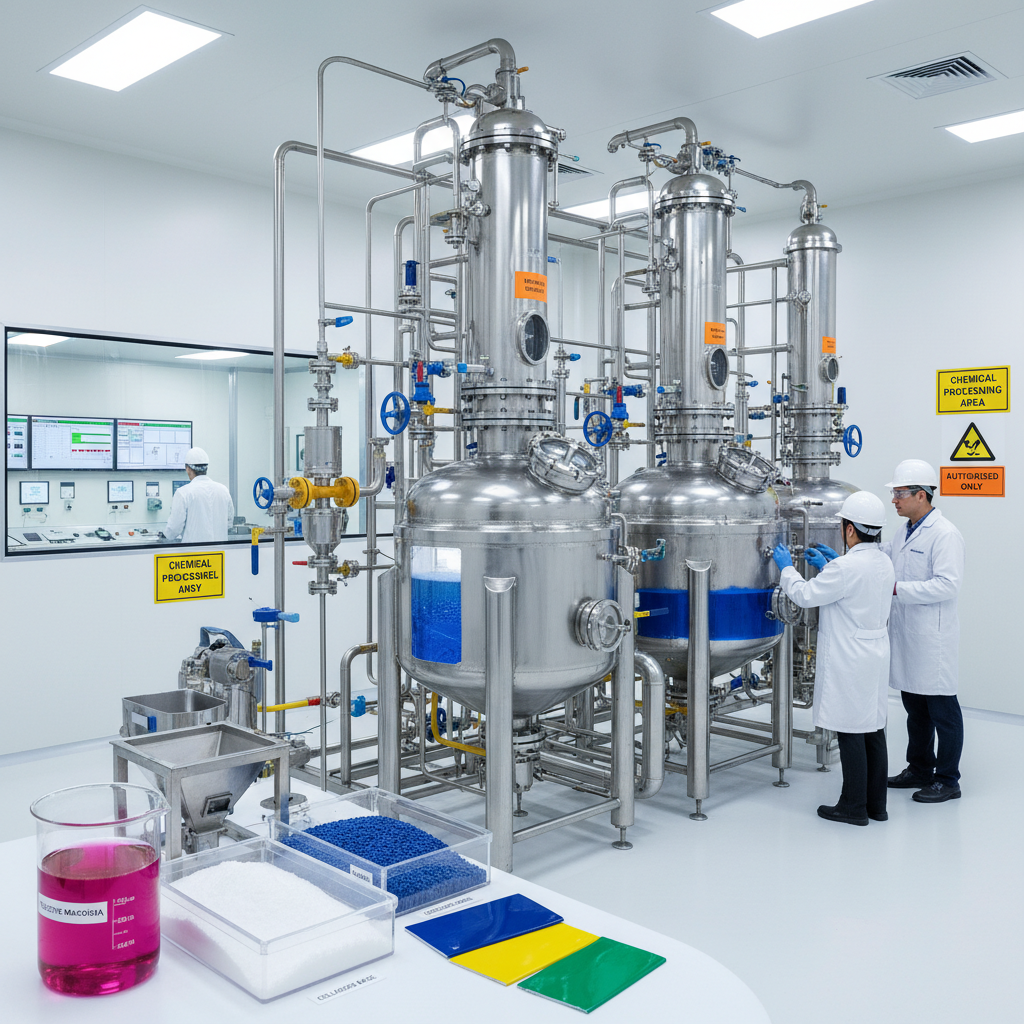
The process typically involves several steps: fiber preparation (scouring and bleaching), dye dissolution, dyeing (where the fiber is immersed in the dye bath), and finishing (washing, drying, and any desired treatments). Each step requires careful control of temperature, pH, and dye concentration to ensure optimal results and minimize waste. It's not a simple dunk-and-done process.
Different reactive dye types exist, each with varying reactivity and application properties. The choice of dye depends on factors like the desired color, the type of fabric, and the specific requirements of the application. Understanding these nuances is key to achieving consistent and high-quality results.
Key Characteristics of Reactive Dyes
One of the defining features of reactive dyes is their excellent wash fastness. Because the dye forms a covalent bond with the fiber, it doesn’t easily wash out, even with repeated laundering. This is a huge benefit for consumers and ensures the longevity of the dyed product.
Reactive dyes offer a wide range of vibrant colors, making them suitable for a diverse range of applications. They are particularly well-suited for producing bright, bold shades on cellulosic fibers, which are commonly used in clothing, home textiles, and industrial applications.
Comparison of Reactive Dye Characteristics
Applications Across Industries
The applications of dyeing with reactive dyes are incredibly diverse. You see it in apparel – everything from t-shirts to jeans. But it goes way beyond fashion. We’re talking about medical textiles requiring sterilization, industrial fabrics for filtration, and even specialized materials for automotive interiors.
In the home textiles sector, reactive dyes are used to color bed linens, towels, and upholstery fabrics, providing vibrant and long-lasting color that can withstand frequent washing. And in the technical textiles arena, they play a crucial role in creating durable and high-performance materials for various applications.
Advantages and Long-Term Value
Cost-effectiveness is a major advantage of dyeing with reactive dyes, particularly when considering the long-term value. While the initial investment in dyes and processing may be comparable to other methods, the superior wash fastness and color retention translate to a longer product lifespan, reducing the need for frequent replacements.
From a sustainability perspective, advancements in reactive dye technology are focused on minimizing water usage and reducing the generation of harmful byproducts. This aligns with the growing demand for eco-friendly products and responsible manufacturing practices. It's about building a better, more sustainable industry.
The reliability and consistency of reactive dyeing processes contribute to a higher level of customer satisfaction. Brands can confidently deliver products that meet quality standards and maintain their appearance over time, fostering trust and loyalty.
Future Trends and Innovations
We’re seeing a lot of innovation in dye chemistry, with a focus on developing dyes with higher fixation rates – meaning less dye is wasted in the process. This reduces both environmental impact and production costs. Digital printing technologies are also becoming increasingly sophisticated, allowing for more precise dye application and reduced water consumption.
Automation and process control are key areas of development. Implementing automated dyeing systems can improve efficiency, reduce errors, and optimize resource utilization. This is especially important in large-scale production facilities.
The industry is also exploring the use of bio-based dyes and more sustainable auxiliaries (chemicals used in the dyeing process) to further reduce its environmental footprint. It's a continuous journey towards a greener and more responsible future for dyeing with reactive dyes.
Summary of Challenges and Potential Solutions in Reactive Dyeing
| Challenge |
Impact on Efficiency |
Potential Solution |
Implementation Cost (1-10) |
| High Water Consumption |
Reduced resource availability, increased wastewater |
Optimized dyeing cycles, water recycling systems |
6 |
| Dye Wastage |
Increased production costs, environmental pollution |
Improved dye fixation techniques, precision application methods |
7 |
| Effluent Treatment |
High costs, complex processes, environmental regulations |
Advanced wastewater treatment technologies, biological treatment |
8 |
| Color Consistency |
Product defects, customer dissatisfaction |
Automated process control, real-time monitoring systems |
5 |
| Energy Consumption |
Increased operational costs, carbon footprint |
Energy-efficient equipment, renewable energy sources |
4 |
| Chemical Handling & Safety |
Worker health risks, potential accidents |
Improved ventilation, personal protective equipment, safety training |
3 |
FAQS
Reactive dyeing can generate significant wastewater containing unfixed dye, salts, and other chemicals. This effluent can pollute waterways and harm aquatic life. However, advancements in dye chemistry and wastewater treatment technologies are helping to mitigate these concerns. Proper effluent treatment and the use of dyes with higher fixation rates are crucial for minimizing environmental impact.
Reactive dyes work best on cellulosic fibers like cotton, linen, and rayon due to the presence of hydroxyl groups that facilitate bonding. Different fibers require varying dyeing conditions (temperature, pH, dye concentration) to achieve optimal results. Synthetic fibers generally require different dye types.
Dye fixation refers to the percentage of dye that chemically bonds with the fiber during the dyeing process. Higher fixation rates mean less dye is wasted in the effluent, reducing both environmental impact and production costs. It’s a key metric for evaluating dyeing efficiency.
Uneven dyeing, poor color fastness, and dye migration are common issues. These can be caused by factors such as inadequate fiber preparation, incorrect dye concentrations, or improper process control. Careful monitoring and optimization of dyeing parameters are essential for preventing these problems.
Consider using dyes with high fixation rates, implementing water recycling systems, optimizing dyeing cycles to reduce water and energy consumption, and investing in advanced wastewater treatment technologies. Switching to bio-based dyes and auxiliaries is another step towards greater sustainability.
pH is critical for controlling the reactivity of the dye and ensuring proper dye-fiber bonding. Different reactive dyes require specific pH ranges for optimal performance. Maintaining the correct pH throughout the dyeing process is essential for achieving vibrant, colorfast results.
Conclusion
Dyeing with reactive dyes remains a vital process in the textile industry, offering a powerful combination of vibrant color, durability, and versatility. However, its sustainability hinges on ongoing innovation and responsible manufacturing practices. By embracing new technologies, optimizing processes, and prioritizing environmental stewardship, we can unlock the full potential of reactive dyes while minimizing their impact on the planet.
Looking ahead, the future of reactive dyeing lies in the development of even more sustainable dyes, automated process control systems, and closed-loop water recycling technologies. Continued investment in research and development, coupled with a commitment to collaboration across the supply chain, will be essential for driving progress and ensuring a vibrant and responsible future for the textile industry.