
Blog
-
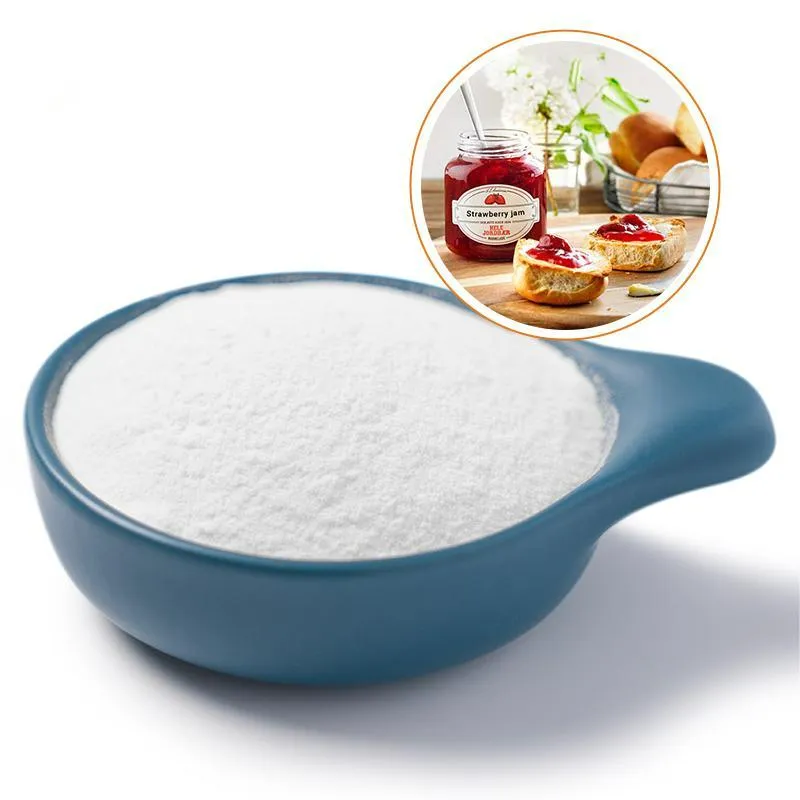 In the modern industrial landscape, few additives are as ubiquitous yet invisible as Sodium CarRead more
 -
In the modern industrial landscape, few additives are as ubiquitous yet invisible as Sodium CarRead more
-
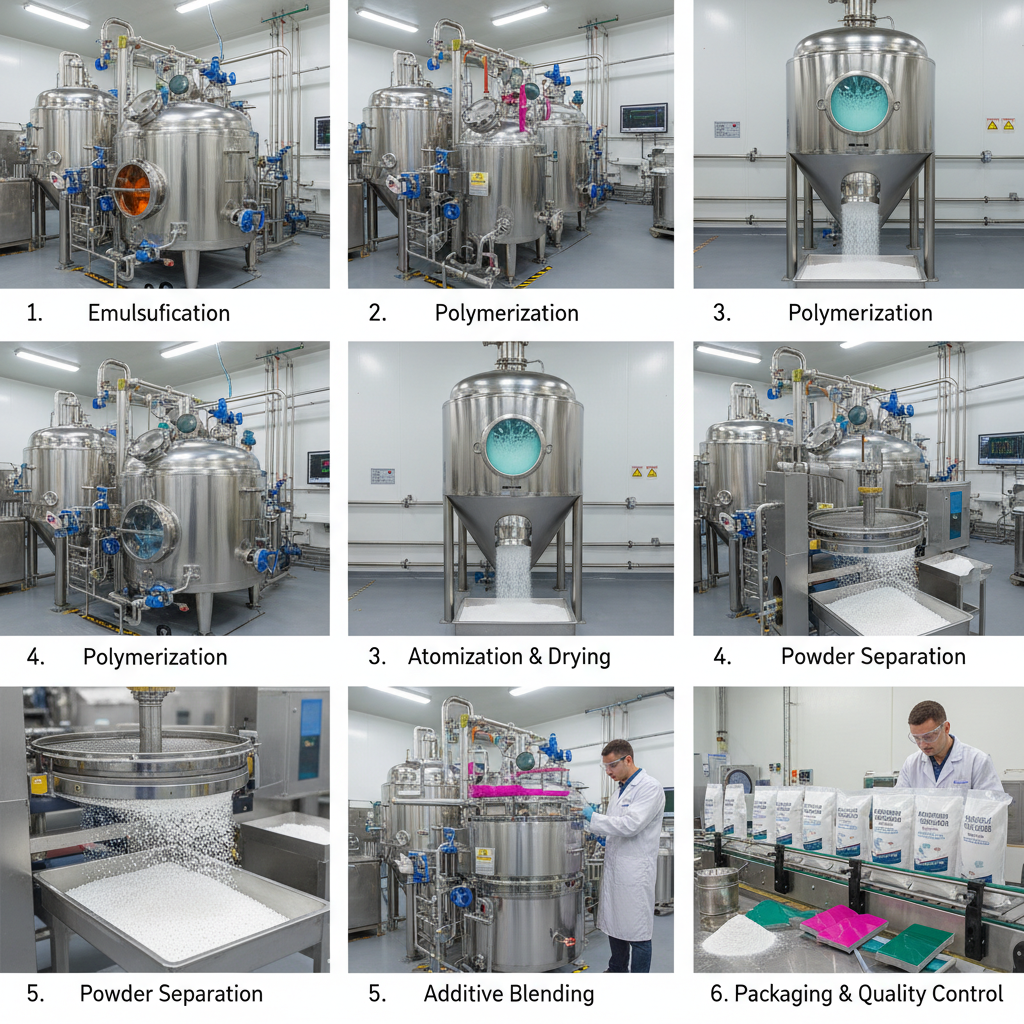 Redispersible polymer powder (RDP) is a crucial additive in dry-mix mortars, tile adhesives, and other construction materials. Understanding the redispersible polymer powder manufacturing process is key to ensuring quality and performance. This article will delve into the intricacies of RDP production, from raw materials to finished product, exploring the key steps and factors influencing its characteristics. We’ll cover the process in detail, outlining each stage and highlighting the critical control parameters.Read more
 -
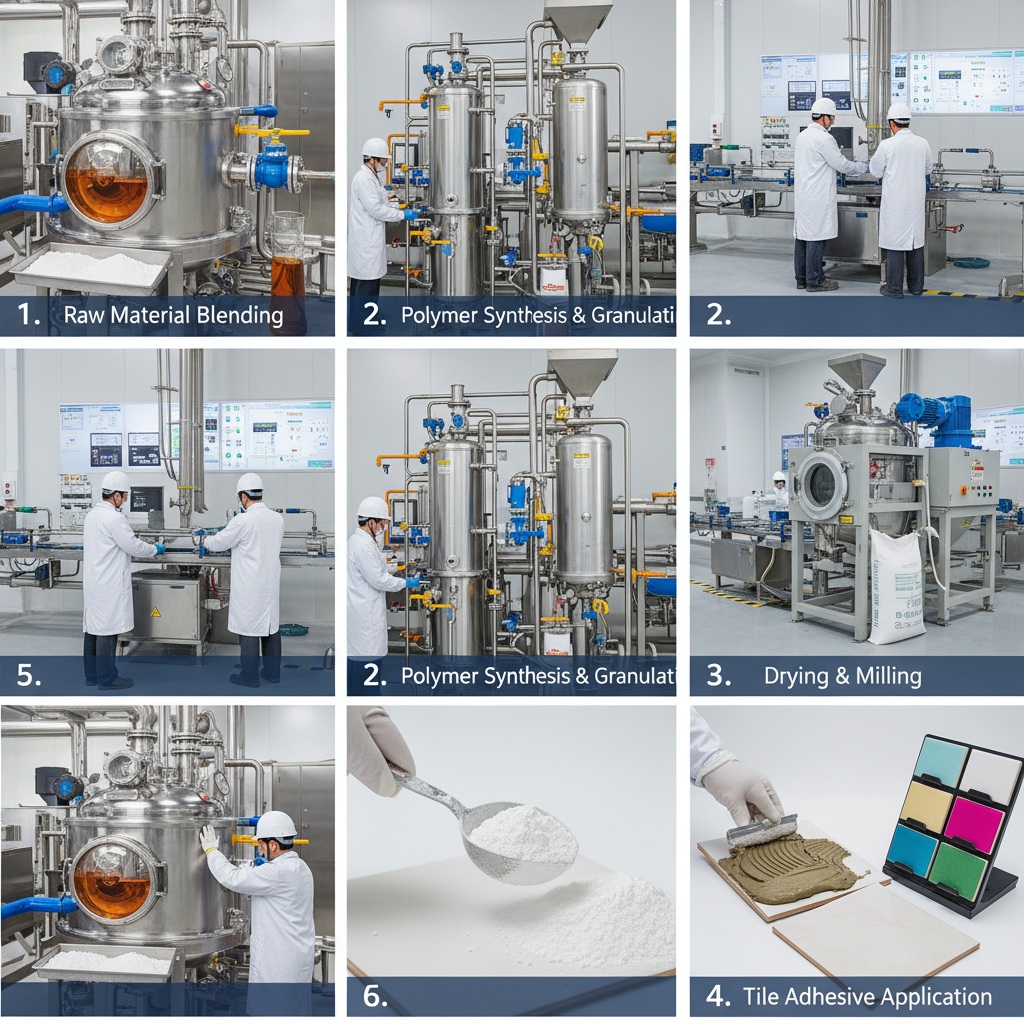 Choosing the right redispersible polymer powder (RDP) is crucial for achieving high-performance tile adhesives. This article provides an in-depth look at redispersible polymer powder for tile adhesive, its benefits, applications, and how to select the best product for your needs. We’ll explore the science behind RDP and how it enhances the properties of tile adhesives, ultimately contributing to long-lasting and reliable tile installations. Pezetech offers a range of high-quality RDP solutions tailored for diverse tile adhesive formulations. Redispersible polymer powder (RDP) is a key additive in modern tile adhesives. It’s a modified vinyl acetate-ethylene (VAE) emulsion that has been spray-dried into a powder form. This powder, when mixed with water, readily redisperses to form a stable emulsion, effectively enhancing the adhesive's performance characteristics. The benefits of adding RDP to tile adhesives include improved adhesion, flexibility, workability, and water resistance.Read more
 -
 Redispersible polymer powder (RPP) is a crucial ingredient in numerous construction materials, enhancing properties like adhesion, flexibility, and workability. Choosing the right redispersible polymer powder type is vital for optimal performance. This article provides a comprehensive overview of various RPP types, their applications, and key considerations for selection. Understanding these variations is essential for professionals in the construction and adhesive industries. We will explore how different polymers cater to specific needs and performance requirements. Redispersible polymer powders are spray-dried emulsions of polymers, typically acrylics, vinyl acetates, or styrene-butadiene rubber (SBR). They appear as free-flowing powders that can be easily added to dry-mix formulations. When water is introduced, the powder quickly redisperses, forming a stable emulsion. This emulsion then contributes to the binding, adhesion, and other crucial properties of the final product.Read more
 -
 Redispersible Polymer Powder (RDP) is a crucial additive in the construction industry, significantly enhancing the properties of cement-based materials. Its versatility extends to various applications, improving workability, adhesion, and durability. This article will explore the diverse RDP powder uses, outlining its benefits and application techniques. Understanding RDP’s functionalities is key to unlocking superior performance in construction projects. We'll delve into how this powder impacts various formulations and why it's becoming a staple in modern building practices. RDP is a water-soluble, re-emulsifiable powder that improves the adhesion, flexibility, and workability of cement-based mixtures. It’s produced through spray drying a polymer emulsion, resulting in a fine powder that easily disperses in water upon mixing. Unlike latex, RDP is a powder, offering easier handling, longer shelf life, and reduced shipping costs.Read more
 -
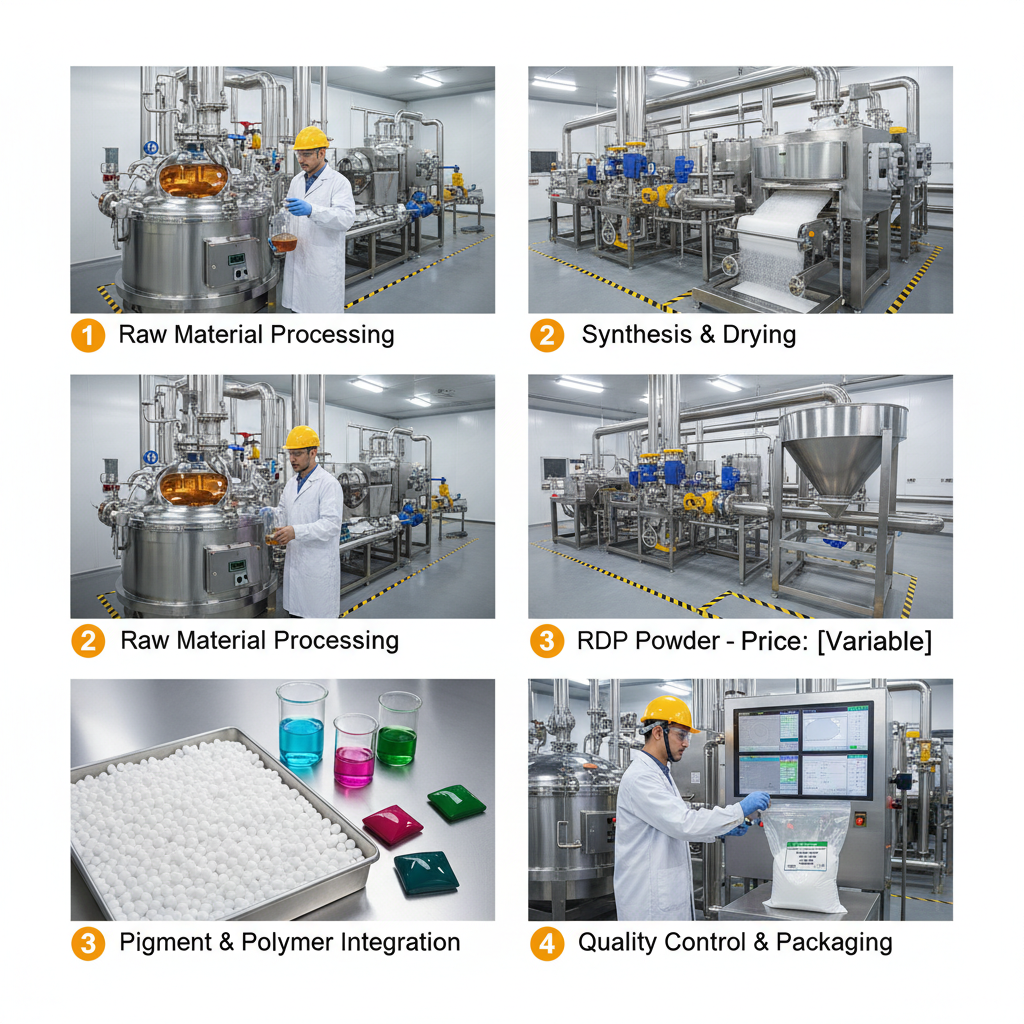 Redispersible polymer powder (RDP) is a vital ingredient in the construction industry, widely used to enhance the performance of cement-based products like tile adhesives, renders, and repair mortars. The rdp powder price is influenced by a variety of factors, from raw material costs to global demand and manufacturing processes. This article provides a comprehensive overview of the factors affecting RDP powder pricing, current market trends, and what buyers need to consider. We’ll also delve into the different grades of RDP and their corresponding price points. Understanding these dynamics can help you make informed purchasing decisions. Several key factors contribute to the fluctuating price of RDP powder. The primary driver is the cost of raw materials, particularly vinyl acetate monomer (VAM), which is a petroleum-derived product. Changes in crude oil prices directly impact VAM costs, subsequently affecting RDP prices. Additionally, manufacturing costs, including energy consumption and labor, play a significant role. Supply and demand dynamics are also crucial; increased construction activity, especially in developing economies, often leads to higher demand and price increases.Read more
 -
 Navigating the world of polymer powder can be complex, especially when considering price fluctuations and varying quality. This article provides a detailed overview of factors influencing polymer powder price, common types, and how to ensure you're getting the best value. We will explore the different grades available, typical applications, and what to look for when sourcing materials. Understanding these key elements will empower you to make informed purchasing decisions. Several key factors contribute to the polymer powder price. Raw material costs, particularly the price of monomers, are a primary driver. Global supply chain disruptions, geopolitical events, and crude oil prices all impact monomer availability and cost. Manufacturing processes also play a role – more complex production techniques generally lead to higher prices. The grade and purity of the polymer powder significantly impact cost; higher purity and specialized formulations command a premium.Read more
 -
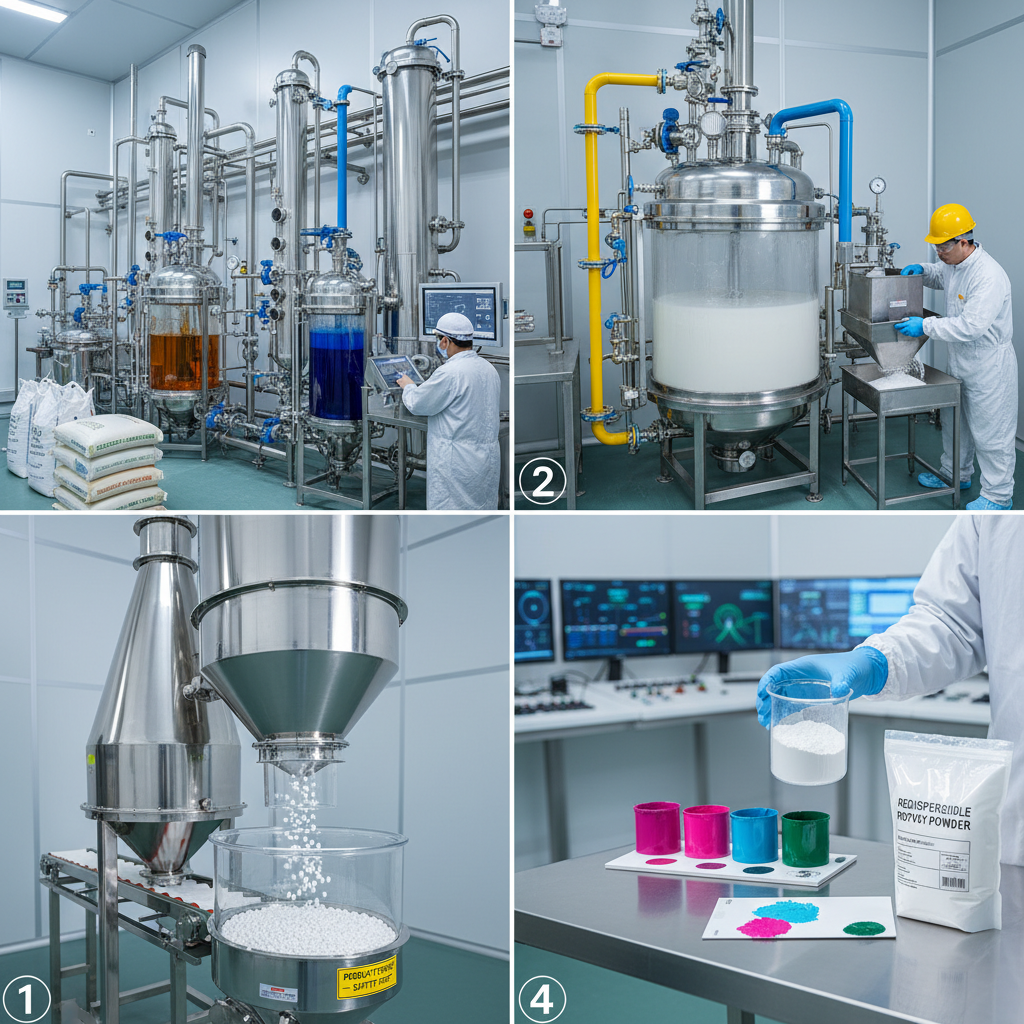 Redispersible polymer powder (RDP) is a vital ingredient in various construction materials, enhancing their performance and durability. Choosing a reliable redispersible polymer powder manufacturer is critical for ensuring the quality of your end products. This article delves into the world of RDP, exploring its applications, key considerations when selecting a manufacturer, and the advantages of partnering with a trusted supplier like Pezetech. We will cover the types, benefits, and critical factors to consider when sourcing this essential material for your construction needs. RDP is a modified vinyl acetate-ethylene copolymer, produced through spray drying. It appears as a white, free-flowing powder. When mixed with water, it redisperses to form a stable emulsion, providing enhanced adhesion, flexibility, and workability to cement-based systems. It's commonly used in tile adhesives, cement mortars, self-leveling compounds, exterior insulation finishing systems (EIFS), and repair mortars. Its ability to improve these properties makes it indispensable in modern construction practices.Read more
 -
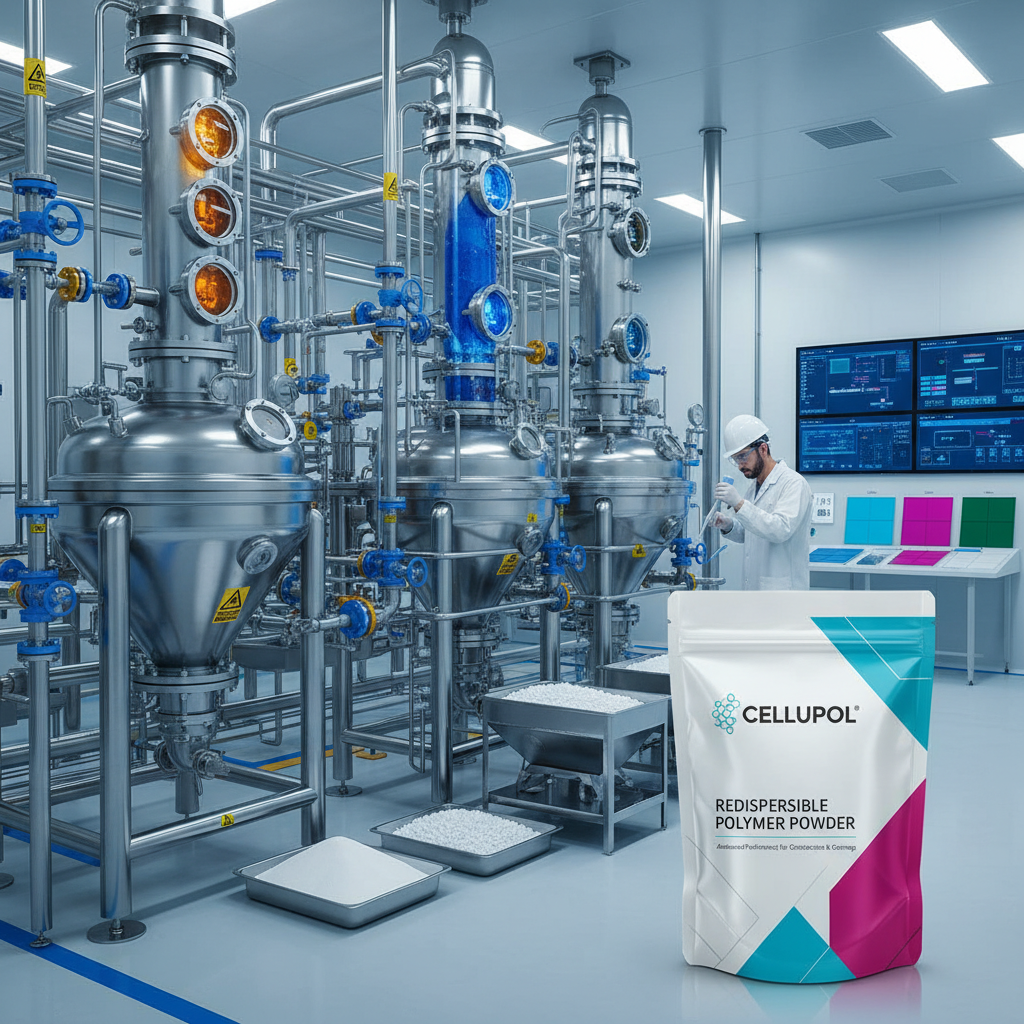 Redispersible polymer powder (RDP) is a vital ingredient in numerous construction and industrial applications. Its ability to enhance the performance of cement-based materials makes it a cornerstone of modern building practices. This article delves into the properties, benefits, applications, and key considerations when selecting redispersible polymer powder, providing a thorough understanding for professionals and those seeking to improve their formulations. Understanding the nuances of RDP is crucial for optimizing material strength, adhesion, and overall durability. Redispersible polymer powder is a spray-dried powder produced through the polymerization of vinyl acetate and other monomers. It's designed to be redispersed in water, forming a stable emulsion with excellent film-forming properties. This emulsion then acts as a binder, improving the adhesion, flexibility, and workability of cementitious materials.Read more
 -
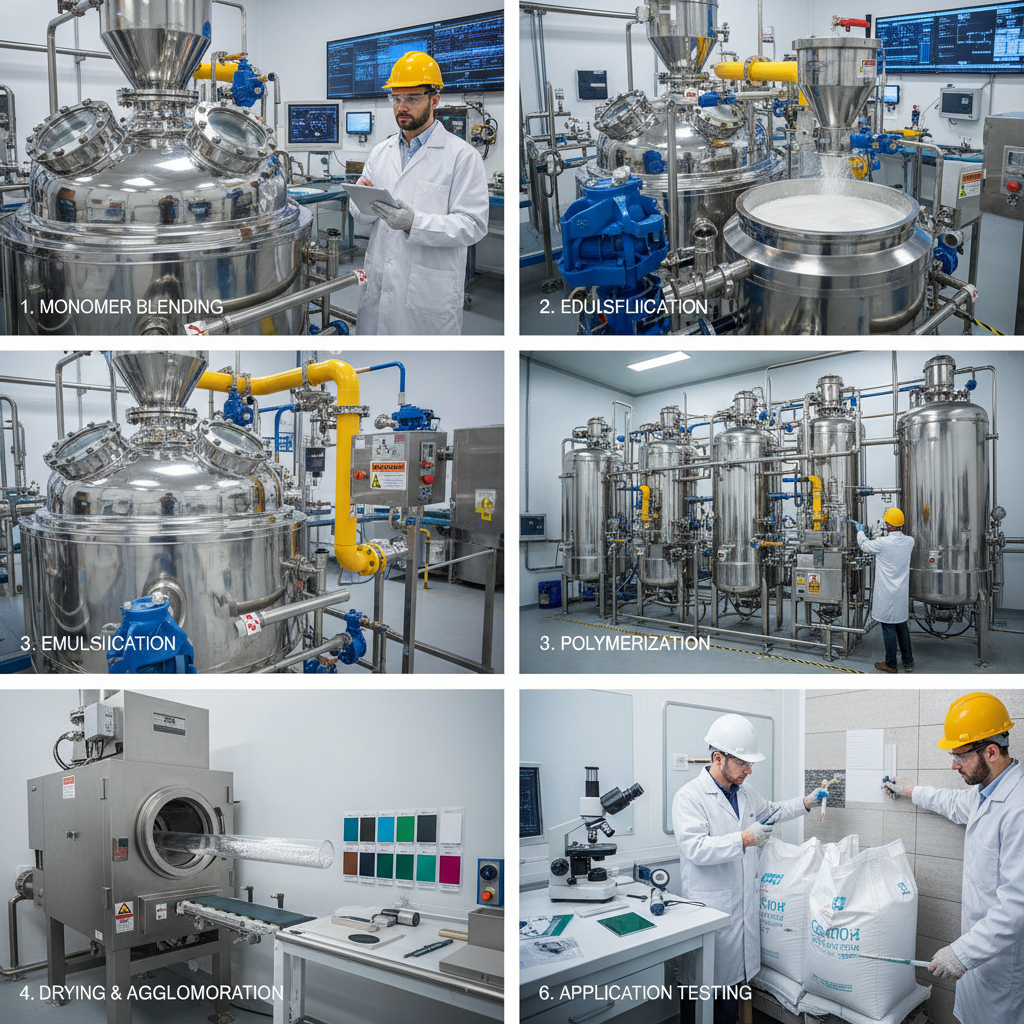 Redispersible polymer powders (RDP) are crucial additives in the construction industry, enhancing the performance and workability of cementitious materials. These powders, when added to dry-mix mortars, improve adhesion, flexibility, and water retention. Understanding the properties and applications of redispersible polymer powders is vital for professionals seeking high-quality construction materials. This article provides an in-depth look at RDPs, their benefits, and how they contribute to superior construction outcomes. Redispersible polymer powders are produced by spray-drying polymer emulsions. This process transforms a liquid emulsion into a free-flowing powder, which can be easily mixed with dry-mix mortars. Upon the addition of water, the powder readily redisperses, reforming the original polymer emulsion. This characteristic is the key to their functionality. The polymers commonly used include vinyl acetate ethylene (VAE), vinyl acetate-vinyl versatate (VAc-VV), and styrene-butadiene rubber (SBR). Each polymer type offers unique properties, influencing the final performance of the mortar.Read more
 -
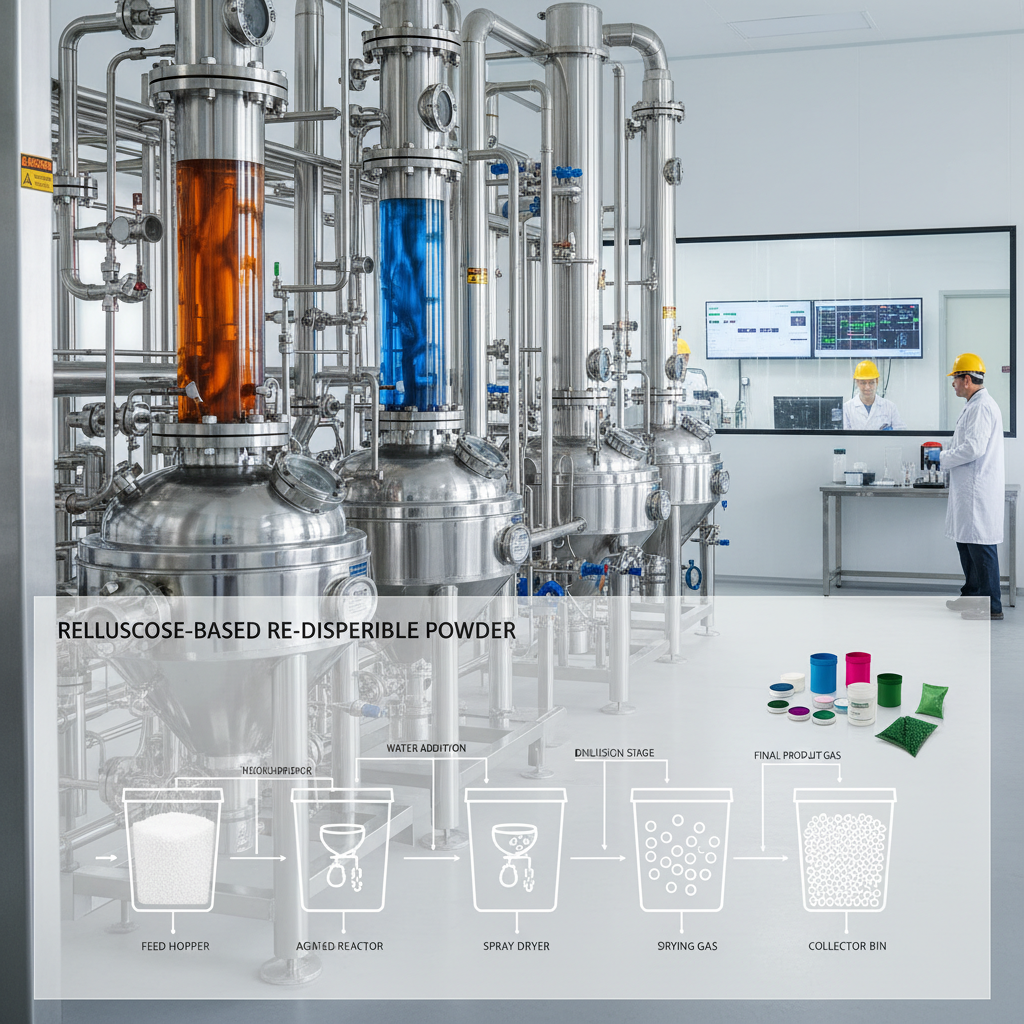 Redispersible polymer powder (RDP) is a vital ingredient in numerous construction applications, offering enhanced performance and durability. This article provides a detailed overview of RDP, its applications, benefits, and considerations for optimal use. Whether you're a formulator, contractor, or simply seeking to understand this versatile material, this guide will provide valuable insights. Pezetech specializes in high-quality RDP solutions tailored to meet diverse industry needs. Redispersible polymer powder is a free-flowing powder produced by spray-drying a polymer emulsion. It’s essentially a dry form of a polymer latex. When mixed with water, it readily redisperses to form a stable emulsion, exhibiting similar properties to the original latex. This characteristic makes it ideal for dry-mix construction materials. The polymer used in RDP commonly includes vinyl acetate, acrylics, or vinyl acetate-ethylene (VAE) copolymers, each offering specific performance advantages.Read more