
Advanced Textile Paste Solutions for Colombia's Industrial Textile Sector

Optimizing precision dyeing and chemical stability for high-performance textile manufacturing across the Colombian Andean and Caribbean regions.

Advanced Textile Paste Solutions for Colombia's Industrial Textile Sector

Providing high-purity chemical additives and thickening agents specifically engineered to meet the rigorous demands of the Colombian textile and chemical manufacturing landscape.

Chemical Manufacturing Landscape in Colombia

Analyzing the intersection of geography and specialty chemical demand.

Colombia's specialty chemical sector, particularly in hubs like Medellín and Bogotá, faces unique challenges due to varying altitudes and humidity levels. The demand for high-stability cellulose ether has surged as manufacturers seek to maintain consistent viscosity in their formulations despite the tropical climate of the coastal regions.

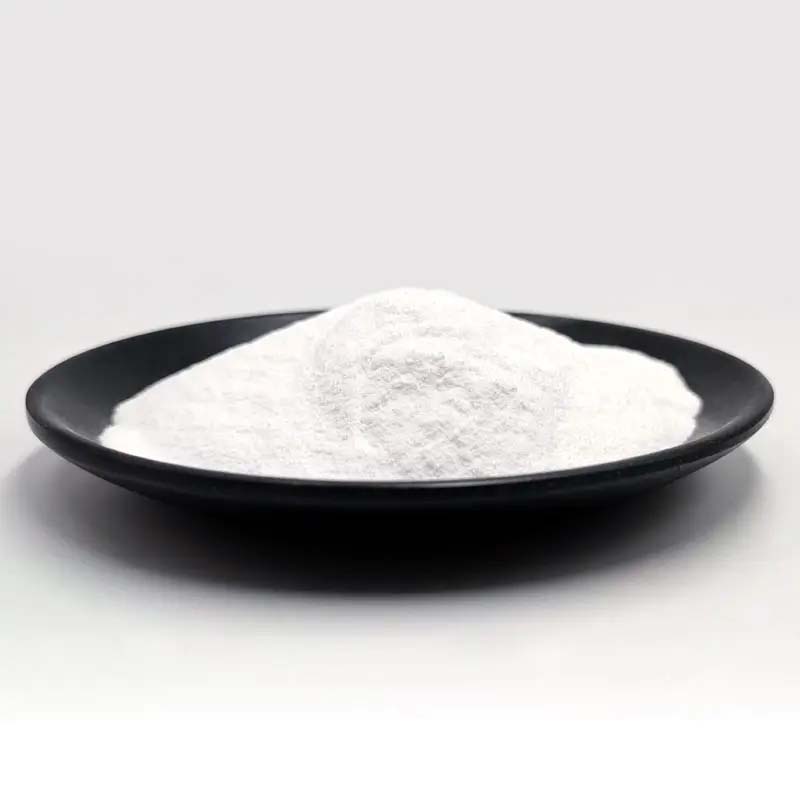
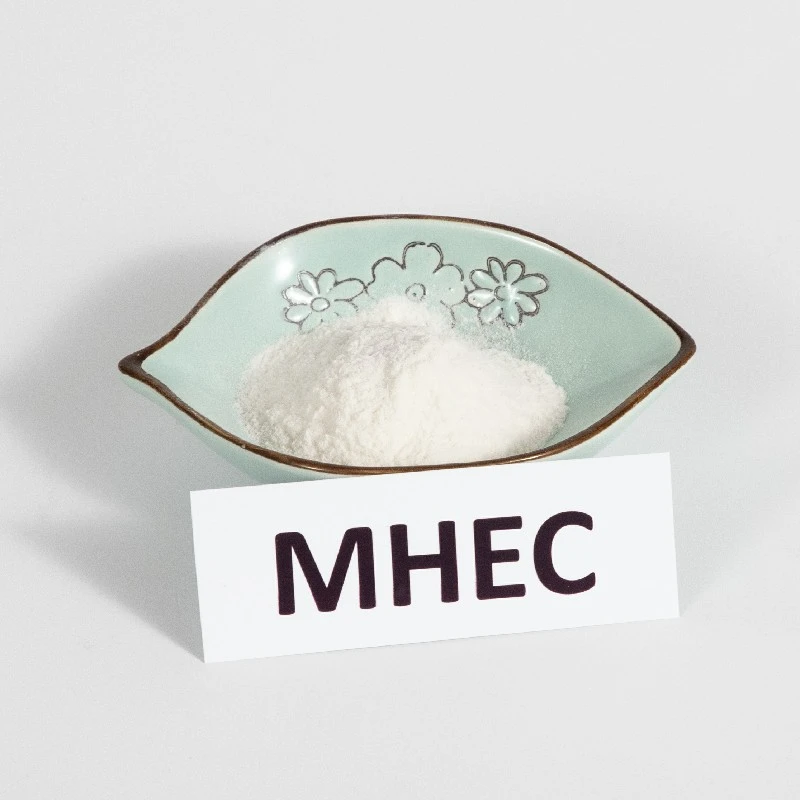
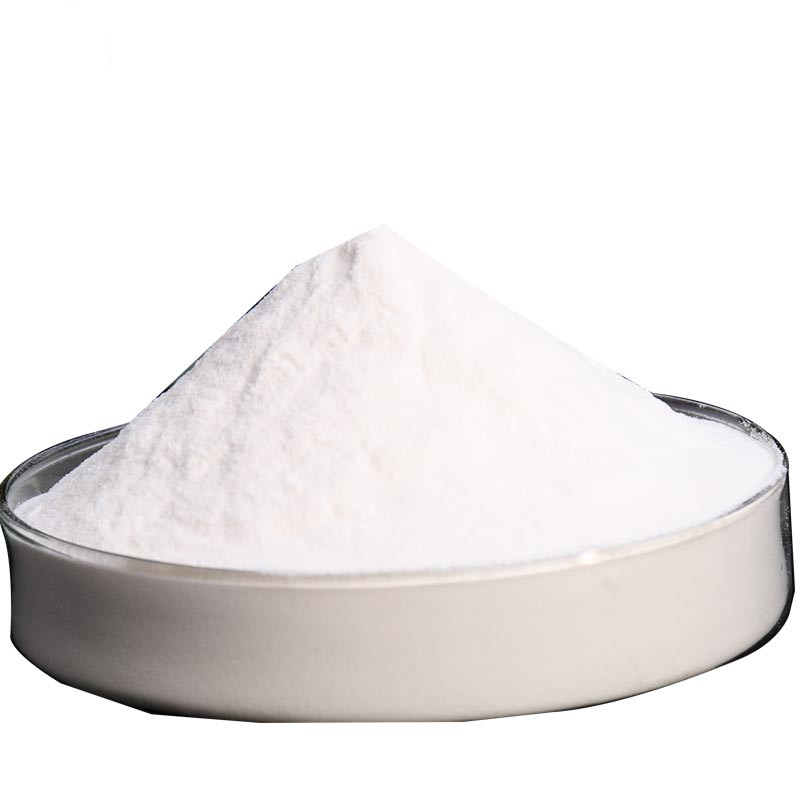
The local textile industry relies heavily on precision thickeners. The integration of cellulose ether hpmc has become critical for achieving the necessary shear-thinning properties required for modern automated screen printing processes used in the Colombian apparel export market.

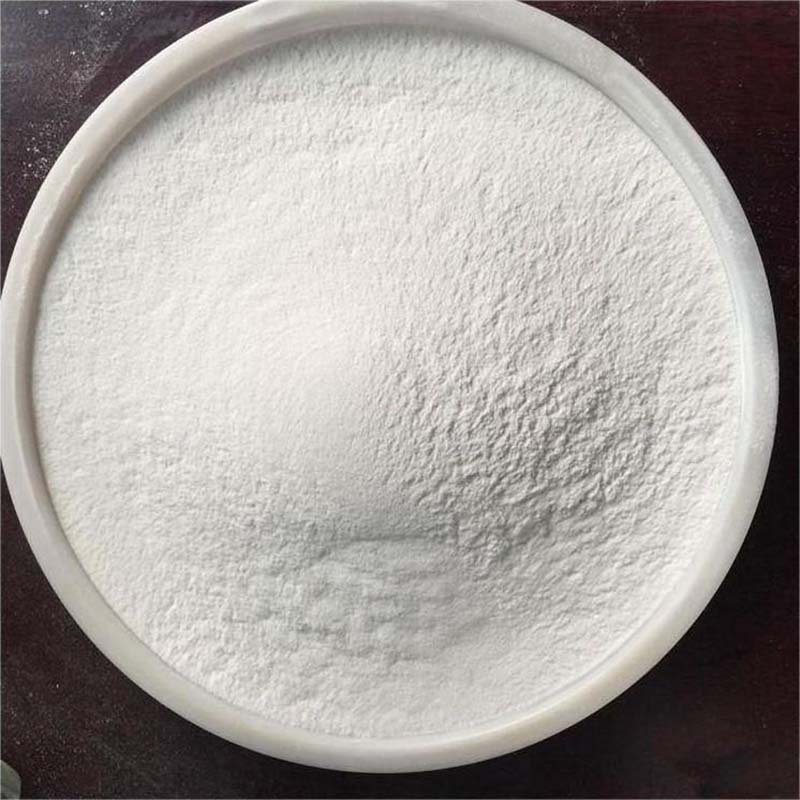
Furthermore, the shift toward sustainable chemistry in South America has pushed Colombian plants to optimize their use of natrium alginate, balancing cost-efficiency with the need for high-clarity print pastes that adhere to diverse fabric blends produced locally.
Evolution of Specialty Chemical Application in Colombia

From traditional thickening to precision molecular engineering.

Market Development History

Prior to the 2000s, the Colombian textile sector predominantly used basic starches and low-grade gums, which often led to inconsistent dye penetration and high waste levels in the dyeing process.

Between 2010 and 2020, there was a significant transition toward synthetic and semi-synthetic polymers. The adoption of fiber reactive dye systems required more sophisticated binders to prevent premature fixation and ensure vibrant color yields.

By 2023, the market shifted toward "Green Chemistry," focusing on biodegradable polymers and high-purity ethers that reduce water consumption in the rinsing phases of textile production.

Future Development Trends

Digital Integration in Chemical Dosing

Integration of IoT-enabled dosing systems to precisely control the concentration of thickeners, reducing raw material waste by up to 15%.

Bio-based Polymer Substitution

Increasing shift from synthetic stabilizers to modified natural polysaccharides to meet EU and US import standards for sustainable textiles.

High-Temperature Stability Engineering

Development of chemicals that maintain viscosity in high-humidity environments typical of the Colombian coast, preventing paste degradation.

Industrial Trends and Future Outlook

Strategic forecasting for the Colombian specialty chemical market.

Eco-Friendly Formulation
Migration toward non-toxic, biodegradable agents to comply with Colombian environmental laws.
Precision Viscosity Control
Utilizing advanced HPMC grades to ensure uniform application in high-speed printing.
Water-Saving Technology
Development of low-rinse chemical systems to reduce industrial water waste.
Smart Logistics
Optimizing the supply chain of specialty chemicals from port to interior manufacturing hubs.

Industry Outlook

The search trend for "sustainable textile chemicals" in Colombia indicates a 25% year-on-year increase. This suggests that the future of the industry lies in the hybridization of synthetic efficacy and organic safety.

Over the next 3-5 years, we expect the Colombian market to move toward zero-discharge chemical processes, where the solubility and recovery of binders become the primary competitive advantage.

Localized Application Scenarios in Colombia

Real-world deployment of specialty chemicals in Colombian industry.

01. Medellín Apparel Printing

Utilizing cellulose ether hpmc in large-scale screen printing for denim wear to ensure sharp lines and prevent color bleed in humid climates.

02. Bogotá Industrial Dyeing

Implementing high-grade fiber reactive dye stabilizers to ensure uniform coloration across different fabric weights used in Colombian home textiles.

03. Caribbean Coast Textiles

Applying natrium alginate as a thickening agent for lightweight cotton fabrics, ensuring stability against high ambient temperatures during processing.

04. Andean Specialized Weaving

Using customized cellulose ether to optimize the sizing process for wool and blend yarns, improving weaving efficiency.

05. Eco-Textile Certification Plants

Integrating a specialized textile paste formulation that reduces chemical residue, helping local plants achieve international OEKO-TEX certifications.

Brand Story

Global Development Journey of Peze Technology (Shijiazhuang) Co., Ltd.

Foundation and Technical Core

Established with a focus on high-purity polymers, we began by solving the instability of industrial thickeners for the domestic Asian market.

R&D Breakthroughs

Developed proprietary synthesis methods for cellulose ethers that significantly improved thermal stability and solubility across various PH levels.

Global Market Expansion

Expanded into the South American market, tailoring chemical formulations to the specific climatic and industrial needs of Colombia and Brazil.

Sustainability Pivot

Launched a line of biodegradable specialty chemicals, reducing the environmental footprint of textile manufacturing worldwide.

Industry Leadership

Recognized as a leading provider of precision chemical solutions, bridging the gap between raw material purity and commercial application.

Common Industrial Inquiries in Colombia

Expert answers to technical challenges in specialty chemical application.

How does cellulose ether hpmc perform in high-humidity Colombian environments?

Our HPMC is engineered for high water-retention and stability, preventing the paste from thinning or separating even in coastal regions with humidity above 80%.

What is the best thickener for fiber reactive dye in cotton blends?

For fiber reactive systems, a combination of natrium alginate and cellulose ether provides the best balance of viscosity and dye migration control.

Can your textile paste formulations reduce water usage during rinsing?

Yes, our optimized pastes feature high solubility, which allows for more efficient rinsing and reduces the total volume of water required per batch.

Is natrium alginate compatible with all Colombian textile machinery?

Our alginates are processed to have a consistent particle size, ensuring they are fully soluble and do not clog precision nozzles in automated machines.

How do I optimize the dosage of cellulose ether for varying fabric weights?

We recommend a graduated dosing strategy based on the fabric's GSM; our technical team provides specific ratios to ensure optimal penetration.

Are these specialty chemicals compliant with international export standards?

Our products are manufactured under strict quality controls and are designed to help Colombian exporters meet EU and US environmental safety regulations.

Get Expert Chemical Consultation

Partner with the leader in specialty chemicals to optimize your production in Colombia.

Contact Us Now

If you are interested in our products, you can choose to leave your information here, and we will be in touch with you shortly.