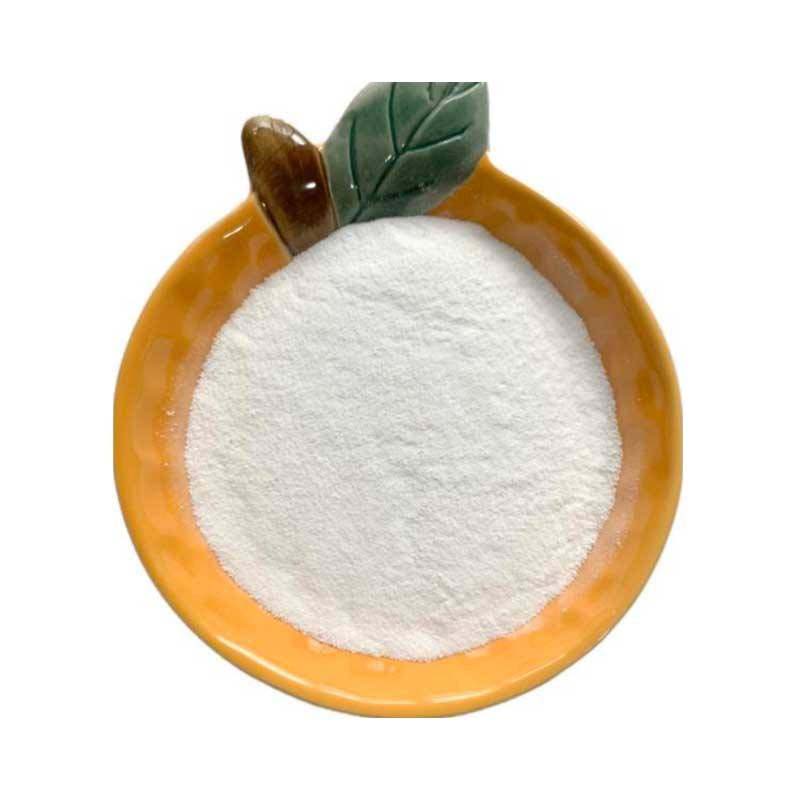
Advanced textile paste Solutions for Ecuador's Industrial Manufacturing

Optimizing specialty chemical applications for high-performance textile and industrial processing in the Ecuadorian market.

Advanced textile paste Solutions for Ecuador's Industrial Manufacturing

Providing high-purity specialty chemicals designed to enhance the viscosity and stability of industrial dyes and coating agents for the South American market.

Industrial Chemical Landscape in Ecuador

Analyzing the intersection of humidity, geography, and chemical demand in the Andean region.

Ecuador's specialty chemical sector is heavily influenced by its diverse climatic zones, from the humid coastal regions to the high Andean plateaus. For manufacturers, this creates a significant challenge in maintaining the stability of cellulose ether based products, which are sensitive to moisture and temperature fluctuations during storage and application.

The textile industry in cities like Quito and Guayaquil relies heavily on precise thickening agents. The adoption of cellulose ether hpmc has become critical to prevent dye migration and ensure sharp patterns on varied fabric substrates, adapting to the local preference for high-saturation colors in traditional and modern garments.

Furthermore, the integration of bio-polymers such as natrium alginate is increasing as Ecuadorian manufacturers shift toward sustainable, eco-friendly chemical inputs to comply with stricter environmental regulations regarding wastewater discharge in the Guayas river basin.
Evolution of Chemical Processing in Ecuador

From traditional starch-based thickening to advanced synthetic polymer technology.

Market Development History

Prior to 2010, the Ecuadorian textile market predominantly utilized natural starches and rudimentary gums, which often resulted in inconsistent viscosity and poor shelf-life for dye pastes, limiting the precision of industrial prints.

Between 2010 and 2020, there was a strategic pivot toward modified cellulose. The introduction of fiber reactive dye systems required more sophisticated binders, leading to the widespread adoption of HPMC for its superior water retention and thermal stability.

By 2023, the market entered the "Precision Era," where synergistic blends of synthetic and natural polymers are used to achieve specific rheological properties, allowing for high-speed automated printing processes that were previously impossible with traditional methods.

Future Development Trends

Biodegradable Rheology Modifiers

Increased demand for sustainable inputs will drive the growth of seaweed-derived thickeners, expanding the use of high-purity alginates in industrial coatings.

Climate-Resilient Formulations

Development of chemicals with higher glass transition temperatures to maintain stability across Ecuador's extreme altitude and humidity shifts.

Digital Integration of Chemical Dosing

The shift toward smart manufacturing where chemical additives are dosed via AI to optimize the usage of expensive reactive dyes.

Future Trends & Strategic Outlook

Predicting the shift toward green chemistry and high-efficiency polymers in South America.

Eco-Friendly Transition
Rapid shift toward non-toxic and biodegradable polymers to meet global export standards for Ecuadorian textiles.
Enhanced Rheology Control
Implementing higher-viscosity cellulose derivatives to reduce water waste and increase dye efficiency.
Smart Polymer Blending
Using hybrid combinations of synthetic ethers and natural alginates for superior texture control.
Process Automation
Integration of chemical delivery systems to ensure consistent concentrations across production batches.

Industry Outlook

Google search trends indicate a rising interest in "sustainable textile chemistry" and "bio-based thickeners" within the LATAM region. We expect a 15% annual increase in the demand for modified cellulose products that offer lower energy consumption during the drying phase.

The future lies in the convergence of high-performance synthetic additives and natural polymers, allowing Ecuadorian manufacturers to maintain competitive pricing while elevating the quality of their exports to the US and EU markets.

Local Application Scenarios in Ecuador

Real-world implementation of specialty chemicals in Ecuadorian industrial clusters.

1. Guayaquil Coastal Textile Printing

Applying cellulose ether hpmc to maintain paste viscosity in high-humidity coastal environments, preventing print bleeding on cotton fabrics.

2. Quito Andean Garment Manufacturing

Utilizing fiber reactive dye with precision binders to ensure color consistency despite the low atmospheric pressure of the highlands.

3. Sustainable Bio-Polymer Coatings

Integration of natrium alginate in specialty industrial coatings for the local agricultural machinery sector to improve adhesion.

4. High-Performance Construction Admixtures

Using cellulose ether as a water-retaining agent in cement-based mortars for infrastructure projects in seismic-active zones of Ecuador.

5. Specialized Industrial Paste Production

Developing customized textile paste for the artisanal weaving industry, combining traditional designs with modern chemical stability.

Brand Story

Global Development History of Peze Technology (Shijiazhuang) Co., Ltd.

Foundational Excellence

Established as a pioneer in specialty chemicals, focusing on the molecular engineering of cellulose ethers to solve industrial viscosity challenges.

Technical Breakthroughs

Developed proprietary synthesis methods for HPMC and Alginates, significantly reducing impurity levels and improving batch-to-batch consistency.

Global Market Expansion

Expanded operations into South America, adapting chemical formulations to suit the unique environmental conditions of markets like Ecuador.

Sustainability Commitment

Launched a green-chemistry initiative to replace hazardous solvents with biodegradable alternatives in our specialty chemical lines.

Industry Leadership

Now recognized as a global leader in providing integrated chemical solutions that bridge the gap between raw material supply and end-user application.

Complete Chemical Portfolio for Ecuador

A comprehensive range of specialty polymers and dyes engineered for the South American manufacturing sector.

Frequently Asked Questions in Ecuador

Expert answers to the most common technical challenges in the specialty chemical industry.

How does humidity in Guayaquil affect the stability of cellulose ether hpmc?

High humidity can cause premature hydration or clumping. We recommend moisture-proof packaging and controlled temperature storage to ensure optimal solubility and viscosity.

What is the best thickener for fiber reactive dye on cotton in Ecuador?

A combination of HPMC and natrium alginate is ideal, as it provides a balance of high viscosity for pattern sharpness and excellent dye release for deep penetration.

Can natrium alginate be used as a substitute for synthetic textile paste?

Yes, especially for high-end organic textile lines. It offers superior ecological profiles and excellent compatibility with reactive dyes, though viscosity adjustment may differ from synthetics.

How to prevent dye migration using cellulose ether in high-altitude Quito?

By optimizing the substitution degree of the cellulose ether, we can increase the gel strength, which effectively locks the dye in place during the printing process.

What are the environmental regulations for reactive dye wastewater in Ecuador?

Ecuadorian laws increasingly restrict COD and BOD levels. Using high-efficiency thickeners reduces the overall chemical load in wastewater, aiding regulatory compliance.

Which grade of cellulose ether is most suitable for industrial mortar in Ecuador?

High-viscosity grades with strong water retention properties are recommended to prevent rapid evaporation in arid highland regions, ensuring proper curing of the mortar.

Consult Our Technical Experts

Get tailored chemical formulations for your manufacturing plant in Ecuador.

Contact Us Now

If you are interested in our products, you can choose to leave your information here, and we will be in touch with you shortly.