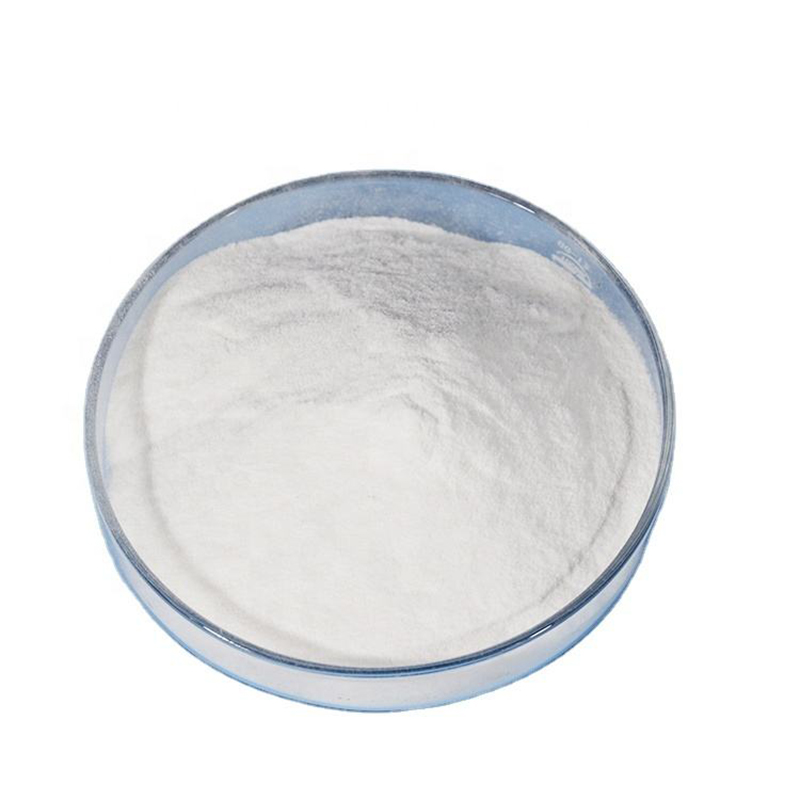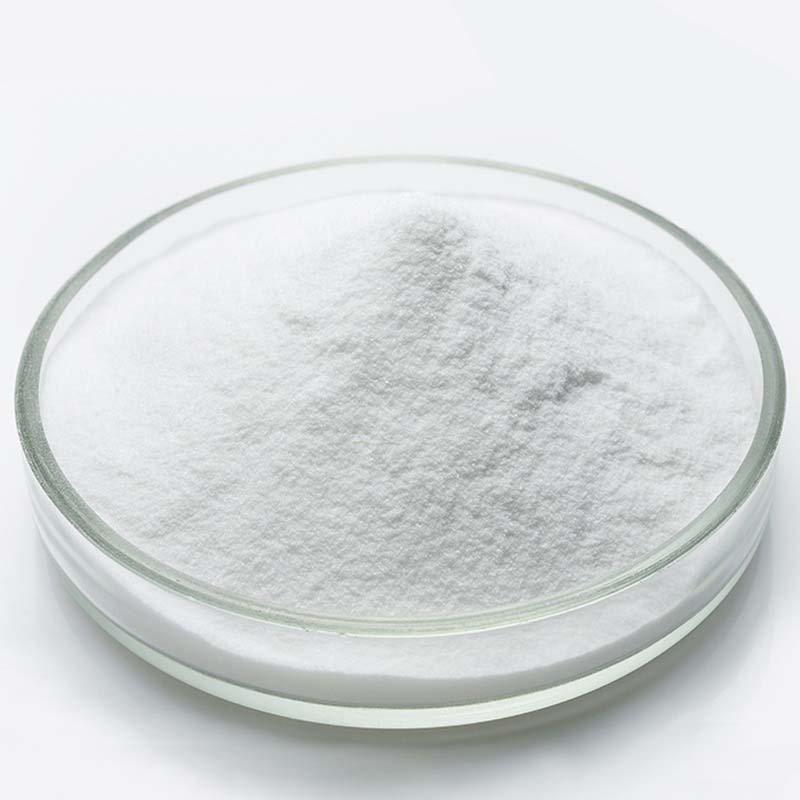
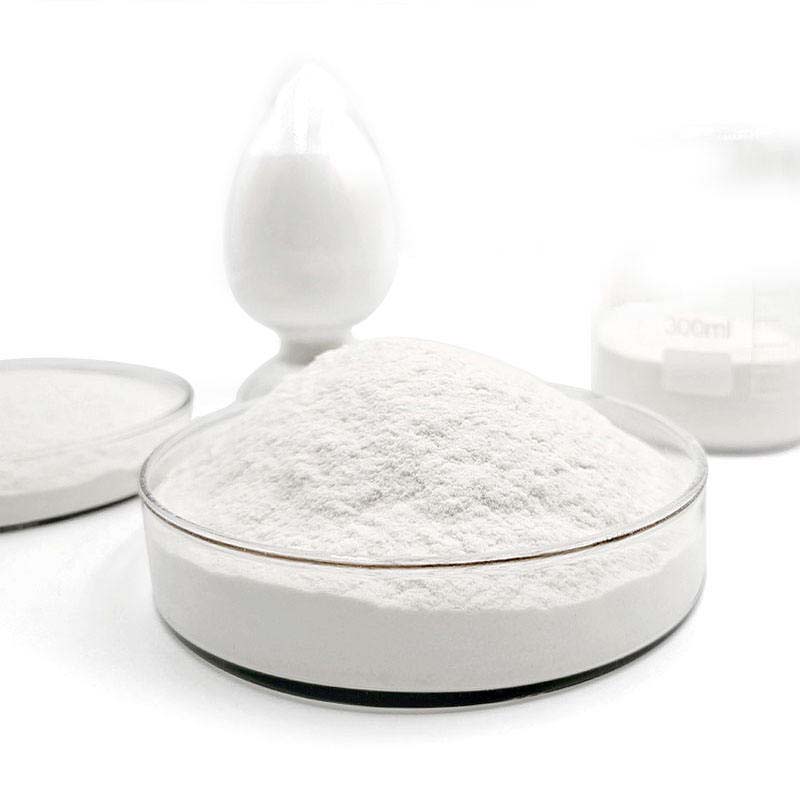
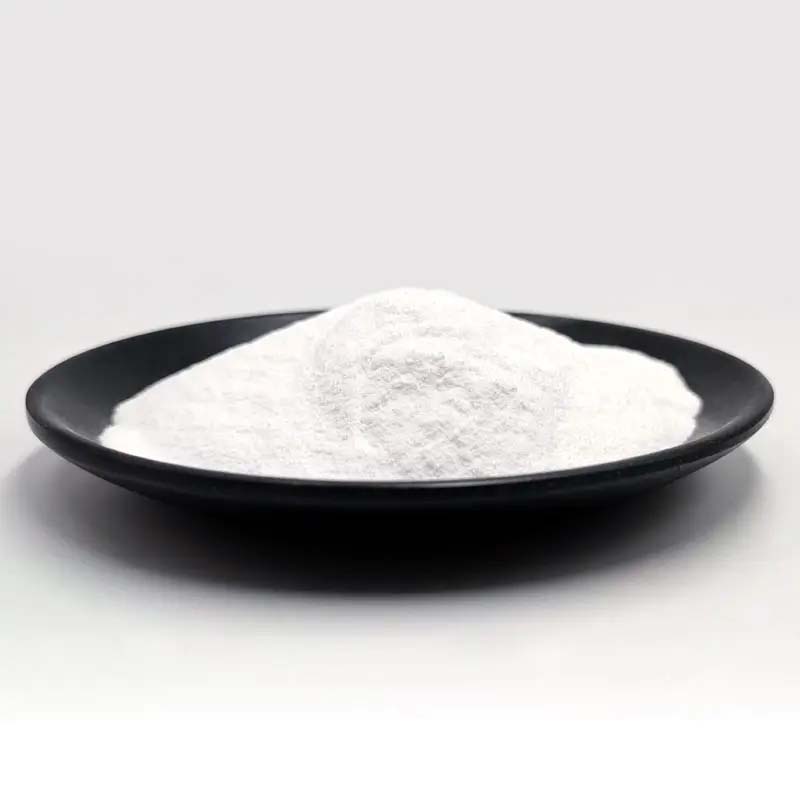
Advanced textile paste Solutions for France's High-End Manufacturing

Integrating precision chemistry and sustainable rheology to elevate the French specialty chemical sector.

Advanced textile paste Solutions for France's High-End Manufacturing

Providing state-of-the-art thickening and binding agents specifically engineered for the rigorous standards of the French textile and specialty chemical industries.

Chemical Manufacturing Landscape in France

Analyzing the synergy between traditional artisanry and modern chemical engineering.

France maintains a sophisticated chemical ecosystem characterized by a strong emphasis on "Luxe" and high-precision industrial standards. The demand for high-purity cellulose ether is driven by the strict EU regulatory framework (REACH), forcing manufacturers to shift toward biodegradable and low-toxicity additives in the Rhône-Alpes and Hauts-de-France regions.

The French market is currently experiencing a transition where traditional textile hubs are integrating smart materials. This has led to an increased adoption of cellulose ether hpmc to improve the stability and consistency of industrial coatings and printing pastes, ensuring a flawless finish that meets the global prestige of French exports.

Furthermore, the integration of marine-derived polymers like natrium alginate is growing, particularly in the South of France, where the intersection of biotechnology and specialty chemicals is creating new pathways for sustainable textile thickening and pharmaceutical-grade applications.
Evolution of Specialty Chemicals in Europe

From basic thickening to molecular engineering.

Market Development History

In the late 20th century, French specialty chemicals relied heavily on starch-based thickeners. However, by the early 2000s, the industry pivoted toward synthetic and semi-synthetic polymers to achieve better viscosity control and temperature stability in industrial processes.

Between 2010 and 2020, the focus shifted toward "Green Chemistry." The introduction of refined fiber reactive dye systems required more precise carriers, leading to the widespread optimization of cellulose-based ethers to ensure dye fixation and reduce water waste.

Today, the trajectory is defined by digitalization and precision. The use of customized molecular weight distributions in HPMC has allowed French manufacturers to automate their dosing systems, reducing raw material waste by up to 15%.

Future Development Trends

Bio-Based Substitution

A move away from petrochemical precursors toward fully renewable cellulose sources to align with the European Green Deal.

Nano-Rheology Control

Developing hybrid pastes that combine natrium alginate with synthetic polymers for "intelligent" viscosity that responds to shear stress.

Zero-Discharge Dyeing

Optimization of fiber reactive dye compatibility to eliminate saltwater discharge in textile effluent.

Industry Outlook and Future Projections

Strategic foresight for the next 3-5 years in the French specialty chemical market.

Sustainable Polymerization
Increased demand for biodegradable cellulose ethers to meet stringent French environmental laws.
Precision Rheology
Transition toward low-viscosity, high-stability HPMC variants for automated textile printing.
Smart Dyeing Systems
Synergy between fiber reactive dyes and high-performance binders to reduce water usage.
Circular Economy
Implementing closed-loop systems for the recovery of cellulose-based thickeners.

Industry Outlook

Based on current Google search trends in Western Europe, there is a significant spike in queries regarding "eco-friendly textile auxiliaries." This indicates that the French market is moving rapidly toward chemicals that offer high performance without compromising environmental integrity.

We anticipate that the convergence of biotech and traditional chemistry will lead to the dominance of modified polysaccharides, ensuring that the specialty chemicals industry in France remains the global benchmark for quality and sustainability.

Localized Applications in France

Practical implementations of our specialty chemicals across key French sectors.

01. Haute Couture Textile Printing

Utilization of high-viscosity textile paste for precise pattern definition in luxury silk and velvet fabrics in Lyon.

02. Industrial Coating in Normandy

Application of cellulose ether hpmc as a thickener in specialized architectural coatings to resist coastal humidity.

03. Bio-Pharmaceutical Gels in Paris

Using pharmaceutical-grade natrium alginate for controlled-release drug delivery systems developed in French research labs.

04. Sustainable Apparel Dyeing

Integrating fiber reactive dye with eco-binders for the organic cotton industry in southern France.

05. Technical Ceramics Binding

Leveraging the binding properties of cellulose ether for the aerospace component manufacturing in Toulouse.

Brand Story

Global Development Journey of Peze Technology (Shijiazhuang) Co., Ltd.

Foundation and Vision

Established with a commitment to solving the instability of cellulose ethers in high-shear industrial environments.

Technological Breakthrough

Developed a proprietary purification process that increased the solubility and purity of HPMC for global markets.

European Expansion

Strategically entered the French market, aligning our product specifications with EU REACH and environmental standards.

Innovation Center

Launched a dedicated R&D wing focusing on the synergy between natural alginates and synthetic cellulose polymers.

Sustainability Leadership

Pioneering zero-waste chemical production to support the circular economy in the specialty chemicals sector.

France Speciality Chemical FAQs

Expert answers to common technical and regulatory questions.

How does cellulose ether hpmc improve the quality of textile printing?

It provides superior rheological control, preventing the dye from bleeding and ensuring sharp outlines in high-precision textile prints.

What are the advantages of using natrium alginate in textile paste?

Natrium alginate offers excellent thickening properties and is highly compatible with various dyes, ensuring smooth application and easy removal after dyeing.

Is your cellulose ether compliant with EU REACH regulations?

Yes, all our cellulose-based products are manufactured and tested to meet the strict safety and environmental standards required by the European Chemicals Agency.

How to optimize fiber reactive dye fixation using chemical thickeners?

By using a precise blend of HPMC and alginates, you can control the diffusion rate of the dye, maximizing fixation and reducing wastewater.

What is the shelf life of high-purity textile paste additives?

When stored in a cool, dry environment, our high-purity additives typically maintain full potency for 24 months.

Can cellulose ether be used in water-based industrial coatings in France?

Absolutely. It is widely used as a thickener and water-retention agent to improve the workability and durability of coatings in various French climates.

Ready to Optimize Your Production?

Our technical experts are available to provide customized chemical solutions for your manufacturing needs in France.

Contact Us Now

If you are interested in our products, you can choose to leave your information here, and we will be in touch with you shortly.