Comprehensive Guide to Hydroxyethylcellulose Powder: Benefits, Specifications & Market Trends
Hydroxyethylcellulose Powder is a key solution in the industry, specifically within sectors requiring efficient thickening, binding, and stabilizing agents. This article explores how Pezetech supports professionals with durable, high-performance products, and explains why this product is an ideal choice for businesses in these sectors.
Table of Contents
- Hydroxyethylcellulose Powder Overview
- Benefits & Use Cases of Hydroxyethylcellulose Powder
- Cost, Maintenance & User Experience
- Sustainability & Market Trends
Hydroxyethylcellulose Powder Overview
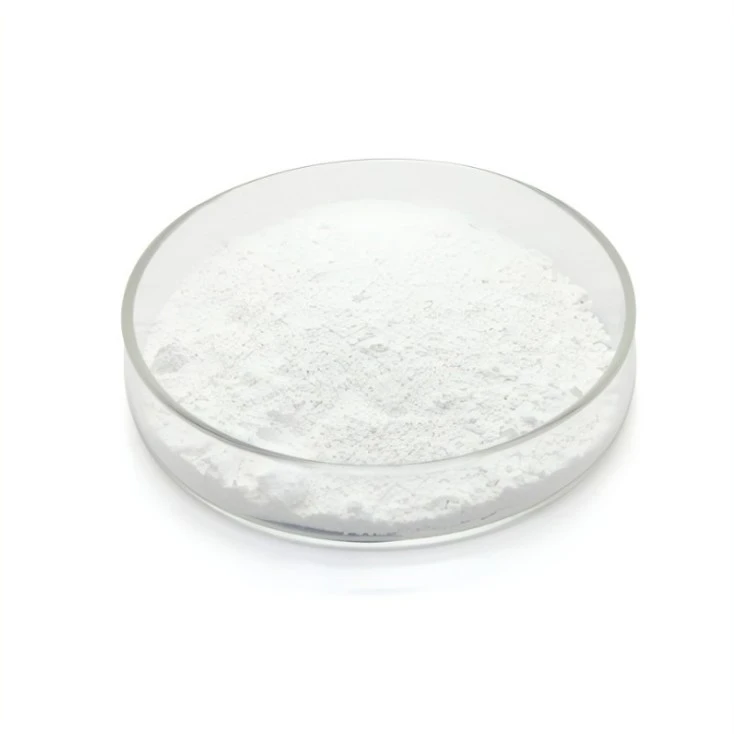
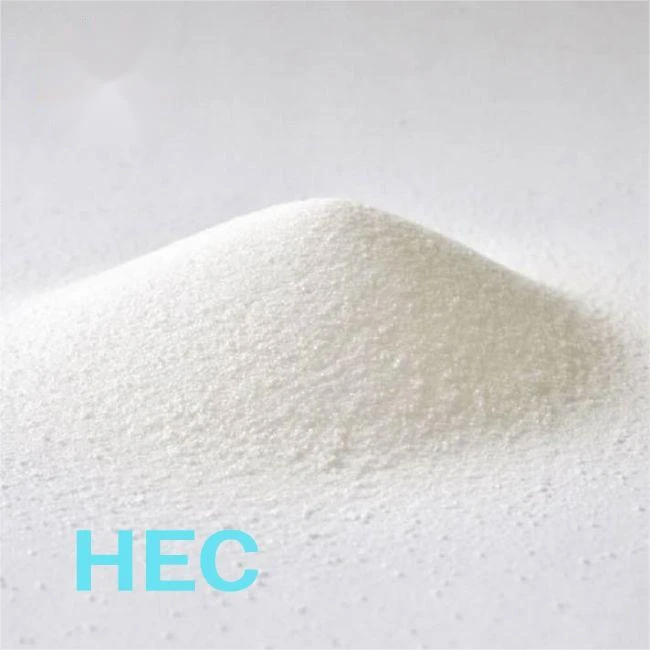
Hydroxyethylcellulose Powder, often abbreviated as HEC, is a non-ionic, water-soluble polymer that finds wide-ranging application especially as a thickener, film former, and stabilizer in industrial formulations. From personal care products to paints and ceramics, its versatility is pretty remarkable. Frankly, it's a product that’s been quietly powering numerous industrial processes behind the scenes. The powder itself, derived from cellulose, is chemically modified to introduce hydroxyethyl groups, which allow it to swell in water and create viscous, stable solutions.
For those curious about specs: the viscosity and molecular weight of HEC can vary quite a bit depending on its grade and intended use. Pezetech, for example, offers grades with viscosities ranging from 5 cps to over 4000 cps (measured in 2% aqueous solution at 25°C). These fine adjustments in molecular weight and substitution levels impact properties like solubility rate, film strength, and freeze-thaw stability. One case study from a ceramic tile manufacturer highlighted how switching to Pezetech’s HEC enhanced their slurry stability, reducing defects by almost 15% — an impressive boost in consistency alone.
| Parameter | Typical Range | Unit |
|---|---|---|
| Viscosity (2% solution) | 5 – 4000+ | cps |
| Degree of Substitution | 0.15 – 0.30 | - |
| Moisture Content | 5% max | % |
| pH of 1% Solution | 5.0 – 8.0 | - |
Benefits & Use Cases of Hydroxyethylcellulose Powder
Hydroxyethylcellulose Powder’s greatest strength is its adaptability across a dizzying array of industries. Take cosmetics, for instance, where it improves texture and moisture retention in lotions and shampoos. Or paints and coatings — HEC acts as a thickener providing excellent sag resistance and brushability. Oddly enough, the construction sector benefits too: it’s often found in tile adhesives and cement formulations, where it improves workability and bonding.
What makes Pezetech’s HEC stand out is their focus on quality consistency and customization. They can tweak batches to match very specific viscosity and performance targets, which is a godsend for process engineers who demand reliability. Additionally, their powders disperse easily in water, avoiding lumps which can be a pain in manufacturing. Compared to some traditional cellulose ethers, Hydroxyethylcellulose offers better freeze-thaw stability — a competitive edge for products stored in varying climates. It’s versatile, user-friendly, and reliable; quite exactly what B2B buyers crave.
Cost, Maintenance & User Experience
From a purely financial perspective, Hydroxyethylcellulose Powder represents smart investment. While the upfront raw material cost might be a touch higher than some traditional alternatives, the total cost of ownership often swings favorably — thanks largely to formulation efficiency, fewer production issues, and enhanced product shelf life. In practical terms, companies using Pezetech’s HEC report better mixing behavior and lower rejection rates, which translate into real savings and less downtime.
Maintenance-wise? Well, because of its chemical stability, HEC requires minimal handling precautions beyond standard safety protocols. Users often mention the pleasant experience of dissolving the powder without clumping —it’s the little things that add up. Client feedback consistently points to this smooth integration into existing lines as a highlight. Put simply, it enhances process control and reproducibility, which is invaluable in industry settings where consistency is king.
| Feature | Pezetech | Supplier A | Supplier B |
|---|---|---|---|
| Viscosity Range | 5–4000+ cps | 10–3000 cps | 15–3500 cps |
| Customization Options | Extensive | Limited | Moderate |
| Delivery Time | 2-3 weeks | 3-4 weeks | 2-5 weeks |
| Technical Support | Comprehensive | Basic | Moderate |
Sustainability & Market Trends
The sustainability angle on Hydroxyethylcellulose Powder is increasingly significant, not least because it’s based on cellulose — a renewable resource. For industries trying to reduce their ecological footprint, HEC can be a part of greener formulations, especially compared to petrochemical-based thickeners. Regulations worldwide are tightening regarding VOCs (volatile organic compounds) and biodegradability, so cellulose-derived polymers like HEC gain favor in the market. Pezetech’s sourcing and production processes also emphasize eco-friendly practices, which speaks volumes.
Market trends show steady growth in demand, driven by expanding personal care, construction, and water treatment sectors. There’s also a shift to more tailored, specialty grades that can perform under extreme conditions. In real terms, this means Hydroxyethylcellulose Powder isn’t just a commodity but a finely honed technical ingredient — which is where suppliers like Pezetech shine by offering close collaboration and R&D input to clients.
Frequently Asked Questions about Hydroxyethylcellulose Powder
- What is Hydroxyethylcellulose Powder and how does it work?
- Hydroxyethylcellulose Powder is a chemically modified cellulose derivative. When mixed with water, it swells and dissolves, forming a viscous solution that thickens, stabilizes, and binds other ingredients. Its non-ionic nature means it’s compatible with many types of formulations.
- What are the main benefits of using Hydroxyethylcellulose Powder in industrial applications?
- Key benefits include enhanced viscosity control, improved product stability, freeze-thaw resistance, and ease of dispersion. It also reduces production defects and improves the end-product’s performance and shelf life.
- How does Hydroxyethylcellulose Powder compare to traditional alternatives?
- Compared to older cellulose ethers or synthetic thickeners, HEC generally offers better solubility, less caking, and superior stability under temperature fluctuations. It’s also more environmentally friendly since it’s cellulose-based.
- What industries can benefit most from Hydroxyethylcellulose Powder implementation?
- Industries like cosmetics, paints and coatings, construction (tile adhesives), ceramics, and water treatment all rely heavily on HEC. Each benefits from its thickening, binding, and stabilizing properties tailored to their formulations.
Conclusion on Hydroxyethylcellulose Powder from china
In conclusion, Hydroxyethylcellulose Powder remains a vital ingredient, offering suppliers and product developers alike a reliable, versatile polymer that supports a broad spectrum of applications. Choosing a supplier like Pezetech means access to quality, customization, and technical support — a real boon if you’re after consistency and innovation in your formulations. For anyone looking to enhance product performance while maintaining sustainability goals, this powder ticks many boxes.
- Reliability and performance combined in one product.
- - Visit our website: https://www.pezetech.com
Reflecting on this, it’s clear Hydroxyethylcellulose Powder isn’t just a fancy chemistry item but an industrial staple with practical, positive impacts across industries. Its continued evolution only promises more tailored, sustainable solutions ahead.
- “Cellulose Derivatives: Production, Properties and Applications,” Journal of Industrial Polymers, 2021.
- Industry Report, “Growth trends in Hydroxyethylcellulose markets,” 2023.
- Case Studies from Pezetech customers, internal data 2022.
-
Top Guide to Selecting Professional vae emulsion manufacturersNewsApr.16,2026
-
Viscosity of HPMCNewsApr.15,2026
-
HPMC Powder UsesNewsApr.15,2026
-
Understanding VAE Emulsion for Modern Industrial CoatingsNewsApr.09,2026
-
Comprehensive Guide to Redispersible Emulsion Powder and its ApplicationsNewsApr.07,2026
-
Comprehensive Guide to Redispersible Latex Powder for Construction ApplicationsNewsApr.04,2026