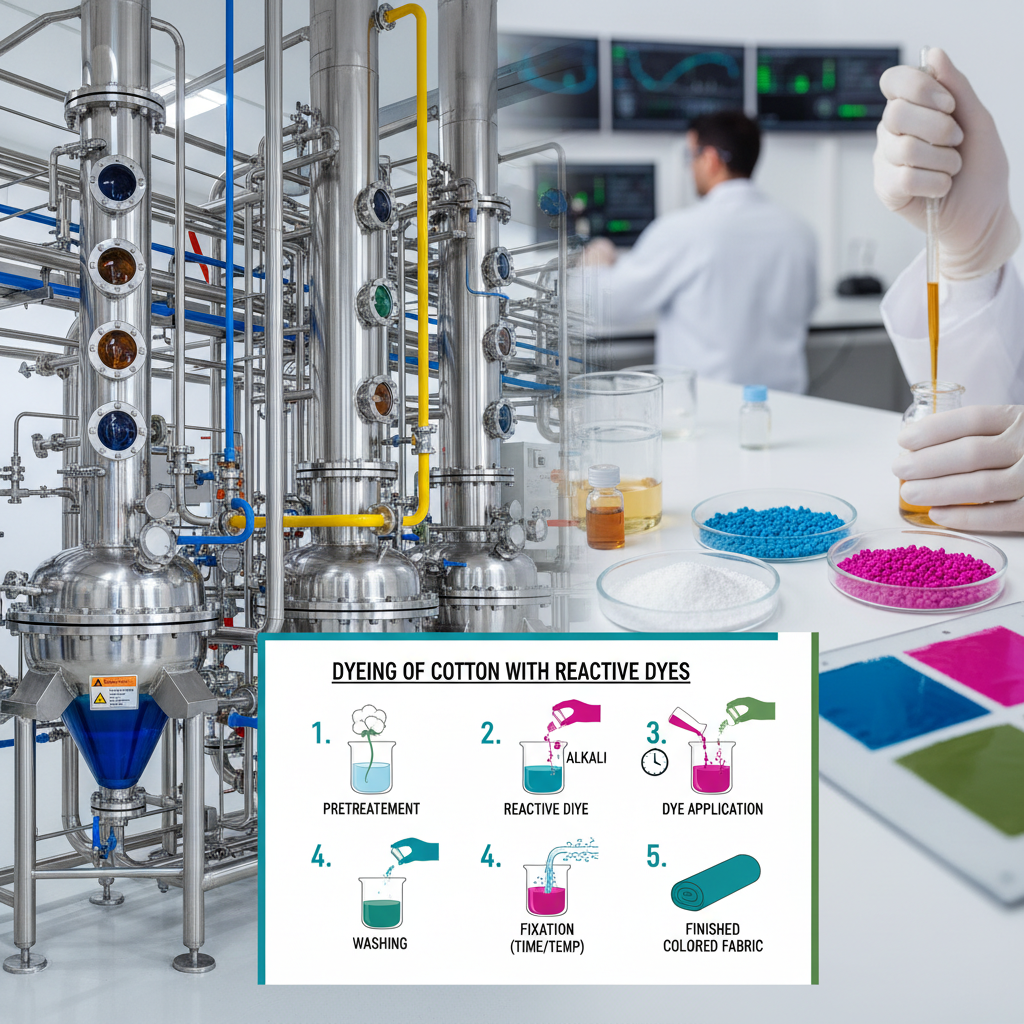
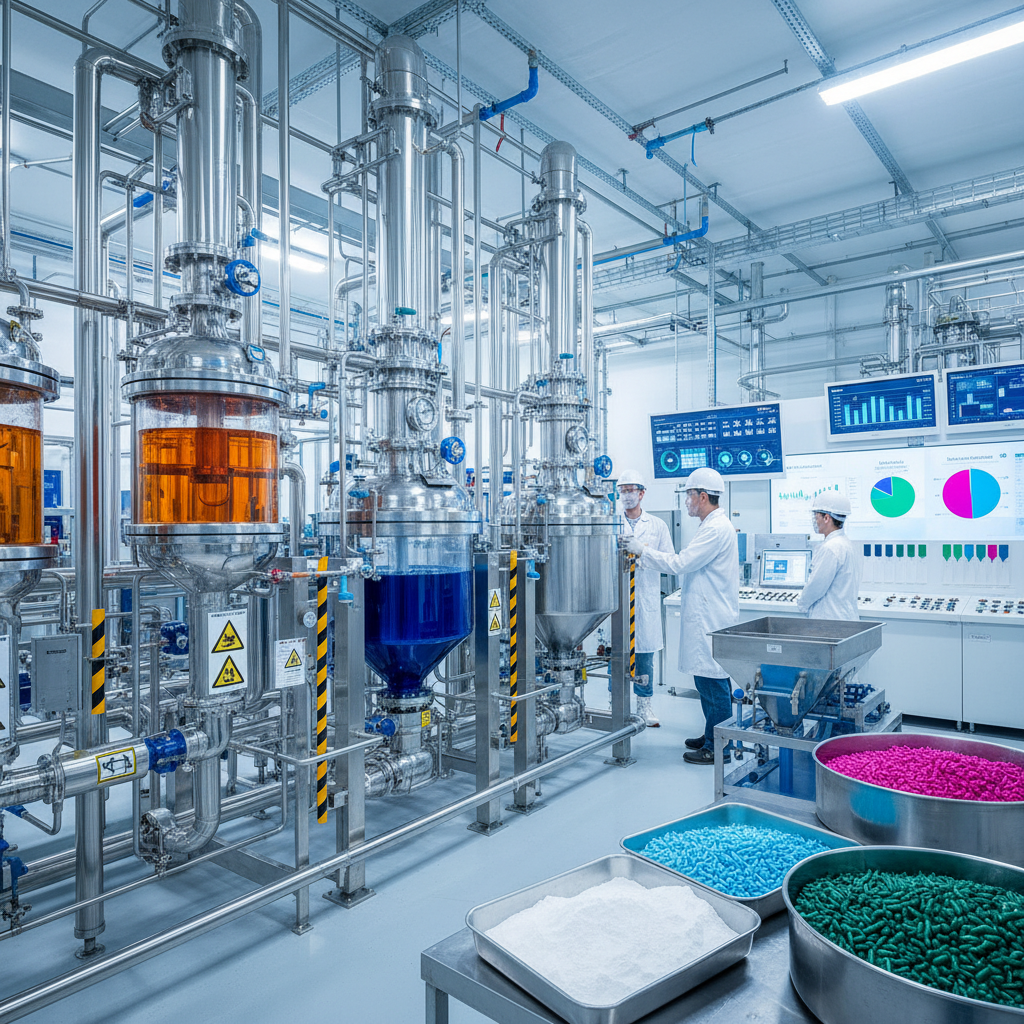
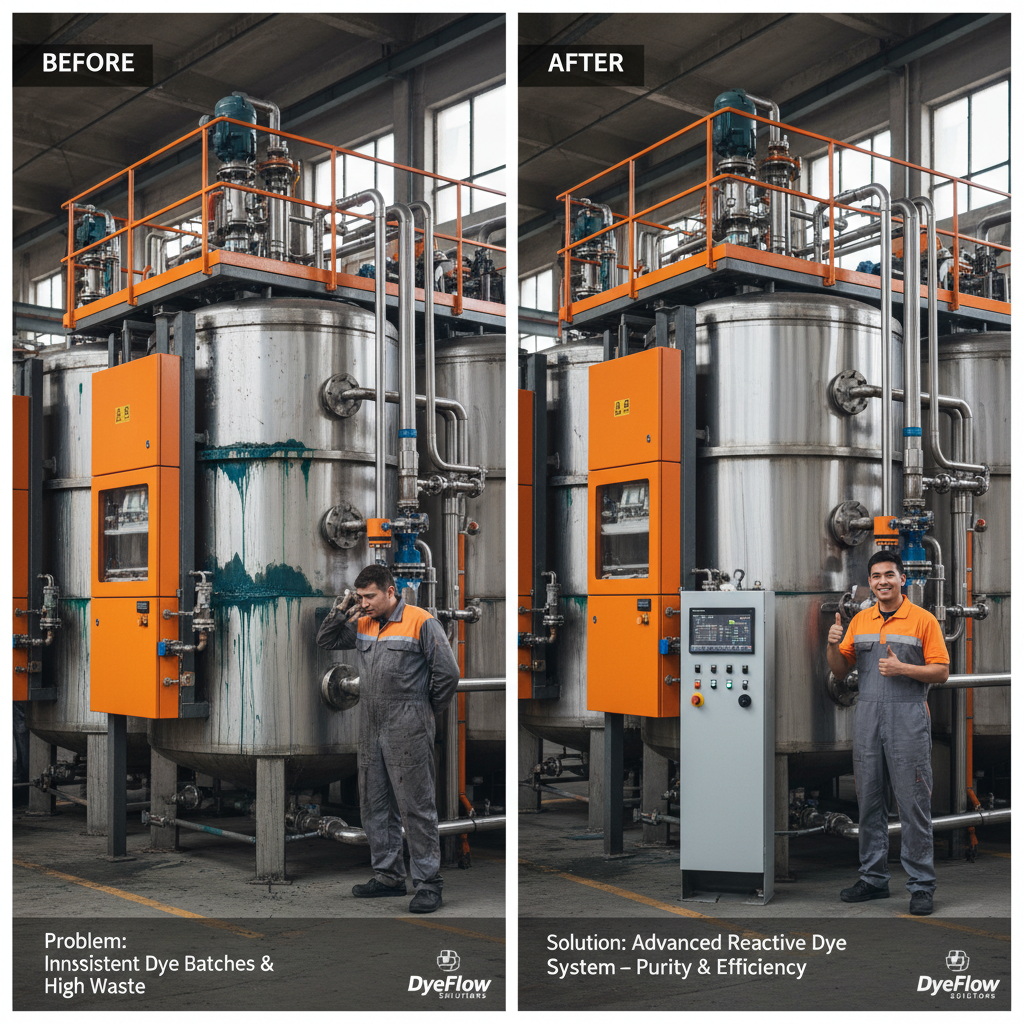
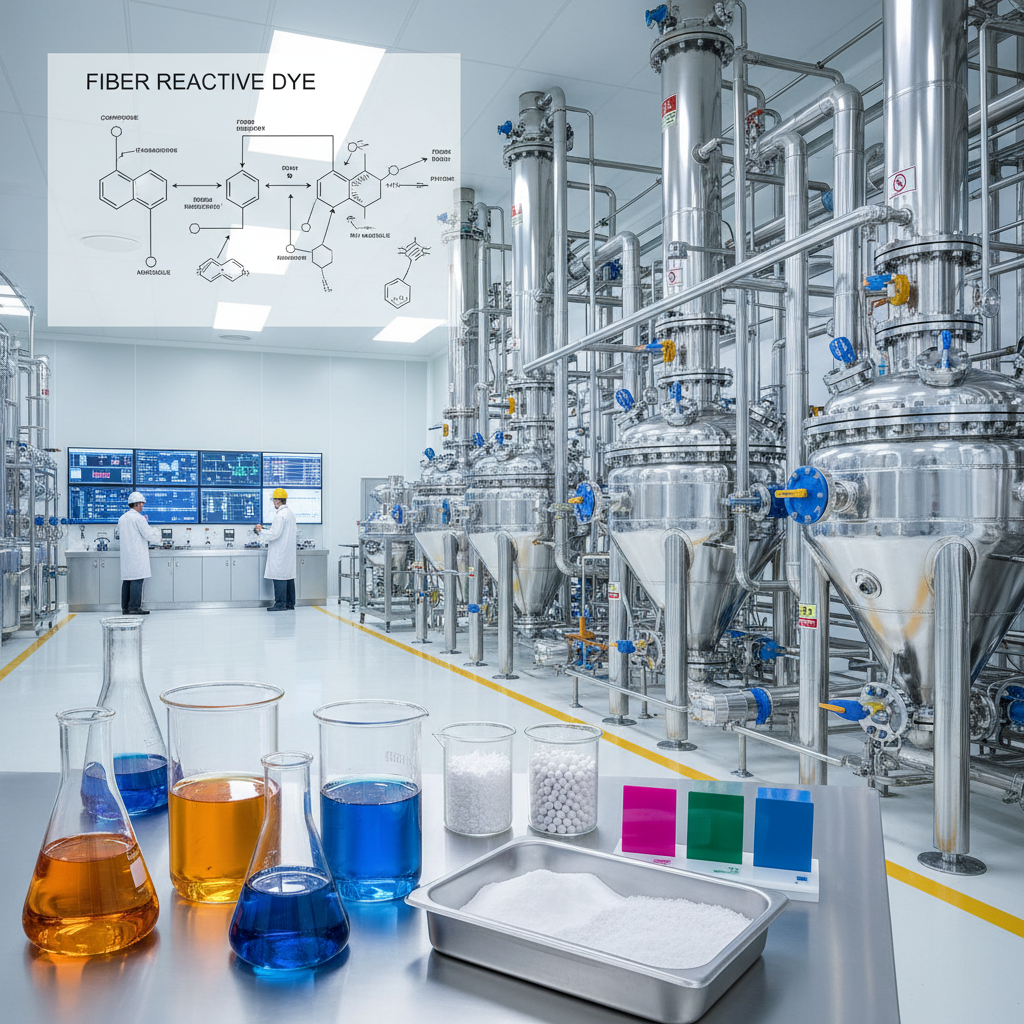
The process of the dyeing of cotton with reactive dyes pdf represents a cornerstone of the modern textile industry, bridging the gap between organic chemistry and sustainable fashion. By forming a covalent bond with the cellulose fibers of cotton, reactive dyes ensure an unparalleled level of wash-fastness and color brilliance, making them the gold standard for everything from high-street apparel to industrial linens. Understanding the technical nuances of this chemical interaction is essential for manufacturers aiming to reduce waste and optimize resource consumption.
Globally, the demand for high-performance cotton textiles continues to rise, yet the industry faces mounting pressure to align with ESG (Environmental, Social, and Governance) standards. A comprehensive guide on the dyeing of cotton with reactive dyes pdf allows technicians to refine their application methods, ensuring that the chemical fixation rate is maximized. This not only improves the quality of the end product but significantly reduces the amount of unfixed dye leaching into wastewater systems, addressing a critical environmental pain point.
For professionals in the specialty chemicals sector, integrating high-quality thickeners and binders—such as CMC (Carboxymethyl Cellulose) or HPMC (Hydroxypropyl Methyl Cellulose)—is vital to controlling the viscosity and penetration of the dye liquor. By synthesizing the theoretical knowledge found in a dyeing of cotton with reactive dyes pdf with practical additive application, factories can achieve a level of precision that eliminates shading variations and enhances the commercial value of the textile.
The Chemical Mechanism of Reactive Dyeing
At its core, the process described in a dyeing of cotton with reactive dyes pdf involves a nucleophilic substitution or addition reaction. Unlike direct dyes that merely adhere to the surface, reactive dyes contain a reactive group that forms a covalent bond with the hydroxyl groups of the cotton's cellulose chain. This molecular integration is what provides the exceptional brightness and durability required for modern commercial textiles.
This chemical bond is highly stable, meaning that once the dye is "fixed" to the fiber, it becomes an integral part of the fabric. This eliminates the need for heavy mordants and reduces the risk of color bleeding during domestic laundering, provided the alkali environment is correctly managed during the fixation stage to optimize the reaction kinetics.
Essential Factors for Color Fixation
Achieving a uniform shade requires strict control over several variables. Temperature plays a pivotal role; for most reactive dyes, a precise thermal window is necessary to activate the reactive group without causing premature hydrolysis. If the temperature is too low, the fixation rate drops; if too high, the dye may decompose or cause uneven spotting on the fabric.
The pH level, typically managed through the addition of soda ash or caustic soda, is the second critical factor. An alkaline environment is essential to ionize the cellulose, allowing the dye to bond effectively. A failure to maintain the correct pH, as outlined in technical guides on the dyeing of cotton with reactive dyes pdf, often leads to poor wash-fastness and a "washed-out" appearance after the first laundry cycle.
Lastly, the electrolyte concentration (usually sodium chloride or sodium sulfate) is used to overcome the natural negative charge of the cotton fiber in water. By neutralizing the electrostatic repulsion between the dye anion and the fiber, the electrolyte pushes the dye molecules closer to the cellulose, facilitating the covalent bond formation.
Role of Cellulose Ethers in Dyeing Processes
In high-end textile printing and dyeing, the use of thickeners like CMC (Carboxymethyl Cellulose) is indispensable. When following a dyeing of cotton with reactive dyes pdf, one will find that the viscosity of the dye paste determines the sharpness of the print and the penetration depth of the color into the cotton yarns.
The integration of HPMC (Hydroxypropyl Methyl Cellulose) and HEC (Hydroxy Ethyl Cellulose) provides superior rheological properties. These additives ensure that the reactive dyes remain suspended and distributed evenly across the fabric surface, preventing the "bleeding" effect that often plagues low-quality dyeing operations. This technical synergy is key to achieving professional-grade commercial results.
Furthermore, the use of PVA (Polyvinyl Alcohol) can act as a sizing agent that protects the cotton fibers from excessive abrasion during the dyeing process. By combining these cellulose ethers with the principles of the dyeing of cotton with reactive dyes pdf, manufacturers can significantly reduce the rate of fabric defects and improve the overall tactile feel of the finished garment.
Comparative Analysis of Dyeing Methods
Different industrial applications require different approaches to reactive dyeing. Exhaust dyeing is the most common for bulk fabrics, where the fabric is immersed in a dye bath. In contrast, continuous dyeing (such as the pad-steam method) is preferred for large rolls of fabric to ensure maximum consistency and higher throughput, as often detailed in a dyeing of cotton with reactive dyes pdf.
The choice between these methods depends on the required shade depth and the available infrastructure. While exhaust dyeing offers flexibility for small batches, continuous methods are more resource-efficient for mass production, reducing the overall water footprint per kilogram of fabric processed.
Efficiency Metrics for Dyeing of Cotton with Reactive Dyes PDF Methods
Industrial Applications Across Global Markets
The application of these dyeing techniques is widespread, from the massive textile hubs in Southeast Asia to the luxury fashion houses of Europe. In regions like Bangladesh and Vietnam, the focus is often on optimizing the dyeing of cotton with reactive dyes pdf to ensure cost-effectiveness and high volume, utilizing large-scale jet dyeing machines to process thousands of meters of fabric daily.
Conversely, in the high-end apparel market, the emphasis shifts toward "Right-First-Time" (RFT) dyeing. This involves the use of advanced additives like RDP-VAE (Redispersible Polymer Powder) and specialized cellulose ethers to create unique textures and deep, saturated colors that meet the rigorous standards of luxury brands, where any slight variation in shade can lead to significant financial loss.
Sustainability and Ecological Impact
One of the most significant challenges discussed in any modern dyeing of cotton with reactive dyes pdf is the management of saline wastewater. Because reactive dyeing requires high concentrations of salt to drive the dye into the fiber, the resulting effluent can be harmful to freshwater ecosystems if not treated correctly through reverse osmosis or biological treatment plants.
To combat this, the industry is moving toward "Low-Salt" or "Salt-Free" reactive dyes. These innovations utilize modified molecular structures that increase the affinity of the dye for the cotton fiber, reducing the dependence on electrolytes. This shift is not just an environmental necessity but a logical evolution toward leaner, greener manufacturing.
Moreover, the adoption of Cold Pad-Batch (CPB) dyeing is gaining traction. By allowing the fixation to occur at room temperature over several hours, manufacturers can drastically reduce their energy consumption, slashing the carbon footprint associated with heating massive dye vats.
Future Innovations in Cotton Dyeing Technology
The future of the dyeing of cotton with reactive dyes pdf is being rewritten by digital transformation. Digital inkjet printing on cotton represents the pinnacle of this evolution, where reactive inks are deposited with micron-level precision. This eliminates the need for screen preparation and reduces water waste by up to 90%, as only the required amount of dye is applied to the fabric surface.
Additionally, the integration of nanotechnology is promising. Nano-carriers can deliver reactive dye molecules deeper into the fiber core, increasing the fixation rate and reducing the amount of dye needed to achieve a deep shade. This not only saves costs but also enhances the overall longevity of the garment.
Finally, the industry is exploring bio-based reactive dyes derived from agricultural waste. By shifting from petrochemical bases to renewable resources, the textile industry can move closer to a truly circular economy, ensuring that the beauty of colored cotton does not come at the expense of the planet.
Technical Analysis of Reactive Dyeing Performance Parameters
| Dye Class |
Fixation Rate (%) |
Water Requirement |
Color Fastness (1-10) |
| Vinyl Sulfone (VS) |
60-75% |
High |
8 |
| Monochlorotriazine (MCT) |
50-65% |
Medium |
7 |
| Bifunctional Dyes |
80-90% |
Low |
9 |
| Low-Salt Reactive |
75-85% |
Very Low |
8 |
| Cold Pad-Batch Dyes |
85-95% |
Minimum |
10 |
| Direct (Comparison) |
30-45% |
Medium |
4 |
FAQS
The primary advantage is the formation of a covalent bond between the dye molecule and the cellulose fiber. This results in exceptional wash-fastness and brilliant colors that do not fade easily, unlike direct dyes which only rely on physical adsorption. This technical detail is a central focus in any dyeing of cotton with reactive dyes pdf.
Cotton fibers develop a negative charge in water, as do most reactive dyes. This causes the dye to be repelled by the fabric. Salt (electrolytes) neutralizes these charges, allowing the dye to move closer to the fiber so that the chemical reaction can take place. Without proper salt levels, fixation rates drop significantly.
Cellulose ethers act as thickeners and stabilizers. They control the viscosity of the dye paste, which prevents the dye from spreading uncontrollably (bleeding) and ensures an even distribution across the cotton fabric. This is critical for achieving consistent shades and sharp print lines in commercial production.
Hydrolysis occurs when the reactive group of the dye reacts with water instead of the cellulose fiber. This "wasted" dye cannot bond to the cotton and must be washed away. Reducing hydrolysis by controlling temperature and pH is a key objective described in the dyeing of cotton with reactive dyes pdf to improve efficiency.
While they offer great durability, the high salt and alkali requirements can be challenging for wastewater treatment. However, the industry is evolving toward low-salt dyes and cold-batch processes to minimize the ecological footprint, making the process more sustainable over the long term.
It depends on the volume. Exhaust dyeing is ideal for smaller batches and varied colors. Pad-Steam is far superior for mass production due to its speed, consistency, and lower water consumption per meter of fabric, making it the preferred choice for industrial-scale textile mills.
Conclusion
Mastering the dyeing of cotton with reactive dyes pdf is more than just a technical requirement; it is a strategic advantage in the competitive global textile market. By optimizing the chemical bond between dye and fiber and utilizing high-performance additives like CMC and HPMC, manufacturers can ensure superior product quality while minimizing environmental impact. The synergy of precise pH control, temperature management, and sustainable dye selection forms the foundation of a modern, efficient dyeing operation.
Looking ahead, the transition toward digital printing and bio-based chemistry will further redefine the standards of the industry. We encourage textile engineers and factory owners to continuously update their protocols and embrace green chemistry to ensure long-term viability and compliance with global environmental standards. For more technical insights and high-quality chemical additives to optimize your production, visit our website: www.pezetech.com.