Fiber reactive dye represents a cornerstone of modern textile coloration, offering vibrant, durable, and ecologically sound solutions for a vast range of applications. Its unique chemical bonding process ensures exceptional wash fastness and color retention, making it a preferred choice for high-quality fabrics. Understanding the intricacies of fiber reactive dye is not merely a technical pursuit; it's crucial for industries aiming for sustainable practices and consumer demands for long-lasting, aesthetically pleasing textiles.
The global textile industry, valued at over $1.7 trillion (source: Statista, 2024), relies heavily on effective and efficient dyeing processes. However, traditional dyeing methods often involve harsh chemicals and significant water consumption, contributing to environmental pollution. Fiber reactive dye addresses these challenges by forming a covalent bond with the fiber, minimizing dye runoff and reducing the environmental footprint of textile production. The increasing demand for sustainable textiles, driven by conscious consumerism and stringent environmental regulations, fuels the growing relevance of this technology.
The development and widespread adoption of fiber reactive dye are directly linked to advancements in chemical engineering and a growing awareness of the environmental impacts of industrial processes. It is increasingly vital for textile manufacturers to adopt innovative, eco-friendly dyeing technologies like fiber reactive dye, ensuring both product quality and environmental responsibility in a competitive global market.
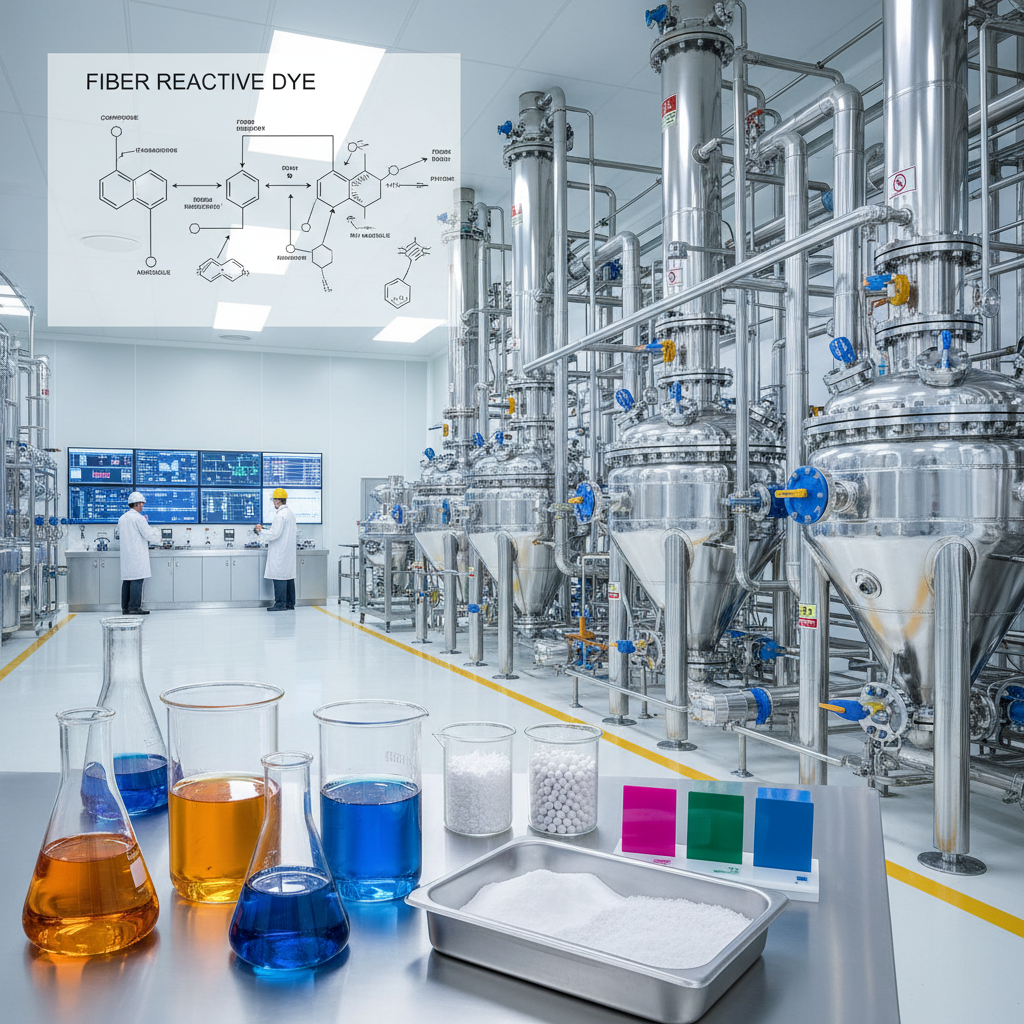
The fundamental principle behind fiber reactive dye lies in its ability to form a covalent bond with the fiber molecules, typically cellulose-based materials like cotton, linen, and viscose rayon. This chemical bonding, unlike traditional dyeing methods which rely on physical entrapment, results in exceptionally high wash fastness and color durability. The reactive groups within the dye molecule react with hydroxyl groups in the cellulose fiber, creating a stable and permanent connection.
This robust bonding is what sets fiber reactive dye apart, enabling fabrics to withstand repeated washings and exposure to light without significant color fading or bleeding. This makes it a preferred choice for applications requiring high performance, such as workwear, sportswear, and home textiles where color retention is critical.
Fiber reactive dye finds widespread application across diverse industries, primarily in the textile sector. The fashion industry utilizes it extensively for dyeing cotton garments, providing vibrant colors and excellent wash fastness for everything from casual wear to high-end couture. The home textile industry benefits from its durability, employing it for dyeing bed linens, towels, and upholstery fabrics that withstand frequent washing.
Beyond apparel and home textiles, fiber reactive dye is used in technical textiles, such as medical fabrics and protective clothing, where color stability and resistance to harsh conditions are paramount. In regions like India and China, where textile manufacturing is a dominant economic force, the demand for fiber reactive dye is particularly high. Moreover, it sees application in artistic textile production and specialized dyeing processes.
The advantages of fiber reactive dye extend beyond simply achieving vibrant and durable colors. Its superior wash fastness translates to longer-lasting garments, reducing the need for frequent replacements and minimizing textile waste. This contributes to a more sustainable consumer cycle. Furthermore, the efficient fixation rates of modern fiber reactive dyes minimize dye wastage and reduce the environmental burden associated with textile dyeing.
The long-term value proposition is compelling: enhanced product quality, reduced environmental impact, and improved brand reputation. Consumers are increasingly seeking sustainable products, and brands that prioritize eco-friendly dyeing practices gain a competitive advantage. Investing in fiber reactive dye technologies demonstrates a commitment to both product excellence and environmental stewardship.
The future of fiber reactive dye is focused on sustainability and innovation. Ongoing research aims to develop dyes with even higher fixation rates, minimizing effluent pollution and maximizing resource efficiency. Biochemical routes to producing reactive dye intermediates are also being explored, reducing reliance on petrochemical feedstocks. Digital textile printing, utilizing fiber reactive inks, is gaining traction, enabling precise and on-demand coloration with minimal waste.
Furthermore, advancements in dyeing auxiliaries and process optimization are enhancing the performance and environmental profile of fiber reactive dyeing. Nanotechnology is being investigated for delivering dyes directly to the fiber, further improving fixation and reducing water consumption. These innovations position fiber reactive dye as a crucial component of a more sustainable and efficient textile industry.
| Challenge | Opportunity | Impact on Fiber Reactive Dye | Mitigation Strategy |
|---|---|---|---|
| Effluent Treatment | Advanced Wastewater Technologies | Reduced Environmental Footprint | Implementing membrane filtration and biological treatment. |
| High Water Consumption | Low Liquor Ratio Dyeing | Resource Conservation | Optimizing dyeing processes for reduced water usage. |
| Dye Fixation Rates | Novel Reactive Dye Chemistries | Improved Efficiency & Reduced Waste | Developing dyes with enhanced reactivity and fixation. |
| Cost of Dyes | Economies of Scale & Optimized Synthesis | Increased Affordability | Streamlining production and sourcing materials effectively. |
| Regulatory Compliance | Eco-Certification & Traceability | Market Access & Consumer Trust | Adhering to international standards and obtaining relevant certifications. |
| Energy Consumption | Renewable Energy Integration | Reduced Carbon Footprint | Utilizing solar or wind power for dyeing operations. |
Fiber reactive dyes significantly reduce environmental impact due to their high fixation rates, minimizing dye wastage and subsequent water pollution. The covalent bond formed with the fiber ensures minimal dye runoff during washing, lessening the burden on wastewater treatment facilities. Furthermore, ongoing innovations are focused on developing dyes from more sustainable sources, reducing reliance on petrochemicals.
While the initial cost of some fiber reactive dyes can be slightly higher than traditional dyes, the long-term cost-effectiveness is often superior. This is due to reduced water and energy consumption, less dye wastage, and the enhanced durability of the dyed fabric, leading to longer product lifecycles and reduced need for replacements. The total cost of ownership is frequently lower.
Fiber reactive dyes are ideally suited for cellulose-based fabrics, including cotton, linen, viscose rayon, and hemp. These fibers contain hydroxyl groups that facilitate the covalent bond formation with the reactive dye molecules. While they can be adapted for other fibers, the results are generally most effective and durable on cellulosic materials.
Several factors contribute to successful fiber reactive dyeing, including precise pH control, optimal temperature management, appropriate electrolyte concentration, and proper dye selection. The quality of the water used also plays a crucial role. Careful control of these parameters ensures maximum dye fixation and minimizes defects like uneven coloration or poor wash fastness.
Yes, emerging trends include the development of bio-based reactive dye precursors, utilizing renewable resources instead of petrochemicals. Another trend is the exploration of novel reactive groups with enhanced fixation efficiency and reduced environmental impact. Furthermore, research is focusing on dyes that require less water and energy during the dyeing process, aligning with sustainability goals.
Digital textile printing, utilizing fiber reactive inks, is revolutionizing the dyeing process by enabling precise, on-demand coloration and minimizing waste. This technology allows for intricate designs and small production runs, reducing the need for large-scale, conventional dyeing. Fiber reactive inks ensure excellent wash fastness and color durability in digital printing applications.
In conclusion, fiber reactive dye represents a significant advancement in textile coloration, offering a compelling combination of vibrant colors, exceptional durability, and reduced environmental impact. Its unique chemical bonding process, coupled with ongoing innovations in dye chemistry and dyeing techniques, positions it as a cornerstone of sustainable textile production. The benefits extend beyond aesthetics, contributing to resource conservation, waste reduction, and a more responsible industry.
Looking ahead, continued research and development will further enhance the performance and eco-friendliness of fiber reactive dyes. Embracing these advancements is crucial for textile manufacturers seeking to meet evolving consumer demands and navigate increasingly stringent environmental regulations. For further information and cutting-edge solutions, visit our website: www.pezetech.com.