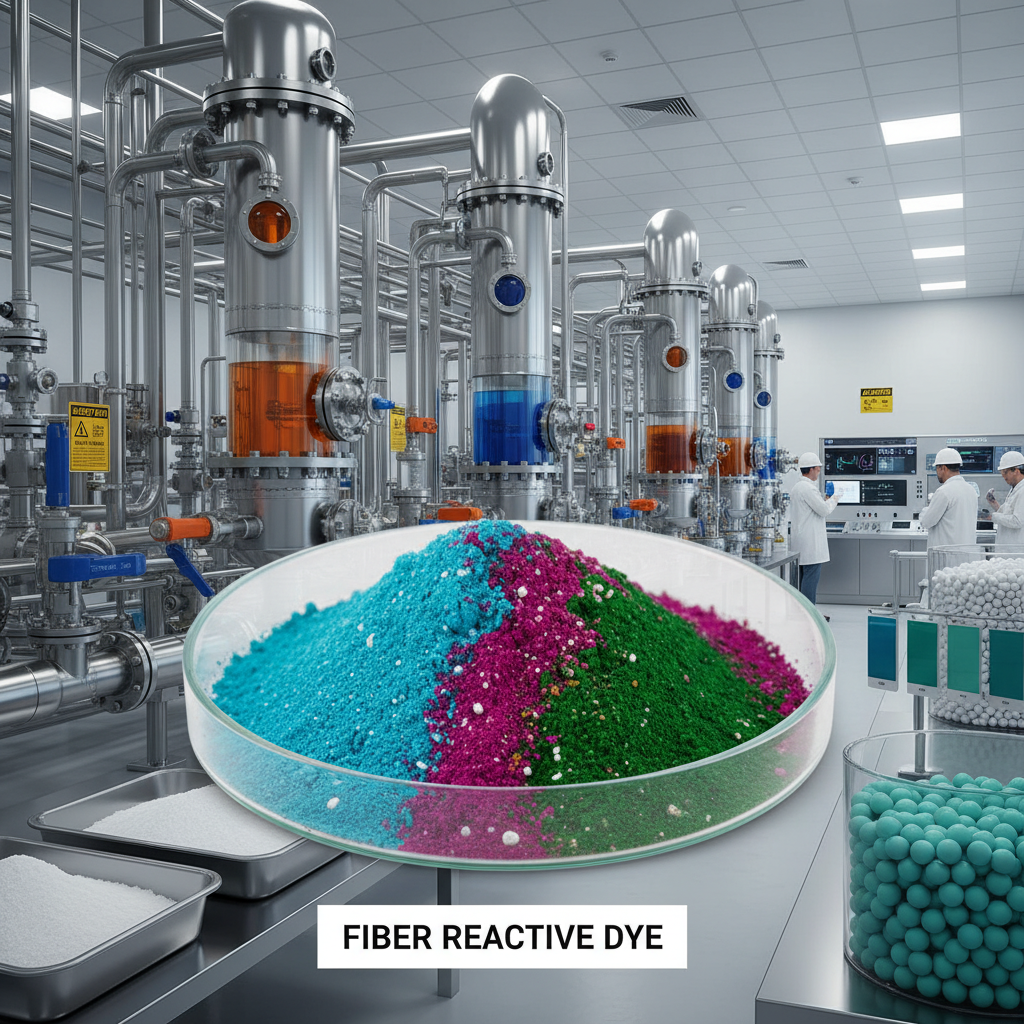
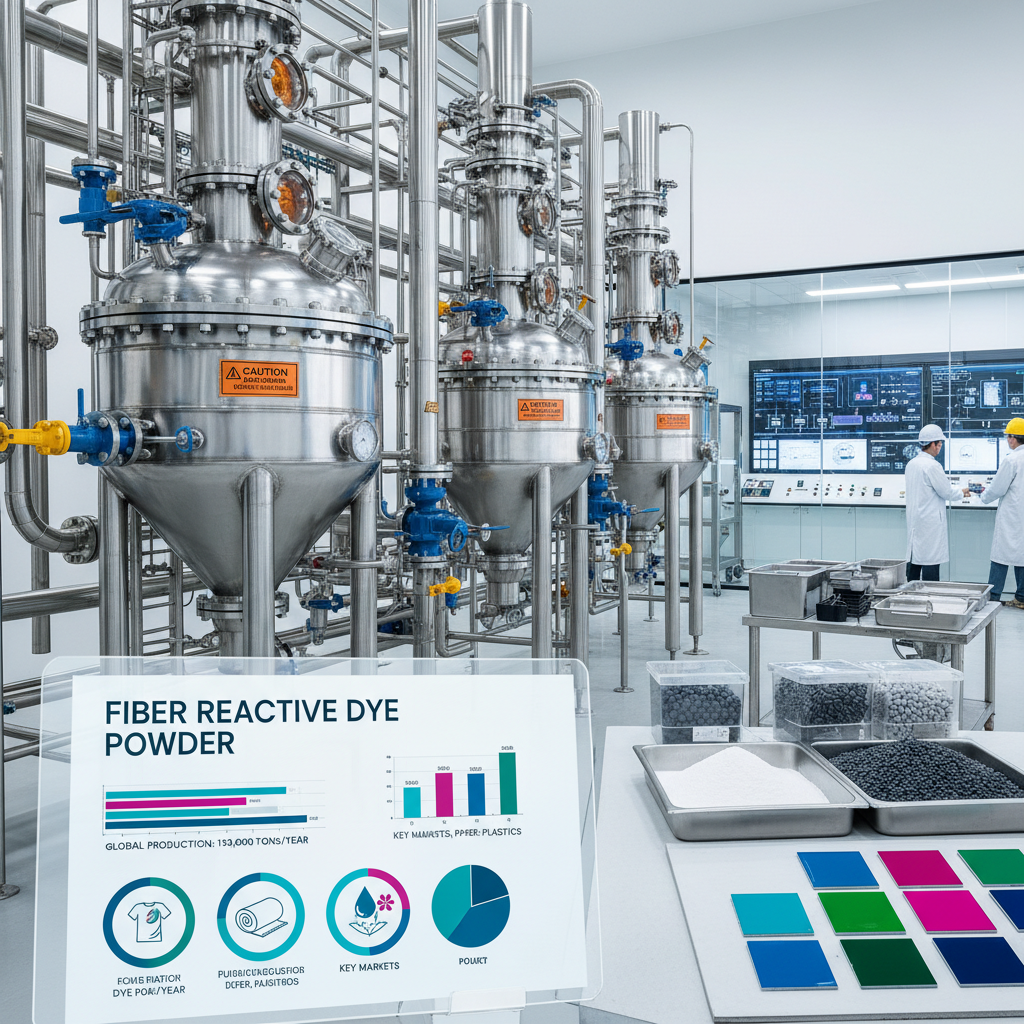
Fiber reactive dye powder represents a cornerstone of modern textile coloration, offering unparalleled brilliance, wash fastness, and environmental compatibility. Its increasing adoption globally stems from growing demands for sustainable and high-performance materials in fashion, home textiles, and industrial applications. Understanding the intricacies of fiber reactive dyes is crucial for manufacturers, designers, and researchers alike, as they navigate evolving consumer preferences and stringent environmental regulations. This knowledge unlocks the potential for innovative color solutions and minimized ecological impact.
The global textile industry, valued at over $1.7 trillion in 2022 (source: Statista), heavily relies on effective and sustainable dyeing processes. Traditional dyeing methods often involve significant water consumption and the release of harmful chemicals. Fiber reactive dye powder addresses these challenges by forming a covalent bond with cellulose fibers – such as cotton, linen, and rayon – leading to exceptional color retention and reduced effluent pollution. The demand for eco-friendly textiles is projected to grow at a CAGR of 9.5% from 2023 to 2030 (source: Grand View Research), underscoring the importance of adopting innovative dyeing technologies.
The effectiveness of fiber reactive dye powder lies in its ability to create a permanent chemical bond with the textile fiber, resulting in vibrant, long-lasting colors that withstand repeated washing and exposure to light. This stands in contrast to other dye types, which rely on physical entrapment and are prone to fading. Investing in understanding this technology not only benefits businesses through product quality but also supports a more sustainable future for the textile industry.
Introduction to Fiber Reactive Dye Powder
Fiber reactive dye powder is more than just a coloring agent; it’s a sophisticated chemical system designed for optimal performance and sustainability in textile dyeing. The unique reactive groups within the dye molecule enable a permanent bond with cellulose fibers, unlike many traditional dyes. This results in superior wash fastness, brighter shades, and reduced environmental impact.
The powder form itself offers distinct advantages in handling and application. It allows for precise dosage control, minimizes dust exposure compared to liquid formulations, and is often more cost-effective for larger-scale production runs. Selecting the right fiber reactive dye powder formulation is crucial for achieving desired color shades and performance characteristics, making careful consideration of factors like fiber type, dyeing conditions, and desired fastness properties essential.
Global Relevance and Industry Context
The demand for textiles remains incredibly high globally, fueled by population growth, changing fashion trends, and increasing disposable incomes. However, the textile industry has historically been a significant contributor to environmental pollution, particularly through wastewater discharge containing residual dyes and chemicals. This has spurred a global movement towards more sustainable and responsible textile production practices, with fiber reactive dye powder playing a key role in this transition.
International organizations like the United Nations Environment Programme (UNEP) and the Zero Discharge of Hazardous Chemicals (ZDHC) program are actively promoting the adoption of cleaner dyeing technologies. These initiatives emphasize the reduction of water usage, energy consumption, and the elimination of harmful substances from the textile supply chain. Compliance with these standards is becoming increasingly important for textile manufacturers seeking access to international markets and maintaining a positive brand reputation.
The ISO 14001 standard for environmental management systems is also driving adoption of more sustainable practices. Companies that implement and maintain ISO 14001 certification are demonstrating their commitment to minimizing their environmental footprint, often by incorporating environmentally-friendly dyeing solutions like fiber reactive dyes into their production processes. This commitment translates to a competitive advantage in the global marketplace.
Defining Fiber Reactive Dye Powder
Fiber reactive dye powder, at its core, is a class of dyes specifically designed to form a covalent chemical bond with the fiber molecule. This distinguishes it from other dye classes like direct dyes or vat dyes, which rely on weaker intermolecular forces. The ‘reactive’ component refers to a functional group within the dye molecule that facilitates this chemical reaction, resulting in a permanent and incredibly durable coloration.
This covalent bond is particularly effective on cellulose fibers – those derived from plants, like cotton, linen, hemp, and rayon. The dye reacts with hydroxyl groups (-OH) present in the cellulose structure, creating a stable dye-fiber linkage. This process is typically carried out in an alkaline environment, providing the necessary conditions for the reaction to occur efficiently and thoroughly.
The powder form is achieved through a carefully controlled drying process of the dye solution. This concentration of the dye in powder form simplifies storage, transportation, and precise application, making it a preferred choice for many textile manufacturers. Choosing the right fiber reactive dye powder depends on the specific fiber composition and desired shade, as different reactive groups offer varying levels of reactivity and color performance.
Key Characteristics of Fiber Reactive Dyes
The success of fiber reactive dyes stems from a unique set of properties that make them ideal for textile coloration. Foremost among these is their exceptional wash fastness. The covalent bond ensures the dye remains locked within the fiber structure, even after repeated washing cycles, maintaining the vibrancy and integrity of the color.
Another key characteristic is their brightness and color range. Fiber reactive dyes are capable of producing a wide spectrum of vivid and intense colors, catering to diverse design preferences. Furthermore, the relatively simple application process – typically involving alkali and controlled temperature – makes them accessible to a broad range of textile producers.
Fiber Reactive Dye Performance Metrics
Applications Across Industries
The versatility of fiber reactive dye powder extends across a wide range of industries. The apparel sector represents the largest consumer, utilizing these dyes for everything from everyday clothing to high-fashion garments. The demand for vibrant, durable, and sustainable clothing drives ongoing innovation in fiber reactive dye formulations.
Beyond apparel, the home textiles industry relies heavily on these dyes for coloring fabrics used in bedding, curtains, upholstery, and towels. The excellent wash fastness is particularly crucial in this application, ensuring the longevity and aesthetic appeal of these products. Industrial textiles, such as those used in filtration and protective clothing, also benefit from the durability and performance characteristics of fiber reactive dyes.
Benefits and Long-Term Value
Adopting fiber reactive dye powder offers tangible benefits beyond improved color quality. Cost efficiency is a significant advantage, as the high fixation rate minimizes dye waste and reduces the need for re-dyeing. Furthermore, the reduced water consumption and chemical discharge contribute to lower operational costs and a smaller environmental footprint.
The long-term value lies in enhanced brand reputation and customer loyalty. Consumers are increasingly demanding sustainable and ethically produced products, and utilizing eco-friendly dyeing solutions like fiber reactive dyes demonstrates a commitment to responsible manufacturing. This fosters trust and appeals to a growing segment of environmentally conscious consumers.
Using fiber reactive dye powder also improves worker safety due to reduced exposure to harmful chemicals, and the increased durability of the dyed fabrics leads to longer product lifecycles, aligning with circular economy principles.
Future Trends and Innovations
Research and development in fiber reactive dye powder are focused on several key areas. One promising trend is the development of dyes with even higher fixation rates, further minimizing waste and environmental impact. Another area of innovation is the creation of dyes that require lower dyeing temperatures, reducing energy consumption.
Digital textile printing is also driving demand for specialized fiber reactive dye formulations. These formulations must be compatible with inkjet printing technology and offer excellent color vibrancy and durability. Furthermore, the integration of biotechnology to produce dyes from renewable resources offers a pathway towards truly sustainable coloration solutions.
The increasing adoption of automation and process control technologies within textile dyeing facilities will also play a crucial role in optimizing dye utilization and minimizing environmental impact, maximizing the effectiveness of fiber reactive dye powder.
FAQS
Fiber reactive dyes generally have a lower environmental impact than many other dye classes due to their high fixation rates, meaning less dye is wasted and discharged into wastewater. They also typically require less water and energy for the dyeing process. However, the production of the dyes themselves can still have environmental consequences, so sourcing from responsible suppliers is crucial. Proper wastewater treatment is also essential to remove any remaining dye and auxiliary chemicals.
Fiber reactive dyes are most effective on cellulose fibers, including cotton, linen, rayon, hemp, and bamboo. These fibers contain hydroxyl groups that allow the dye to form a covalent bond. While they can be used on protein fibers like silk and wool with modifications, the results are often less vibrant and durable. Synthetic fibers generally require different types of dyes.
The process typically involves dissolving the dye powder in water, adding alkali (like soda ash) to raise the pH, and immersing the fabric in the dye bath. The fabric is then heated to facilitate the reaction between the dye and the fiber. After dyeing, the fabric is rinsed thoroughly to remove any unfixed dye and auxiliary chemicals. Precise control of temperature, pH, and dye concentration is crucial for optimal results.
Common issues include uneven dyeing, poor color fastness, and dye migration. These can be caused by inadequate dye solubility, improper pH control, insufficient agitation, or contamination of the dye bath. To avoid these issues, ensure the dye powder is fully dissolved, maintain the correct pH level, provide sufficient agitation, and use clean water and equipment.
Fiber reactive dye powder generally has a shelf life of 2-3 years when stored properly. It should be kept in a cool, dry, and dark place, away from direct sunlight and moisture. Exposure to air and light can degrade the dye and reduce its effectiveness. It is best to store the powder in its original, sealed packaging.
Yes, fiber reactive dye powder is excellent for tie-dye, batik, and other resist dyeing techniques. Its high fixation rate ensures vibrant and durable colors, even with complex patterns. The powder form is particularly convenient for these techniques, allowing for precise application and control over color placement. It’s important to follow standard resist dyeing procedures for best results.
Conclusion
Fiber reactive dye powder stands as a cornerstone of sustainable textile coloration, providing a powerful combination of vibrancy, durability, and environmental responsibility. Its unique chemical properties ensure a lasting bond with cellulose fibers, minimizing waste and maximizing color retention. From the apparel industry to home textiles and beyond, the benefits of adopting this technology are undeniable.
Looking ahead, continued innovation in fiber reactive dye formulations, coupled with advancements in dyeing processes and automation, will further enhance its sustainability and efficiency. Embracing this technology is not simply a matter of improving product quality; it’s a crucial step towards a more responsible and circular textile industry. To learn more about how fiber reactive dye powder can benefit your business, visit our website today.