HEMC Hydroxyethyl Methyl Cellulose: High Purity Thickener
Building Material HEMC / MHEC / HEC / HPMC Wall Putty Powder Hydroxyethyl Cellulose: field notes from the jobsite and the lab
If you work with dry-mix mortars or decorative putties, you’ve heard of hemc. To be honest, it’s not the flashiest ingredient, but it’s the one pros quietly depend on when tile adhesives must hang, plasters need open time, and putty should trowel like butter.
What it is and why it matters
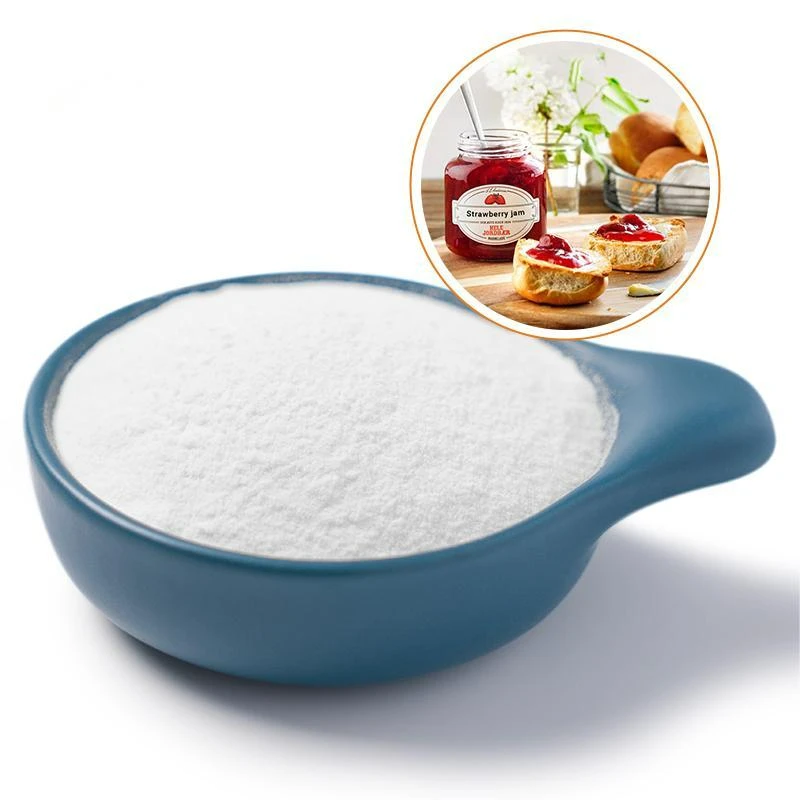
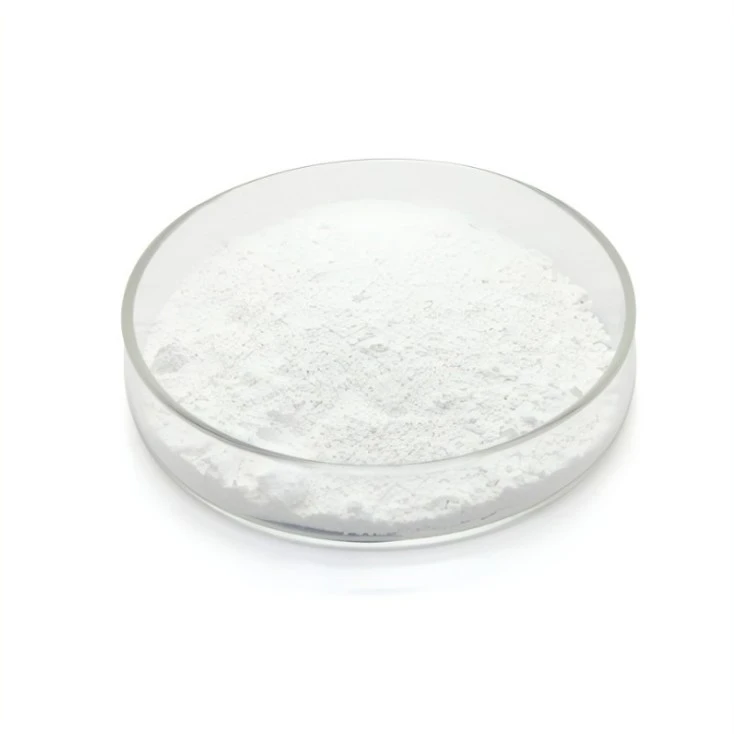
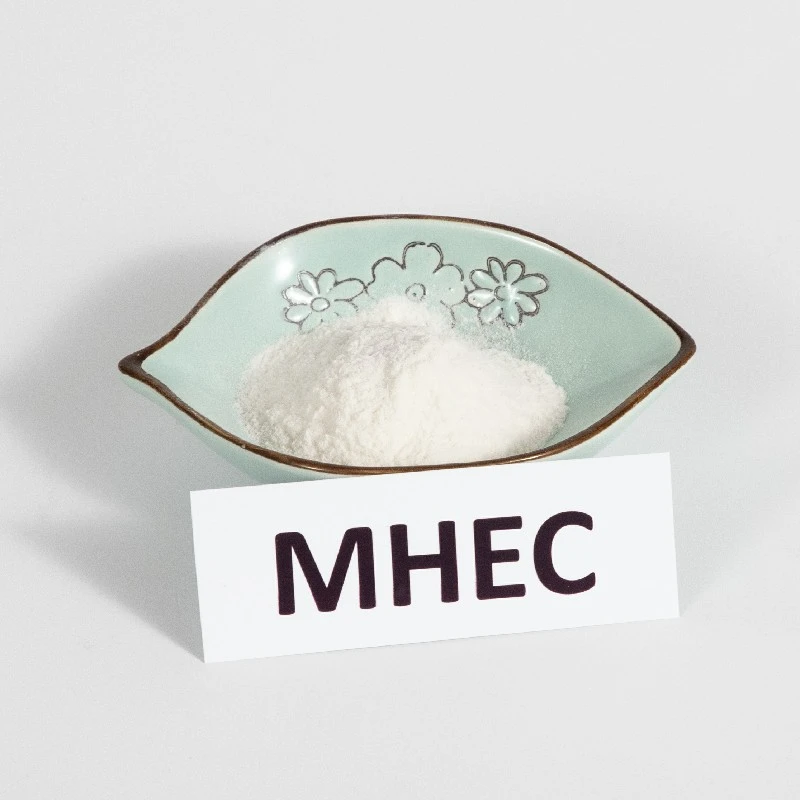
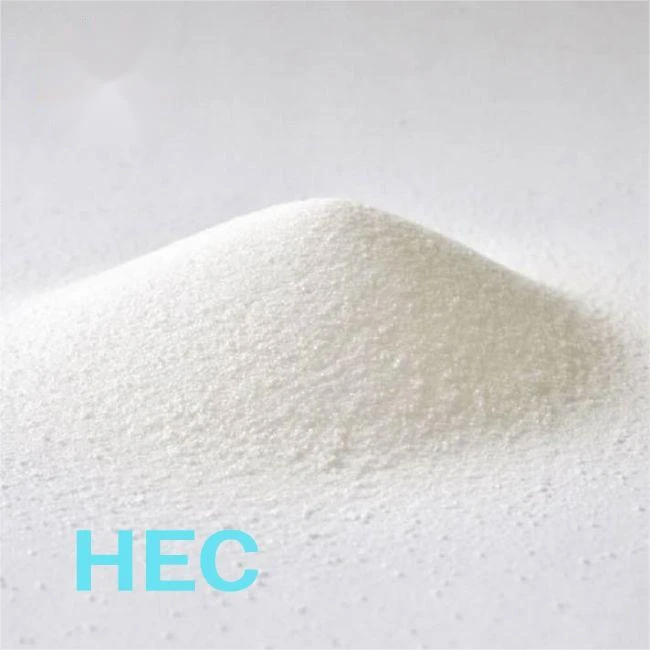
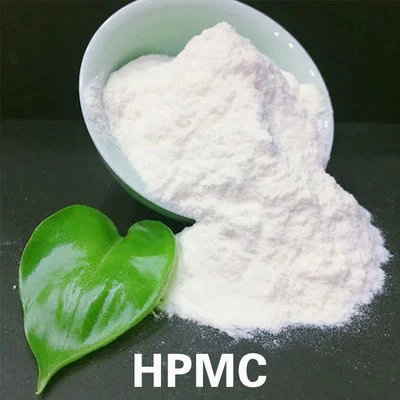
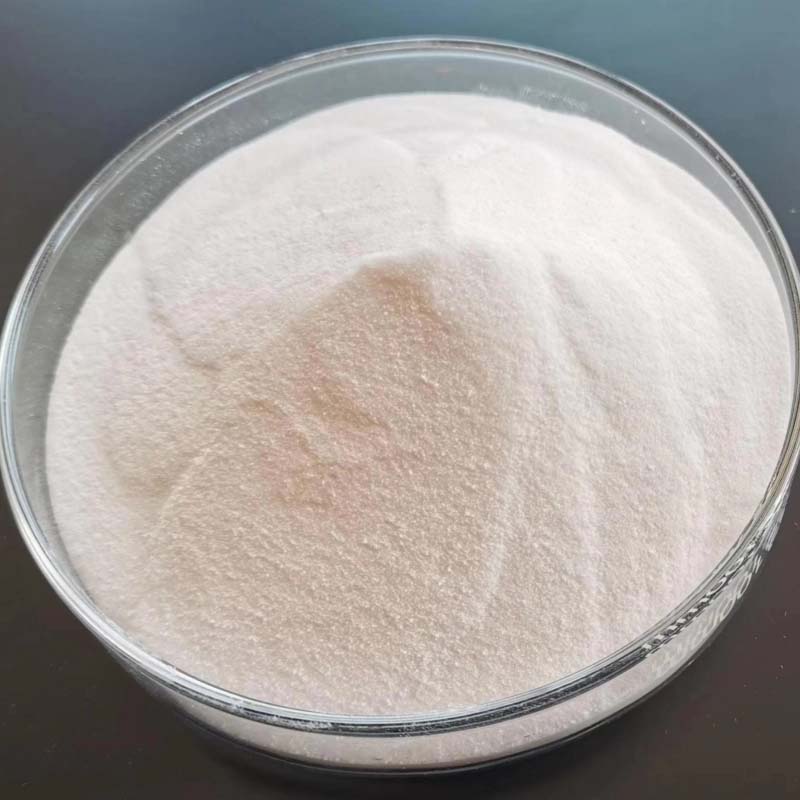
The product here—Building Material HEMC MHEC HEC HPMC Wall Putty Powder Hydroxyethyl Cellulose—comes from Pezetech (origin: 1601, Block B, New Century Diamond Plaza, No. 466 Zhongshan East Road, Chang'an District, Shijiazhuang City, Hebei Province). In fact, hemc (and its cousins MHEC/HEC/HPMC) is an odorless, non-toxic white powder that dissolves in cold water to form a clear, viscous solution. It provides thickening, bonding, emulsification, film formation, suspension, water retention, and colloidal protection. Aqueous solutions show strong hydrophilicity and, thanks to hydroxyethyl groups, surprisingly robust mildew resistance—many customers say viscosity remains stable even after long storage.
Industry trends (quick take)
- Shift to low-dust, high-retention hemc grades for jobsite health and cleaner mixing.
- Extended open time tile adhesives (EN 12004-1 C2E) to cope with warmer sites.
- Formulation optimization for lightweight mortars and gypsum machine plasters; stable rheology is the name of the game.
Product specifications (typical, real-world use may vary)
| Parameter | Typical Value |
|---|---|
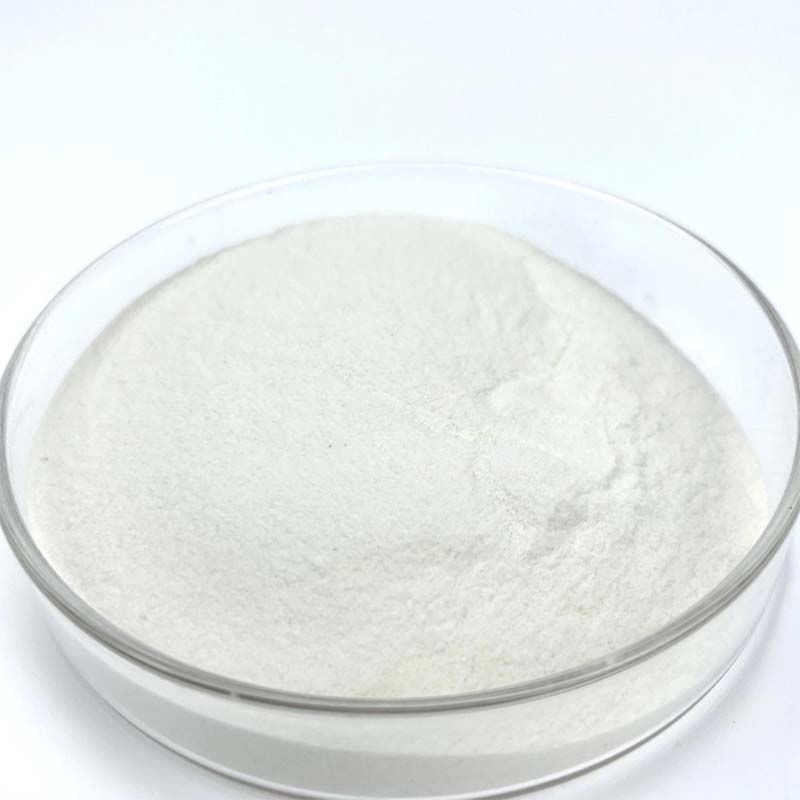
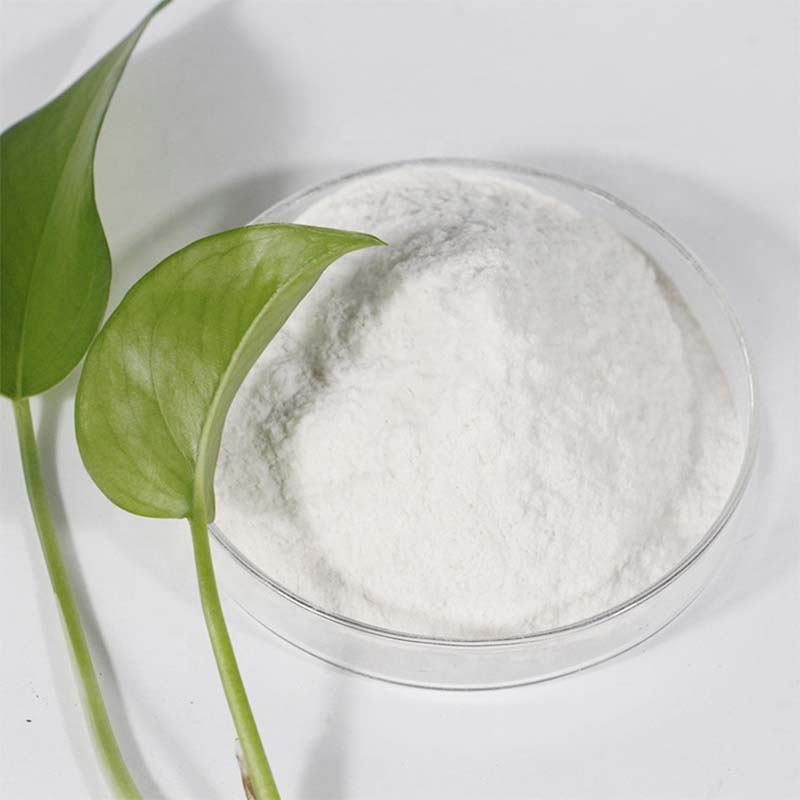
| Appearance | White to off-white powder |
| Viscosity (2% aq., Brookfield LV, 20°C, ASTM D2196) | ≈ 5,000–80,000 mPa·s (grade-dependent) |
| pH (2% solution) | 6.0–8.5 |
| Moisture | ≤ 5% |
| Ash content | ≤ 5% |
| Degree of substitution (overall) | ≈ 1.7–2.0 |
| Gel temperature | ≈ 68–75°C |
| Water retention (EN 1015 reference) | 88–97% |
| Particle size | ≥ 99% passing 80 mesh |
| Shelf life | 24 months (dry, sealed) |
Process flow (how it’s made and verified)
Materials: refined cellulose + NaOH (alkalization), etherifying agents (e.g., methyl chloride, ethylene oxide). Methods: alkalization → etherification → neutralization → washing → drying → milling → sieving. QC: viscosity (ASTM D2196), moisture (oven), pH, ash, sieve analysis, mold resistance. Service life in structures? Hard to pin down, but mortars using quality hemc typically maintain performance throughout the substrate life (≈20–30 years), assuming correct formulation and curing.
Applications and advantages
- Wall putty/skim coats: smoother glide, fewer trowel marks, extended open time.
- Tile adhesive: anti-slip, wet tack; compatible with EN 12004-1 C1/C2 formulations.
- Gypsum plaster: improved cohesion, sag resistance; better pumpability.
- Self-leveling (careful with dosage): controlled viscosity, reduced segregation.
- Architectural paints: stabilization, brushability.
Vendor snapshot (what buyers compare)
| Vendor | Viscosity tolerance | Lead time | Certs | Customization |
|---|---|---|---|---|
| Pezetech (this product) | ±8% (typical) | 7–15 days | ISO 9001, REACH-ready | Grades for putty, C1/C2, gypsum; low-dust option |
| Vendor X (generic import) | ±12–15% | 15–25 days | ISO 9001 | Limited SKUs |
| Vendor Y (regional trader) | ±10–12% | Stock-dependent | — | Re-bag only |
Customization, packaging, and feedback
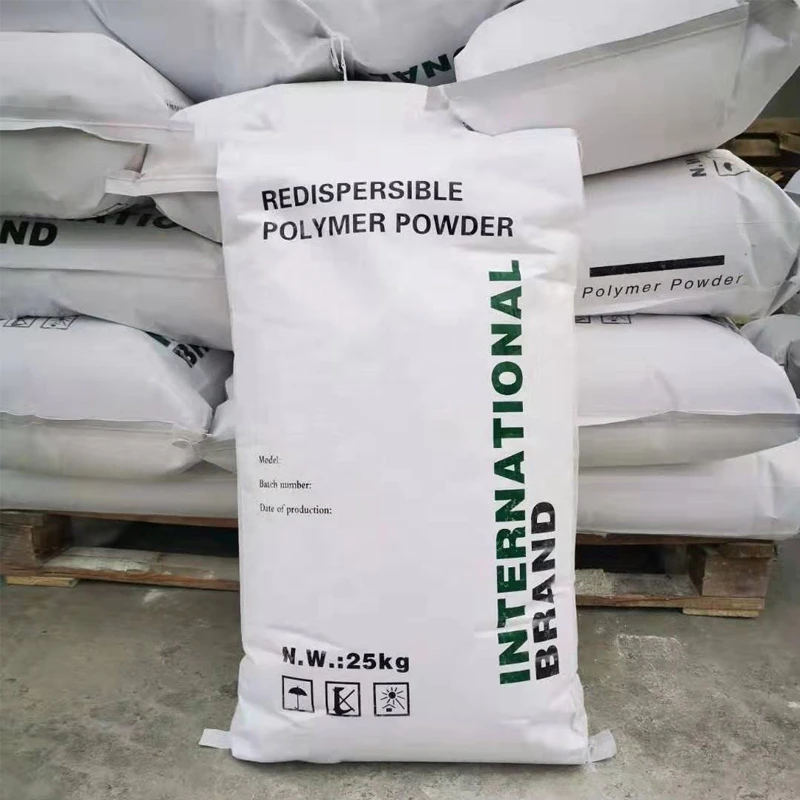
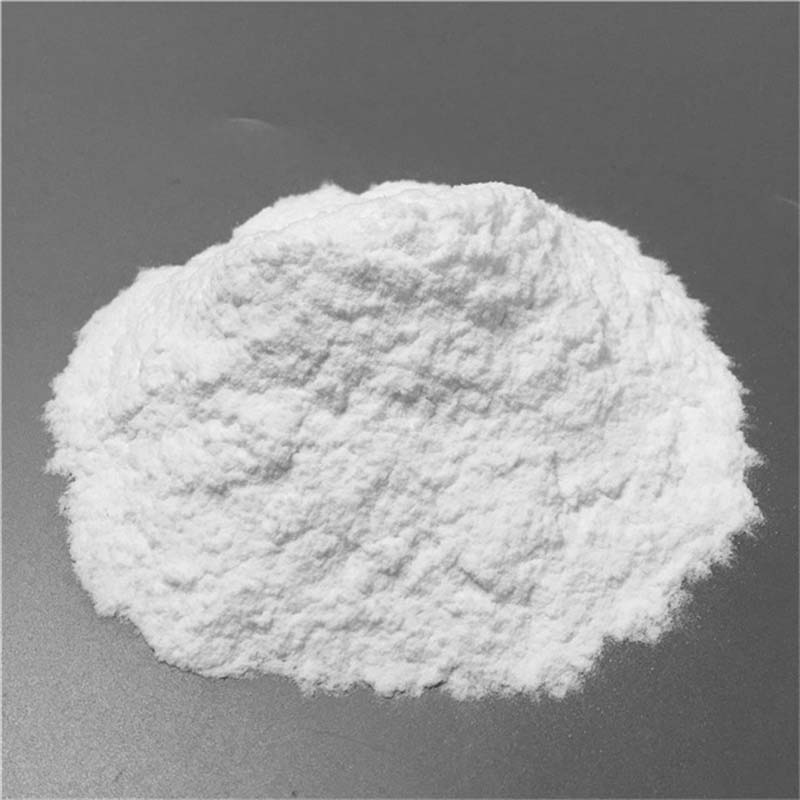
Custom grades target open time, anti-sag, or trowelability—ask for viscosity bands and surface treatment. Standard pack is 25 kg paper/PP bag with PE liner (moisture-sensitive). Actually, contractors keep telling me they notice less lumping during cold-water dispersion and steadier workability across batches—small but meaningful wins.
Case notes (brief)
- Humid-coastal tile adhesive: switching to a higher-retention hemc grade reduced tile slip by ≈35% and lifted EN 12004-1 tensile adhesion to >1.2 MPa (28d, lab data).
- Gypsum machine plaster, MENA: dosage cut from 0.35% to 0.28% after optimization; pumpability improved and surface blistering dropped noticeably.
Standards and compliance
Key references include ASTM D2196 for viscosity, EN 12004-1 for tile adhesives classification, and ISO 9001 for QMS. Environmental/regulatory: REACH registration and SDS per GHS are typically available on request.
Authoritative citations
-
Top Guide to Selecting Professional vae emulsion manufacturersNewsApr.16,2026
-
Viscosity of HPMCNewsApr.15,2026
-
HPMC Powder UsesNewsApr.15,2026
-
Understanding VAE Emulsion for Modern Industrial CoatingsNewsApr.09,2026
-
Comprehensive Guide to Redispersible Emulsion Powder and its ApplicationsNewsApr.07,2026
-
Comprehensive Guide to Redispersible Latex Powder for Construction ApplicationsNewsApr.04,2026