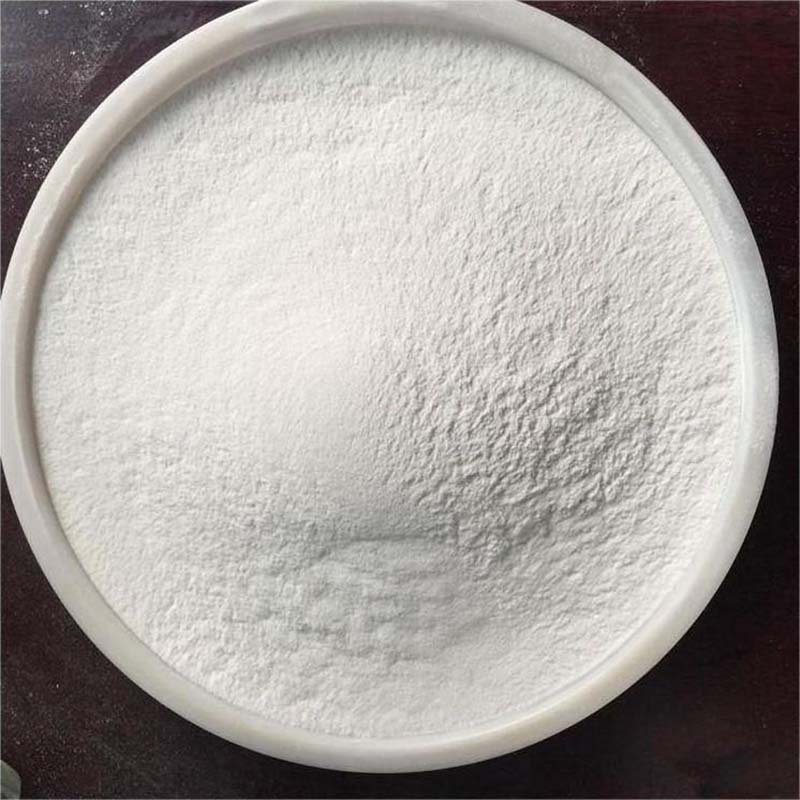
High-Performance cellulose ether hpmc Solutions for Venezuela's Industrial Sector

Optimizing chemical precision and viscosity control for the Venezuelan manufacturing landscape with advanced specialty additives.

High-Performance cellulose ether hpmc Solutions for Venezuela's Industrial Sector

Providing the Venezuelan chemical industry with high-purity specialty chemicals to enhance stability, texture, and performance across textile and construction applications.

Chemical Manufacturing Landscape in Venezuela

Analyzing the integration of specialty chemicals in a volatile economic environment.

The chemical manufacturing sector in Venezuela currently faces a dual challenge: maintaining high production standards amidst economic fluctuations and adapting to the humid tropical climate. The demand for reliable cellulose ether has grown as local industries seek cost-effective ways to stabilize emulsions and thicken industrial coatings without sacrificing quality.

In the textile hubs of Venezuela, the reliance on efficient textile paste is critical. Local manufacturers are shifting toward high-viscosity binders that can withstand high ambient temperatures and humidity, ensuring that prints remain sharp and dyes adhere properly to various fabric substrates.

Furthermore, the adoption of natrium alginate is increasing in specific food and pharmaceutical niches within the region. The need for sustainable, bio-based thickeners is driving the transition from synthetic polymers to these naturally derived specialty chemicals to meet international export standards.
Evolution of Specialty Chemical Applications in Venezuela

From traditional thickening agents to precision molecular engineering.

Market Development History

Prior to 2010, the Venezuelan market relied heavily on basic starch-based thickeners and generic polymers. During this era, the focus was primarily on volume rather than precision, resulting in inconsistent batch quality in the textile and construction sectors.

Between 2010 and 2020, there was a significant shift toward modified polymers. The introduction of specialized cellulose ether hpmc allowed local manufacturers to achieve better water retention and open-time in construction adhesives, adapting to the region's rapid evaporation rates.

From 2020 to the present, the trajectory has moved toward "Green Chemistry." There is now a focused integration of high-purity fiber reactive dye agents that reduce water pollution and improve energy efficiency during the curing process.

Future Development Trends

Bio-Polymer Substitution

A shift toward 100% biodegradable thickeners, increasing the market share of modified algae-based derivatives.

Precision Viscosity Control

Implementation of AI-driven mixing ratios to optimize the use of textile paste, reducing waste by up to 15%.

Eco-Friendly Dyeing Systems

The transition to low-salt, high-fixation dyes to comply with stricter environmental regulations in South American trade blocs.

Industry Trends & Future Outlook

Strategic forecasting for the Venezuelan specialty chemical market (2024-2029).

Sustainable Sourcing
Increased demand for plant-based cellulose derivatives to replace synthetic petroleum-based thickeners.
Digital Formulations
Integration of cloud-based formulation tools to standardize viscosity across different production sites.
Climate Adaptation
Development of heat-stable chemical agents that maintain performance during Venezuela's extreme summer peaks.
Circular Chemistry
Implementing closed-loop recovery systems for industrial dyes and thickeners to reduce cost.

Industry Outlook

Based on regional search trends and industrial demand, we project a 4.2% annual growth in the adoption of high-performance cellulose ether products. This is primarily driven by the modernization of the textile printing sector, which requires more stable rheology control.

Future competitiveness for Venezuelan manufacturers will depend on their ability to integrate high-fixation fiber reactive dye technologies, reducing water consumption and aligning with global ESG standards for chemical exports.

Localized Application Scenarios in Venezuela

Practical implementation of specialty chemicals across diverse industrial sectors.

01. Textile Printing in Carabobo

Using advanced textile paste to achieve high-definition patterns on cotton fabrics, ensuring stability against the high humidity of the coastal region.

02. Construction Adhesives in Caracas

Integration of cellulose ether hpmc in tile adhesives and wall plasters to prevent rapid drying and shrinkage during high-temperature installation.

03. Pharmaceutical Gelling in Valencia

Application of natrium alginate as a high-stability thickening agent for local pharmaceutical gels and medical-grade suspensions.

04. Industrial Fabric Dyeing in Aragua

Implementation of high-efficiency fiber reactive dye systems to create vibrant, wash-fast colors for the regional apparel industry.

05. Special Coating Manufacture

Utilizing a blend of cellulose ether to create moisture-resistant coatings for industrial equipment used in oil and gas infrastructure.

Brand Story

Global Development History of Peze Tech (Shijiazhuang) Co., Ltd.

Foundation and Vision

Established as a precision-driven chemical manufacturer focused on solving viscosity and stability pain points in the global industrial market.

Technological Breakthrough

Developed a proprietary purification process for cellulose derivatives, ensuring 99% consistency across every batch produced.

Global Expansion

Extended our reach to South America, tailoring our chemical formulations to meet the unique climatic challenges of markets like Venezuela.

Sustainability Commitment

Launched a green chemistry initiative to replace harmful synthetic polymers with eco-friendly, bio-based alternatives.

Future Leadership

Becoming the world's most trusted partner for specialty chemical solutions through continuous R&D and localized technical support.

Frequently Asked Questions - Venezuela Industrial Chemicals

Expert answers to common technical challenges faced by regional manufacturers.

How does cellulose ether hpmc improve mortar performance in hot climates?

It acts as a water-retention agent, slowing down the evaporation of water in the mix, which prevents cracking and improves the workability of construction materials in Venezuela's heat.

What is the best textile paste for high-humidity printing?

A high-viscosity, modified cellulose-based paste is recommended as it maintains a stable rheological profile even when ambient humidity is high, preventing ink bleeding.

Can natrium alginate replace synthetic thickeners in pharma?

Yes, natrium alginate provides a natural, non-toxic alternative that offers superior gelling properties and stability for pharmaceutical suspensions.

How to maximize the fixation rate of fiber reactive dye?

By controlling the pH levels of the dye bath and utilizing precision alkali additives, you can ensure maximum covalent bonding between the dye and the fiber.

What is the difference between standard cellulose ether and HPMC?

HPMC (Hydroxypropyl Methylcellulose) is a specific type of cellulose ether with enhanced thermal gelation properties and better compatibility with various industrial additives.

Are these specialty chemicals compatible with automated dosing systems?

Yes, our products are manufactured with a consistent particle size distribution to ensure smooth dissolution and precision dosing in automated chemical plants.

Ready to Optimize Your Production?

Get professional technical support and customized chemical formulations tailored for the industrial requirements of Venezuela.

Contact Us Now

If you are interested in our products, you can choose to leave your information here, and we will be in touch with you shortly.