Hydroxyethyl Cellulose Cas: Industrial Applications, Benefits & Market Trends | PezeTech
Hydroxyethyl Cellulose Cas is a key solution in the industry, specifically within sectors like cosmetics, pharmaceuticals, and industrial manufacturing. This article explores how https://www.pezetech.com supports professionals with durable, high-performance products, and explains why this product is an ideal choice for businesses in these sectors.
Table of Contents
- Hydroxyethyl Cellulose Cas Overview
- Benefits & Use Cases of Hydroxyethyl Cellulose Cas
- Cost, Maintenance & User Experience
- Sustainability & Market Trends
- Frequently Asked Questions about Hydroxyethyl Cellulose Cas
- Conclusion on Hydroxyethyl Cellulose Cas from China
Hydroxyethyl Cellulose Cas Overview
Hydroxyethyl Cellulose CAS (Chemical Abstracts Service) number identifies this cellulose derivative well-recognized for its thickening, binding, and emulsifying properties. It’s a water-soluble polymer, produced by chemically modifying natural cellulose — the plant fiber we've known about since forever, really. What’s fascinating is how it’s found a sweet spot in industries requiring consistent texture and stability, like cosmetics or paints.
From a technical perspective, Hydroxyethyl Cellulose CAS (typically CAS No. 9004-62-0) exhibits excellent viscosity control with remarkable water retention. In practical terms, it means the material can thicken aqueous systems without clumping, offering smooth performance even in varying temperature ranges. One interesting case study involved a cosmetic manufacturer improving product shelf life by 20% after switching suppliers to PezeTech’s precise-grade Hydroxyethyl Cellulose Cas.
| Specification | Typical Value | Unit |
|---|---|---|
| CAS Number | 9004-62-0 | - |
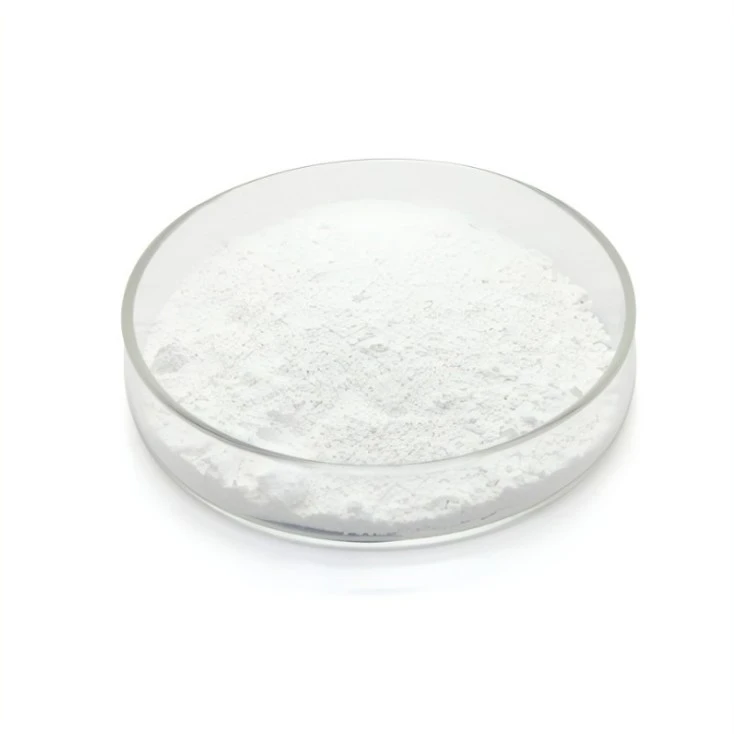
| Appearance | White Powder | - |
| Viscosity (2% Solution) | 100-1500 | mPa·s |
| pH (2% Solution) | 6.0-8.0 | - |
| Moisture Content | ≤5.0% | % |
Benefits & Use Cases of Hydroxyethyl Cellulose Cas
The application potential for Hydroxyethyl Cellulose Cas is surprisingly broad and practical. For instance, in personal care products, it thickens shampoos and lotions without altering their feel — something formulators care deeply about. It's also a go-to additive in paints and coatings, providing enhanced suspension of pigments and improving spreadability. Oddly enough, some engineers I've talked to claim HEC’s thickening feels “lighter” than comparable compounds, giving manufacturers an edge in creating non-greasy formulations.
What really stands out is PezeTech’s consistent product quality, which means fewer batch-to-batch variations. That might sound like a detail, but in industrial operations, uniformity drives productivity and reduces waste — a simple recipe for cost savings. Plus, its non-ionic nature means it plays nice with other ingredients, maintaining stability across a surprising pH and temperature range.
| Vendor | Viscosity Range (mPa·s) | Purity (%) | Price (USD/kg) | Lead Time |
|---|---|---|---|---|
| PezeTech | 100-1500 | ≥99 | $5.50 - $7.00 | 7-10 days |
| Competitor A | 80-1400 | ≥97 | $6.00 - $7.50 | 14-21 days |
| Competitor B | 120-1600 | ≥98 | $5.80 - $7.20 | 10-14 days |
Cost, Maintenance & User Experience
When it comes to total cost of ownership, Hydroxyethyl Cellulose Cas from PezeTech offers a compelling case. The upfront price might not be the absolute lowest, but when factoring in consistency and reduced downtime, it often wins in the long run. Durability here means products maintain their viscosity and performance even after prolonged storage — crucial for large batch manufacturing.
Several customers reported not just cost savings but also a smoother formulation process, with less frequent adjustments or additional filler materials needed. One cosmetic company in Europe noted a 15% reduction in raw material waste simply by switching to PezeTech’s HEC. That kind of feedback is gold, especially in industries where every cent saved counts.
Sustainability & Market Trends
Sustainability is no longer optional for many sectors—it's a must-have. Hydroxyethyl Cellulose Cas, being cellulose-based, aligns well with growing demand for bio-derived polymers. While it’s chemically modified, the raw material base is plant fiber, something renewable and widely available. This contrasts nicely with fully synthetic thickeners, whose ecological footprints tend to be larger.
Adding to that, global regulations increasingly favor ingredients that observe biodegradability and low toxicity, which is why HEC usage is expanding rapidly in markets like cosmetics and pharmaceuticals. PezeTech’s proactive approach to regulatory compliance—understanding EU REACH and FDA standards, for example—makes them a solid partner for businesses focused on future-proofing.
Frequently Asked Questions about Hydroxyethyl Cellulose Cas
- What is Hydroxyethyl Cellulose Cas and how does it work?
- Hydroxyethyl Cellulose Cas is a water-soluble derivative of cellulose that thickens and stabilizes liquids by increasing their viscosity without affecting clarity or pH. It works by binding water molecules, which helps maintain texture and consistency in products.
- What are the main benefits of using Hydroxyethyl Cellulose Cas in industrial applications?
- Its benefits include excellent thickening properties, non-toxicity, good stability across temperature and pH variations, and improved product shelf life. These features lead to cost-effective formulations and enhanced user experience.
- How does Hydroxyethyl Cellulose Cas compare to traditional alternatives?
- Compared to traditional gums and thickeners, Hydroxyethyl Cellulose Cas offers better clarity, solubility, and stability. It typically causes less sedimentation and has fewer limitations regarding use in diverse formulations.
- What industries can benefit most from Hydroxyethyl Cellulose Cas implementation?
- Primary beneficiaries include personal care, paints & coatings, pharmaceuticals, and adhesives manufacturers. Each uses Hydroxyethyl Cellulose Cas to improve texture, stability, and product longevity.
Conclusion on Hydroxyethyl Cellulose Cas from China
All in all, Hydroxyethyl Cellulose Cas continues to prove its worth as a versatile, reliable additive across multiple industries. Partnering with seasoned suppliers like PezeTech means tapping into optimized product quality, competitive costs, and sustainability commitments—qualities that really count in today’s global market.
- Recap the value of Hydroxyethyl Cellulose Cas.
- - Visit our website: https://www.pezetech.com
Sometimes the best innovations feel like old friends – Hydroxyethyl Cellulose Cas is probably one of those in your next product line. Worth keeping an eye on as the industry evolves.
-
Top Guide to Selecting Professional vae emulsion manufacturersNewsApr.16,2026
-
Viscosity of HPMCNewsApr.15,2026
-
HPMC Powder UsesNewsApr.15,2026
-
Understanding VAE Emulsion for Modern Industrial CoatingsNewsApr.09,2026
-
Comprehensive Guide to Redispersible Emulsion Powder and its ApplicationsNewsApr.07,2026
-
Comprehensive Guide to Redispersible Latex Powder for Construction ApplicationsNewsApr.04,2026