Selecting the right rheology modifier often comes down to a balance between water retention, open time, and cost-efficiency. In the construction chemical sector, the synergy between cellulose ethers and modified starches has become a focal point for engineers seeking to optimize mortar performance without inflating material costs.
While many procurement managers search for china hpmc to secure high-quality thickeners, the industry is shifting toward hybrid systems. By combining Hydroxypropyl Methyl Cellulose (HPMC) with alternatives like Hydroxypropyl Starch Ether (HPS), manufacturers can achieve superior sag resistance and workability while reducing the overall cellulose load.
This analysis explores the technical mechanics of these additives, their practical application in modern wall putties, and the decision framework required to balance performance with budget.


Cellulose ethers, particularly HPMC, act as the backbone for water retention in cementitious materials. They prevent the rapid absorption of water into the substrate, ensuring that the hydration process of the cement occurs fully, which directly impacts the final strength and reduces shrinkage cracks.
Beyond water retention, these polymers manage the viscosity of the mix. In the context of china hpmc sourcing, the focus is often on achieving a consistent viscosity grade that ensures the material stays on the wall without dripping while remaining easy to spread.
While HPMC provides exceptional water retention, integrating Hydroxypropyl Starch Ether (HPS) introduces a different thickening mechanism. HPS is a white fine powder derived from natural plants and is highly etherified, making it an ideal admixture for cement-based and lime-calcium-based putties.
The synergy occurs when HPS is used in conjunction with methyl cellulose ethers. This combination increases the thickness of the applied layer and promotes a more stable internal structure. From a technical standpoint, HPS reduces the total amount of cellulose ether required, optimizing the cost-to-performance ratio.
Furthermore, this hybrid approach improves the compatibility of other building admixtures within the mortar, ensuring that the chemical interactions do not lead to premature setting or unexpected viscosity drops during application.
One of the most persistent challenges in wall putty application is "sagging," where the material slides down the vertical surface. This is typically caused by insufficient yield stress in the fresh mortar.
The integration of HPS enhances anti-slide ability by providing rapid thickening and medium viscosity, allowing for thicker layers of putty to be applied in a single pass without compromising structural integrity.
By extending the open time of the materials, these additives allow workers more flexibility to smooth the surface, resulting in a more professional finish. This is particularly critical for high-end interior skim coats where surface flatness is the primary quality metric.
When evaluating HPS grades, such as the HPS-901 or HPS-902, viscosity is the primary indicator of performance. A typical 5% solution viscosity range of 3000-7000 MPa·S ensures that the powder can create a stable emulsion layer quickly upon dispersal in water.
The efficacy of these additives is also measured by their hydroxypropyl content, which typically ranges between 15.0% and 19.0%. Higher substitution degrees generally correlate with better thickening efficiency and improved wear resistance in textile applications.
In a typical tile adhesive formulation, HPS powder is utilized to create a rapid emulsion layer, which significantly enhances the wet-adhesion of the tile to the substrate. This is critical in large-format tile installations where the risk of sliding is high.
For wall putty and skim coats, the recommended dosage of HPS usually falls between 0.3% and 0.5%. When combined with the production capabilities of manufacturers like Peze Technology, which offers a yearly output of 40,000 metric tons, the global construction industry can ensure a stable supply of these critical non-ionic cellulose ether solutions.
The industry is moving toward more sustainable, plant-based modifications. The shift from purely synthetic polymers to highly etherified natural starches reflects a broader trend in green chemistry, aiming to reduce the environmental footprint of construction materials.
We are seeing an increase in the demand for customizable redispersible polymer powders (RDP) and specialized cellulose ethers. The ability to tailor the substitution degree of hydroxypropyl starch allows for its use not only in construction but also as a warp size in the textile industry to increase weaving efficiency.
The next challenge for the sector is the development of additives that can maintain high performance in extreme climatic conditions—specifically, additives that resist viscosity loss in high-temperature environments while maintaining low-temperature solubility.
Procuring chemicals from china hpmc suppliers requires a rigorous evaluation of technical data sheets. Buyers should not focus solely on the price per kilogram but rather on the "efficacy per unit," considering how much product is required to reach the target viscosity.
The trade-off between HPMC and HPS often involves balancing absolute water retention (where HPMC excels) against rapid thickening and cost reduction (where HPS excels). A dual-additive system is generally the most robust solution for professional-grade mortars.
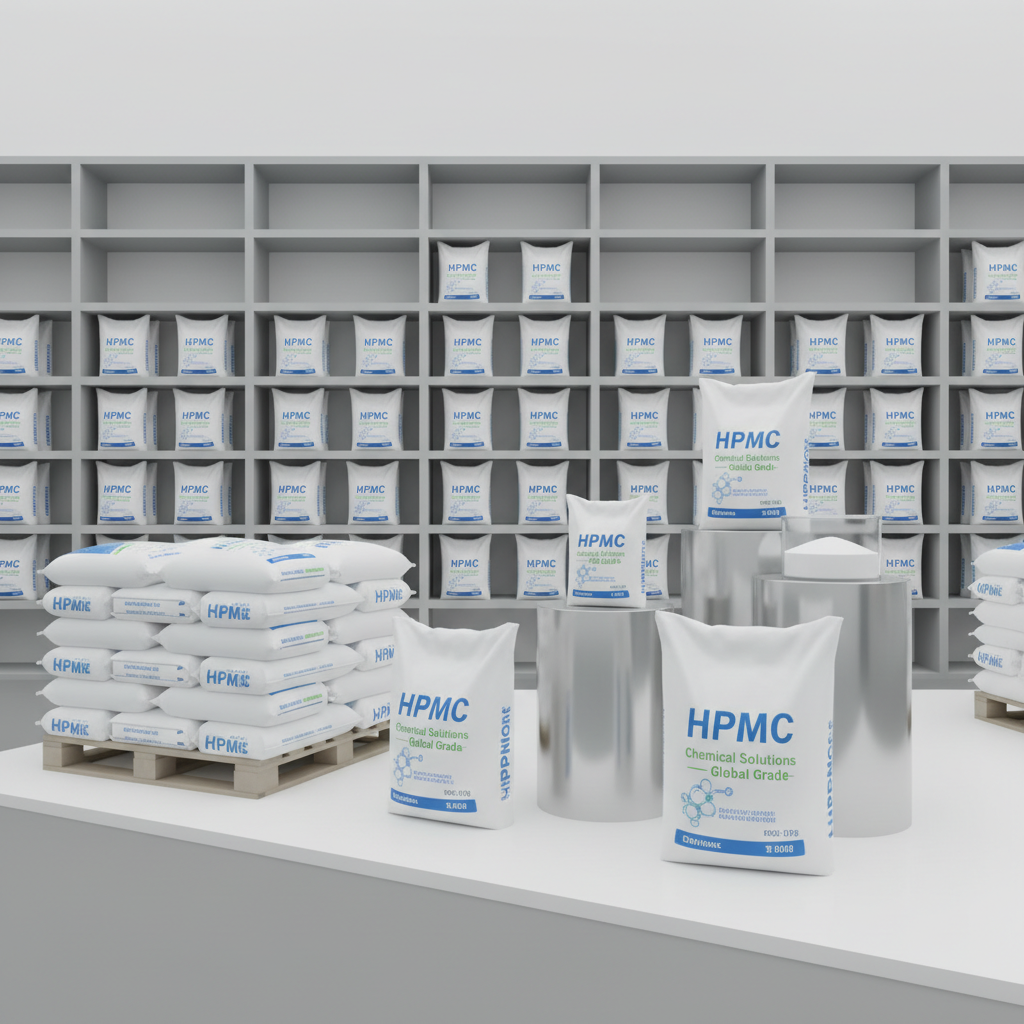
Finally, logistics and packaging—such as the standard 25kg bag or 600kg pallet options—play a role in the total cost of ownership, especially for worldwide shipping under CIF or FOB terms.
| Evaluation Factor | HPMC Performance | HPS Performance | Recommended Synergy |
|---|---|---|---|
| Water Retention | High | Medium | Combination for Max Hold |
| Thickening Speed | Gradual | Rapid | HPS for Initial Body |
| Anti-Slide Ability | Moderate | High | HPS for Heavy Layers |
| Open Time | Excellent | Good | Combined for Flexibility |
| Cost Efficiency | Baseline | Higher | HPS to reduce HPMC load |
| Compatibility | Universal | Very High | Seamless Integration |
HPMC (Hydroxypropyl Methyl Cellulose) is primarily used for its superior water retention and stability, preventing the mortar from drying too quickly. HPS (Hydroxypropyl Starch Ether) focuses more on rapid thickening and enhancing the anti-slide (sag resistance) properties of the material. While HPMC ensures the chemical hydration of cement, HPS improves the operational "feel" and allows for thicker applications.
The recommended dosage for HPS is generally 0.3% to 0.5%. At this level, it provides a significant increase in workability and reduces the amount of more expensive cellulose ether needed. Exceeding the recommended dosage may lead to excessive viscosity, making the putty difficult to spread, while too little may result in sagging and poor internal structure.
Generally, no. HPS is designed as a complementary additive rather than a total replacement. While it provides excellent thickening, it does not match the water retention capabilities of HPMC. The most effective industrial approach is a hybrid system where HPMC handles the hydration stability and HPS handles the rheology and cost optimization.
Buyers should prioritize the viscosity (typically 3000-7000 MPa·S for a 5% solution), the hydroxypropyl content (15%-19%), and the pH value (usually 9-12). Additionally, ensuring the product is a white fine powder with no caking is essential for consistent dispersal in automatic mixing equipment.
Yes, HPS is highly effective in the textile industry. Due to its high substitution degree, it can be used as a warp size to increase the wear resistance of yarns and improve weaving efficiency. It also functions as a thickener in various organic liquids and coatings.
Most professional manufacturers offer flexible shipping options including FOB, CIF, and CFR. Standard packaging is 25kg bags, often palletized at 500-600kg per pallet. Lead times typically range from 1 to 2 weeks, and sample shipping via FedEx or DHL is common for initial quality verification.
The optimization of construction mortars is no longer about using a single "miracle" additive but about the strategic combination of specialized chemicals. By balancing the water-retention power of china hpmc with the rapid thickening and cost-efficiency of HPS, manufacturers can produce putties that are both high-performing and commercially viable.
As the industry moves toward more sustainable and customizable solutions, the ability to source consistent, high-purity powders becomes a key competitive advantage. Rigorous technical evaluation and a focus on synergistic effects will remain the gold standard for chemical procurement in the global construction market.