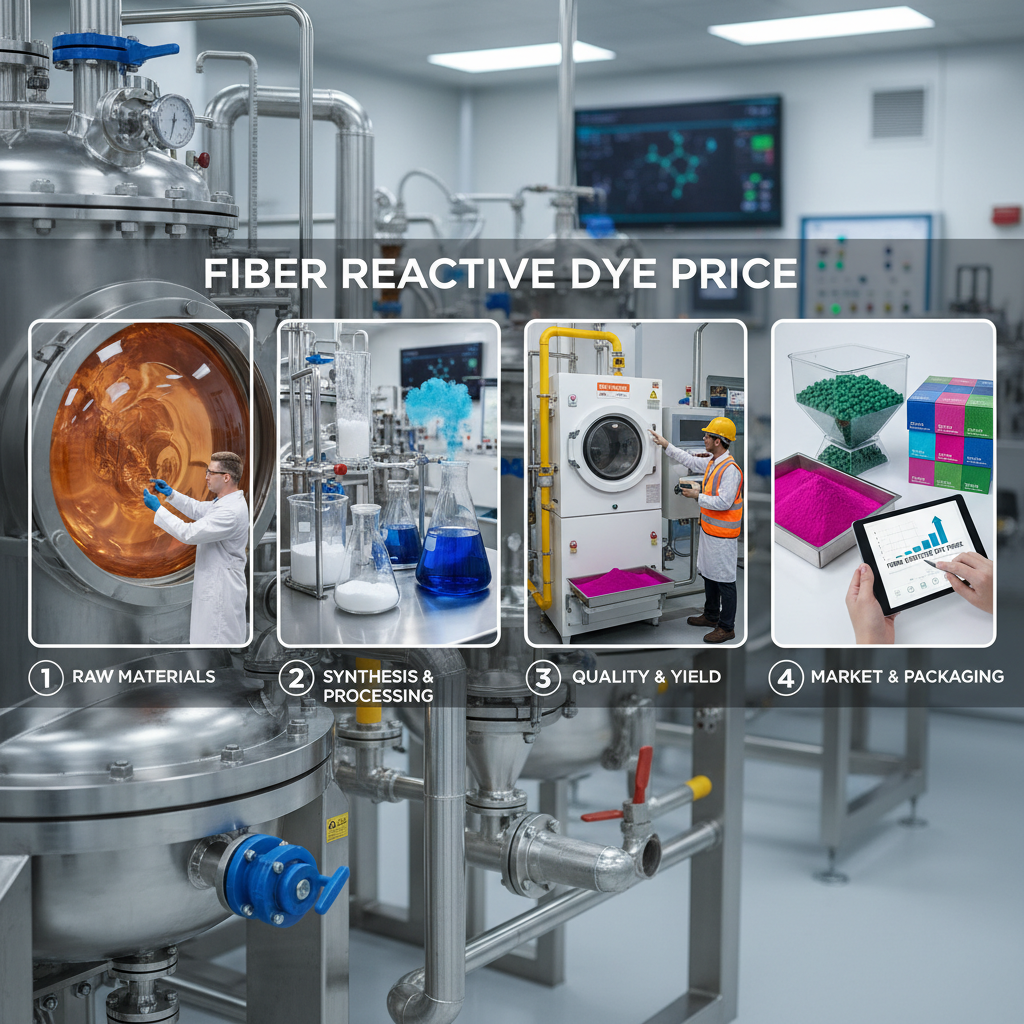
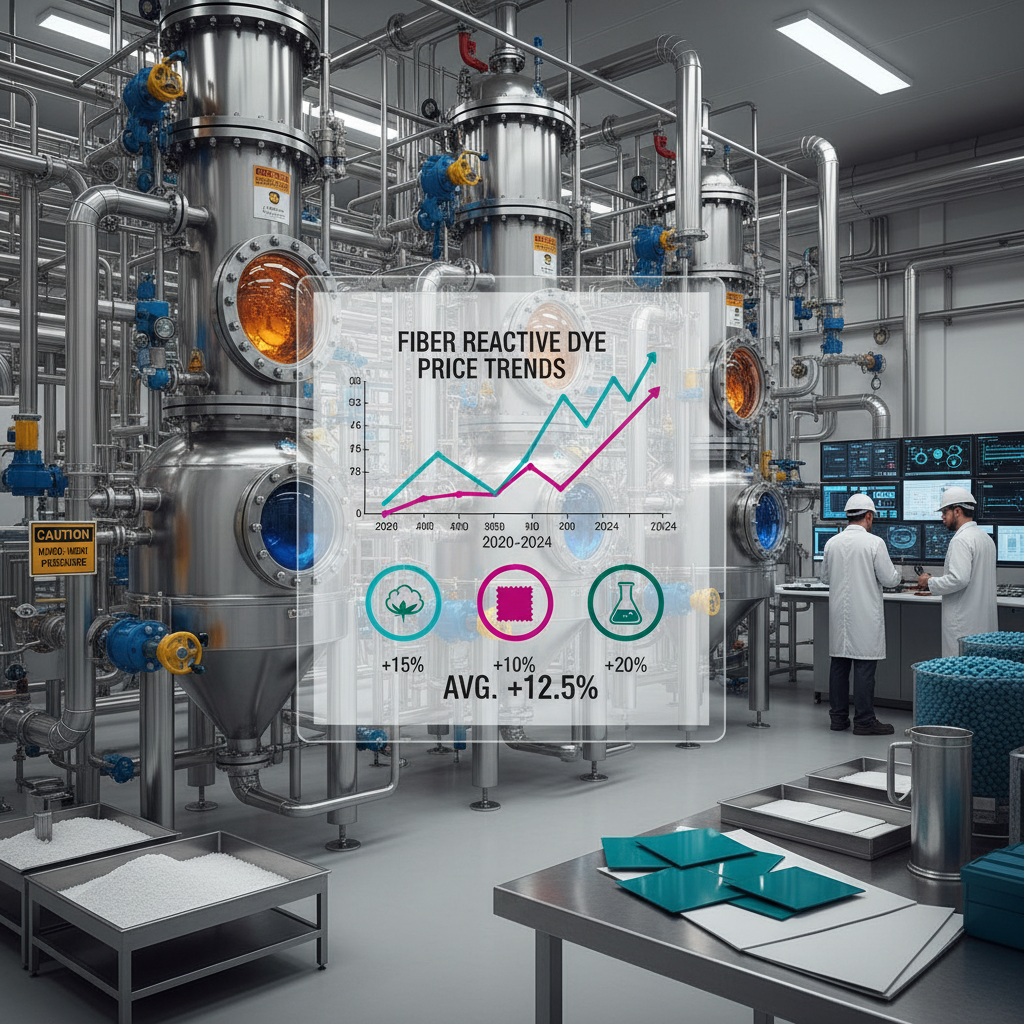
Fiber reactive dye price is a critical factor impacting the textile industry globally. It’s not just about cost; it’s about achieving vibrant, long-lasting color on fabrics like cotton, linen, and viscose. Understanding the nuances of this price, from raw material sourcing to application techniques, is essential for manufacturers aiming to stay competitive and meet the demands of a color-conscious market. We’re seeing increased scrutiny on sustainability, pushing demand for dyes that minimize environmental impact, which inherently affects pricing.
The impact of fiber reactive dye price extends beyond the factory floor. It trickles down to consumer costs, influencing the price of clothing, home textiles, and even industrial fabrics. Geopolitical factors, supply chain disruptions (which we’ve seen all too clearly in recent years), and fluctuating energy costs all play a role in determining the final price tag. Getting a handle on these variables is no longer a back-office function – it’s a core strategic consideration for any textile business.
Ultimately, the efficient management of fiber reactive dye price drives profitability and innovation. It allows companies to invest in research and development, improve production processes, and offer consumers high-quality, aesthetically pleasing products. Ignoring these price dynamics puts businesses at a significant disadvantage, potentially leading to lost market share and diminished brand reputation.
Defining Fiber Reactive Dye Price
Fiber reactive dye price isn’t a single number; it's a complex equation. It represents the total cost associated with acquiring and utilizing dyes that form a covalent bond with textile fibers – meaning they become a permanent part of the fabric structure. This contrasts with other dye types that simply coat the surface. The price can fluctuate significantly based on the dye's purity, reactivity, color shade, and the quantity purchased.
This directly impacts the textile industry, powering everything from fashion to functional textiles. Lower dye costs can mean cheaper clothing for consumers, but can also compromise quality. Finding that balance is the core of what we do. It's critical in modern textile production, driving innovation in areas like water conservation and reduced chemical usage – both of which affect pricing and overall sustainability.
Global Relevance and Market Dynamics
The global market for fiber reactive dyes is substantial, driven by the ever-increasing demand for textiles. Asia-Pacific dominates production and consumption, with China, India, and Bangladesh being major players. According to recent ISO reports, the demand for sustainable dyes is experiencing double-digit growth annually. This is driven by consumer awareness and stricter environmental regulations globally.
Supply chain vulnerabilities, especially those highlighted by recent geopolitical events, have significantly impacted fiber reactive dye price. Raw material sourcing, often reliant on a limited number of suppliers, creates price volatility. The industry faces the challenge of balancing cost-effectiveness with ethical and sustainable sourcing practices. It's a tough balancing act, and one we see play out on construction sites every single day.
The fluctuating exchange rates between major currencies also play a role. A weaker US dollar, for instance, can make imported dyes more expensive for US-based textile manufacturers. These interconnected factors make accurate price forecasting a constant challenge. It's not enough to just look at dye chemistry; you need a deep understanding of the broader global economy.
Core Components of Fiber Reactive Dye Pricing
Several core components contribute to fiber reactive dye price. First, the cost of raw materials, including the dye precursors, is a major factor. These precursors are often derived from petrochemicals, so oil price fluctuations have a direct impact. Then, there's the cost of manufacturing – energy consumption, labor, and waste management. Complex chemical processes require significant investment and expertise.
Another critical factor is the dye's reactivity and fixation rate. Dyes with higher reactivity require less energy and water during the dyeing process, potentially lowering overall costs, but they often come at a premium. The color index (C.I.) number, indicating the specific dye molecule, also influences price, with some shades being more complex and expensive to produce.
Finally, transportation and distribution costs add to the final price. Global supply chains involve shipping, warehousing, and customs duties, all of which contribute to the total expenditure. fiber reactive dye price depends a lot on the transportation channel. Maintaining quality control throughout the supply chain also requires investment and expertise, impacting the overall price.
Applications Across Industries
Fiber reactive dyes aren't limited to just clothing. They are extensively used in home textiles – bedsheets, towels, curtains – where colorfastness is paramount. The automotive industry utilizes them for dyeing fabrics used in car interiors, demanding high UV resistance and durability.
We also see significant application in industrial textiles – filtration fabrics, protective clothing, and technical textiles. Here, the dyes need to withstand harsh conditions and maintain their integrity over long periods. The medical sector leverages them for surgical gowns and drapes, requiring biocompatibility and sterilization resistance.
Fiber Reactive Dye Price Comparison
Advantages and Long-Term Value
The primary advantage of fiber reactive dyes is their exceptional colorfastness. Once bonded to the fiber, they resist fading, washing, and light exposure, resulting in long-lasting color vibrancy. This translates to increased product lifespan and reduced consumer waste.
From a sustainability standpoint, the reduced water and energy consumption often associated with reactive dyeing (especially with optimized processes) contributes to a lower environmental footprint. The durability of the color also reduces the need for frequent re-dyeing or replacement of textiles, promoting a more circular economy.
Future Trends and Innovations
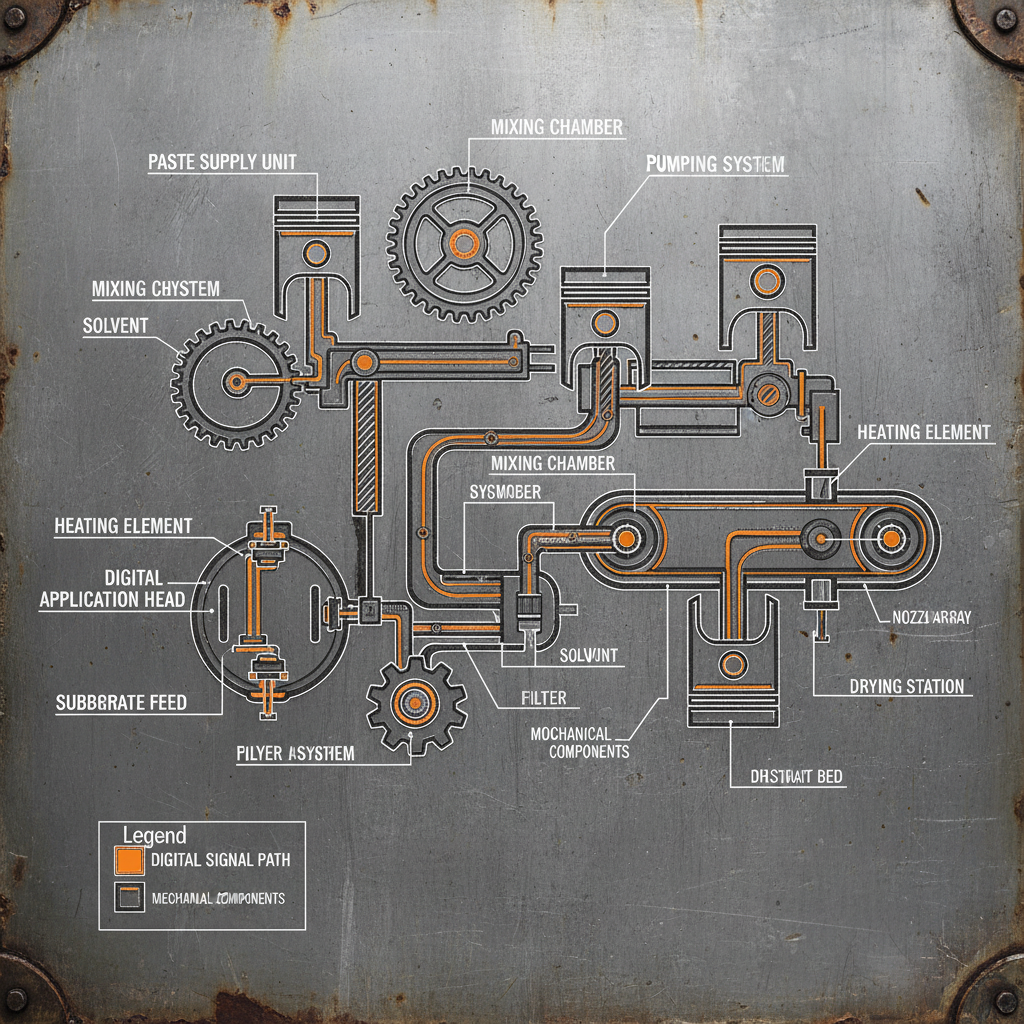
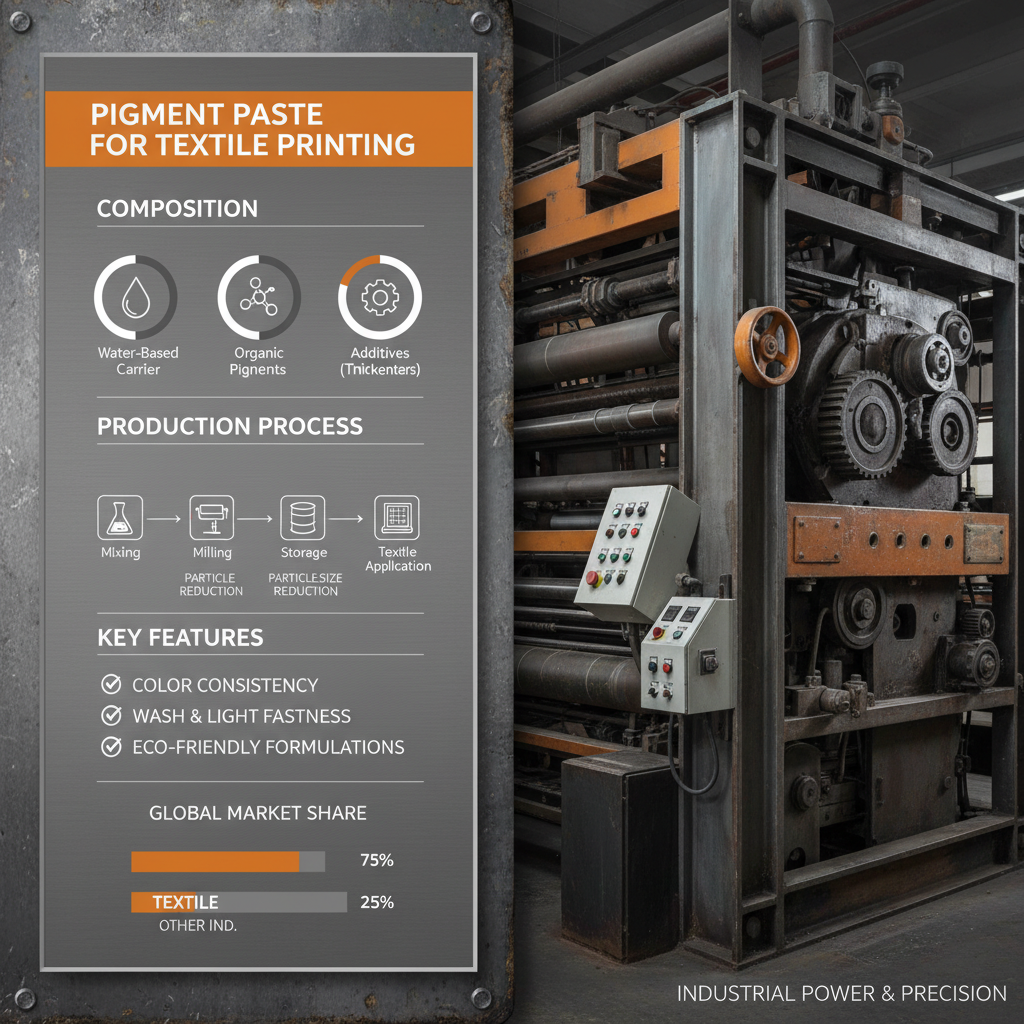
We're seeing significant advancements in dye chemistry, with research focused on developing dyes with even higher fixation rates and reduced environmental impact. Digital textile printing, which utilizes inkjet technology to apply dyes directly onto fabrics, is gaining traction, minimizing waste and enabling customized designs.
The development of bio-based dyes, derived from renewable resources, is another promising area. These dyes offer a sustainable alternative to traditional petrochemical-based dyes, but scaling up production and achieving competitive pricing remain challenges. The integration of artificial intelligence (AI) in dye formulation and process optimization is also gaining momentum, allowing for more precise color matching and reduced chemical usage.
Challenges and Mitigation Strategies
A major challenge is the effluent treatment associated with reactive dyeing. Unreacted dye molecules can pollute waterways if not properly treated. Investing in advanced wastewater treatment technologies, such as membrane filtration and biological treatment, is crucial.
Another challenge is the rising cost of raw materials and energy. Manufacturers can mitigate this by optimizing production processes, exploring alternative sourcing options, and investing in energy-efficient equipment. Collaboration with suppliers and research institutions is also essential to drive innovation and reduce costs.
Finally, ensuring ethical and sustainable sourcing of dyes is paramount. Transparency in the supply chain and adherence to industry standards, such as OEKO-TEX, are crucial for building trust and meeting consumer demands.
Summary of Challenges and Mitigation Strategies for Fiber Reactive Dye Price
| Challenge |
Impact on Fiber Reactive Dye Price |
Mitigation Strategy |
Cost Effectiveness (1-10) |
| Wastewater Treatment |
Increased operational costs due to treatment technologies. |
Implement membrane filtration, biological treatment, and dye recovery systems. |
7 |
| Raw Material Cost Fluctuations |
Direct impact on dye price, reducing profit margins. |
Diversify sourcing, negotiate long-term contracts, and explore alternative precursors. |
8 |
| Energy Consumption |
Higher energy costs contribute to overall production expenses. |
Invest in energy-efficient equipment and optimize dyeing processes. |
6 |
| Supply Chain Disruptions |
Leads to delays and increased prices due to scarcity. |
Develop resilient supply chains, maintain buffer stocks, and establish backup suppliers. |
9 |
| Environmental Regulations |
Compliance costs associated with meeting stricter environmental standards. |
Invest in cleaner production technologies and adopt sustainable practices. |
7 |
| Lack of Transparency |
Difficulty in verifying ethical and sustainable sourcing. |
Implement robust traceability systems and prioritize suppliers with certifications. |
5 |
FAQS
Several factors impact the cost of fiber reactive dyes, including raw material prices (particularly petrochemicals), energy costs, geopolitical events affecting supply chains, and fluctuations in currency exchange rates. Demand for specific shades and dye performance characteristics also play a role. Essentially, it’s a complex interplay of global economic forces and chemical processes.
Manufacturers can implement several strategies, including optimizing dyeing processes to reduce dye consumption, diversifying their sourcing to avoid reliance on a single supplier, negotiating long-term contracts with dye suppliers, investing in energy-efficient equipment, and exploring alternative dye chemistries, like bio-based dyes. Careful inventory management also helps.
Fiber reactive dyes often have a higher upfront cost compared to some other dye types like direct dyes. However, their superior colorfastness and durability can lead to lower long-term costs due to reduced re-dyeing and longer product lifespans. The environmental benefits also factor into the overall value proposition, justifying the investment.
Growing demand for sustainable dyes is driving up prices due to increased production costs associated with eco-friendly processes and materials. However, as the technology matures and production scales up, the price gap is expected to narrow. This represents a significant market trend, and manufacturers who embrace sustainability will be well-positioned for future success.
Yes, there are often regional differences in price, primarily due to transportation costs, import duties, and local market conditions. Asia-Pacific generally has lower prices due to its concentration of dye production, while regions with stricter environmental regulations and higher labor costs may experience higher prices.
Staying informed requires continuous monitoring of industry reports, attending trade shows, and engaging with dye suppliers. Following publications from organizations like ISO and subscribing to relevant industry newsletters can also provide valuable insights. fiber reactive dye price will change over time. Regular market analysis is crucial.
Conclusion
In conclusion, fiber reactive dye price is a multifaceted issue with far-reaching implications for the textile industry. Understanding the key components – raw materials, manufacturing processes, global market dynamics, and sustainability considerations – is crucial for effective cost management and strategic decision-making. The ability to navigate these complexities is vital for competitiveness and long-term success.
Looking ahead, embracing innovation, fostering transparency in the supply chain, and prioritizing sustainability will be paramount. Investing in research and development, adopting cleaner production technologies, and collaborating with industry partners will enable the development of more cost-effective and environmentally friendly dyeing solutions. Visit our website at www.pezetech.com to learn more about how we can help you optimize your dye procurement and production processes.