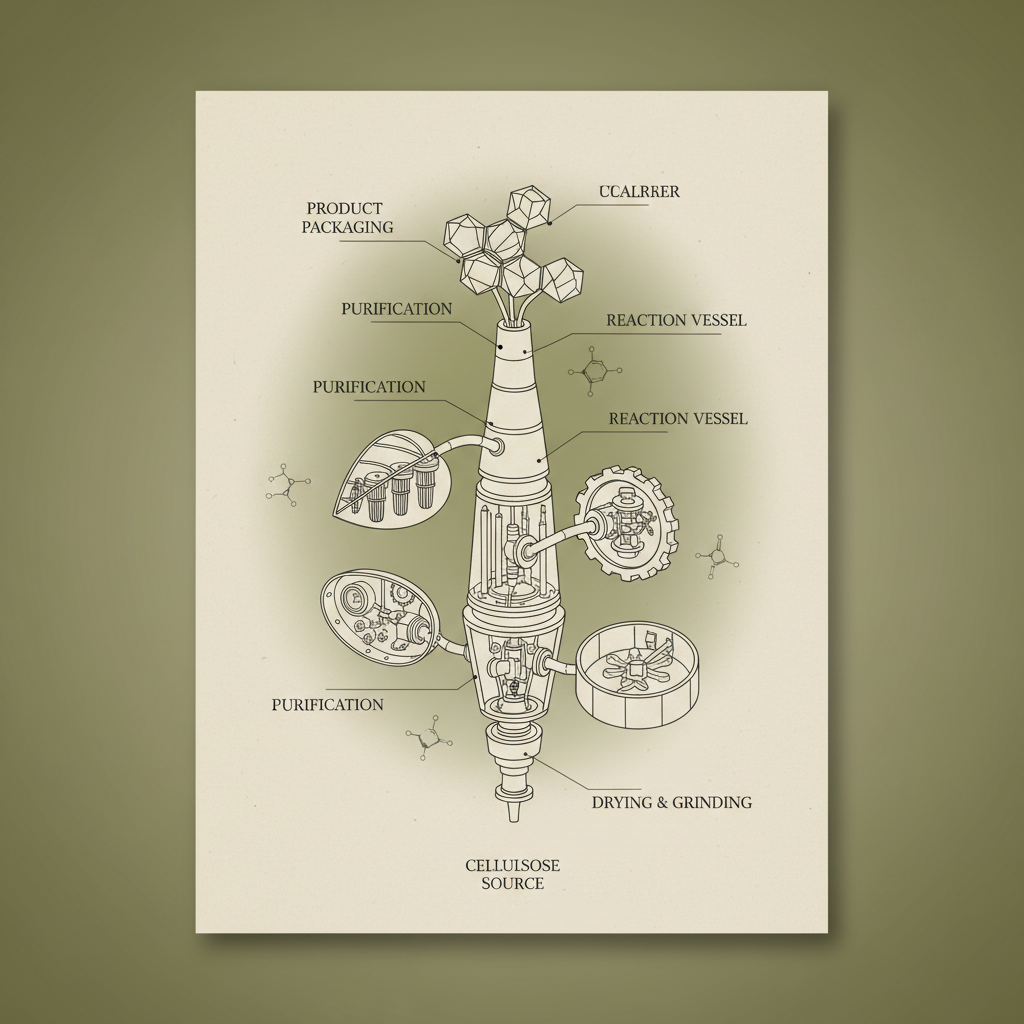
Pigment paste for textile printing is a cornerstone of the modern textile industry, providing vibrant, durable color to a vast range of fabrics used in clothing, home furnishings, and industrial applications. Its importance stems from its ability to offer a cost-effective and versatile solution for textile coloration, moving beyond traditional dyeing methods which often require large water volumes and complex processes. Understanding the nuances of pigment paste – from its composition and application techniques to emerging innovations – is crucial for businesses and professionals seeking to optimize textile production and meet evolving consumer demands.
Globally, the textile industry is a significant economic driver, employing millions and contributing substantially to international trade. The demand for sustainably produced textiles is rapidly increasing, driven by consumer awareness and stricter environmental regulations. Pigment paste technology plays a key role in enabling these sustainable practices, reducing water usage and minimizing harmful chemical discharge compared to traditional dyeing. However, challenges remain in achieving consistent quality, optimizing pigment dispersion, and adapting to new fabric technologies.
The precise formulation and application of pigment paste for textile printing directly impact the final product's aesthetic appeal and functional performance. As a result, ongoing research and development are focused on improving pigment stability, enhancing colorfastness, and exploring innovative printing techniques to meet the ever-changing needs of the textile market. The industry is also focused on addressing concerns regarding VOC emissions and developing eco-friendly pigment compositions.
Introduction to pigment paste for textile printing
Pigment paste for textile printing represents a fundamental component of modern textile coloration, providing a versatile and adaptable alternative to traditional dyeing processes. Its core function is to deliver color onto fabrics through various printing methods, offering precise design control and broad compatibility across different fiber types. pigment paste for textile printing has become essential for creating patterned textiles.
The development of pigment paste technology has significantly advanced the textile industry, enabling the production of visually appealing and durable fabrics while addressing growing environmental concerns. As demand for sustainable textile practices increases, the role of optimized pigment paste formulations in minimizing water usage and reducing chemical waste becomes ever more critical.
Global Relevance and Industry Challenges
The global textile industry is valued at over $1.7 trillion annually, and pigment pastes play an integral role in over 60% of printed fabrics. This substantial market share underscores the widespread adoption of pigment printing across various textile segments. According to the World Bank, the textile industry is one of the most water-intensive globally, creating a pressing need for more sustainable coloration methods, where pigment paste offers a viable solution.
Despite its benefits, the industry faces challenges related to the consistency of pigment dispersion, achieving high colorfastness, and minimizing the environmental impact of pigment production. The increasing demand for fast fashion and quick turnaround times puts pressure on manufacturers to optimize printing processes without compromising quality. Finding a balance between cost-effectiveness, sustainability, and performance remains a key challenge for the pigment paste industry.
Furthermore, stricter regulations imposed by organizations like the ISO regarding chemical discharge and VOC emissions necessitate the development of environmentally friendly pigment compositions and application techniques. This includes exploring bio-based pigments and water-based formulations to reduce the industry’s ecological footprint.
Defining pigment paste for textile printing
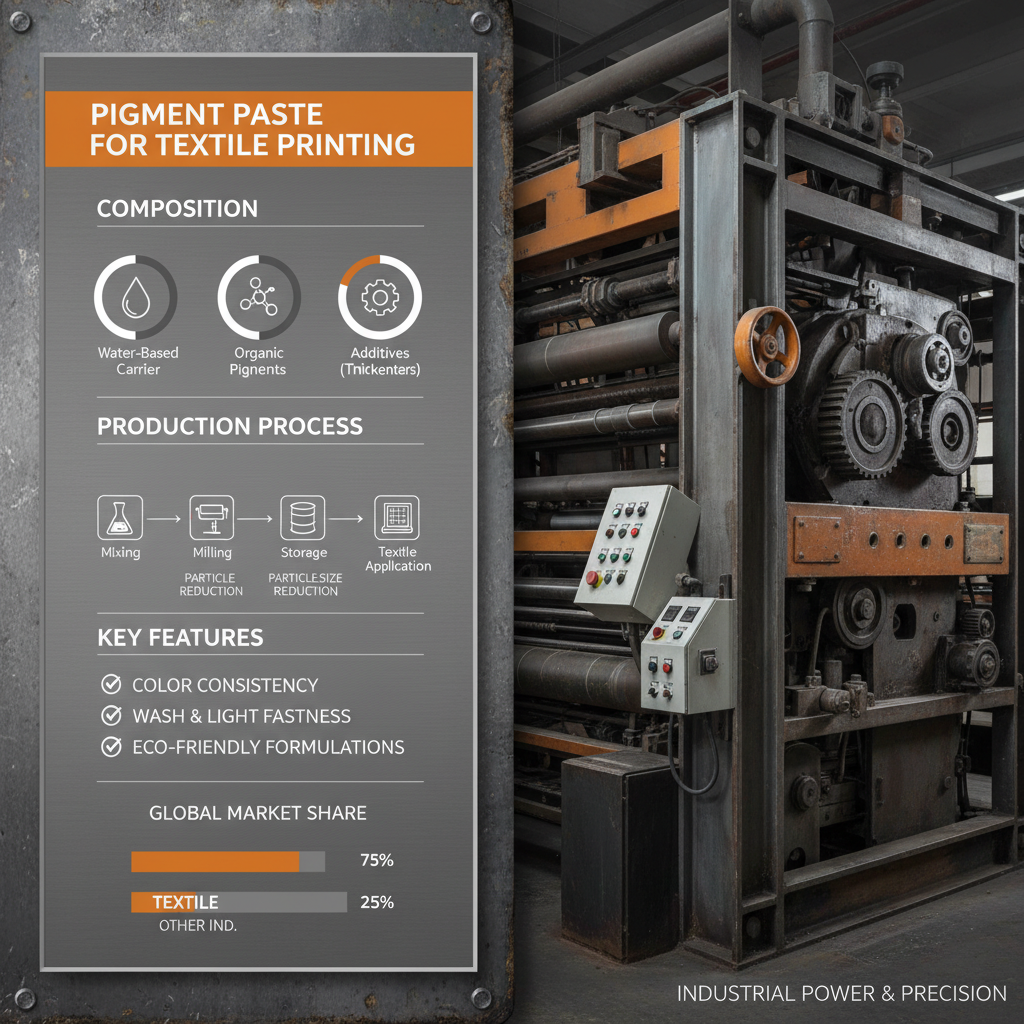
Pigment paste for textile printing is, in essence, a stabilized dispersion of finely ground, insoluble coloring agents (pigments) within a binder system. This binder, typically an acrylic polymer, encapsulates the pigment particles and facilitates their adhesion to the fabric fibers. Unlike dyes, which dissolve into the fiber, pigments remain on the surface, forming a film.
Its connection to modern industry lies in its versatility and suitability for a wide range of fabrics, including cotton, polyester, nylon, and blends. Pigment printing doesn’t require the extensive pre-treatment and post-treatment processes often associated with dyeing, making it a more efficient and cost-effective solution, particularly for shorter production runs and complex designs. pigment paste for textile printing allows for greater design freedom and quicker adaptation to changing fashion trends.
In humanitarian contexts, the ability to rapidly and affordably color textiles using pigment paste is beneficial in producing essential items like clothing, blankets, and protective gear for disaster relief or vulnerable populations. Its simplicity and relatively low technical barrier to entry make it accessible even in resource-constrained settings.
Key Factors in pigment paste Formulation
The durability of pigment prints is paramount, and this is heavily influenced by the binder system used. Higher quality binders offer improved wash fastness and resistance to abrasion, ensuring the print maintains its vibrancy and integrity over time. The pigment particle size and dispersion stability also play a crucial role in achieving durable results.
Scalability refers to the ability to reproduce consistent color and print quality across large production runs. Achieving this requires precise control over formulation parameters, meticulous mixing procedures, and the use of standardized pigment batches. Consistent color matching is essential for brand recognition and customer satisfaction.
Comparison of pigment paste for textile printing Methods
Real-World Applications of pigment paste
In the fashion industry, pigment paste for textile printing is extensively used to create vibrant, patterned garments and accessories. From bold floral prints on summer dresses to intricate designs on sportswear, pigment printing offers a wide range of aesthetic possibilities. Many fast-fashion brands rely heavily on pigment printing due to its speed and cost-effectiveness.
The home textiles sector also benefits greatly from pigment paste technology. It's used to print designs on curtains, upholstery fabrics, bed linens, and other decorative items, allowing for customization and personalization. The durability of pigment prints is particularly important for items exposed to frequent washing and sunlight.
Advantages and Long-Term Value Proposition
The cost-effectiveness of pigment printing stems from its lower production costs compared to dyeing, reduced water consumption, and simplified processing steps. This translates to lower overall manufacturing expenses and increased profitability for textile producers. Sustainability is enhanced through reduced water usage and the potential for using eco-friendly pigment formulations, minimizing environmental impact.
From a social impact perspective, pigment paste technology enables localized textile production, creating employment opportunities in developing regions. The improved safety profile compared to some traditional dyeing methods, which involve hazardous chemicals, contributes to a healthier working environment for textile workers.
Future Trends and Innovations in pigment paste Technology
Ongoing research focuses on developing bio-based pigments derived from renewable sources, reducing reliance on petroleum-based chemicals. Nanotechnology is being explored to improve pigment dispersion, enhance colorfastness, and create unique textile effects. Digital textile printing, utilizing inkjet technology with advanced pigment formulations, is gaining traction due to its precision, flexibility, and reduced waste.
The integration of automation and artificial intelligence (AI) in pigment paste production and application is expected to optimize processes, improve quality control, and reduce labor costs. Furthermore, advancements in polymer chemistry are leading to the development of more durable and environmentally friendly binders.
Challenges and Solutions
A common limitation is the potential for reduced fabric hand feel due to the pigment film residing on the surface. Solutions involve using softer binders, optimizing pigment particle size, and applying finishing treatments to improve fabric drape. Achieving consistent color reproduction across different fabric types and production batches remains another challenge.
To address this, advanced color management systems and precise formulation control are essential. Expert insights suggest that utilizing high-quality pigments and employing standardized testing protocols can significantly improve color consistency. Collaborative research between pigment manufacturers, textile producers, and research institutions is crucial for overcoming these challenges.
Another challenge is the limited lightfastness of certain pigments, particularly in darker shades. Innovative pigment chemistries and UV absorbers are being developed to improve lightfastness and ensure long-lasting color vibrancy.
Summary of Challenges and Solutions in pigment paste for textile printing
| Challenge |
Impact on Production |
Potential Solution |
Implementation Cost (1-10) |
| Reduced Fabric Hand Feel |
Decreased Customer Satisfaction |
Utilize Softer Binders and Finishing Treatments |
4 |
| Inconsistent Color Reproduction |
Increased Waste and Rework |
Advanced Color Management Systems |
7 |
| Limited Lightfastness |
Reduced Product Lifespan |
Innovative Pigment Chemistries |
6 |
| Pigment Agglomeration |
Uneven Color Distribution |
Optimized Dispersion Techniques |
5 |
| VOC Emissions |
Environmental Concerns and Regulations |
Water-Based Formulations |
8 |
| Cost of High-Quality Pigments |
Increased Production Expenses |
Strategic Sourcing and Bulk Purchasing |
3 |
FAQS
Pigment pastes offer several advantages, including reduced water consumption, lower energy requirements, simpler processing, and greater design flexibility. They are particularly well-suited for short production runs and intricate designs, allowing for faster turnaround times and cost savings. Furthermore, pigment printing often generates less effluent compared to dyeing, making it a more environmentally friendly option. pigment paste for textile printing offers solutions to various textile applications.
Pigment paste significantly reduces the environmental impact of textile production by minimizing water usage and lowering the amount of harmful chemicals discharged into the environment. Many modern pigment paste formulations utilize water-based binders and lower VOC (volatile organic compound) content, further contributing to sustainability. The simplified processing reduces energy consumption, and waste generation is often lower compared to traditional dyeing.
Pigment pastes exhibit broad compatibility with a wide range of fabrics, including cotton, polyester, nylon, rayon, and various blends. However, achieving optimal results often requires pre-treatment of the fabric to improve pigment adhesion. Certain fabrics, like polyester, may require a special pre-treatment to enhance the printing process. The versatility of pigment pastes makes them suitable for diverse textile applications.
Several factors influence colorfastness, including the quality of the pigment, the type of binder used, the pre-treatment and post-treatment processes, and the printing conditions. Selecting high-quality pigments with excellent lightfastness and wash fastness properties is crucial. Using a durable binder that effectively encapsulates the pigment particles also plays a significant role. Proper curing and finishing treatments enhance colorfastness and ensure long-lasting vibrancy.
Nanotechnology is revolutionizing pigment paste technology by enabling the creation of nano-sized pigment particles, leading to improved dispersion, enhanced color strength, and increased colorfastness. Nano-coatings can also be applied to pigment particles to improve their resistance to UV degradation and abrasion. These advancements result in higher quality prints with enhanced durability and aesthetic appeal.
When selecting a pigment paste supplier, consider factors such as product quality, consistency, technical support, and pricing. Ensure the supplier offers a wide range of colors and formulations to meet your specific needs. Look for certifications and adherence to industry standards, such as ISO. A reliable supplier should provide comprehensive technical assistance and consistent product performance.
Conclusion
Pigment paste for textile printing stands as a vital technology in the modern textile industry, offering a compelling blend of cost-effectiveness, versatility, and sustainability. Its ability to deliver vibrant, durable color to a diverse range of fabrics, coupled with its reduced environmental impact compared to traditional dyeing, positions it as a key driver of innovation within the sector. Understanding the core principles of pigment paste formulation, application techniques, and emerging trends is essential for manufacturers seeking to remain competitive and meet evolving consumer demands.
Looking ahead, the continued development of bio-based pigments, nanotechnology-enhanced formulations, and automated printing processes promises to further enhance the performance and sustainability of pigment paste technology. Investing in research and development, fostering collaboration between industry stakeholders, and prioritizing environmental responsibility will be crucial for unlocking the full potential of this transformative technology. For further information and innovative solutions in pigment paste technology, visit our website: www.pezetech.com.