Reactive dyes are the workhorses of the textile industry, and understanding their price fluctuations is critical for anyone involved – from small-scale garment producers to massive manufacturing plants. It’s not just about the cost of the dye itself, but how those costs ripple through the entire supply chain, impacting everything from design choices to final retail prices. I’ve spent years walking the shop floors, seeing firsthand how even small shifts in reactive dyes price can make or break a production run. It’s a complex world, influenced by raw material sourcing, manufacturing processes, environmental regulations, and global demand. Getting a handle on these dynamics is key to staying competitive.
The importance of tracking reactive dyes price extends beyond the purely financial. Sustainable practices and responsible sourcing are increasingly demanded by consumers and regulators alike. Knowing where your dyes come from, and what their true cost is – including the environmental impact – is becoming a non-negotiable aspect of doing business. I've been in meetings where entire production lines were re-evaluated because of a spike in the cost of a key dye component, and the resulting sustainability concerns.
Ultimately, understanding reactive dyes price isn’t just about saving money; it’s about building resilience into your operation, making informed decisions, and ensuring long-term success in a rapidly changing industry. It's about recognizing that the price tag is only part of the story, and investing in quality, sustainability, and transparency.
The Significance of Reactive Dyes Price in Textiles
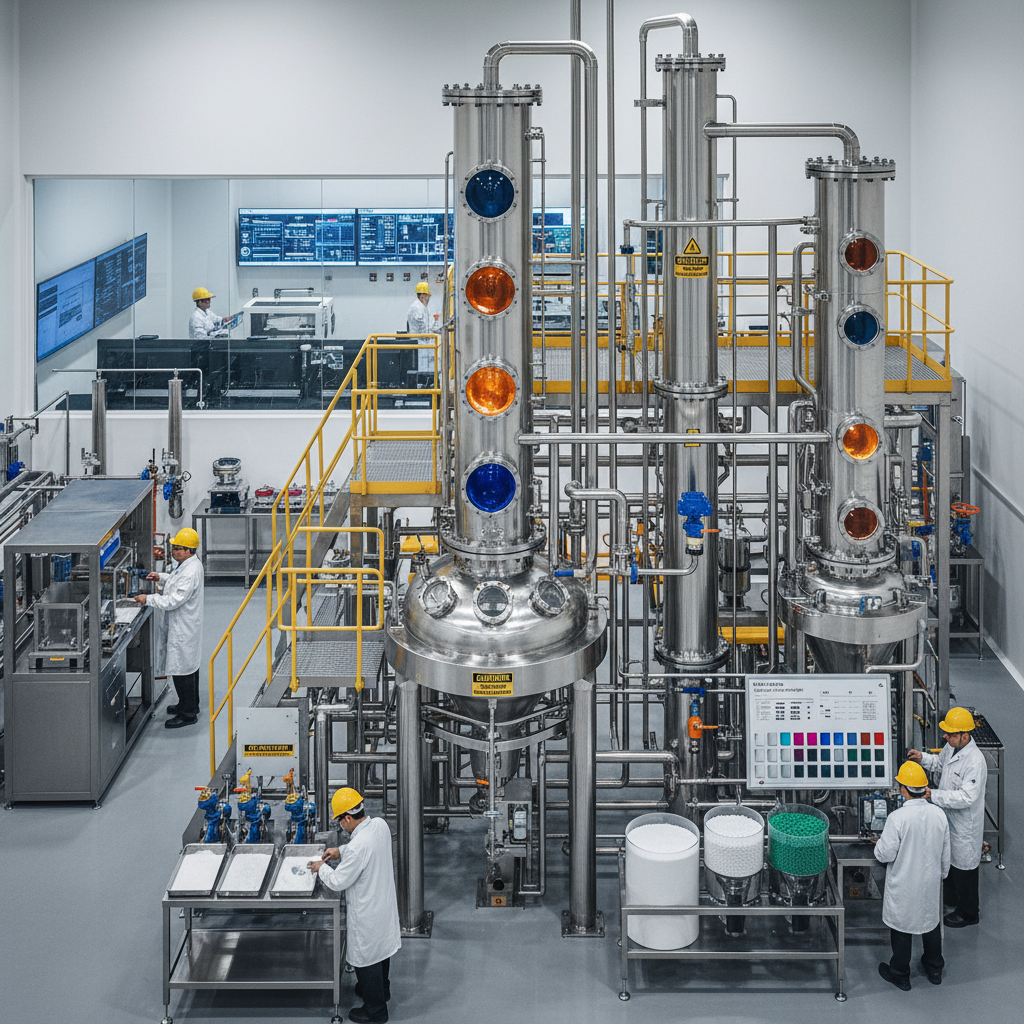
From the factory floor, I can tell you that reactive dyes are the go-to for cotton, viscose, and other cellulose fibers – the stuff most of our clothes are made of. But the price of these dyes isn’t fixed. It fluctuates based on everything from the cost of raw materials like vinyl sulphone, to energy prices, and even shipping costs. It's a delicate balance, and keeping an eye on these price movements can be the difference between a profitable run and a costly mistake.
Understanding reactive dyes price isn’t just a finance department concern. It impacts color selection, fabric choices, and ultimately, the product's price point. We've seen projects delayed or altered simply because a particular shade became prohibitively expensive due to dye cost increases.
Defining Reactive Dyes Price
Reactive dyes price isn’t a single number; it's a complex equation. It encompasses the cost of the dye itself (per kilogram, usually), but also factors in transportation, import duties, and any applicable taxes. More importantly, it's often quoted as a price per weight of fabric dyed – a more useful metric for production planning. It’s the total cost to get a specific color onto a specific material, and that’s what really matters.
The price also varies significantly based on the dye's quality and purity. Higher-quality dyes typically have a higher upfront cost, but they often require less dye to achieve the desired shade, leading to potential savings in the long run. Plus, better dyes generally offer improved colorfastness and durability, reducing the risk of fading or bleeding.
Ultimately, defining reactive dyes price requires a holistic view. It’s not just the sticker price; it’s the total cost of ownership, considering factors like efficiency, quality, and sustainability.
Key Factors Influencing Reactive Dyes Price
Raw material costs are a huge driver of reactive dyes price. Many of the key components are derived from petrochemicals, so fluctuations in oil prices directly impact dye costs. We’ve seen sharp increases when oil prices spike, and it’s something we always factor into our budgeting.
Environmental regulations also play a big role. Stricter regulations regarding wastewater treatment and the use of certain chemicals can increase production costs for dye manufacturers, and those costs are inevitably passed on to us. The pressure to adopt more sustainable dyeing processes – which often require more expensive, eco-friendly dyes – is another factor.
Finally, supply and demand, and global economic conditions also exert significant influence. Disruptions to the supply chain, like those we’ve seen in recent years, can lead to shortages and price increases. And, of course, the overall health of the global economy impacts demand for textiles, which in turn affects dye prices.
Global Applications and Reactive Dyes Price Variations
Reactive dyes are used globally, but the price variations can be substantial depending on the region. In countries with robust chemical industries, like China and India, production costs are generally lower, leading to more competitive prices. However, shipping costs and import duties can offset those savings for buyers in other regions.
We see a lot of price difference based on the specific application as well. Dyeing high-end fashion fabrics demands higher-quality, more expensive dyes than dyeing basic workwear. The level of colorfastness, washability, and overall durability required dictates the type of dye used, and consequently, the price.
We've also observed regional trends in color preferences, which can impact demand for specific dyes and drive up their prices in certain areas. For example, a sudden surge in demand for a particular shade of blue in Europe might lead to price increases for that dye globally.
Reactive Dyes Price Comparison by Dye Type
Advantages of Understanding Reactive Dyes Price Trends
Knowing where reactive dyes price is headed allows for better cost control. We can negotiate better deals with suppliers, explore alternative dye options, and adjust our production planning accordingly. This translates into higher profit margins and a more stable business.
It also allows for more accurate budgeting and forecasting. By anticipating price fluctuations, we can avoid unpleasant surprises and make informed decisions about pricing our products competitively. It’s about proactive management, not reactive scrambling.
Future Trends in Reactive Dyes Price and the Industry
I think we’ll see a continued emphasis on sustainable dyes and dyeing processes, and that will likely drive up prices in the short term. Bio-based dyes and waterless dyeing technologies are gaining traction, but they often come with a premium cost.
We’ll also see more transparency in the supply chain, with buyers demanding to know exactly where their dyes come from and how they’re made. This increased scrutiny will likely lead to greater accountability and potentially higher costs for suppliers who don’t meet ethical and environmental standards.
Digitalization is also going to play a big role. AI-powered forecasting tools can help us predict dye price fluctuations with greater accuracy, allowing us to make even more informed decisions.
Challenges and Solutions Related to Reactive Dyes Price
One of the biggest challenges is the volatility of raw material markets. Oil prices, in particular, can swing wildly, impacting dye costs unpredictably. To mitigate this, we diversify our supplier base and explore long-term contracts with fixed pricing whenever possible.
Another challenge is the complexity of the supply chain. It’s often difficult to trace the origin of dyes and ensure they’re being produced ethically and sustainably. We’re working with our suppliers to improve transparency and implement robust traceability systems.
Finally, the ever-increasing regulatory burden adds to the cost of doing business. Staying on top of changing regulations and ensuring compliance requires significant investment in time and resources. But it's a necessary investment to maintain our commitment to sustainability and responsible sourcing.
Summary of Reactive Dyes Price Challenges and Solutions
| Challenge |
Impact on Reactive Dyes Price |
Severity (1-10) |
Proposed Solution |
| Raw Material Volatility |
Significant price fluctuations |
9 |
Diversify suppliers, long-term contracts |
| Supply Chain Complexity |
Lack of transparency, ethical concerns |
7 |
Improve traceability, supplier audits |
| Environmental Regulations |
Increased production costs |
8 |
Invest in sustainable technologies |
| Geopolitical Instability |
Supply chain disruptions |
6 |
Regional sourcing, buffer stocks |
| Demand Fluctuations |
Price swings based on market trends |
5 |
Market research, flexible production |
| Currency Exchange Rates |
Import/export cost variations |
4 |
Hedging strategies, local sourcing |
FAQS
Several key factors contribute to reactive dyes price volatility. These include the cost of raw materials (often derived from petrochemicals), global supply and demand, transportation costs, environmental regulations impacting production processes, and geopolitical events disrupting supply chains. Keeping track of these elements is crucial for accurate forecasting.
Mitigation strategies include diversifying your supplier base to avoid over-reliance on a single source, negotiating long-term contracts with fixed pricing (where possible), exploring alternative dye options, optimizing dyeing processes to reduce dye consumption, and investing in sustainable dyeing technologies that may offer long-term cost savings.
Stricter environmental regulations regarding wastewater treatment and the use of hazardous chemicals increase production costs for dye manufacturers. Compliance with these regulations often requires investment in new technologies and processes, which ultimately gets reflected in the price of the dyes. The shift towards more sustainable dyes also impacts pricing.
Yes, price variations can be substantial. Countries with robust chemical industries, like China and India, often have lower production costs. However, shipping costs, import duties, and regional demand can offset these savings. It’s important to compare prices from multiple sources and factor in all associated costs.
Regularly monitor industry news, subscribe to market reports, attend trade shows, and build relationships with your dye suppliers. Utilize online resources and analytical tools that provide insights into raw material costs, supply chain dynamics, and regulatory changes. Staying proactive is key.
Price per kilogram is the cost of the dye itself, while price per weight of fabric dyed reflects the total cost to achieve a specific color on a certain amount of material. The latter is more relevant for production planning as it accounts for dye usage efficiency and the overall cost of the dyeing process, not just the dye's raw price.
Conclusion
Understanding reactive dyes price is far more than just a matter of cost cutting. It’s about building a resilient, sustainable, and informed operation. By recognizing the factors that influence price, proactively managing supply chains, and embracing new technologies, businesses can navigate the complexities of the textile industry and ensure long-term success.
The future of textile manufacturing hinges on sustainability and transparency. Investing in these areas, coupled with a deep understanding of reactive dyes price dynamics, will not only enhance profitability but also build a stronger, more responsible industry for generations to come. For more information and to discuss your specific dye needs, visit our website.