Comprehensive Guide to RDP Powder Uses in Modern Construction
RDP Powder Uses: A Comprehensive Guide
Redispersible Polymer Powder (RDP) is a crucial additive in the construction industry, significantly enhancing the properties of cement-based materials. Its versatility extends to various applications, improving workability, adhesion, and durability. This article will explore the diverse RDP powder uses, outlining its benefits and application techniques. Understanding RDP’s functionalities is key to unlocking superior performance in construction projects. We'll delve into how this powder impacts various formulations and why it's becoming a staple in modern building practices.

Understanding Redispersible Polymer Powder (RDP)
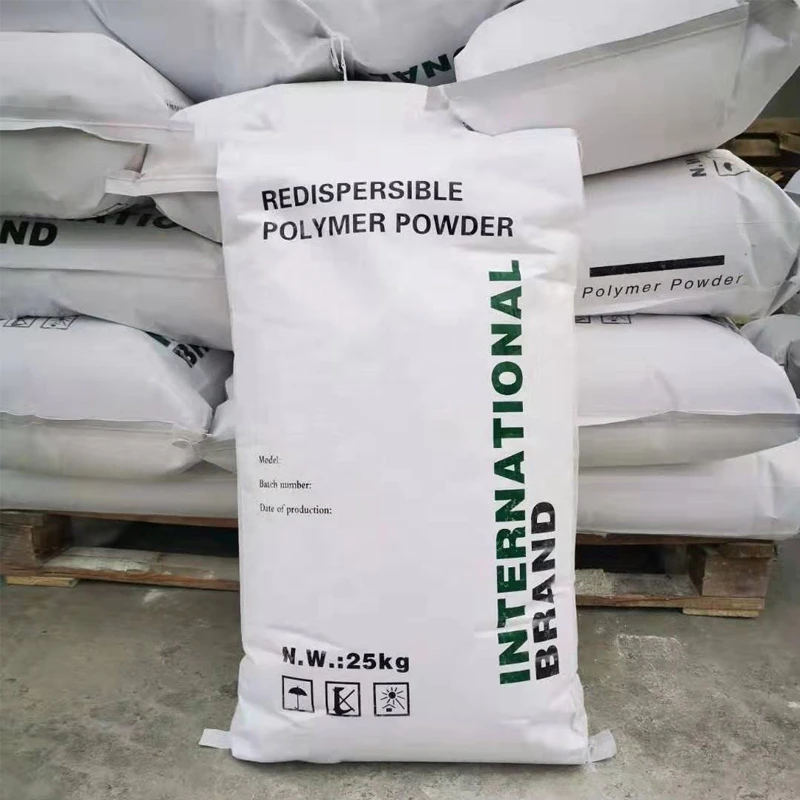
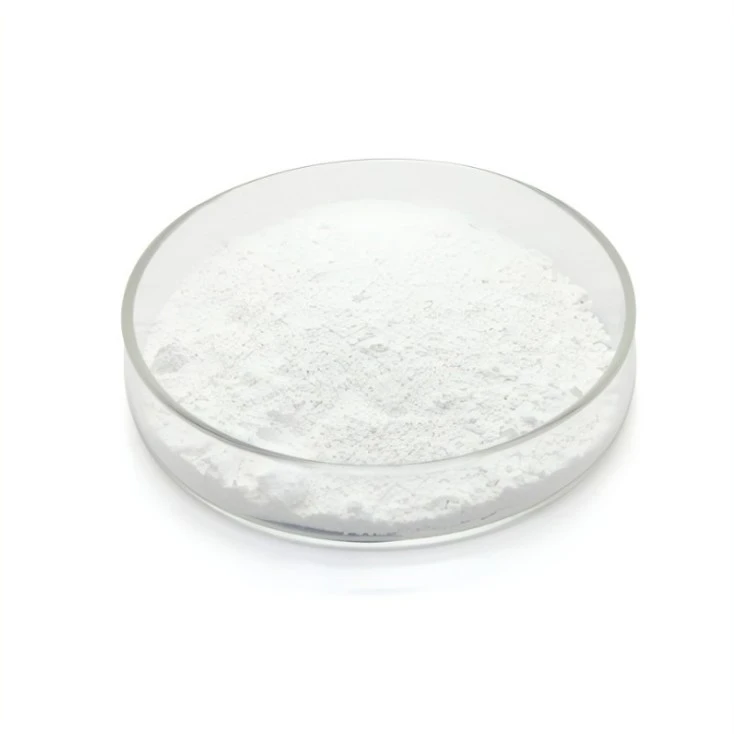
RDP is a water-soluble, re-emulsifiable powder that improves the adhesion, flexibility, and workability of cement-based mixtures. It’s produced through spray drying a polymer emulsion, resulting in a fine powder that easily disperses in water upon mixing. Unlike latex, RDP is a powder, offering easier handling, longer shelf life, and reduced shipping costs. It’s commonly used in tile adhesives, cement renders, self-leveling compounds, repair mortars, and external insulation finishing systems (EIFS). Utilizing RDP powder enhances the overall performance and lifespan of construction materials.
Key Benefits: Increased adhesion strength, improved flexibility, enhanced workability, reduced cracking, and extended open time.
Specific RDP Powder Uses in Construction
The versatility of RDP extends across numerous construction applications. In tile adhesives, it dramatically improves adhesion to various substrates, preventing tile slippage and ensuring long-lasting installations. For cement renders, RDP enhances workability, reduces cracking, and increases water resistance. Self-leveling compounds benefit from RDP’s flowability and crack-resistant properties, creating smooth and durable surfaces. RDP is also vital in repair mortars, strengthening the bond between the repair material and the existing concrete structure.
RDP Application Areas:
• Tile Adhesives
• Cement Renders
• Self-Leveling Compounds
• Repair Mortars
• External Insulation Finishing Systems (EIFS)
RDP Powder Uses: Comparing Different Polymer Types
Various polymer types are used in RDP production, each offering unique characteristics. Vinyl Acetate Ethylene (VAE) copolymers are the most common, providing excellent adhesion and flexibility. Acrylic polymers offer superior water resistance and UV stability, making them ideal for exterior applications. Styrene-Butadiene Rubber (SBR) enhances impact resistance and crack bridging capabilities. The optimal polymer type depends on the specific application requirements. Choosing the right RDP is paramount for achieving desired performance characteristics.
Dosage and Mixing Considerations for RDP
The optimal RDP dosage varies depending on the specific application and the desired properties of the final mixture. Generally, dosages range from 2% to 6% by weight of cement. Proper mixing is crucial for ensuring uniform dispersion and maximizing RDP’s effectiveness. RDP should be gradually added to the dry mix, followed by the addition of water. Avoid adding RDP directly to water, as this can cause clumping. Thorough mixing ensures optimal performance and prevents issues like reduced adhesion or inconsistent workability. Pezetech offers detailed technical data sheets for specific product recommendations and mixing guidelines.

Conclusion: Enhancing Construction with RDP
The Future of Cement-Based Construction
Redispersible Polymer Powder is an indispensable component in modern construction, offering significant improvements in material performance and durability. From enhancing adhesion in tile adhesives to increasing the flexibility of cement renders, RDP’s benefits are far-reaching. Pezetech provides high-quality RDP solutions tailored to meet diverse construction needs. Investing in RDP is an investment in the longevity and reliability of your projects.
Frequently Asked Questions (FAQs)
What are the storage requirements for RDP powder?
RDP should be stored in a dry, cool, and well-ventilated area, away from direct sunlight, heat, and moisture. Keep the bags tightly sealed to prevent moisture absorption, which can lead to clumping and reduced performance. Proper storage ensures the RDP remains effective for its intended use. Shelf life is typically 12-18 months when stored correctly. Always check the manufacturer's datasheet for specific recommendations.
Can RDP be used with all types of cement?
RDP is generally compatible with most common types of cement, including Portland cement, blended cement, and white cement. However, it’s recommended to perform compatibility testing, especially when using specialized cement types. Some cement compositions may require adjustments to the RDP dosage to achieve optimal results. Consult with a technical expert or refer to the Pezetech datasheet for guidance.
Does RDP affect the setting time of cement?
RDP can slightly influence the setting time of cement, generally extending it. This extended open time allows for better workability and improved bonding, particularly in applications like tile adhesives. However, the effect on setting time is typically minimal and can be managed by adjusting the water content or using set accelerators if needed. It’s important to consider this effect when planning the construction schedule.
-
Top Guide to Selecting Professional vae emulsion manufacturersNewsApr.16,2026
-
Viscosity of HPMCNewsApr.15,2026
-
HPMC Powder UsesNewsApr.15,2026
-
Understanding VAE Emulsion for Modern Industrial CoatingsNewsApr.09,2026
-
Comprehensive Guide to Redispersible Emulsion Powder and its ApplicationsNewsApr.07,2026
-
Comprehensive Guide to Redispersible Latex Powder for Construction ApplicationsNewsApr.04,2026