Optimizing Formulations with Versatile Dispersible Polymer Powders
Understanding Dispersible Polymer Powders: Applications and Benefits
Dispersible polymer powders are incredibly versatile materials utilized across a diverse range of industries. From construction and textiles to adhesives and paints, these powders enhance product performance and processing efficiency. This article will explore the properties, applications, and benefits of dispersible polymer powders, providing a comprehensive overview for professionals seeking to optimize their formulations. Understanding the intricacies of these polymers can unlock innovative solutions for various manufacturing challenges.
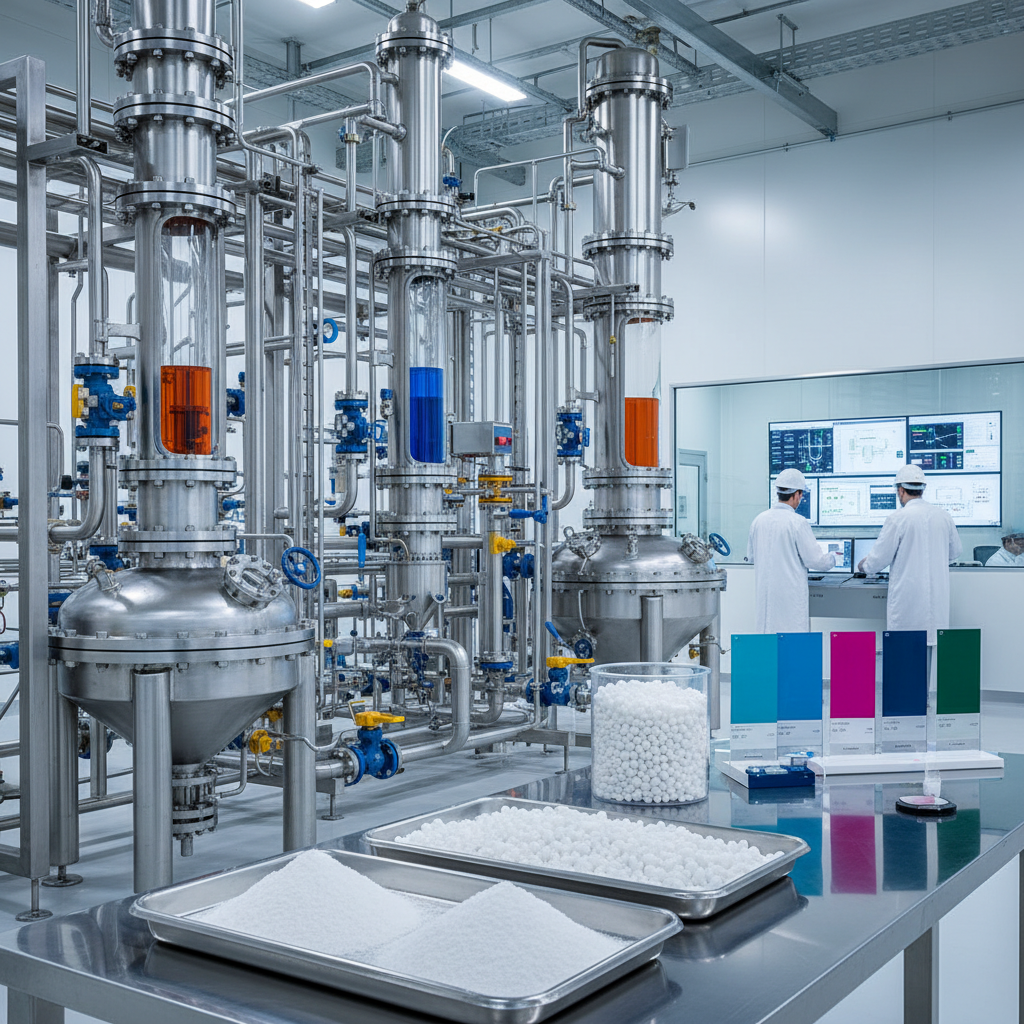
What are Dispersible Polymer Powders?
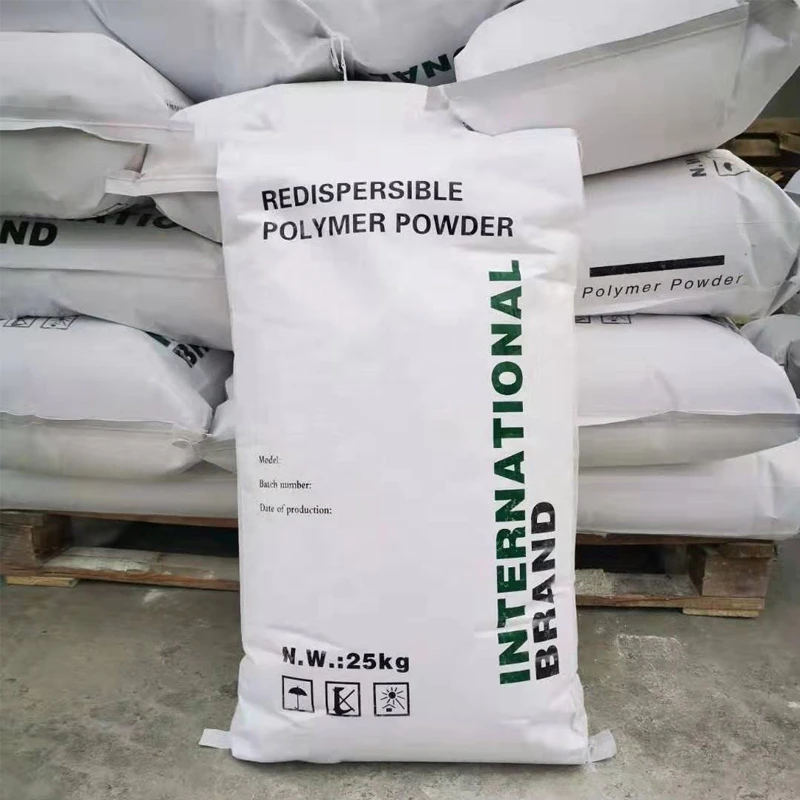
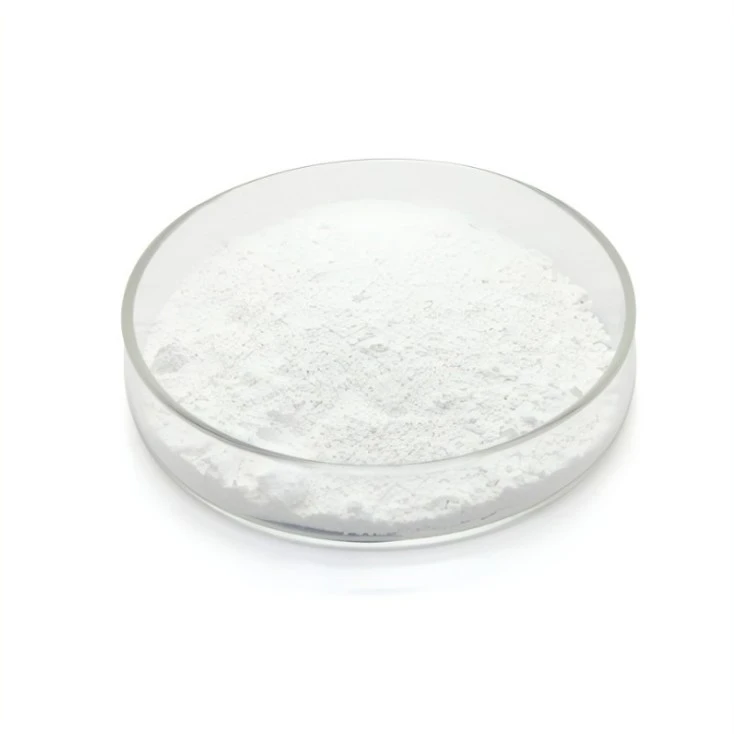
At their core, dispersible polymer powders are fine, dry, free-flowing materials composed of polymer particles. These particles are designed to readily disperse in water or other liquid media, forming a stable suspension or solution. The key characteristic is their ability to avoid agglomeration – clumping together – ensuring uniform distribution and optimal performance in the final product. They typically consist of a polymeric backbone with surface-active agents that promote dispersibility. Pezetech specializes in the development and production of high-quality dispersible polymer powders tailored to specific industry needs.
Key Characteristics: Fine particle size, excellent dispersibility, non-agglomerating, polymer-based, enhanced adhesion, improved flexibility.
Applications Across Industries
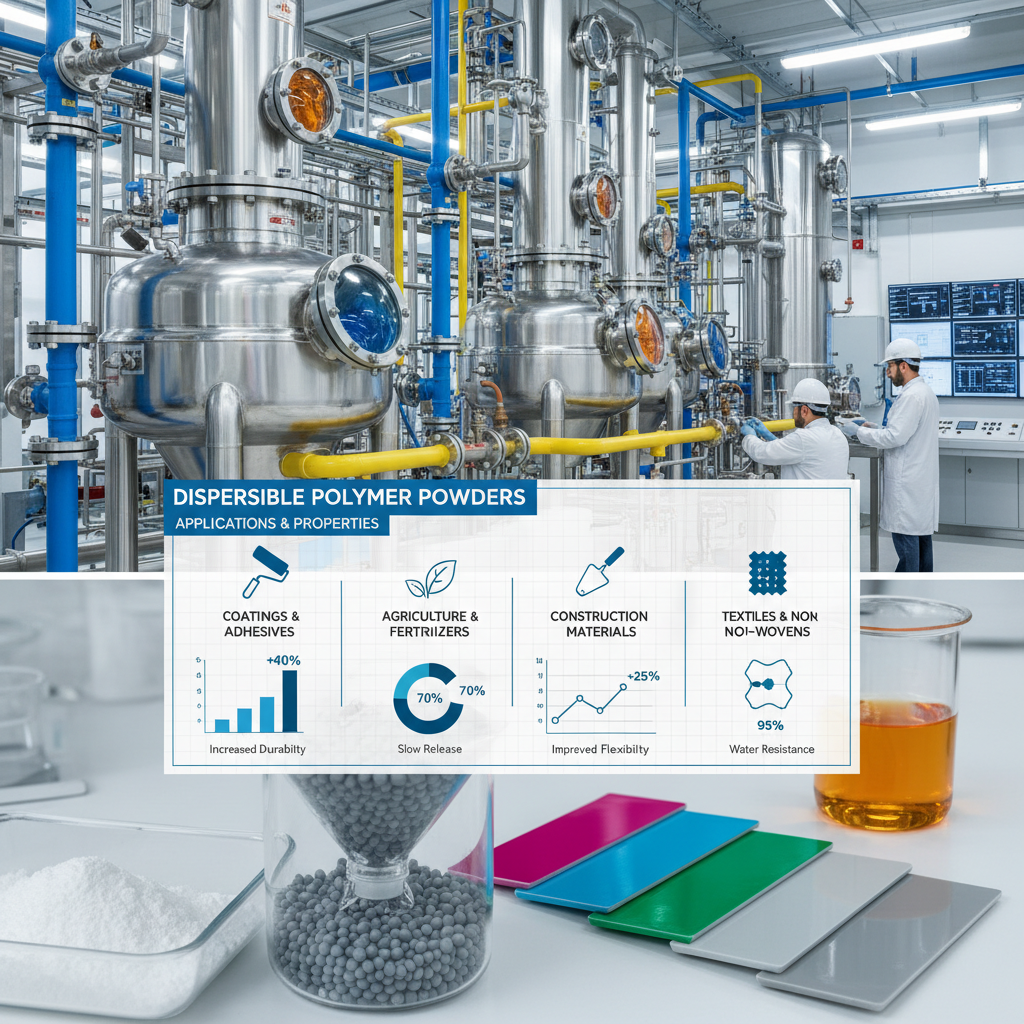
The versatile nature of dispersible polymer powders allows for application in numerous sectors. In the construction industry, they're added to cementitious materials like tile adhesives and renders to enhance adhesion, flexibility, and workability. Textile applications include improving the hand feel and durability of fabrics. Adhesive formulations benefit from increased bonding strength and improved water resistance. Paint and coating manufacturers utilize them to enhance film formation, pigment dispersion, and overall coating performance. Furthermore, they play a crucial role in specialized areas like paper coatings and ceramic binders.
Key Application Areas:
• Construction (tile adhesives, renders, grouts)
• Textiles (fabric coatings, printing)
• Adhesives (packaging, woodworking)
• Paints & Coatings (architectural, industrial)
Dispersible Polymer Powders: A Comparison of Common Types
Several types of dispersible polymer powders are available, each offering unique properties. Vinyl acetate ethylene (VAE) copolymers are widely used due to their excellent adhesion and flexibility. Acrylic polymers provide superior weather resistance and UV stability. Styrene-butadiene rubber (SBR) powders offer high strength and abrasion resistance. Choosing the right type depends on the specific application requirements. Pezetech’s product portfolio encompasses a range of these polymers, enabling us to provide tailored solutions.
Benefits of Utilizing Dispersible Polymer Powders
Integrating dispersible polymer powders into formulations offers a multitude of advantages. They improve adhesion to various substrates, enhancing the durability and longevity of the final product. They increase flexibility and reduce cracking, particularly in cementitious applications. They also improve workability and processing ease, leading to increased efficiency. Furthermore, they can contribute to enhanced water resistance, improved chemical resistance, and reduced shrinkage. Choosing the correct polymer powder tailored to your application unlocks these benefits.
Selecting the Right Dispersible Polymer Powder for Your Application
Selecting the optimal dispersible polymer powder requires careful consideration of several factors. The substrate you are bonding to is crucial. The desired flexibility and strength of the final product influence the polymer type. Environmental conditions, such as temperature and humidity, need to be factored in. Compatibility with other ingredients in the formulation is also essential. Pezetech’s team of experts can provide guidance and support in selecting the perfect polymer powder for your unique needs.
Conclusion: Enhancing Performance with Dispersible Polymer Powders
Dispersible polymer powders offer a powerful solution for enhancing product performance across a broad spectrum of industries. From improving adhesion and flexibility to increasing durability and water resistance, these versatile materials unlock innovative possibilities. By understanding the different types of polymer powders and their specific properties, professionals can optimize their formulations and achieve superior results.
Frequently Asked Questions (FAQs)
What is the shelf life of dispersible polymer powders?
Generally, dispersible polymer powders have a shelf life of 2-3 years when stored in a cool, dry environment, away from direct sunlight and moisture. Proper storage is crucial to prevent agglomeration and maintain their dispersibility. While the powder may still be usable beyond this timeframe, it’s recommended to test its dispersibility before use. Significant changes in appearance, such as caking or discoloration, may indicate degradation. Pezetech provides detailed storage guidelines with each product.
How do I properly disperse the polymer powder in a liquid?
Proper dispersion is key to maximizing the benefits of the polymer powder. Slowly add the powder to the liquid while continuously stirring or mixing. Using a high-shear mixer can aid in breaking up agglomerates and achieving uniform dispersion. The mixing speed and duration will depend on the specific polymer powder and liquid viscosity. It’s essential to avoid adding the powder too quickly, as this can lead to clumping. A pre-wetting step with a small amount of liquid can also be beneficial.
Are dispersible polymer powders environmentally friendly?
Many dispersible polymer powders are formulated to be low-VOC (volatile organic compound) and meet stringent environmental regulations. Pezetech is committed to sustainable practices and offers a range of environmentally friendly polymer powder options. The specific environmental impact will depend on the polymer type and manufacturing process. Choosing products with eco-labels and certifications can help ensure environmentally responsible sourcing.
-
Top Guide to Selecting Professional vae emulsion manufacturersNewsApr.16,2026
-
Viscosity of HPMCNewsApr.15,2026
-
HPMC Powder UsesNewsApr.15,2026
-
Understanding VAE Emulsion for Modern Industrial CoatingsNewsApr.09,2026
-
Comprehensive Guide to Redispersible Emulsion Powder and its ApplicationsNewsApr.07,2026
-
Comprehensive Guide to Redispersible Latex Powder for Construction ApplicationsNewsApr.04,2026