Exploring Redispersible Polymer Powder Uses in Modern Construction
Redispersible Polymer Powder Uses: A Comprehensive Guide
Redispersible polymer powder (RDP) is a vital additive in a wide range of construction materials, enhancing their performance and workability. This versatile powder, when mixed with water, forms a film that improves adhesion, flexibility, and water resistance. From tile adhesives to external thermal insulation composite systems (ETICS), RDP plays a crucial role in modern building practices. Understanding the diverse redispersible polymer powder uses is essential for professionals in the construction industry. We’ll explore its applications, benefits, and factors to consider when selecting the right RDP for your project.
Understanding Redispersible Polymer Powder
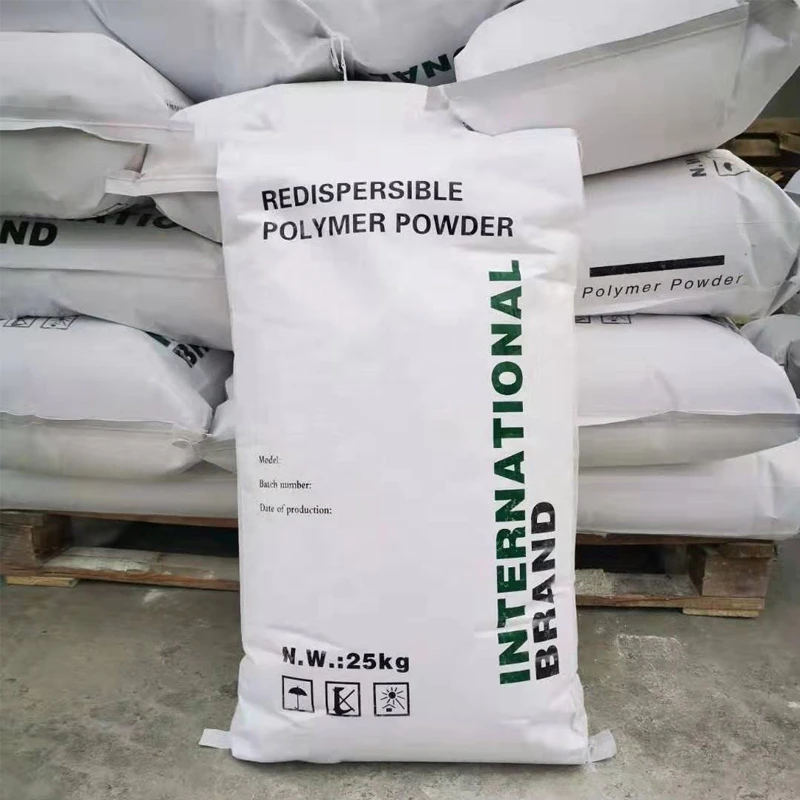
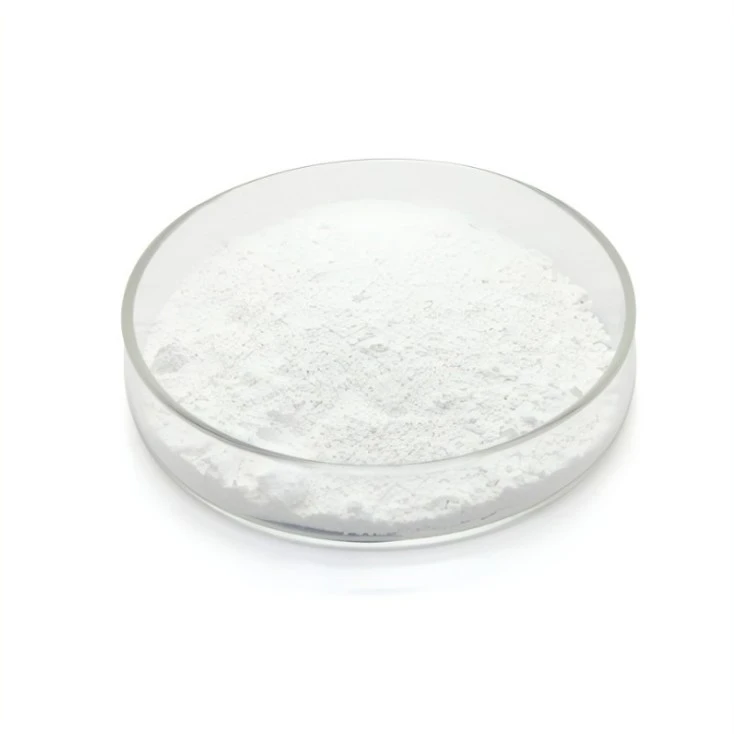
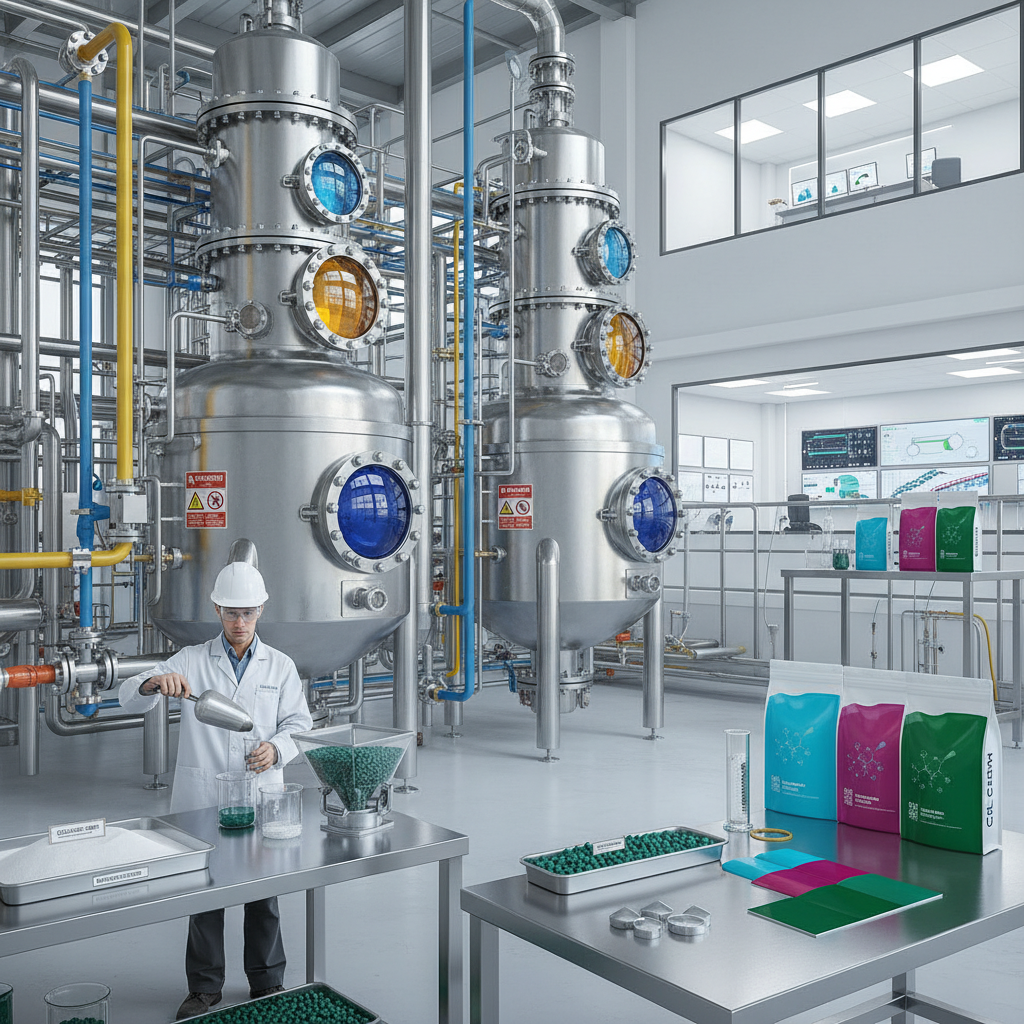
Redispersible polymer powder is a modified vinyl acetate-ethylene copolymer. It exists as a free-flowing white powder before being mixed with water, at which point it re-disperses to form a stable emulsion. This emulsion then acts as a binder, imparting specific properties to the base material. The key benefit of RDP lies in its ability to improve the adhesion between different substrates, increase the flexibility of the hardened material, and enhance its water resistance, reducing cracking and delamination. Choosing a quality RDP like those offered by Pezetech is crucial for optimal performance.
Key Features: Improves adhesion, increases flexibility, enhances water resistance, reduces cracking, and extends material lifespan.
Key Applications of Redispersible Polymer Powder
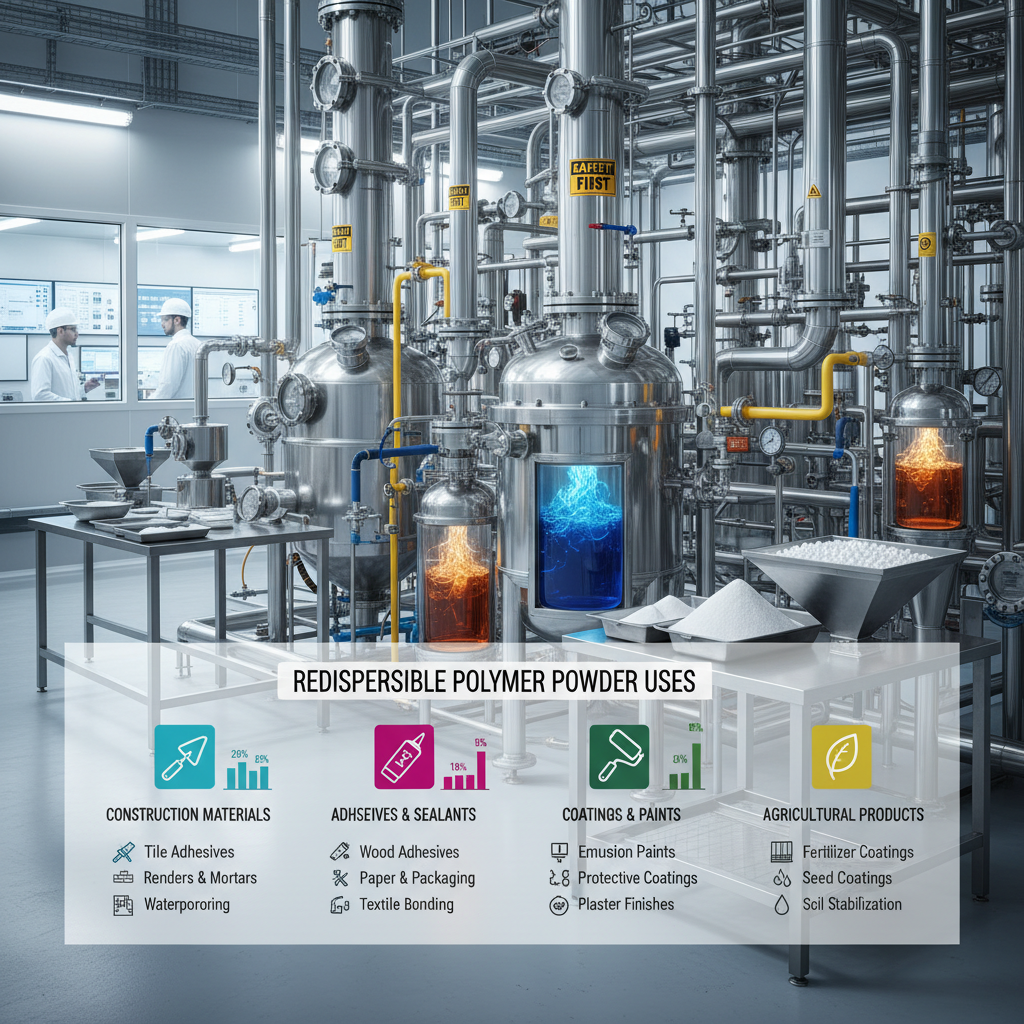
The applications of RDP are remarkably diverse. One of the most common uses is in tile adhesives, where it significantly enhances adhesion strength and flexibility, preventing tile detachment. It's also integral to external thermal insulation composite systems (ETICS), ensuring the insulation boards adhere securely to the building facade and resist weathering. RDP is also used in cement mortars, repair mortars, self-leveling compounds, and even in some paints and coatings. Its ability to improve workability and reduce shrinkage makes it a valuable additive in many construction formulations.
Common RDP Applications:
• Tile Adhesives
• External Thermal Insulation Composite Systems (ETICS)
• Cement Mortars
• Repair Mortars
• Self-Leveling Compounds
Redispersible Polymer Powder Uses: A Comparative Look at Different Types
Not all RDPs are created equal. Different formulations offer varying levels of performance. For example, some RDPs are specifically designed for high-performance tile adhesives, offering superior adhesion and flexibility. Others are formulated for ETICS, providing excellent water resistance and weatherability. The choice of RDP depends on the specific application and the desired properties of the finished material. Here's a comparison of common types:
Benefits of Using Redispersible Polymer Powder
The advantages of incorporating RDP into construction materials are numerous. Beyond improved adhesion and flexibility, RDP enhances the durability and longevity of structures. It reduces the risk of cracking and delamination, minimizing maintenance costs and extending the service life of the building. Furthermore, RDP can improve the workability of the material, making it easier to apply and reducing labor costs. Using high-quality RDP, such as that offered by Pezetech, ensures optimal performance and cost-effectiveness.
Factors to Consider When Choosing Redispersible Polymer Powder
Selecting the right RDP requires careful consideration of several factors. The specific application is paramount, as different formulations are optimized for different purposes. The type of cement being used also influences the choice of RDP. Compatibility between the RDP and the cement is crucial for optimal performance. Furthermore, the desired level of flexibility, water resistance, and adhesion strength should be considered. Always refer to the manufacturer's specifications and recommendations to ensure the chosen RDP is suitable for your project. Pezetech offers a range of RDP products with detailed technical data sheets to assist in your selection.
Conclusion: Enhancing Construction with Redispersible Polymer Powder
Redispersible polymer powder is an indispensable additive in modern construction, enhancing the performance, durability, and longevity of various materials. From tile adhesives to ETICS, RDP offers a range of benefits, including improved adhesion, flexibility, and water resistance. By carefully selecting the right RDP for your specific application, you can ensure optimal results and a lasting, high-quality finish. Choose Pezetech for reliable and effective RDP solutions.
Frequently Asked Questions (FAQs)
What is the recommended dosage of RDP in tile adhesive?
The recommended dosage of RDP in tile adhesive typically ranges from 2% to 6% by weight of the cementitious material. However, the optimal dosage depends on the type of cement, the type of tile, and the desired performance characteristics. Higher dosages generally result in increased flexibility and adhesion strength, but can also affect the setting time. It’s crucial to follow the manufacturer's recommendations for the specific RDP and tile adhesive being used. Always conduct trial mixes to determine the ideal dosage for your application.
Can RDP be used in self-leveling compounds?
Yes, RDP is commonly used in self-leveling compounds to improve their flowability, adhesion, and reduce shrinkage. The addition of RDP enhances the workability of the compound, making it easier to pour and level. It also improves the bond between the compound and the substrate, minimizing the risk of cracking or delamination. The correct RDP grade must be used to ensure optimum performance.
What is the shelf life of redispersible polymer powder?
Generally, redispersible polymer powder has a shelf life of at least 12 months when stored in a cool, dry place, away from direct sunlight and moisture. However, it's important to check the manufacturer's expiry date on the packaging. While the powder may still appear usable after the expiry date, its performance characteristics might be compromised. Proper storage is crucial to maintaining the powder's quality and effectiveness.
-
Top Guide to Selecting Professional vae emulsion manufacturersNewsApr.16,2026
-
Viscosity of HPMCNewsApr.15,2026
-
HPMC Powder UsesNewsApr.15,2026
-
Understanding VAE Emulsion for Modern Industrial CoatingsNewsApr.09,2026
-
Comprehensive Guide to Redispersible Emulsion Powder and its ApplicationsNewsApr.07,2026
-
Comprehensive Guide to Redispersible Latex Powder for Construction ApplicationsNewsApr.04,2026