Exploring Diverse Redispersible Polymer Powder Types and Their Applications
Understanding Redispersible Polymer Powder Types
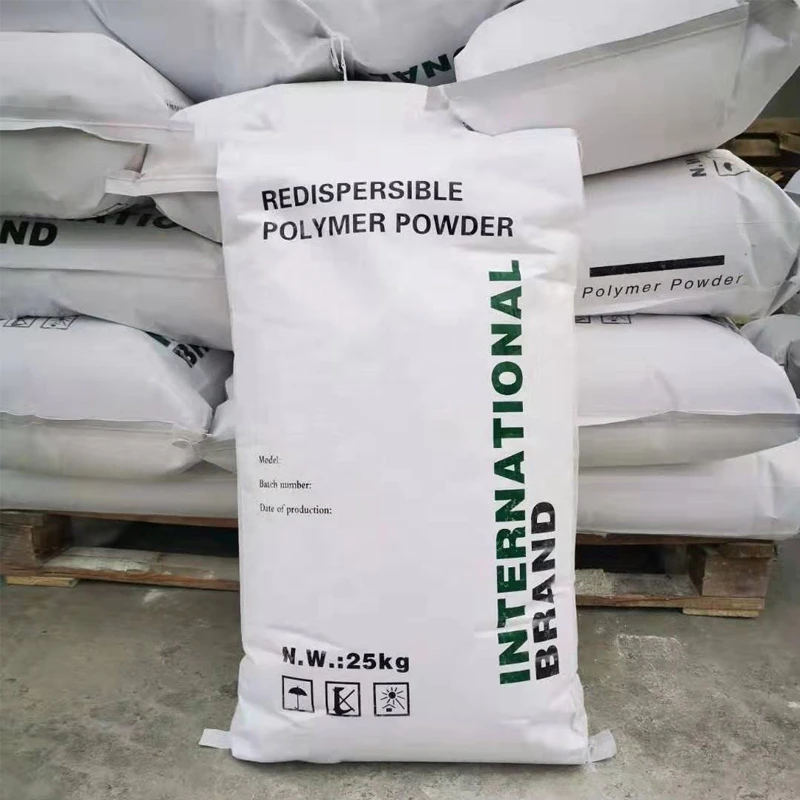
Redispersible polymer powder (RPP) is a crucial ingredient in numerous construction materials, enhancing properties like adhesion, flexibility, and workability. Choosing the right redispersible polymer powder type is vital for optimal performance. This article provides a comprehensive overview of various RPP types, their applications, and key considerations for selection. Understanding these variations is essential for professionals in the construction and adhesive industries. We will explore how different polymers cater to specific needs and performance requirements.

What are Redispersible Polymer Powders?
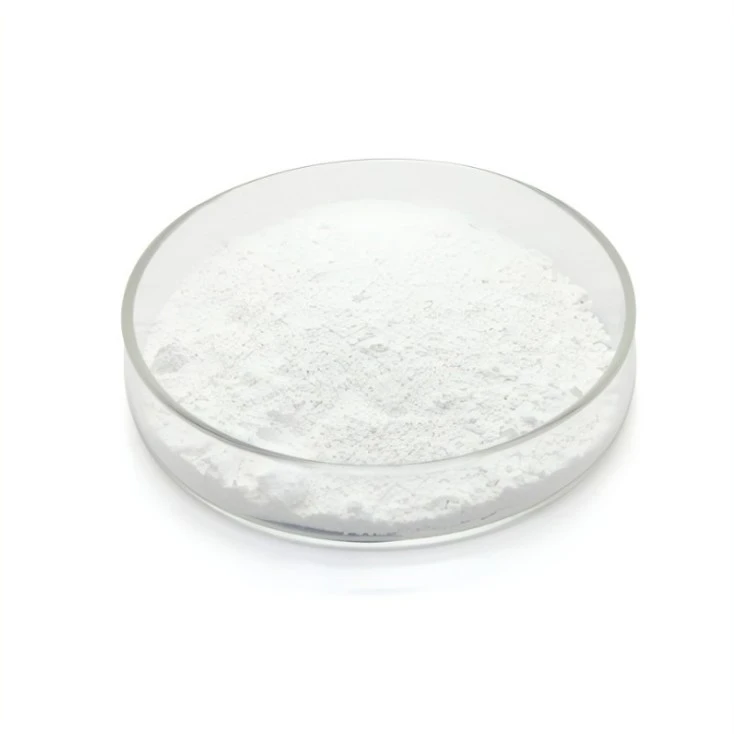
Redispersible polymer powders are spray-dried emulsions of polymers, typically acrylics, vinyl acetates, or styrene-butadiene rubber (SBR). They appear as free-flowing powders that can be easily added to dry-mix formulations. When water is introduced, the powder quickly redisperses, forming a stable emulsion. This emulsion then contributes to the binding, adhesion, and other crucial properties of the final product. The redispersibility is key—it allows for convenient handling and storage compared to liquid emulsions. They are frequently used in tile adhesives, cement mortars, external wall insulation systems (EWIS), and self-leveling compounds.
Key Benefits: Easy to handle, Improves adhesion, Enhances flexibility, Increases water retention, Enhances workability.
Types of Redispersible Polymer Powder
Several types of RPP are available, each offering distinct characteristics. The most common include Acrylic polymers, Vinyl Acetate polymers, Styrene-Butadiene Rubber (SBR) polymers, and Vinyl Acetate-Ethylene (VAE) copolymers. The selection depends heavily on the desired properties of the final application. Understanding these differences allows for targeted formulation and optimal performance.
RPP Type Overview:
• Acrylics: Excellent UV resistance and durability.
• Vinyl Acetate: Good adhesion and cost-effectiveness.
• SBR: High flexibility and impact resistance.
• VAE: Enhanced flexibility and water resistance.
Acrylic Redispersible Polymer Powder: Key Characteristics
Acrylic RPP is renowned for its superior UV resistance, making it ideal for exterior applications. It provides excellent durability and color stability, resisting degradation from sunlight exposure. These polymers exhibit high binding strength and offer good adhesion to a wide range of substrates. They are commonly used in exterior insulation finishing systems (EIFS), crack fillers, and high-performance tile adhesives. Pezetech's acrylic RPP line provides consistent quality and reliable performance.
Comparing RPP Types: A Performance Overview
Choosing the optimal RPP requires a clear understanding of the differences in performance. The table below provides a comparative overview of common RPP types.
Applications of Redispersible Polymer Powder
The applications of RPP are widespread. Common uses include tile adhesives (improving adhesion and flexibility), cement mortars (enhancing workability and strength), self-leveling compounds (providing flow and reducing cracking), external wall insulation systems (increasing adhesion and durability), and repair mortars (offering flexibility and crack bridging). Choosing the correct RPP is crucial for achieving the desired performance characteristics in each application.
Conclusion: Optimizing Performance with the Right RPP
Selecting the right redispersible polymer powder is critical for achieving optimal results in a wide array of construction applications. By carefully considering the required properties – adhesion, flexibility, UV resistance, and cost – professionals can formulate high-performance materials that meet demanding specifications. Pezetech offers a comprehensive range of RPP solutions designed to enhance the quality and durability of your products.
Frequently Asked Questions (FAQs)
What is the shelf life of redispersible polymer powder?
Generally, redispersible polymer powder has a shelf life of approximately 2 years when stored in a cool, dry place, away from direct sunlight. Proper storage is crucial to maintain the powder's redispersibility and performance characteristics. Exposure to moisture or extreme temperatures can cause premature degradation. It's best to follow the manufacturer's recommendations, which are typically indicated on the product packaging.
How much RPP should I add to my formulation?
The optimal dosage of RPP varies depending on the specific application and desired properties. Generally, the addition level ranges from 2% to 8% by weight of the dry mix. It is essential to conduct laboratory trials to determine the ideal dosage for your specific formulation. Factors such as cement type, aggregate size, and desired workability will influence the required amount. Pezetech provides technical support to help customers optimize their formulations.
What are the benefits of using VAE RPP?
Vinyl Acetate-Ethylene (VAE) RPP offers excellent flexibility, enhanced water resistance, and improved adhesion, especially at lower temperatures. This makes it a suitable choice for applications requiring high performance in challenging environments. It's often used in flexible tile adhesives, crack-bridging compounds, and exterior applications where weather resistance is crucial. VAE polymers also contribute to better film formation and lower minimum film-forming temperatures.
-
Top Guide to Selecting Professional vae emulsion manufacturersNewsApr.16,2026
-
Viscosity of HPMCNewsApr.15,2026
-
HPMC Powder UsesNewsApr.15,2026
-
Understanding VAE Emulsion for Modern Industrial CoatingsNewsApr.09,2026
-
Comprehensive Guide to Redispersible Emulsion Powder and its ApplicationsNewsApr.07,2026
-
Comprehensive Guide to Redispersible Latex Powder for Construction ApplicationsNewsApr.04,2026