Optimizing Industrial Cleaning with Sodium Hydroxypropyl Starch Phosphate Solutions
Sodium Hydroxypropyl Starch Phosphate: A Comprehensive Guide
Sodium hydroxypropyl starch phosphate is a versatile and increasingly important ingredient in a wide array of industrial applications, particularly in the realm of phosphate-free detergents and industrial cleaning. Its unique properties, stemming from its modified starch structure, offer exceptional performance as a builder, anti-redeposition agent, and sequestrant. This article provides a deep dive into its characteristics, benefits, applications, and sourcing options, helping you understand its potential for your business. Explore how Pezetech’s high-quality sodium hydroxypropyl starch phosphate can optimize your formulations.
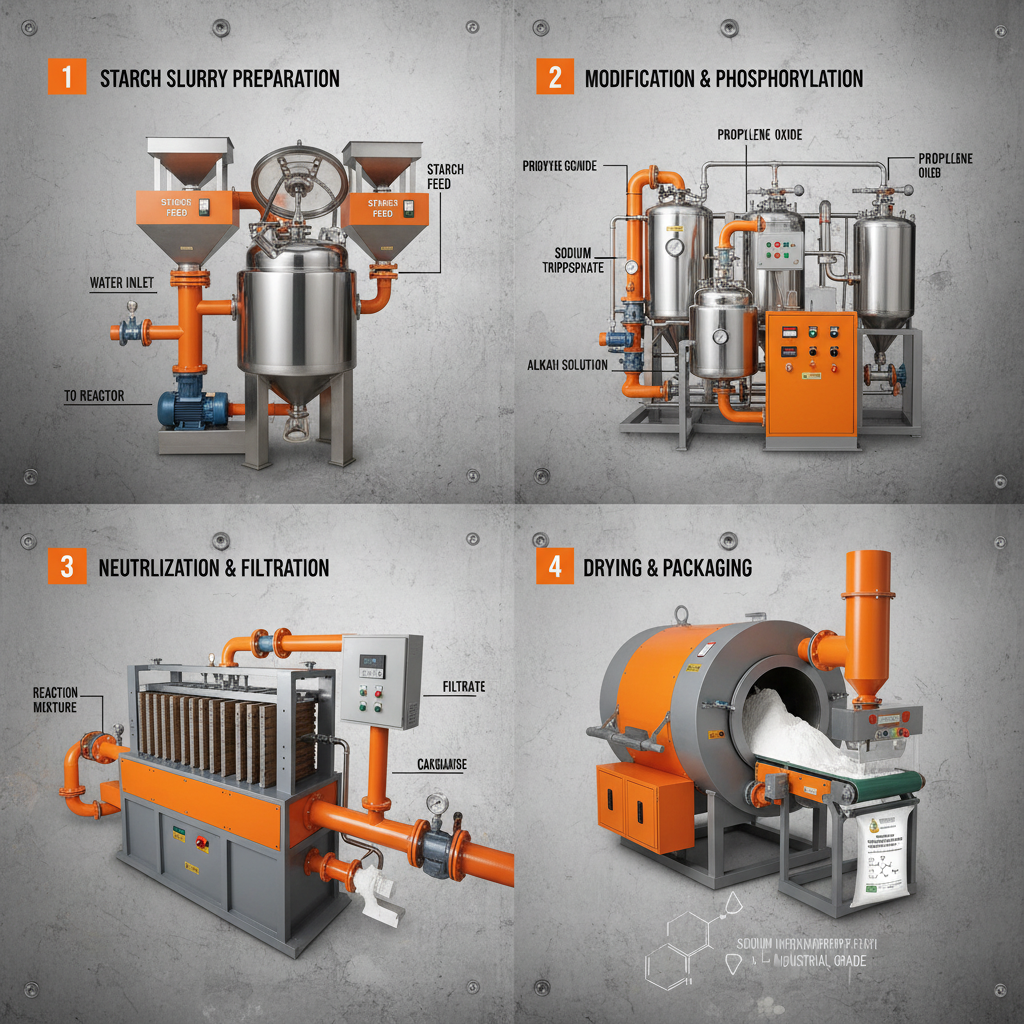
Understanding Sodium Hydroxypropyl Starch Phosphate
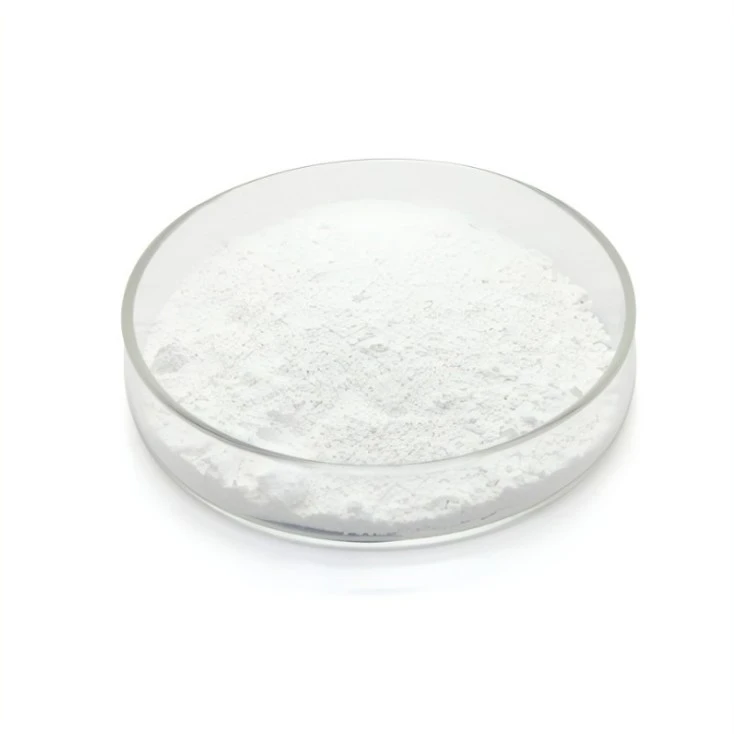
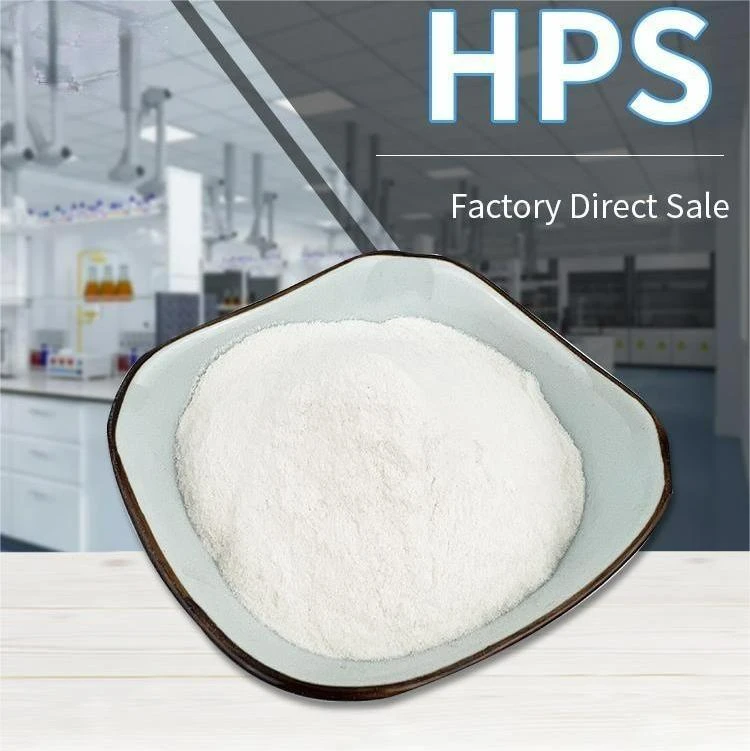
Sodium hydroxypropyl starch phosphate is a modified starch derivative created by introducing hydroxypropyl groups and phosphate groups into the starch molecule. This modification results in a water-soluble polymer with several beneficial properties. It’s a white or off-white powder, readily dispersible in water, and acts as a powerful chelating agent. Crucially, it offers a sustainable and effective alternative to traditional phosphate builders, addressing growing environmental concerns. Pezetech provides consistently high-quality material, ensuring reliable performance in your formulations.
Key Highlights: A sustainable, phosphate-free alternative offering excellent builder and anti-redeposition properties. Readily soluble in water and highly effective in diverse industrial cleaning formulations.
Key Applications of Sodium Hydroxypropyl Starch Phosphate
The versatile nature of sodium hydroxypropyl starch phosphate makes it suitable for a broad spectrum of applications. These include industrial and institutional cleaning compounds (laundry detergents, dishwashing liquids, hard surface cleaners), metal cleaning, textile processing, and even as a scale inhibitor in water treatment systems. Its ability to sequester metal ions prevents the formation of insoluble precipitates, keeping surfaces clean and preventing scaling. It effectively replaces phosphates in many applications while maintaining or even improving cleaning performance.
Application Benefits:
• Phosphate-free formulation support
• Enhanced cleaning performance
• Improved anti-redeposition properties
• Effective metal ion sequestration
Sodium Hydroxypropyl Starch Phosphate vs. Traditional Phosphate Builders
Traditional phosphate builders have long been used for their excellent water softening and cleaning properties. However, their environmental impact – contributing to eutrophication in waterways – has led to increasing regulatory pressure and a search for viable alternatives. Sodium hydroxypropyl starch phosphate offers a compelling solution, providing comparable performance without the detrimental environmental consequences. It’s biodegradable and derived from renewable resources, aligning with sustainability goals.
Product Specifications and Sourcing from Pezetech
Pezetech is a leading supplier of high-quality sodium hydroxypropyl starch phosphate, offering consistent performance and reliable supply. We pride ourselves on stringent quality control and adherence to international standards. Below are typical specifications.
Conclusion: Embrace Sustainable Cleaning with Pezetech
Sodium hydroxypropyl starch phosphate represents a significant advancement in phosphate-free building technology. Its effectiveness, coupled with its environmental benefits, makes it an ideal choice for companies committed to sustainability. Pezetech is your trusted partner for sourcing this crucial ingredient, providing consistent quality and reliable supply. Contact us today to learn more and unlock the potential of sodium hydroxypropyl starch phosphate for your formulations.
Frequently Asked Questions (FAQs)
What is the recommended dosage of sodium hydroxypropyl starch phosphate in a detergent formulation?
The optimal dosage of sodium hydroxypropyl starch phosphate depends on the specific formulation and the desired cleaning performance. Typically, it’s used at levels ranging from 5% to 20% by weight. However, we recommend conducting thorough testing to determine the ideal concentration for your application. Factors to consider include the type of soil being removed, the water hardness, and the presence of other ingredients. Pezetech’s technical team can provide guidance and support with formulation development.
Is sodium hydroxypropyl starch phosphate compatible with other detergent ingredients?
Generally, sodium hydroxypropyl starch phosphate exhibits good compatibility with a wide range of detergent ingredients, including surfactants, enzymes, and bleaching agents. However, it’s always advisable to conduct compatibility testing, particularly when formulating with new or complex mixtures. Avoid combining it with strong oxidizing agents or highly acidic substances, as this may degrade the polymer.
What are the storage requirements for sodium hydroxypropyl starch phosphate?
Sodium hydroxypropyl starch phosphate should be stored in a cool, dry, and well-ventilated area, away from direct sunlight and moisture. Keep containers tightly closed to prevent absorption of atmospheric moisture, which can lead to caking. Proper storage conditions will ensure the product maintains its quality and performance over time. Recommended storage temperature is between 5°C and 30°C.
-
Top Guide to Selecting Professional vae emulsion manufacturersNewsApr.16,2026
-
Viscosity of HPMCNewsApr.15,2026
-
HPMC Powder UsesNewsApr.15,2026
-
Understanding VAE Emulsion for Modern Industrial CoatingsNewsApr.09,2026
-
Comprehensive Guide to Redispersible Emulsion Powder and its ApplicationsNewsApr.07,2026
-
Comprehensive Guide to Redispersible Latex Powder for Construction ApplicationsNewsApr.04,2026